Four AI video generation models dominated the landscape in early 2026: ByteDance's Seedance v1.5 Pro, Kuaishou's Kling 3.0, OpenAI's Sora 2 (deprecated), and Google DeepMind's Veo 3.1. Each represented the best work of its respective company, and each had genuine strengths that made it the right choice for specific use cases. The problem is that marketing materials from each provider make them all sound like the undisputed best. They are not. They are different.
Note: Sora 2 has been discontinued by OpenAI. We include it here for reference, but it is no longer available for new projects.
This article provides a direct, specification-driven comparison of all four models as available through the Atlas Cloud API. No vague claims -- just measured differences in pricing, resolution, duration, audio capability, motion quality, and practical performance across identical prompts. By the end, you will know exactly which model to use for which job.
*Last Updated: February 28, 2026*
See all four models compared side by side:
Specifications at a Glance
| Specification | Seedance v1.5 Pro | Kling 3.0 | Sora 2 (Deprecated) | Veo 3.1 |
|---|---|---|---|---|
| Developer | ByteDance | Kuaishou | OpenAI | Google DeepMind |
| Model ID | `bytedance/seedance-v1.5-pro/text-to-video` | `kwaivgi/kling-v3.0-pro/text-to-video` | `openai/sora-v2/text-to-video` | `google/veo3.1/text-to-video` |
| Max Resolution | 720p | 720p | 720p | 720p |
| Max Duration | 12 seconds | 10 seconds | 12 seconds | 8 seconds |
| Native Audio | Yes | Yes | Yes | Yes |
| Frame Rate | 30fps | 30fps | 30fps | 24fps (cinematic) |
| Reference Files | Up to 9 images (plus 3 videos and 3 audio files) | Up to 4 | 1 | 1 |
| Price (per sec) | USD0.047 | USD0.095 | USD0.1 | USD0.09 (Fast) / USD0.18 (Std) |
| 5s Clip Cost | USD0.24 | USD0.48 | USD0.50 | USD0.45 (Fast) / USD0.90 (Std) |
| 10s Clip Cost | USD0.47 | USD0.95 | USD1.00 | USD0.90 (Fast) / USD1.80 (Std) |
| Core Strength | Value + multimodal input | Detail + text rendering | Physics simulation | Cinematic quality + audio |
The specifications tell part of the story. The rest comes from running identical prompts through each model and evaluating the results.
Detailed Comparison by Category
1. Visual Quality
Kling 3.0 produces the sharpest, most detailed output of the four. Individual textures -- fabric weave, skin pores, wood grain -- are rendered with exceptional clarity. For content where detail matters, Kling 3.0's visual fidelity is tangible.
Veo 3.1 takes a different approach to quality. It emphasizes cinematic color grading, natural film-like motion blur, and professional-grade lighting. The output looks like it was shot on a cinema camera rather than generated by AI. The overall visual impression is polished -- like the difference between a home video and a film.
Sora 2 (deprecated) sat in a strong middle ground for general visual quality. Where it separated itself was in the physical accuracy of what it depicted. Objects interacted with each other and their environment in ways that looked correct -- light refracted properly through glass, water splashes followed realistic fluid dynamics, and gravity behaved as expected. The visual quality of Sora 2 (deprecated) was in the believability of its physics, not in raw resolution.
Seedance v1.5 Pro produces clean, professional output that holds up well for social media, web content, and standard video production. It does not match Kling 3.0's detail or Veo 3.1's cinematic polish, but for the vast majority of content production workflows, the visual quality is more than sufficient -- especially at its price point.
Winner: Kling 3.0 (resolution and detail), with Veo 3.1 as the cinematic quality leader.
2. Pricing and Value
This is where the models diverge dramatically.
| Duration | Seedance v1.5 Pro | Kling 3.0 Pro | Sora 2 (Deprecated) | Veo 3.1 Fast | Veo 3.1 Standard |
|---|---|---|---|---|---|
| 5 seconds | USD0.24 | USD0.48 | USD0.50 | USD0.45 | USD0.90 |
| 8 seconds | USD0.38 | USD0.76 | USD0.80 | USD0.72 | USD1.44 |
| 10 seconds | USD0.47 | USD0.95 | USD1.00 | USD0.90 | USD1.80 |
| 12 seconds | USD0.56 | N/A | USD1.20 | N/A | N/A |
Seedance v1.5 Pro is the clear cost leader at USD0.047/sec. For teams producing high volumes of content -- marketing agencies, social media managers, e-commerce brands -- this pricing makes AI video generation viable at scale. A hundred 10-second videos costs USD47 with Seedance v1.5 Pro, compared to USD95 with Kling 3.0 Pro.
Veo 3.1 offers two tiers: Veo 3.1 Fast at USD0.09/sec and Veo 3.1 Standard at USD0.18/sec. The Fast tier is a strong mid-range option and delivers arguably the best quality-to-price ratio. The Standard tier provides higher quality output for premium content. For cinematic content, even the Fast tier delivers superior visual polish at a competitive price.
Kling 3.0 Pro at USD0.095/sec occupies a similar mid-range. The detailed output and strong text rendering justify the price for projects where visual fidelity matters.
Sora 2 (deprecated) at USD0.1/sec was the most expensive per second. The physics simulation capability justified this for specific use cases, but for general content production, it was harder to justify the cost premium. Sora 2 is no longer available.
Winner: Seedance v1.5 Pro on pure cost. Veo 3.1 Fast for quality-per-dollar.
3. Maximum Duration
| Model | Max Duration | Practical Impact |
|---|---|---|
| Sora 2 (Deprecated) | 12 seconds | Tied for longest clips, strong for narrative |
| Seedance v1.5 Pro | 12 seconds | Tied for longest, great for most content formats |
| Kling 3.0 | 10 seconds | Adequate for social media, limiting for narrative |
| Veo 3.1 | 8 seconds | Short but often sufficient for cinematic shots |
Seedance v1.5 Pro offers 12 seconds, the longest of the currently available models. For narrative content, explainer videos, and any format where continuity matters, longer single-generation clips reduce the need for editing multiple clips together. Sora 2 (deprecated) also offered 12 seconds when it was available.
Kling 3.0 and Veo 3.1 have shorter maximum durations (10s and 8s respectively), which means more generations and more editing for longer content. For short-form content and cinematic B-roll, these durations are usually sufficient.
Winner: Seedance v1.5 Pro (12 seconds). Sora 2 (deprecated) was tied at 12 seconds when available.
4. Native Audio
All four models now support native audio generation, but the quality and approach differ.
Veo 3.1 produces the most natural-sounding audio. Ambient sounds, environmental noise, and sound effects are well-timed to visual events. A door closing sounds like a door closing, footsteps match the surface material, and background atmospherics create a sense of place. This comes from Google's deep investment in audio-visual alignment research.
Sora 2 (deprecated) generated audio that was synchronized well with physical events. Impact sounds, mechanical noises, and environmental audio aligned correctly with the visuals.
Kling 3.0 provides audio generation that handles music-like backgrounds and ambient sound competently. It is less precise than Veo 3.1 at matching specific sound effects to visual events, but produces pleasant atmospheric audio.
Seedance v1.5 Pro includes audio capability that has improved significantly from earlier versions. It handles ambient soundscapes and basic sound effects, though it remains the least refined of the four in audio-visual synchronization.
Winner: Veo 3.1 for audio quality and synchronization.
5. Generation Speed
Speed matters for iterative workflows where you are testing prompts, reviewing results, and refining. Measured from API call to completed output:
| Model | Typical 5s Clip | Typical 10s Clip |
|---|---|---|
| Seedance v1.5 Pro | 20-40 seconds | 30-60 seconds |
| Kling 3.0 | 45-90 seconds | 60-120 seconds |
| Veo 3.1 | 60-120 seconds | 90-180 seconds |
| Sora 2 (Deprecated) | 60-180 seconds | 90-300 seconds |
Seedance v1.5 Pro is the fastest model available. For prompt iteration -- generating, reviewing, adjusting, regenerating -- this speed advantage compounds. Spending 30 seconds per generation instead of 3 minutes means you can test 6x more prompt variations in the same time window.
Winner: Seedance v1.5 Pro by a significant margin.
6. Motion Quality
Motion quality refers to how natural and physically plausible movement looks in the generated video.
Sora 2 (deprecated) led in motion quality when physics were involved. Objects fell, bounced, rolled, and collided with correct force, momentum, and energy transfer. A ball rolling off a table followed a parabolic trajectory. Water poured from a pitcher filled a glass with appropriate fluid dynamics. No other model matched this level of physical accuracy when it was available.
Veo 3.1 produces smooth, cinematic motion that feels like professional camera work. Camera movements -- pans, dollies, tracking shots -- are particularly natural. Human motion (walking, gesturing, turning) is handled well, though extreme athletics or complex choreography can show artifacts.
Kling 3.0 generates detailed motion at high resolution. Complex movements with multiple subjects are handled competently. The sharp rendering means motion details remain clear even in fast-moving scenes. However, physics-heavy interactions (collisions, fluid dynamics) were less accurate than what Sora 2 (deprecated) could produce.
Seedance v1.5 Pro provides good general motion quality. Simple to moderate movement -- walking, driving, waving, object rotation -- is rendered cleanly. Highly complex motion sequences or multi-character interactions may show more artifacts than the other three models.
Winner (available models): Veo 3.1 for cinematic smoothness. Sora 2 (deprecated) previously led for physics accuracy.
7. Text Rendering in Video
Rendering legible text within video -- brand names, signs, labels -- is still challenging for all AI video models, but some handle it better than others.
Kling 3.0 produces the most consistent text rendering in video. Short text (1-3 words) on signs, products, or overlays remains readable throughout the clip.
Sora 2 (deprecated) handled text reasonably well, particularly when text was part of a physical object (a sign on a wall, text on a screen).
Veo 3.1 and Seedance v1.5 Pro both struggle with text consistency across frames. Text may shift, blur, or distort during motion. For content requiring persistent, readable text, consider generating the video without text and adding text overlays in post-production.
Winner: Kling 3.0, though all models benefit from post-production text overlays.
8. Reference Image Input
Reference images allow you to guide the model's output by providing visual context -- a product photo, a character design, or a style reference.
| Model | Max Reference Files | Best For |
|---|---|---|
| Seedance v1.5 Pro | 9 images (plus 3 videos and 3 audio files) | Multi-reference compositions, style consistency |
| Kling 3.0 | 4 images | Product animations, character consistency |
| Sora 2 (Deprecated) | 1 image | Simple image-to-video conversion |
| Veo 3.1 | 1 image | Style-guided cinematic generation |
Seedance v1.5 Pro has a major advantage here with support for up to 9 reference images (plus 3 videos and 3 audio files). This enables workflows like maintaining character consistency across multiple clips, combining elements from different references, and providing detailed style guidance. For teams producing serialized content where visual consistency matters, this is a significant differentiator.
Winner: Seedance v1.5 Pro by a wide margin.
Same-Prompt Comparison
To provide a practical quality comparison, here are three identical prompts run through all four models, with analysis of the results.
Prompt 1: Product Showcase
plaintext1``` 2A premium wireless headphone sitting on a polished marble surface. 3Camera slowly orbits the product, revealing it from all angles. 4Soft studio lighting with subtle reflections on the marble. 5Clean, minimalist aesthetic. 6```
- Seedance v1.5 Pro: Clean orbit motion, good product definition, marble reflections present. Color temperature slightly cool. Usable for e-commerce without edits.
- Kling 3.0: Sharpest detail on headphone texture. Marble veining and reflections are exceptionally detailed. Best raw image quality of the four.
- Sora 2 (deprecated): Product sat on the surface with the most convincing weight and shadow. Reflections on marble followed correct physics. Orbit speed was natural and consistent.
- Veo 3.1: Most cinematic framing and lighting. The orbit has professional-grade smoothness. Color grading feels like a commercial. Slightly less sharp than Kling 3.0 but more polished overall.
Best for this prompt: Kling 3.0 (detail), Veo 3.1 (commercial feel).
Prompt 2: Nature Scene with Motion
plaintext1``` 2A hummingbird hovering near a bright red flower in a garden. 3Wings beating rapidly, iridescent feathers catching sunlight. 4Shallow depth of field, soft bokeh background of green foliage. 5Natural morning light, gentle breeze moving nearby leaves. 6```
- Seedance v1.5 Pro: Good hummingbird form and wing motion. Bokeh present but slightly artificial. Feather iridescence is visible but not detailed. Good value for nature content at its price.
- Kling 3.0: Exceptional feather detail. Wing motion is rapid and convincing. Individual barbs on feathers are visible. Best detail resolution for close-up nature content.
- Sora 2 (deprecated): Wing beat frequency looked physically correct. Flower movement from the wingbeats was simulated accurately. Leaves in the background moved with a natural breeze pattern. Most physically believable version.
- Veo 3.1: Beautiful color grading with warm morning light. Bokeh is the most natural of the four. Cinematic quality makes this look like a nature documentary clip. Native audio includes convincing ambient garden sounds.
Best for this prompt: Veo 3.1 (cinematic beauty). Sora 2 (deprecated) previously led for physics.
Prompt 3: Urban Action
plaintext1``` 2A skateboarder performing a kickflip over a set of stairs 3in an urban plaza. Dynamic camera angle from below, capturing 4the board spin and landing. Late afternoon golden hour light 5casting long shadows. 6```
- Seedance v1.5 Pro: Captures the general motion and energy. Board rotation is approximate but the scene reads well at social media resolution. Best value for action content at scale.
- Kling 3.0: Sharp detail on the skater's clothing texture and board graphics. Motion is dynamic but the board rotation mechanics are slightly off.
- Sora 2 (deprecated): Board rotation followed correct rotational physics. Landing impact showed appropriate body mechanics -- knees bending to absorb force, slight weight transfer. Most physically accurate version by a clear margin.
- Veo 3.1: Cinematic golden hour lighting is the strongest of the four. Camera angle and framing feel directed by a professional cinematographer. Motion is smooth and energetic though not as physically precise as Sora 2 (deprecated) was.
Best for this prompt: Veo 3.1 (cinematic quality). Sora 2 (deprecated) previously led for physical accuracy.
Best Model for Each Use Case
Marketing and Advertising
Best: Veo 3.1 -- The cinematic quality, professional color grading, and native audio make Veo 3.1 ideal for commercial content. At USD0.09/sec (Fast) or USD0.18/sec (Standard), it is cost-effective enough for iterative creative development. The 8-second maximum is sufficient for most ad formats (Instagram Stories, YouTube pre-roll, social media ads).
Runner-up: Seedance v1.5 Pro -- For high-volume marketing teams producing dozens of ad variants per week, the cost advantage (USD0.047/sec) and speed make Seedance v1.5 Pro the practical choice for testing and iteration.
Social Media Content
Best: Seedance v1.5 Pro -- Volume is king for social media. At USD0.047/sec with fast generation times, Seedance v1.5 Pro enables the rapid content production that social media demands. The 12-second maximum covers TikTok, Reels, and Shorts formats. Visual quality is more than sufficient for mobile-first platforms.
Runner-up: Veo 3.1 -- When a social media post needs to stand out with premium cinematic quality, Veo 3.1 provides a noticeable quality upgrade at a still-affordable price.
Film and Professional Video Production
Best: Veo 3.1 -- The cinematic frame rate (24fps), professional color grading, and film-like motion blur make Veo 3.1 the closest to traditional cinema among the four models. The cinematic output integrates well into professional editing workflows. Native audio is production-usable as a base layer.
Runner-up: Kling 3.0 -- For productions that need maximum visual detail for large-screen display or heavy post-production cropping, Kling 3.0 provides the sharpest source material.
Education and Explainer Videos
Best: Veo 3.1 -- Educational content frequently involves demonstrating how things work -- physics, mechanics, cause-and-effect. Veo 3.1's cinematic quality and strong audio synchronization make it well-suited for educational explanations and demonstrations. Sora 2 (deprecated) was previously the top choice for physics simulation accuracy, but is no longer available.
Runner-up: Seedance v1.5 Pro -- For educational content that prioritizes volume and budget, Seedance v1.5 Pro offers good quality at an affordable price point with 12-second clips.
Product Demonstrations
Best: Kling 3.0 -- Product demos benefit from maximum detail and visual fidelity. Product textures, materials, and design details are showcased at their best. The 10-second maximum is adequate for most product reveal and feature demonstration clips.
Runner-up: Veo 3.1 -- When the product demo involves physical interactions and cinematic presentation, Veo 3.1 produces polished, professional demonstrations.
E-commerce and Product Videos
Best: Seedance v1.5 Pro -- E-commerce teams need hundreds of product videos at minimal cost. Seedance v1.5 Pro at USD0.047/sec makes this economically feasible. A 10-second product rotation video costs just USD0.47, meaning a catalog of 500 product videos costs USD235.
Runner-up: Kling 3.0 -- For hero products or featured items where visual quality justifies the cost, upgrade to Kling 3.0 for the sharpest detail.
How to Access These Models
Seedance v1.5 Pro, Kling 3.0, and Veo 3.1 are all available through the Atlas Cloud API with a single API key. No separate accounts with ByteDance, Kuaishou, or Google required. Sora 2 has been discontinued and is no longer accessible.
Step 1: Sign up at Atlas Cloud and create an API key.
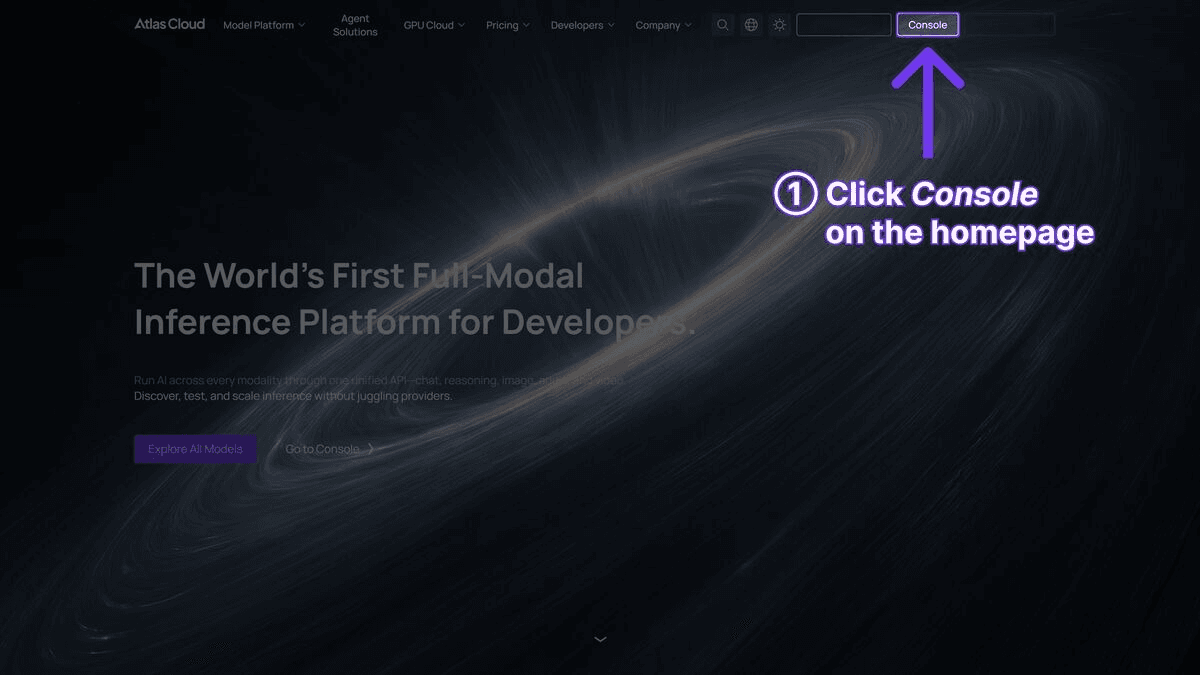
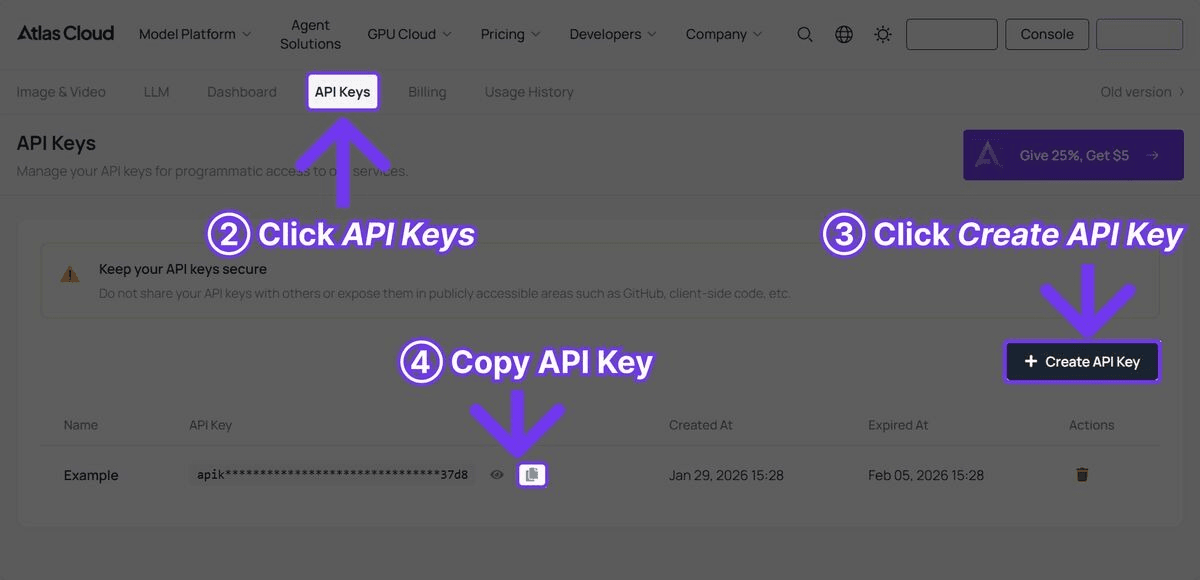
Step 2: Generate video with any model by changing the `model` parameter:
plaintext1```python 2import requests 3import time 4 5 6API_KEY = "your-atlas-cloud-api-key" 7BASE_URL = "https://api.atlascloud.ai/api/v1" 8 9 10def generate_video(model: str, prompt: str, duration: int = 5): 11 """Generate a video with any model on Atlas Cloud.""" 12 response = requests.post( 13 f"{BASE_URL}/model/generateVideo", 14 headers={ 15 "Authorization": f"Bearer {API_KEY}", 16 "Content-Type": "application/json" 17 }, 18 json={ 19 "model": model, 20 "prompt": prompt, 21 "duration": duration, 22 "resolution": "1080p" 23 } 24 ) 25 result = response.json() 26 27 28 # Poll for completion 29 while True: 30 status = requests.get( 31 f"{BASE_URL}/model/prediction/{result['request_id']}/get", 32 headers={"Authorization": f"Bearer {API_KEY}"} 33 ).json() 34 if status["status"] == "completed": 35 return status["output"]["video_url"] 36 elif status["status"] == "failed": 37 return None 38 time.sleep(5) 39 40 41# Same prompt, three different models 42prompt = "A glass of water being slowly poured, light refracting through the liquid, clean white background, studio lighting" 43 44 45models = { 46 "Seedance v1.5 Pro": "bytedance/seedance-v1.5-pro/text-to-video", 47 "Kling 3.0": "kwaivgi/kling-v3.0-pro/text-to-video", 48 "Veo 3.1": "google/veo3.1/text-to-video", 49} 50 51 52for name, model_id in models.items(): 53 url = generate_video(model_id, prompt, duration=5) 54 print(f"{name}: {url}") 55```
More Model Comparisons
Watch Seedance v1.5 Pro and Kling 3.0 in focused reviews:
Frequently Asked Questions
Which model is best overall?
There is no single best model. For budget-conscious volume production, Seedance v1.5 Pro is unmatched. For cinematic quality with audio, Veo 3.1 leads. For maximum detail, Kling 3.0 wins. Sora 2 (deprecated) was previously the top choice for physics accuracy but is no longer available. The best strategy is to use the available models through Atlas Cloud and route each job to the appropriate model.
Can I switch between models without changing my code?
Yes. All available models use the same Atlas Cloud API endpoints. The only difference between generating a Seedance v1.5 Pro video and a Kling 3.0 video is the `model` parameter in your API call. Authentication, request format, and polling mechanism are identical.
How do the models compare for image-to-video?
Seedance v1.5 Pro has the strongest image-to-video capabilities with support for up to 9 reference images (plus 3 videos and 3 audio files). Kling 3.0 supports up to 4. Veo 3.1 accepts 1 reference image. For workflows that start with product photos or design assets, Seedance v1.5 Pro provides the most control.
Do all four models support native audio?
Yes. All three currently available models (Seedance v1.5 Pro, Kling 3.0, and Veo 3.1) generate audio alongside video. Veo 3.1 produces the highest quality audio with the best visual synchronization. Kling 3.0 and Seedance v1.5 Pro provide usable ambient and atmospheric audio.
Final Verdict and Rankings
Overall Rankings
| Category | 1st | 2nd | 3rd | 4th |
| Visual Quality | Kling 3.0 | Veo 3.1 | Seedance v1.5 Pro | -- |
| Pricing | Seedance v1.5 Pro | Veo 3.1 | Kling 3.0 | -- |
| Max Duration | Seedance v1.5 Pro | Kling 3.0 | Veo 3.1 | -- |
| Audio Quality | Veo 3.1 | Kling 3.0 | Seedance v1.5 Pro | -- |
| Generation Speed | Seedance v1.5 Pro | Kling 3.0 | Veo 3.1 | -- |
| Motion/Physics | Veo 3.1 | Kling 3.0 | Seedance v1.5 Pro | -- |
| Reference Input | Seedance v1.5 Pro | Kling 3.0 | Veo 3.1 | -- |
| Text Rendering | Kling 3.0 | Seedance v1.5 Pro | Veo 3.1 | -- |
The Bottom Line
Choose Seedance v1.5 Pro when budget and volume matter most. At USD0.047/sec, it is the most affordable option and the fastest to generate. Ideal for social media, e-commerce, and any workflow producing dozens or hundreds of videos per week.
Choose Kling 3.0 when visual detail and text rendering are the priority. Best for product showcases, detailed demonstrations, and content destined for large screens.
Sora 2 (Deprecated): Sora 2 was previously the top choice for physics accuracy -- gravity, collisions, fluid dynamics, and realistic object interactions. OpenAI has discontinued Sora 2, so it is no longer available for new projects.
Choose Veo 3.1 when cinematic quality and audio matter most. The best color grading, most natural motion, and highest quality audio synchronization. Ideal for commercials, brand videos, and professional video production -- at USD0.09/sec (Fast) or USD0.18/sec (Standard).
The practical recommendation for most teams: access all three available models through Atlas Cloud, start with Seedance v1.5 Pro for volume work and Veo 3.1 for premium content, and bring in Kling 3.0 when its specific strengths are needed. One API key, one bill, three world-class models.





