AI video generation APIs have become a production tool, not a research curiosity. But production means budgets, and budgets mean knowing exactly what each second of generated video costs across every available model. The difference between the cheapest and most expensive API on the market is roughly 7x per second -- that gap compounds fast when you are generating hundreds or thousands of videos per month.
This guide ranks every major AI video generation API by cost in 2026. We break down per-second rates, calculate per-video costs at standard durations, and show exactly what a fixed budget gets you with each model. The goal is straightforward -- help you find the cheapest AI video generation API that still meets your quality requirements.
*Last Updated: February 28, 2026*
See these AI video generation models in action:
Complete Price Ranking: Cheapest to Most Expensive
Here is every AI video generation API on Atlas Cloud, ranked from cheapest to most expensive per second:
| Model | Developer | Price/sec | Max Duration | Resolution | Audio | Speed | Best For |
|---|---|---|---|---|---|---|---|
| Veo 3.1 | Google DeepMind | USD0.09 | 8s | Cinematic | Yes | ~60s | Cinematic + audio |
| Wan 2.6 | Alibaba | USD0.07 | 15s | 1080p | Yes | ~20s | Fast drafts |
| Vidu Q3 | Shengshu AI | USD0.07 | 16s | 1080p | Yes | ~25s | Balanced value |
| Hailuo 2.3 | MiniMax | USD0.1 | 10s | 1080p | No | ~40s | Social media |
| Kling 3.0 | Kuaishou | USD0.153 | 10s | 1080p | Yes | ~60s | Long-form + audio |
| Sora 2 | OpenAI | USD0.1 | 10s | 1080p | No | ~90s | Cinematic realism |
| Kling Video O3 | Kuaishou | USD0.085 | 15s | 1080p | Yes | ~120s | Maximum fidelity |
The price spread is significant. Seedance 2.0 Fast at USD0.09/sec is nearly 7x cheaper per second than Sora 2 or Kling Video O3 at USD0.15/sec, and over 11x cheaper than Seedance 2.0 Pro at USD0.247/sec.
Cost Per Video: Real-World Math
Per-second pricing is useful for comparison, but what matters in practice is cost per completed video. Here is what each model costs for standard video durations:
5-Second Videos
| Model | Cost per 5s Video | Videos per USD10 |
|---|---|---|
| Seedance 2.0 Fast | USD0.11 | 90 |
| Veo 3.1 | USD0.15 | 66 |
| Wan 2.6 | USD0.35 | 28 |
| Vidu Q3 | USD0.35 | 28 |
| Hailuo 2.3 | USD0.40 | 25 |
| PixVerse V4.5 | USD0.45 | 22 |
| Luma Ray 3 | USD0.50 | 20 |
| Kling 3.0 | USD0.63 | 15 |
| Sora 2 | USD0.75 | 13 |
| Kling Video O3 | USD0.75 | 13 |
| Seedance 2.0 Pro | USD1.235 | 8 |
At 5 seconds, Seedance 2.0 Fast produces 90 videos for USD10. Sora 2 and Kling Video O3 produce 13 each. That is a 7x difference in output volume for the same budget.
8-Second Videos
| Model | Cost per 8s Video | Videos per USD10 |
|---|---|---|
| Seedance 2.0 Fast | USD0.176 | 56 |
| Veo 3.1 | USD0.24 | 41 |
| Vidu Q3 | USD0.56 | 17 |
| PixVerse V4.5 | USD0.72 | 13 |
| Kling 3.0 | USD1.008 | 9 |
| Sora 2 | USD1.20 | 8 |
| Kling Video O3 | USD1.20 | 8 |
| Seedance 2.0 Pro | USD1.976 | 5 |
Note: Wan 2.6 (max 5s), Hailuo 2.3 (max 6s), and Luma Ray 3 (max 5s) cannot generate 8-second videos.
10-Second Videos
Only three models support 10-second generation:
| Model | Cost per 10s Video | Videos per USD10 |
|---|---|---|
| Kling 3.0 | USD1.26 | 7 |
| Sora 2 | USD1.50 | 6 |
| Kling Video O3 | USD1.50 | 6 |
For 10-second clips, Kling 3.0 is the cheapest option at USD1.26/video. If duration is a hard requirement, the model selection narrows considerably.
What USD10 Gets You
Here is a practical look at what a USD10 budget produces with each model:
| Model | USD10 Budget = | Duration | Resolution |
|---|---|---|---|
| Seedance 2.0 Fast | 56 videos (8s each) = 7.5 min of content | 8s | 1080p |
| Veo 3.1 | 41 videos (8s each) = 5.5 min of content | 8s | Cinematic |
| Wan 2.6 | 28 videos (5s each) = 2.3 min of content | 5s | 720p |
| Vidu Q3 | 17 videos (8s each) = 2.3 min of content | 8s | 1080p |
| Hailuo 2.3 | 20 videos (6s each) = 2.0 min of content | 6s | 1080p |
| PixVerse V4.5 | 13 videos (8s each) = 1.7 min of content | 8s | 1080p |
| Luma Ray 3 | 20 videos (5s each) = 1.7 min of content | 5s | 1080p |
| Kling 3.0 | 7 videos (10s each) = 1.2 min of content | 10s | 1080p |
| Sora 2 | 6 videos (10s each) = 1.0 min of content | 10s | 1080p |
| Kling Video O3 | 6 videos (10s each) = 1.0 min of content | 10s | 1080p |
| Seedance 2.0 Pro | 5 videos (8s each) = 0.7 min of content | 8s | 1080p |
The total content volume difference is dramatic. Seedance 2.0 Fast produces 7.5 minutes of 1080p content for USD10. Seedance 2.0 Pro produces 40 seconds. If budget is your constraint, that gap determines your content strategy.
Monthly Budget Projections
For teams planning ongoing video production, here is what different monthly budgets support:
USD50/Month Budget
| Model | Videos/Month (8s) | Total Content |
|---|---|---|
| Seedance 2.0 Fast | 284 | 37.8 min |
| Veo 3.1 | 208 | 27.7 min |
| Vidu Q3 | 89 | 11.9 min |
| Kling 3.0 | 49 | 8.2 min |
| Sora 2 | 41 | 5.5 min |
USD200/Month Budget
| Model | Videos/Month (8s) | Total Content |
|---|---|---|
| Seedance 2.0 Fast | 1,136 | 151.5 min |
| Veo 3.1 | 833 | 111.1 min |
| Vidu Q3 | 357 | 47.6 min |
| Kling 3.0 | 198 | 33.0 min |
| Sora 2 | 166 | 22.2 min |
At USD200/month, Seedance 2.0 Fast generates over 1,100 videos -- enough for serious production pipelines, automated content workflows, and multi-channel distribution.
Hidden Cost Factors
Per-second pricing does not capture the full picture. Several additional factors affect the true cost of AI video generation:
Iteration Costs
Most workflows require multiple attempts before getting a satisfactory result. If your average prompt needs 3 generations to produce a keeper, your effective cost per usable video is 3x the listed price. Cheaper models allow more iterations within the same budget, which paradoxically can produce better final results -- you can afford to be more selective.
| Model | Cost per 8s Video | Effective Cost (3 attempts) |
|---|---|---|
| Seedance 2.0 Fast | USD0.176 | USD0.53 |
| Veo 3.1 | USD0.24 | USD0.72 |
| Vidu Q3 | USD0.56 | USD1.68 |
| Kling 3.0 | USD1.008 | USD3.02 |
| Sora 2 | USD1.20 | USD3.60 |
With iteration costs factored in, Seedance 2.0 Fast's effective per-video cost (USD0.53) is still lower than the single-generation cost of Kling 3.0 (USD1.008).
Quality vs. Cost Tradeoff
The cheapest option is not always the most cost-effective. If a cheap model's output requires manual editing, post-processing, or frequent re-generation due to quality issues, the true cost includes that labor time. Consider:
- Wan 2.6 at USD0.07/sec is cheap, but 720p output may need upscaling for many use cases -- adding processing cost and time
- Seedance 2.0 Fast at USD0.09/sec produces 1080p output that is often usable without post-processing
- Veo 3.1 at USD0.03/sec includes native audio, potentially eliminating a separate audio production step
Audio as a Cost Eliminator
Models with native audio generation -- Veo 3.1, Kling 3.0, Hailuo 2.3, and Kling Video O3 -- can eliminate the need for separate audio production. If your videos require sound, the cost of licensing stock audio, hiring voice talent, or using a separate AI audio tool should be factored into the total comparison.
For a team that would otherwise spend USD0.50-USD2.00 per video on audio, Veo 3.1's USD0.03/sec with built-in audio becomes dramatically cheaper than Seedance 2.0 Fast at USD0.09/sec plus separate audio costs.
Budget Recommendations by Use Case
Social Media Content (USD50-100/month)
Recommended: Seedance 2.0 Fast
At this budget, volume matters. Social media platforms consume content rapidly, and you need enough videos to maintain a consistent posting schedule. Seedance 2.0 Fast at USD0.09/sec lets you generate 50-100+ videos per month at this budget, providing enough content for daily posting across multiple platforms.
If your social media content needs audio, consider splitting your budget -- 70% on Seedance 2.0 Fast for volume, 30% on Hailuo 2.3 for posts that need sound.
E-Commerce Product Videos (USD100-300/month)
Recommended: Seedance 2.0 Fast + Veo 3.1
Use Seedance 2.0 Fast for bulk product video generation (product rotations, feature highlights, lifestyle context shots). Allocate a portion of the budget to Veo 3.1 for hero product videos that appear on landing pages or in paid advertising, where cinematic quality and audio add measurable value.
A USD200/month budget split 70/30 between Seedance 2.0 Fast and Veo 3.1 yields approximately 1,272 standard product videos (5s each at USD0.11) and 250 premium hero videos (8s each at USD0.24).
Marketing Agency (USD300-1000/month)
Recommended: Multi-model approach
Agencies serve diverse client needs. Build a tiered workflow:
- Seedance 2.0 Fast for concepts, drafts, and client presentations (50% of budget)
- Kling 3.0 for polished deliverables that need 10-second duration or audio (30% of budget)
- Veo 3.1 for premium client work requiring cinematic quality (20% of budget)
At USD500/month with this split, you get roughly 1,420 draft videos (8s each), 119 polished deliverables (10s each), and 416 premium videos (8s each).
Enterprise Production (USD1000+/month)
Recommended: Seedance 2.0 Fast as default + premium models for specific needs
At enterprise scale, Seedance 2.0 Fast's price advantage compounds dramatically. USD1,000/month produces over 5,600 eight-second videos -- enough for automated content pipelines, personalized video at scale, and multi-market localization.
Reserve premium models (Kling Video O3, Seedance 2.0 Pro) for high-value content where the quality difference justifies the 7-11x cost premium.
How to Get Started at the Lowest Cost
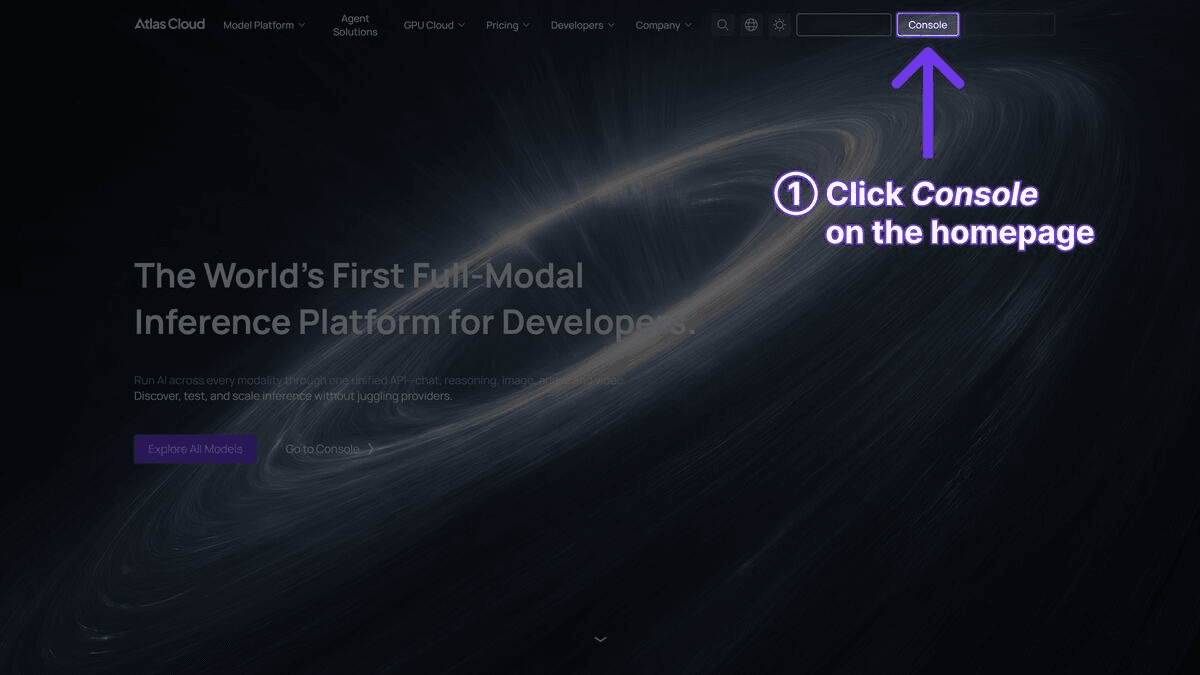
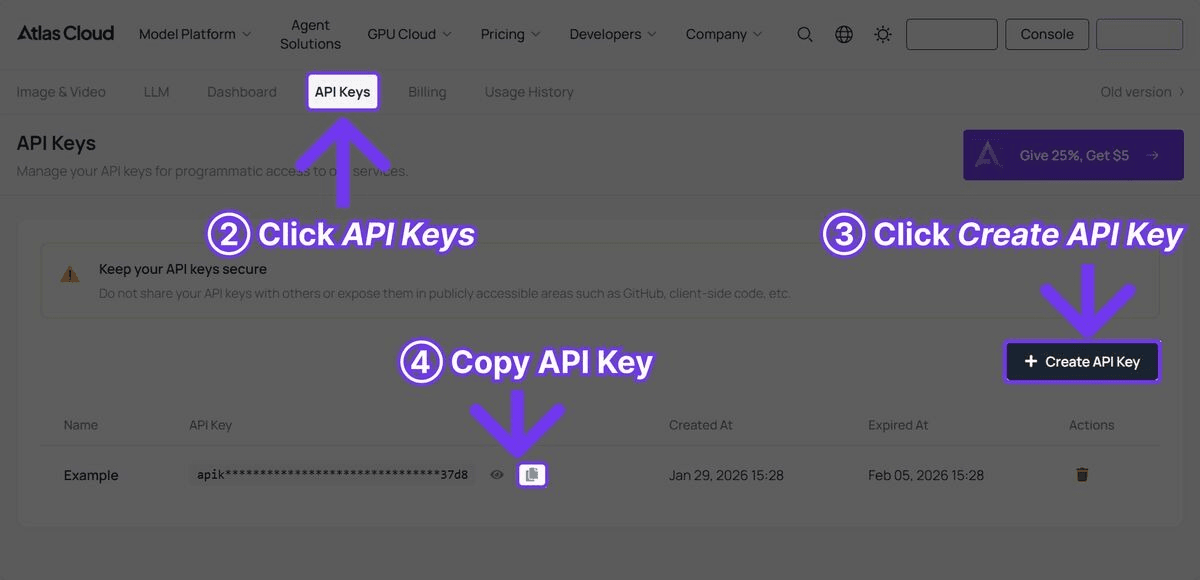
Step 1: Create Your API Key
Sign up at Atlas Cloud.
Step 2: Test the Cheapest Model
Start with Seedance 2.0 Fast to establish your quality baseline. If the output meets your needs, you have found your model and can stop evaluating.
plaintext1```python 2import requests 3import time 4 5API_KEY = "your_api_key_here" 6BASE_URL = "https://api.atlascloud.ai/api/v1" 7 8# Generate with the cheapest model 9response = requests.post( 10 f"{BASE_URL}/model/prediction", 11 headers={"Authorization": f"Bearer {API_KEY}"}, 12 json={ 13 "model": "bytedance/seedance-v1.5-pro/text-to-video", 14 "input": { 15 "prompt": "Product showcase: wireless headphones rotating on a clean white background, studio lighting, 360 degree rotation", 16 "duration": 5, 17 "mode": "fast" 18 } 19 } 20) 21request_id = response.json()["request_id"] 22 23# Poll for results 24while True: 25 result = requests.get( 26 f"{BASE_URL}/model/prediction/{request_id}/get", 27 headers={"Authorization": f"Bearer {API_KEY}"} 28 ) 29 data = result.json() 30 if data["status"] == "completed": 31 print(f"Video URL: {data['output']['video_url']}") 32 break 33 elif data["status"] == "failed": 34 print(f"Error: {data['error']}") 35 break 36 time.sleep(5) 37```
Step 3: Compare Against Alternatives
If Seedance 2.0 Fast does not meet your quality requirements, test the next tier up. Run the same prompt across models to make a fair comparison.
plaintext1```python 2budget_models = [ 3 {"model": "bytedance/seedance-v1.5-pro/text-to-video", "cost_per_sec": 0.09}, 4 {"model": "google/veo3.1/text-to-video", "cost_per_sec": 0.03}, 5 {"model": "alibaba/wan-2.6/text-to-video", "cost_per_sec": 0.07}, 6 {"model": "shengshu/vidu-q3/text-to-video", "cost_per_sec": 0.07}, 7] 8 9prompt = "A person walking through a rain-soaked city street at night, neon reflections on wet pavement" 10 11for m in budget_models: 12 response = requests.post( 13 f"{BASE_URL}/model/prediction", 14 headers={"Authorization": f"Bearer {API_KEY}"}, 15 json={ 16 "model": m["model"], 17 "input": {"prompt": prompt, "duration": 5} 18 } 19 ) 20 cost = m["cost_per_sec"] * 5 21 print(f"{m['model']}: USD{cost:.3f} per video | ID: {response.json()['request_id']}") 22```
Step 4: Build a Cost-Optimized Pipeline
Once you have identified which models meet your quality threshold, build a routing system that automatically selects the cheapest acceptable model for each use case.
plaintext1```python 2def select_model(use_case, needs_audio=False, min_duration=5): 3 """Select the cheapest model that meets requirements.""" 4 if needs_audio and min_duration > 8: 5 return "kwaivgi/kling-v3.0-pro/text-to-video" # USD0.126/sec, 10s, audio 6 elif needs_audio: 7 return "google/veo3.1/text-to-video" # USD0.03/sec, 8s, audio 8 elif min_duration > 8: 9 return "kwaivgi/kling-v3.0-pro/text-to-video" # USD0.126/sec, 10s 10 elif use_case == "draft": 11 return "alibaba/wan-2.6/text-to-video" # USD0.07/sec, fast 12 else: 13 return "bytedance/seedance-v1.5-pro/text-to-video" # USD0.09/sec, best value 14```
Price Trends and What to Expect
AI video generation pricing has dropped significantly over the past 12 months. Models that cost USD0.20-0.50/sec in early 2025 now have competitors at USD0.02-0.07/sec. Several factors suggest prices will continue declining:
- New model entrants increase competition
- Hardware efficiency improvements reduce compute costs
- Volume growth enables better economies of scale
For teams making purchasing decisions today, the practical advice is to avoid long-term pricing commitments. Use pay-as-you-go APIs through providers like Atlas Cloud, where you benefit immediately from any price reductions and can switch between models as the market evolves.
Frequently Asked Questions
What is the cheapest AI video generation API in 2026?
Seedance 2.0 Fast at USD0.09/sec is the cheapest production-quality option, producing 1080p video. A 5-second clip costs just USD0.11, and a USD10 budget generates 90 short videos. For teams prioritizing volume, it is the clear cost leader.
Is cheap AI video generation good enough for production use?
Yes. Seedance 2.0 Fast at USD0.09/sec produces 1080p output that is genuinely production-ready for social media, e-commerce, and web content. The quality gap between budget and premium models matters most for hero content and large-screen display -- for most workflows, the cheaper option is more than sufficient.
How do I reduce AI video generation costs without sacrificing quality?
The most effective strategy is multi-model routing -- use a cheap model like Seedance 2.0 Fast for bulk and draft content, and reserve premium models like Veo 3.1 or Kling 3.0 for hero videos where quality justifies the cost. This approach typically saves 30-50% compared to using a single premium model for everything.
Do cheaper models support audio generation?
The two cheapest models -- Seedance 2.0 Fast (USD0.09/sec) and Veo 3.1 (USD0.03/sec) -- take different approaches. Seedance 2.0 Fast does not include native audio. Veo 3.1 at USD0.03/sec does include native audio, making it the most affordable option for video with sound.
Final Verdict
Seedance 2.0 Fast at USD0.09/sec is the cheapest production-quality AI video generation API in 2026. It offers 1080p output at a price point that enables high-volume production workflows that would be prohibitively expensive with any other model.
Veo 3.1 at USD0.03/sec is the best value if you need audio or cinematic quality. The price premium over Seedance 2.0 Fast is minimal, and the included audio generation can eliminate separate production costs.
Wan 2.6 and Vidu Q3 at USD0.07/sec occupy the budget mid-range. Wan 2.6 is faster but limited to 720p. Vidu Q3 offers 1080p at the same price point.
For most teams, the recommendation is simple: start with Seedance 2.0 Fast. It is cheap enough that iteration is free, quality is high enough that post-processing is minimal.





