
 Atlas Cloud is now an authorized U.S. reseller of Dreamina Seedance 2.5 and Seedream 5.0 Pro.Atlas Cloud is now an authorized U.S. reseller of Dreamina Seedance 2.5 and Seedream 5.0 Pro.
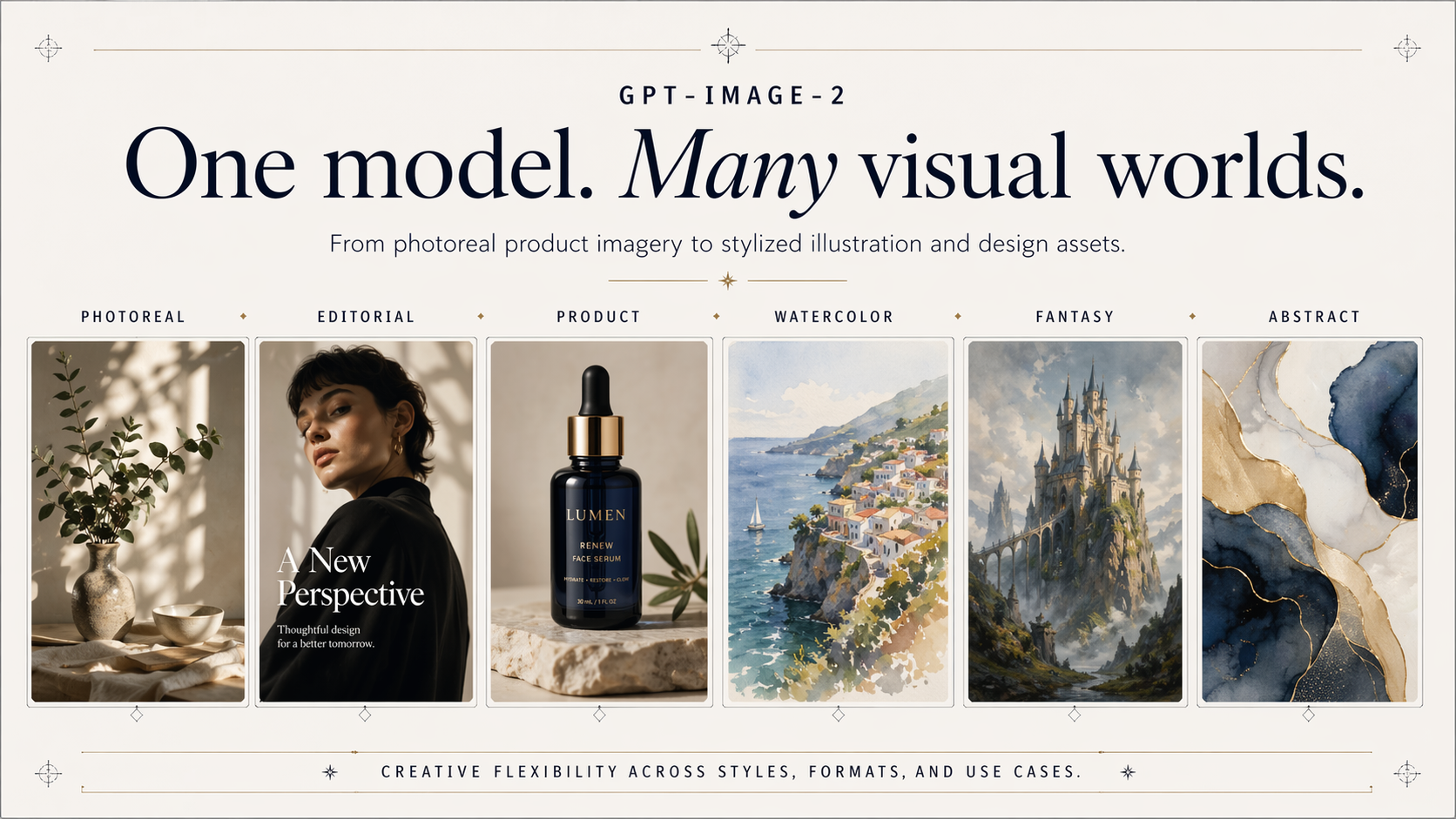

The GPT Image 2 API gives developers access to OpenAI's latest image model, the successor to GPT Image 1.5. It generates and edits images with accurate text rendering across Latin and CJK scripts, plus strong composition for posters, mockups, and infographics. On Atlas Cloud you reach it through one unified API alongside 300+ models, with free credits, 99.99% uptime, and no OpenAI organization verification required.
GPT Image 2 is developed by OpenAI. Atlas Cloud (operated by Atlas Cloud AI LLC) provides access to it and does not own it. All trademarks belong to their respective owners.
Atlas Cloud provides you with the latest industry-leading creative models.
Compare the GPT Image 2 API endpoints across the family, with text to image and editing for GPT Image 2, 1.5, 1, and Mini, so you can match cost and quality to each job through one integration.
| Modality | Description |
|---|---|
| GPT Image 2 T2I API (Text to Image) | Turn a prompt into a finished image with the GPT Image 2 Text to Image API, rendering accurate in-image text across Latin and CJK scripts. It follows long, multi-part prompts precisely and produces photorealistic detail for marketing, UI, and editorial visuals. |
| GPT Image 2 Edit API (Image to Image) | The GPT Image 2 Edit API refines existing images from natural language, using mask-based inpainting and outpainting to change only the regions you target. It also composites multiple references into one scene while keeping the rest intact, for precise and reusable edits. |
Explore what the GPT Image 2 API can do, from accurate in-image text across Latin and CJK scripts to photorealistic rendering, mask-based editing, and multi-reference compositing.
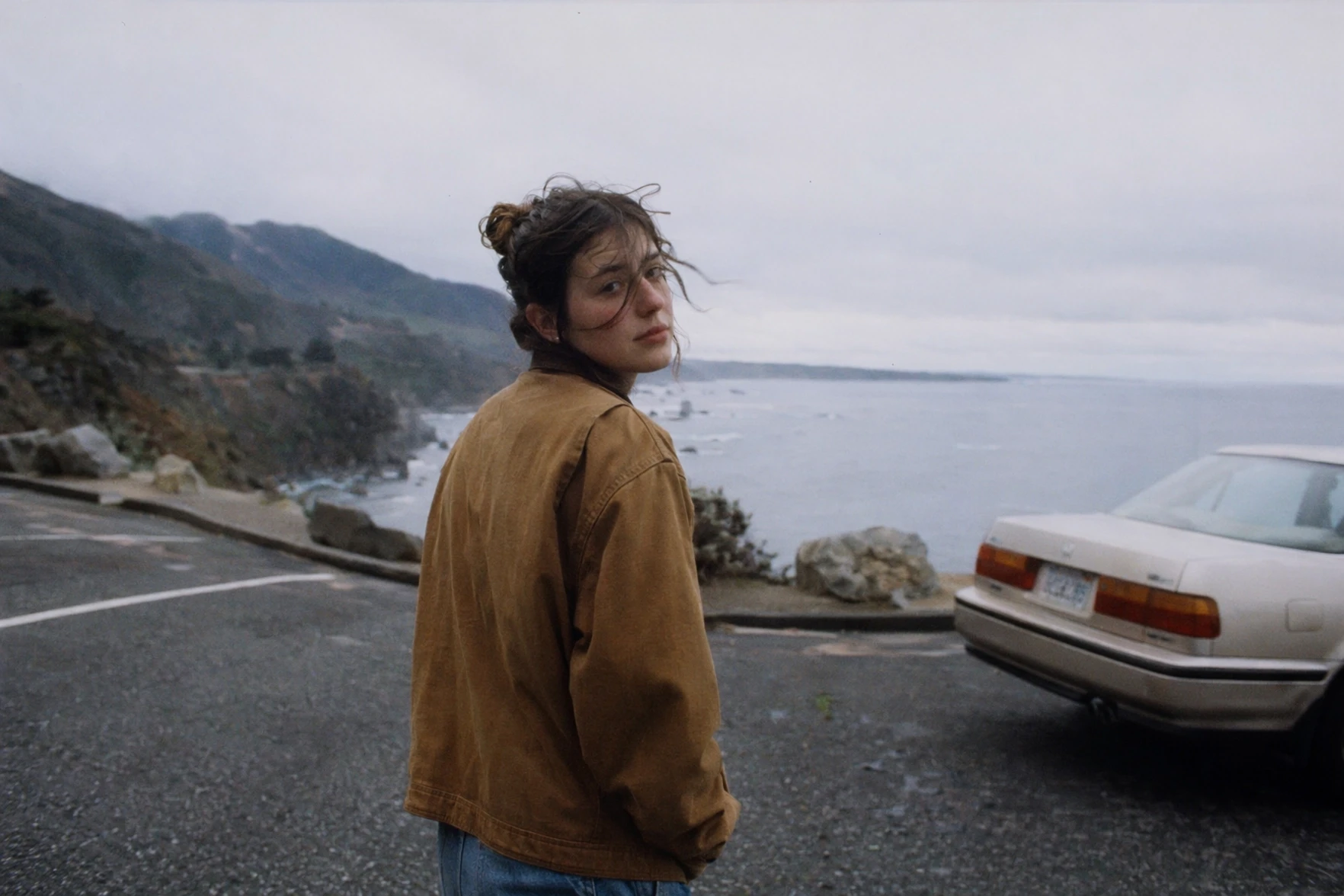
GPT Image 2 delivers photorealistic results across marketing graphics, product visuals, social content, and mockups, where accuracy matters as much as visual quality. It shows real understanding of physics, lighting, and material properties, with neutral, accurate color across scene types.
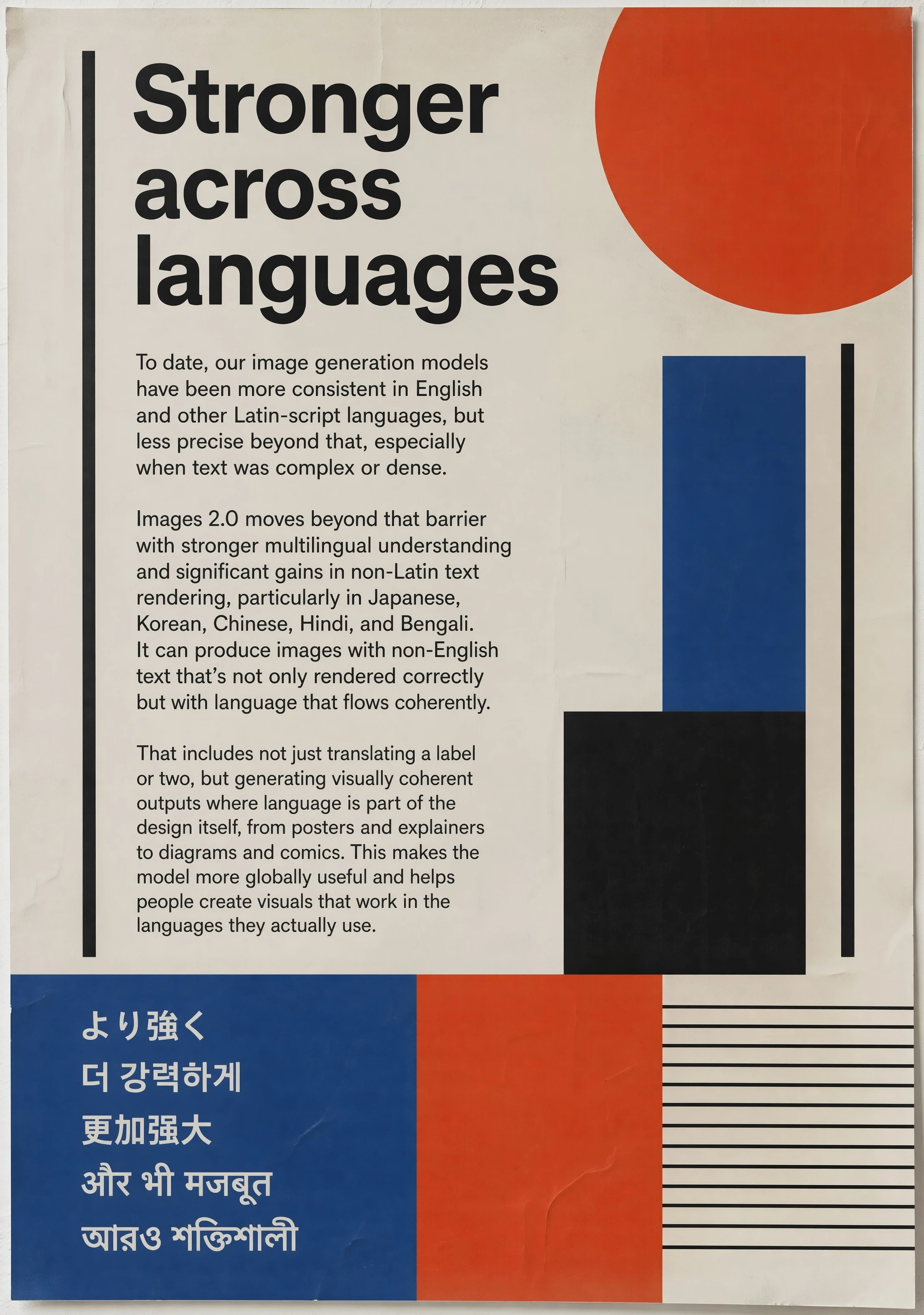
GPT Image 2 renders correctly spelled, naturally placed text inside images, from signage and UI labels to posters. It reliably produces marketing graphics, ad creatives, and email headers with accurate text at scale.
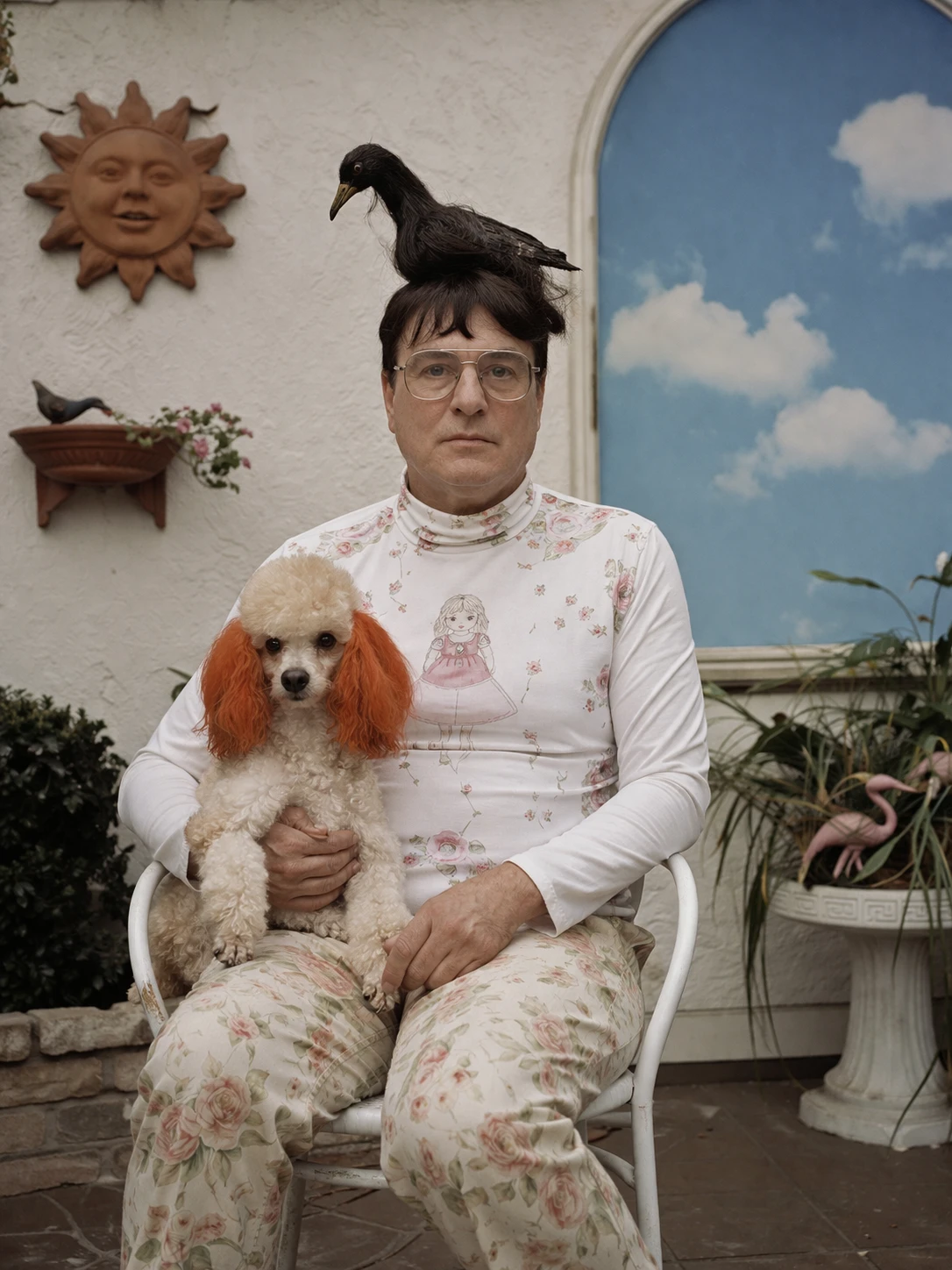
GPT Image 2 handles complex multi-object scenes without the occlusion and placement errors of earlier models. It follows long, multi-part prompts while preserving composition, lighting, and fine detail.
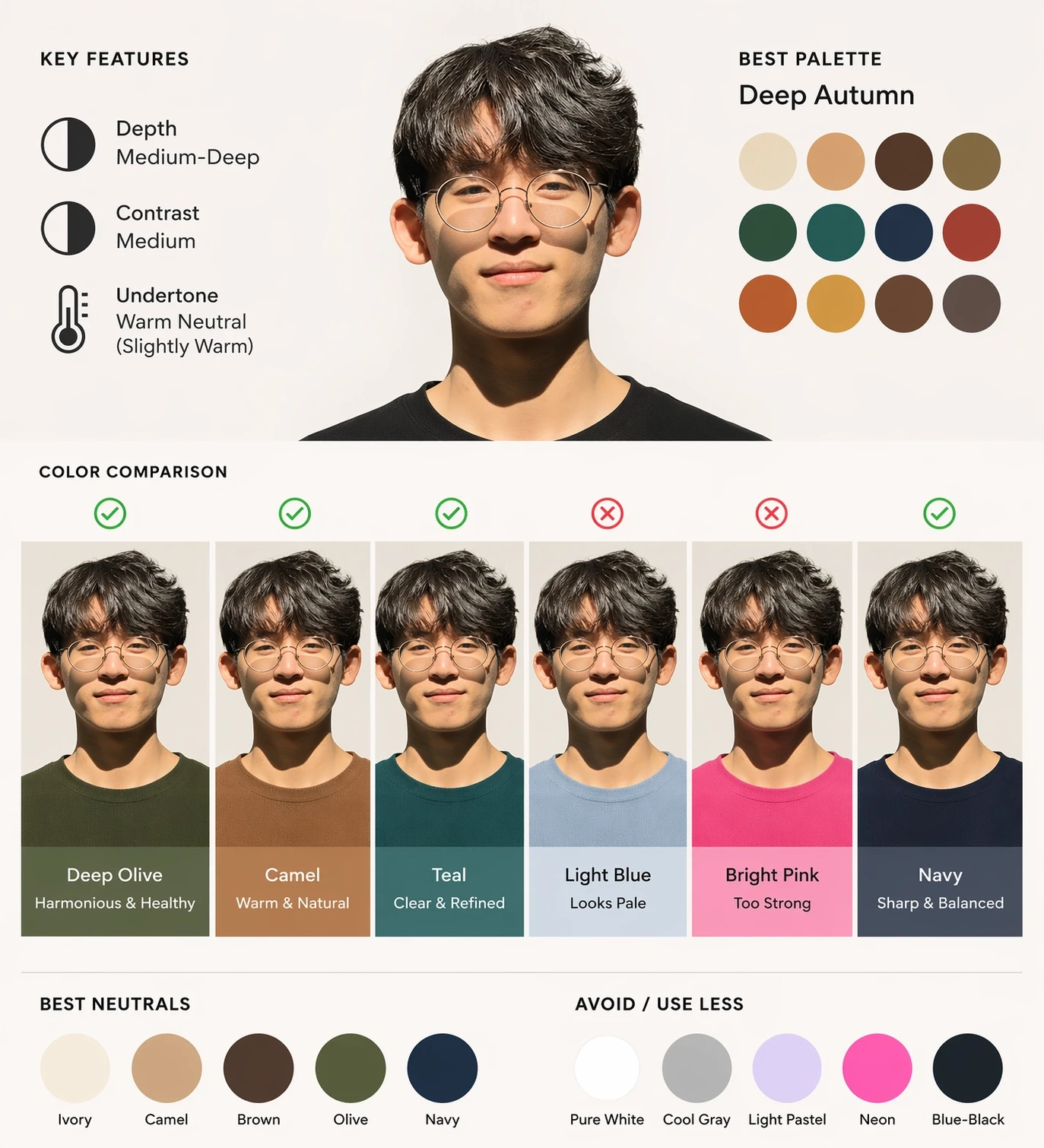
GPT Image 2 maintains consistent character identity, props, and lighting across multiple generations. This subject consistency holds across multi-element compositions, making it dependable for variant sets and series work.
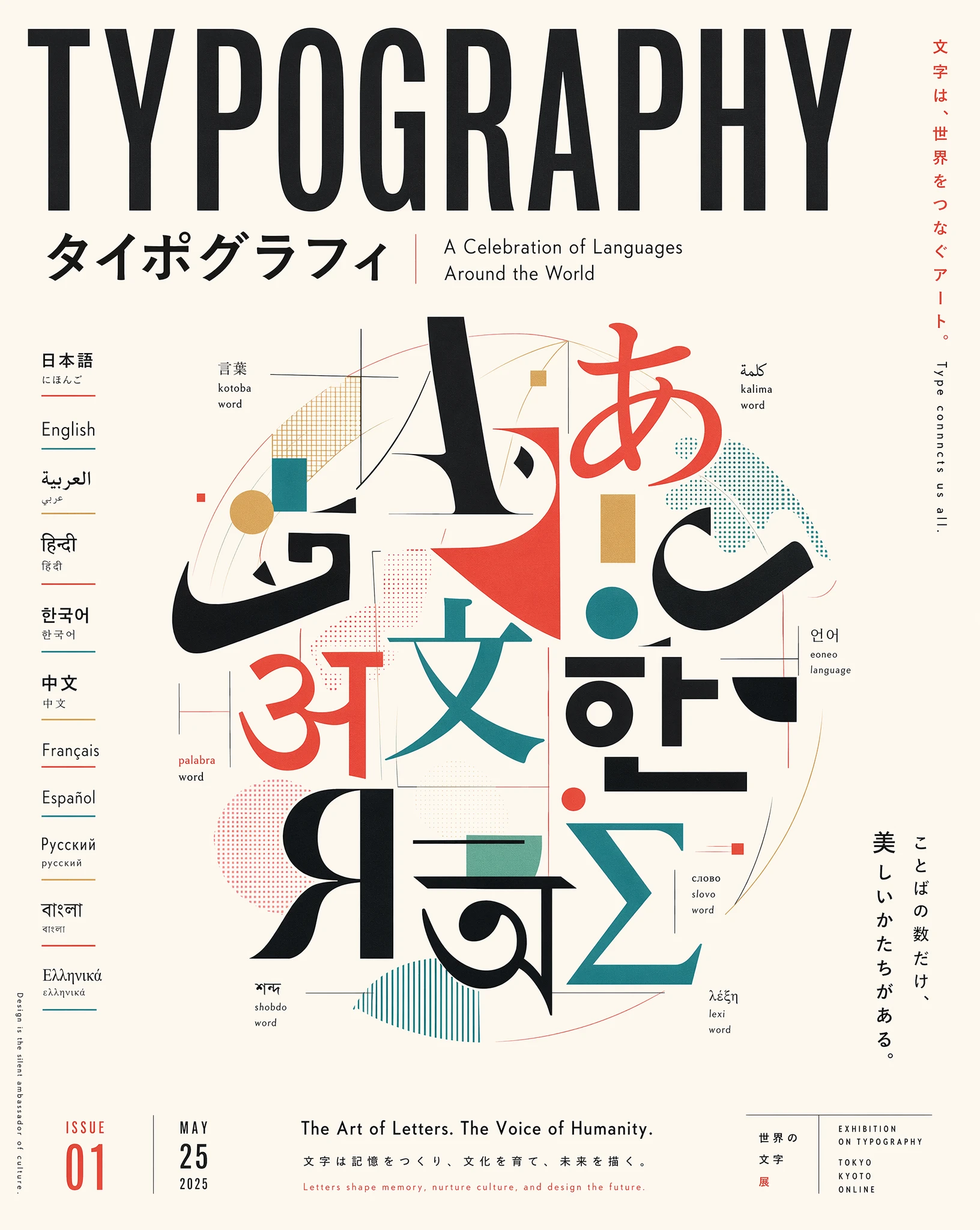
GPT Image 2 renders CJK characters with accurate glyphs and clear strokes, a clear improvement over earlier models' weakness with non-Latin scripts. It supports strong text rendering across both Latin and CJK languages.
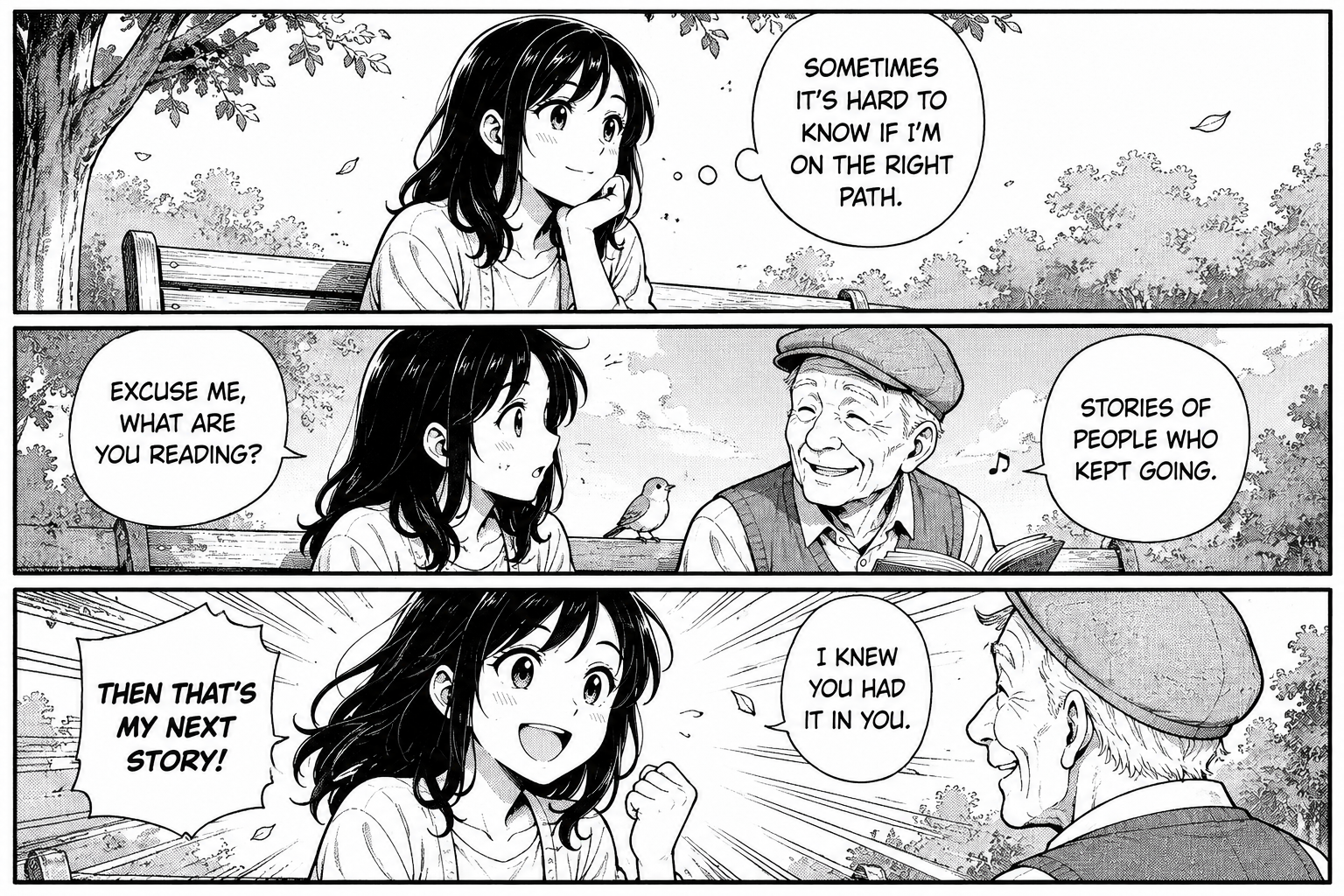
The Edit API supports precise inpainting and outpainting through mask images, so you can modify specific regions while every unrelated pixel stays untouched. This makes the GPT Image 2 API reliable for retouching, object removal, and controlled composition cleanup.
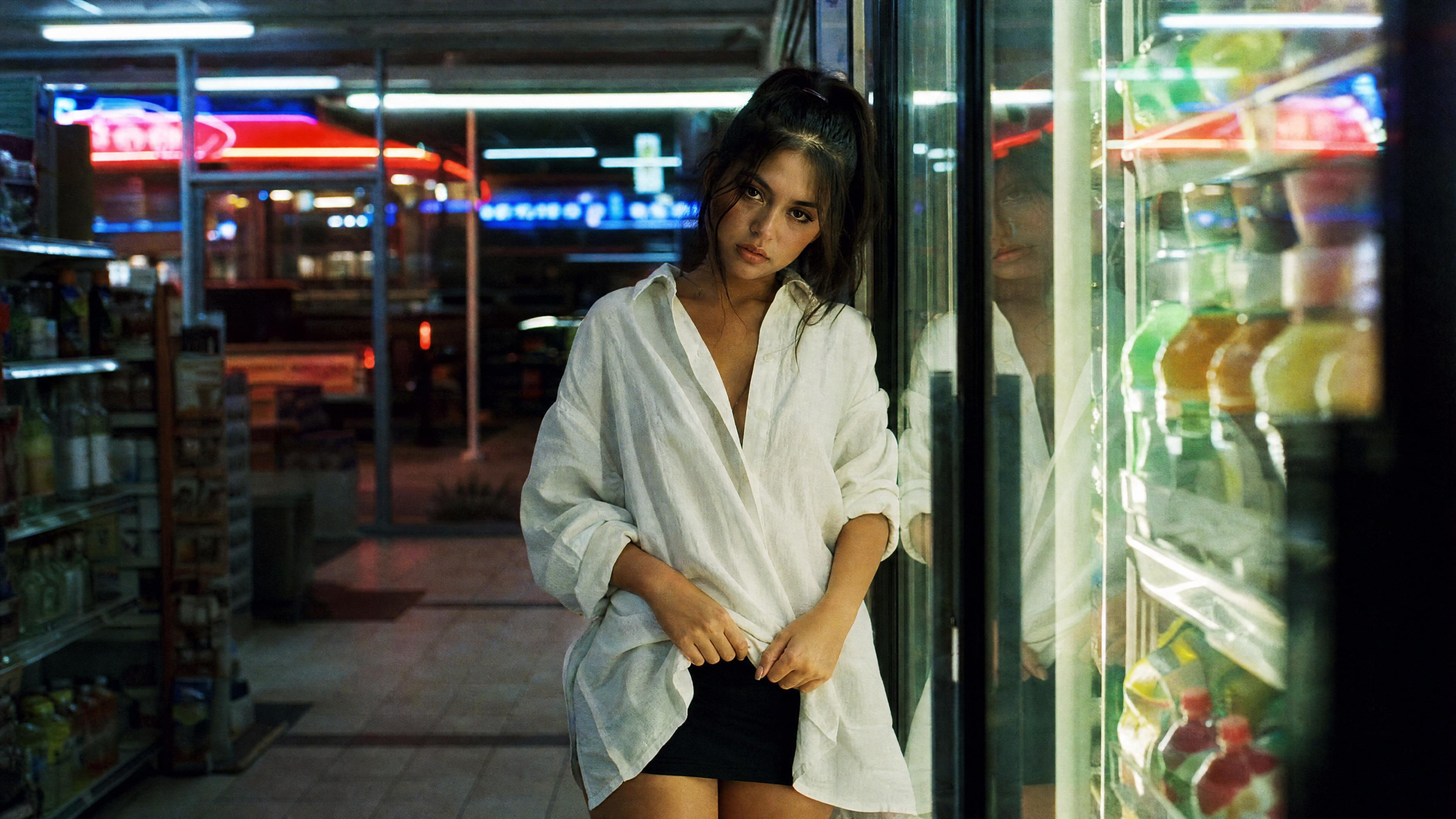
The GPT Image 2 API can combine several input images into one coherent result, guided by a natural language prompt. This supports product placement, style transfer, and consistent characters across a set of generated visuals.
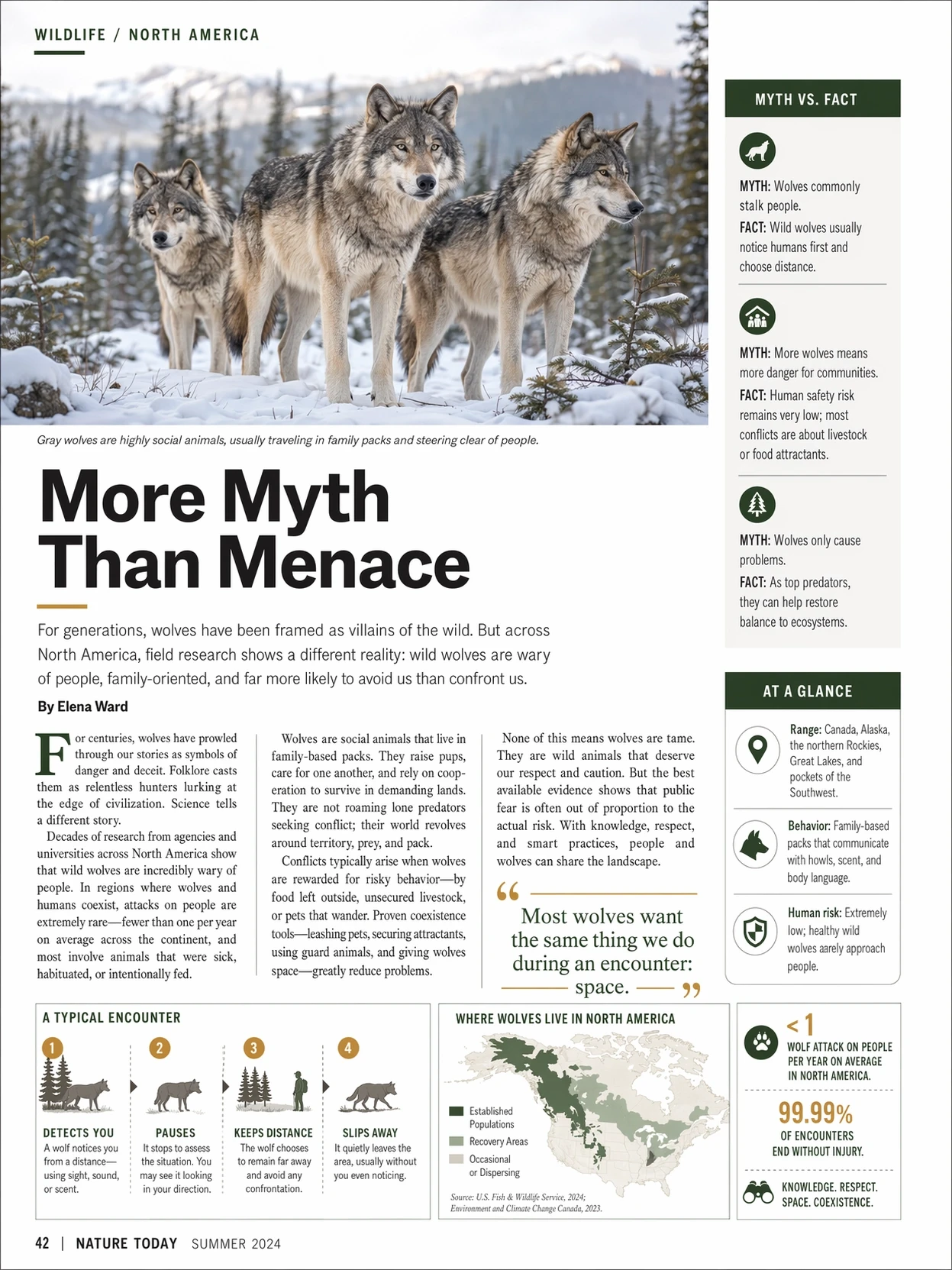
GPT Image 2 generates UI mockups and app interfaces with correctly spelled button text and clean layout structure. It suits rapid concept screens and design previews where readable on-screen text matters.
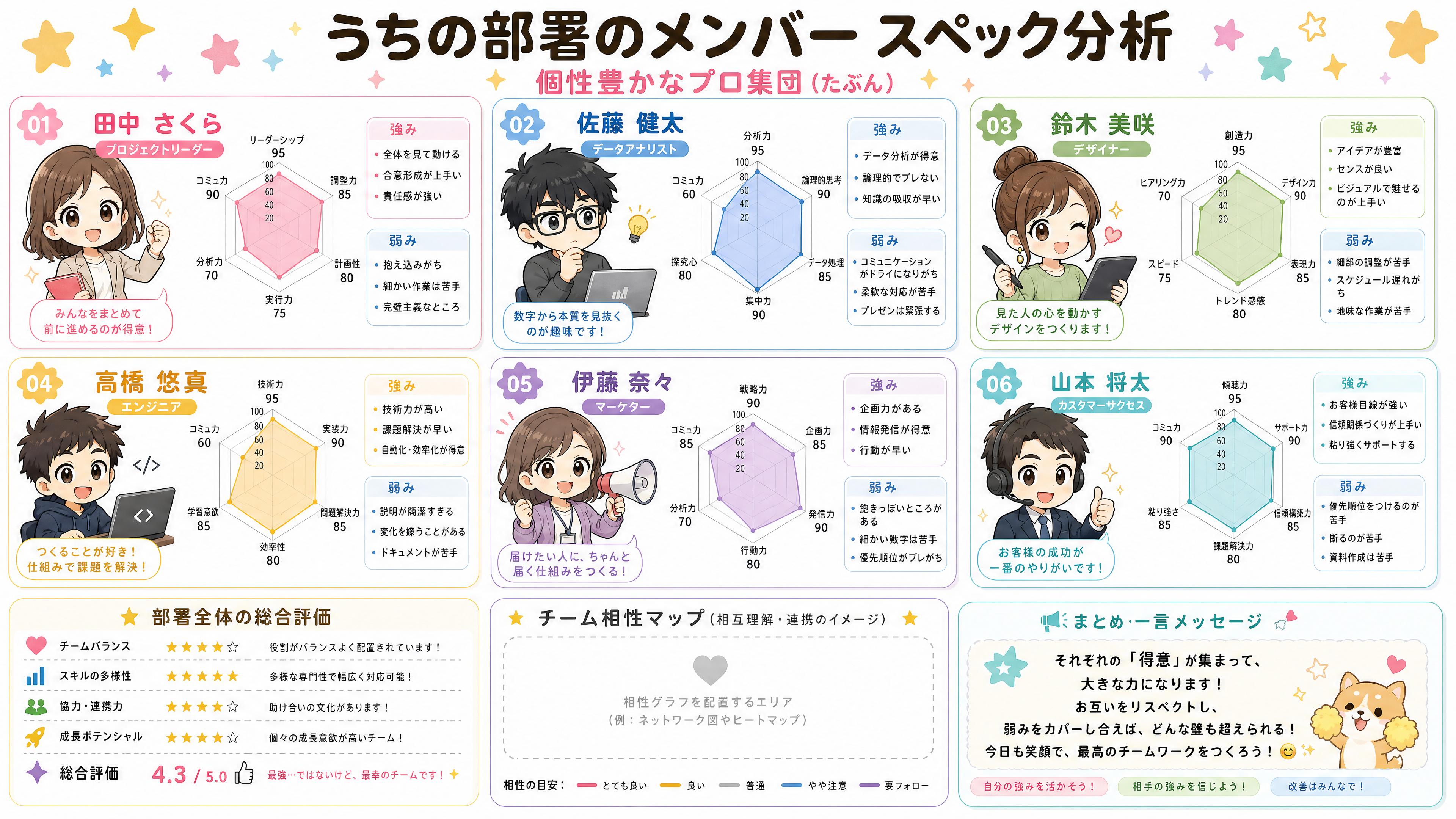
The GPT Image 2 API follows long and multi-part prompts with reliable instruction following, preserving composition, lighting choices, and fine details. The result is fewer retries and dependable output for production workflows.
Create a Japanese-language infographic titled "うちの部署のメンバー スペック分析" (Our Department Member Spec Analysis) with subtitle "個性豊かなプロ集団(たぶん)". Layout as a 2x3 grid of six member cards on a clean white background with pastel accents and star decorations. Each card features a cute chibi-style cartoon avatar and includes: member name and role in Japanese, a radar chart or bar chart showing their stats, bullet-point strengths and weaknesses in Japanese. Add a summary section at the bottom with overall team evaluation, a team compatibility graph placeholder, and a final takeaway note. Cheerful office illustration style, soft rounded UI elements, kawaii aesthetic, highly legible Japanese typography, no watermark.
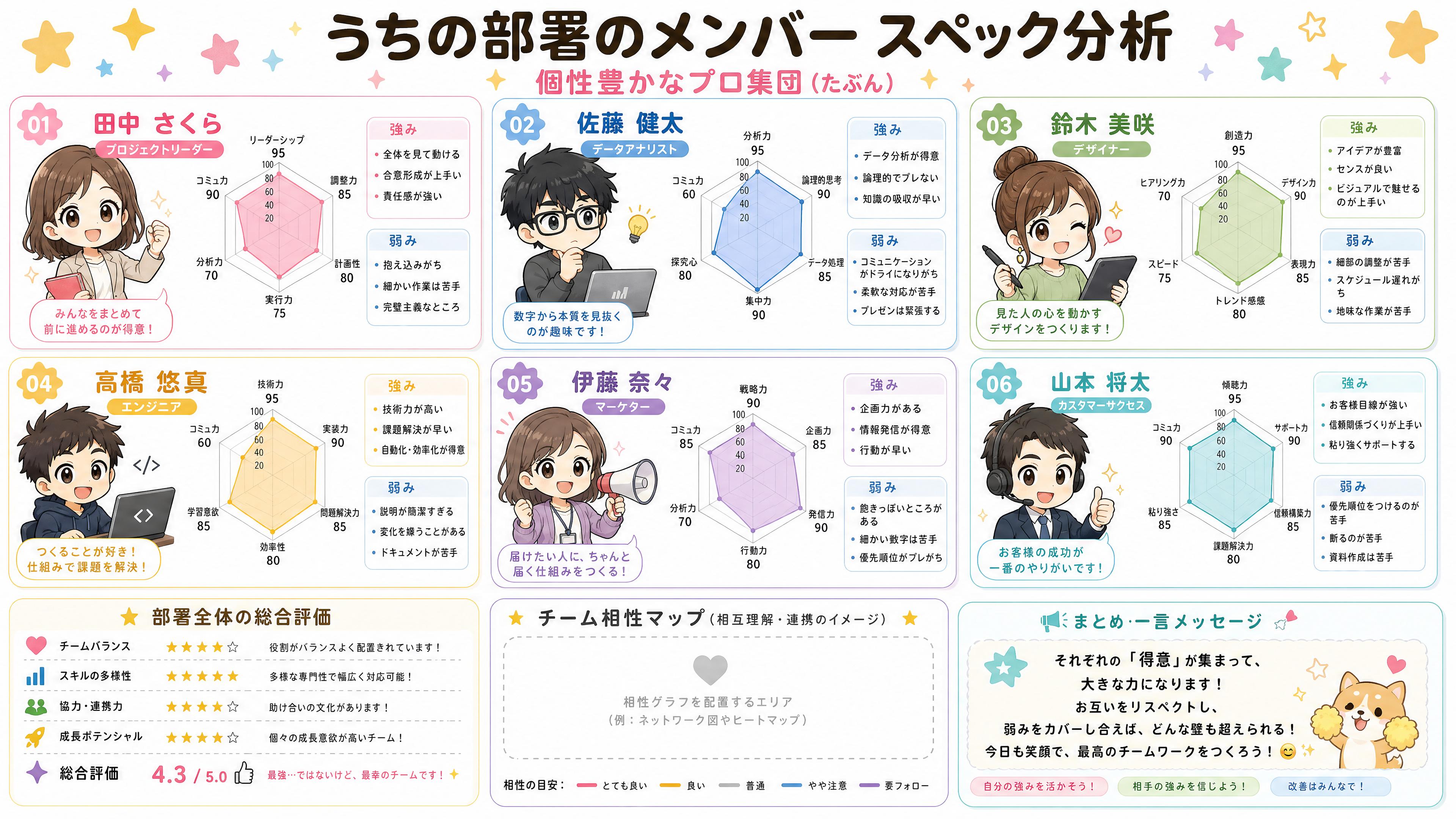
GPT Image 2
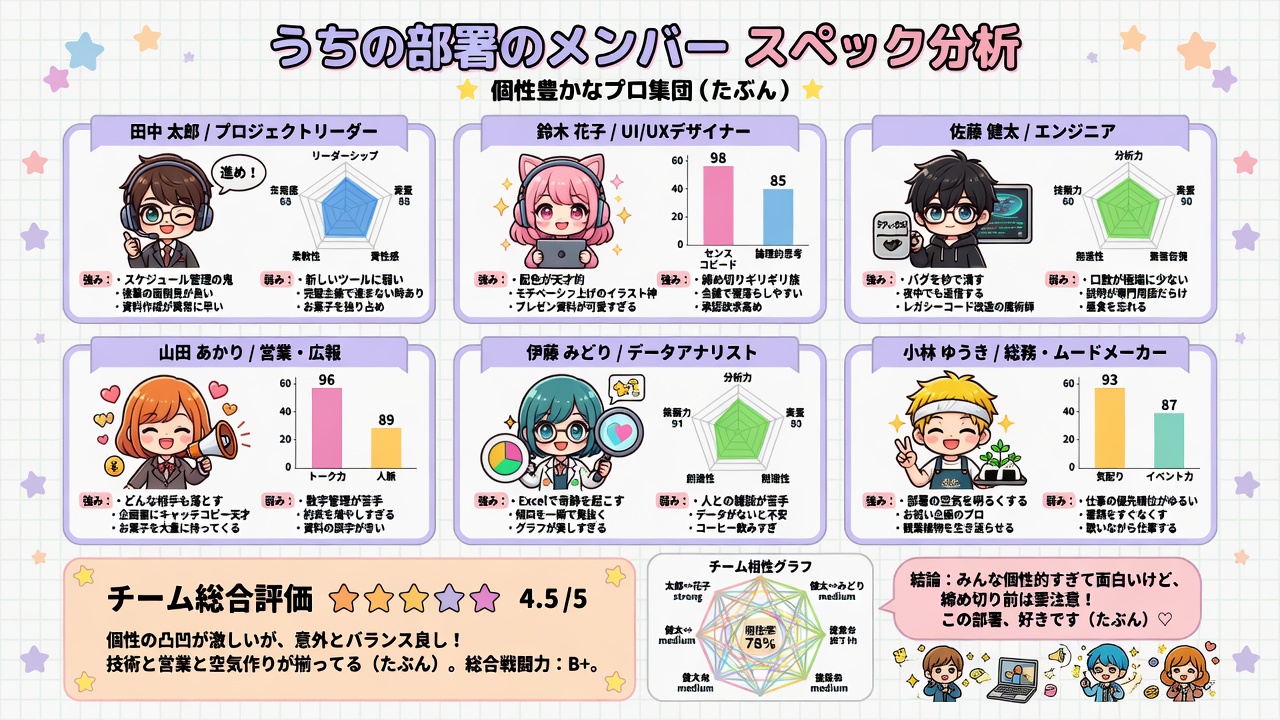
Grok Imagine
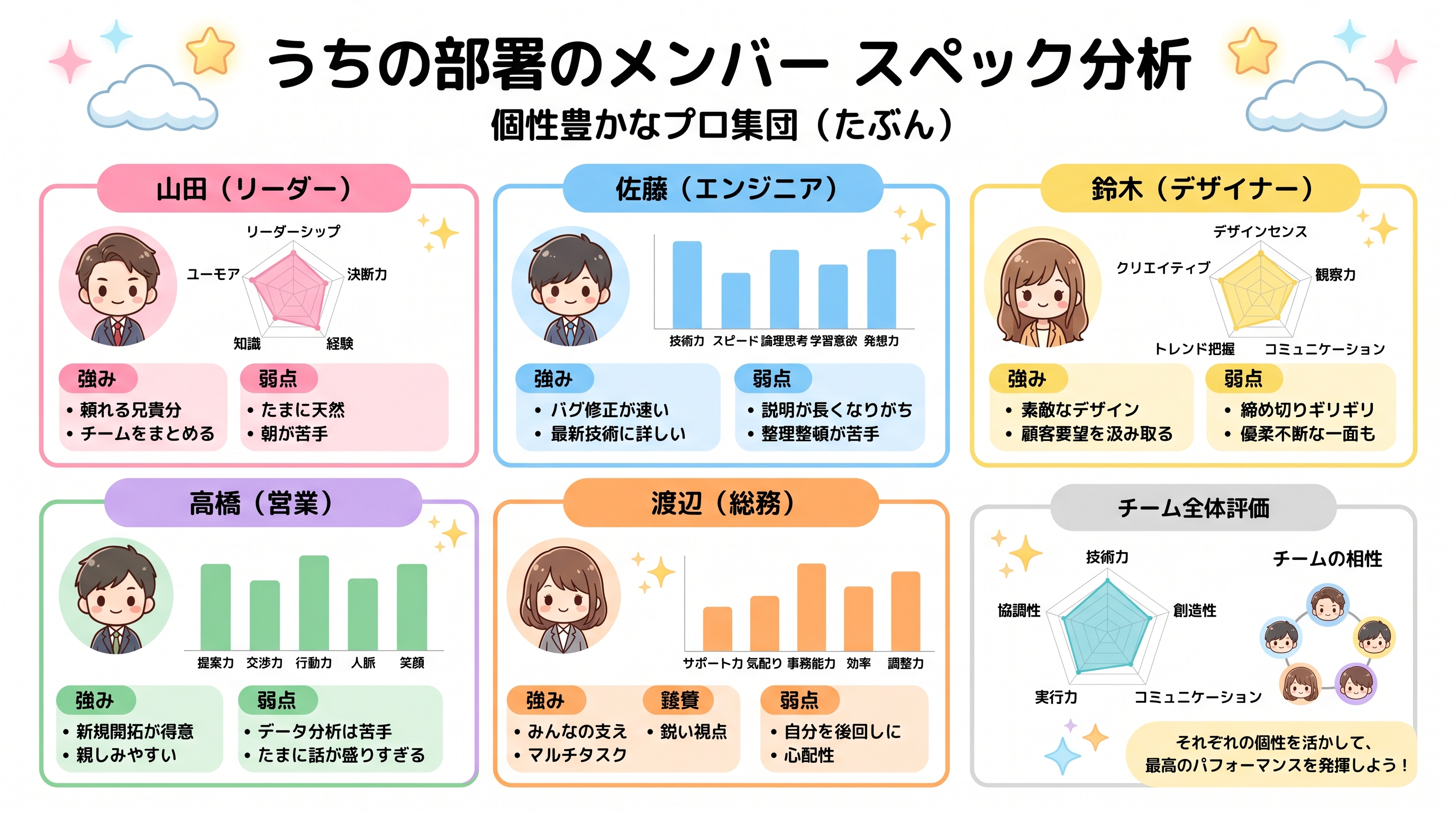
Nano Banana 2
From ad creatives and product visuals to UI mockups, localized content, and editorial infographics, see what the GPT Image 2 API can build.
GPT Image 2 is expected to be particularly strong for marketing automation — generating social media graphics, ad creatives, and email headers with accurate text, at scale. MindStudio Combined with near-perfect prompt adherence and improved photorealism, it targets production-ready campaign assets without photoshoots.
GPT Image 2 is being discussed heavily in the context of product visuals and social content where accuracy matters as much as visual quality. Dreamina The character consistency and image preservation improvements make it well-suited for scaling product catalogs, generating lifestyle imagery, and producing consistent variant sets.
UI mockups and app interfaces — with correctly spelled button text and clean layout structure — are among the use cases early testers specifically highlighted. Dzine Product teams and designers can use GPT Image 2 for rapid concept mockups, landing page visuals, and presentation assets.
Architectural and interior renders with improved depth and material realism are among the expected strong suits of GPT Image 2. Dzine The photorealism and composition improvements make it a practical tool for design presentations and property marketing.
The GPT Image 2 API renders accurate text in Chinese, Japanese, Korean, and other scripts, so you can produce signage, social posts, and branded materials that once required manual text overlay. This makes it practical to localize campaigns and build region-specific visuals at scale.
The GPT Image 2 API produces book covers, illustrated articles, infographics, and educational visuals where readable in-image text is a hard requirement. With accurate typography and structured generation for charts, diagrams, and explainers, it turns complex information into clear, shareable graphics.
See how models from different providers stack up — compare performance, pricing, and unique strengths to make an informed decision.
| Model | Reference Image Limit | Output Num | Resolution | Aspect Ratio |
|---|---|---|---|---|
| GPT Image-2 | 16 | 1-10 | Up to 2048×2048 (2K) native;4K via scaling | 1:1, 2:3, 3:2 |
| GPT Image-1.5 | 10 | 1 | 1024×1024, 1024×1536, 1536×1024 | 1:1, 3:2, 2:3 |
| GPT Image-1 | 4 | 1~10 | 1024×1024, 1024×1536, 1536×1024 | 1:1, 3:2, 2:3 |
| GPT Image-1 Mini | 4 | 1~10 | 1024×1024, 1024×1536, 1536×1024 | 1:1, 3:2, 2:3 |
| Nano Banana 2 | 14 | 1 | 512×512, 1024×1024, 2048×2048, 4096×4096 (0.5K/1K/2K/4K) | 1:1, 2:3, 3:2, 3:4, 4:3, 4:5, 5:4, 9:16, 16:9, 21:9, 1:4, 4:1, 1:8, 8:1 |
| Grok Imagine | 1 | 1-10 | 1024×1024 (1K), 2048×2048 (2K) | 1:1, 3:2, 2:3, 16:9, 9:16 |
Get started in minutes — follow these simple steps to integrate and deploy models through Atlas Cloud's platform.
Sign up at atlascloud.ai and complete verification. New users receive free credits to explore the platform and test models.
Combining the advanced GPT Image 2 models with Atlas Cloud's GPU-accelerated platform provides unmatched performance, scalability, and developer experience.
Low Latency:
GPU-optimized inference for real-time reasoning.
Unified API:
Run GPT Image 2, GPT, Gemini, and DeepSeek with one integration.
Transparent Pricing:
Predictable per-token billing with serverless options.
Developer Experience:
SDKs, analytics, fine-tuning tools, and templates.
Reliability:
99.99% uptime, RBAC, and compliance-ready logging.
Security & Compliance:
SOC 2 Type II, HIPAA alignment, data sovereignty in US.
The GPT Image 2 API gives developers programmatic access to OpenAI's GPT Image 2, the image model released in April 2026 as the successor to GPT Image 1.5 and the replacement for DALL-E 3. It generates and edits images from text and image inputs, with accurate in-image text, multilingual support, and strong photorealism. On Atlas Cloud you call it through one unified API alongside 300+ other models.
Yes. The GPT Image 2 API supports both text to image generation and image editing in a single model. Editing includes precise inpainting and outpainting with mask images, plus multi-reference compositing that combines several inputs into one coherent result.
No. GPT Image 2 is the successor to GPT Image 1.5, not DALL-E. OpenAI has moved away from the DALL-E branding entirely — both DALL-E 2 and DALL-E 3 are being shut down on May 12, 2026. The GPT Image family uses an autoregressive architecture built natively inside the language model, which is fundamentally different from the diffusion-based approach DALL-E used.
Yes. The GPT Image 2 API supports both text to image generation and image editing in a single model. Editing includes precise inpainting and outpainting with mask images, plus multi-reference compositing that combines several inputs into one coherent result.
Yes. The GPT Image 2 API renders text across Latin and CJK(Chinese, Japanese, Korean) scripts, including Chinese, Japanese, and Korean, with accurate glyphs and clear strokes. This lets you produce localized signage, social posts, and branded materials that previously required manual text overlay.
The GPT Image 2 API supports flexible image sizes and aspect ratios, with output up to 2K resolution natively and 4K available through scaling. You can request preset sizes or custom dimensions to fit social posts, banners, and print-ready assets.
No. OpenAI gates the GPT Image family behind organization verification in its own developer console, which can block individual developers. With the GPT Image 2 API on Atlas Cloud you only need an Atlas Cloud account, so you can get a key and start generating without OpenAI verification.
OpenAI bills GPT Image 2 by token, so per-image cost shifts with resolution, quality, and reference images and is hard to predict. On Atlas Cloud the GPT Image 2 API uses flat per-image pricing: text to image starts at $0.009 per image and editing at $0.01 per image, dropping to $0.004 and $0.005 on the developer tier. New users also get free credits to test before they spend.
Seedance 2.5 API is now available on Atlas Cloud! It gives developers ByteDance's newest video model. It generates up to 30 seconds of native video in a single pass from text, a single image, or as many as 50 multimodal references, with synchronized audio and in-frame multilingual text. On Atlas Cloud you reach it through one key, with subject consistency and improved physics keeping long shots coherent. (Update: Seedance 2.5 1080P API Is Available NOW!)

Wan 3.0 API is the next generation of Alibaba's Wan video family, built to push long-form generation, multi-reference control, and audiovisual quality to new heights. Atlas Cloud already hosts Wan 2.7, 2.6, and 2.5, and Wan 3.0 runs on the same unified key with no separate setup. Start building today. Scroll down to the showcase to see what Wan 3.0 can create.
MiniMax H3 is MiniMax's multimodal video family for text, image, and reference guided creation. Across supported routes, it preserves subjects from reference media, offers flexible aspect ratios, and pairs generated sound with visuals through H3 Developer, with output profiles selected by endpoint. Atlas Cloud unifies the family behind one OpenAI-compatible key with transparent pay-as-you-go pricing from the standard rate of $0.038 per second. Start building today.
The gpt-image-2.5 family from OpenAI gives developers a choice of Flare and Sunburst for production image workflows. Render at arbitrary resolutions up to 3840x2160 and select from five quality tiers, including xhigh and max, to match specific output requirements. Atlas Cloud provides ready-to-use REST inference with no cold starts and standard pricing from $0.004 per generation. Start building today.
Seedream 5.0 Pro API gives developers ByteDance's controllable image editing model on Atlas Cloud. It places edits precisely with anchors and coordinates, separates images into editable layers, fuses multiple references, and matches exact colors and materials, with multilingual text at 2K and 3K. On Atlas Cloud you reach it through one key!
Seedance 2.0 is ByteDance’s production video model for precise shot creation. Turn prompts into video, animate a first-frame image with optional last-frame guidance, or shape results with reference media and optional web search. Atlas Cloud brings these workflows into one unified API with transparent pay-as-you-go pricing and one OpenAI-compatible key. Start building today.
The Kling 3.0 API brings Kuaishou's flagship video suite to Atlas Cloud through one OpenAI-compatible key. It spans two models, Kling 3.0 for AI Director storytelling, multilingual lip-sync, and precise on-screen text, and Kling 3.0 Omni (O3) for subject and voice cloning from a short video or image. Both generate native audio in the same pass, with output up to 4K. Build cinematic narratives, global marketing, multilingual ads, and serialized character content on reliable infrastructure.
Grok Imagine Video gives developers access to xAI’s video family for creating, animating, extending, and editing clips. Generate 1 to 15 second videos from prompts, guide people, objects, or styles with up to seven reference images, and work at 480p or 720p. Atlas Cloud brings these capabilities together through OpenAI-compatible endpoints with transparent pay-as-you-go pricing. Start building today.
Vidu Q4 is Vidu's latest flagship video model, designed for image-to-video and reference-to-video generation. It can animate a single still image and create automatic scene transitions, giving developers two input paths for different product workflows. Atlas Cloud provides dedicated API endpoints with published parameter schemas at the verified standard price of $0.04 per second. Start building today.
Gemini Omni 1.1 Flash is Google DeepMind’s natively multimodal video family for flexible production workflows. Edit existing footage through text instructions, maintain visual consistency with up to 10 reference images and 3 video clips, or extend a shot in chainable segments to 40 seconds. Access every workflow on Atlas Cloud with one OpenAI-compatible API key, pay-as-you-go pricing, and Day-0 availability. Start building today.
Nano Banana 2.1 is Google's image model family built on Gemini 3.6 Flash. It delivers Pro-level generation and editing at Flash-level speed, supports natural-language edits and merges across 1 to 14 input images, and maintains consistency for up to 4 characters and 10 objects. Through Atlas Cloud, developers can access the family with one OpenAI-compatible key, reliable uptime, and Day-0 availability. Start building today.
Build with the Nano Banana 2 API, powered by Google's Gemini 3.1 Flash Image model. It generates native 4K visuals up to 4096x2304 with accurate text rendering and consistent characters across up to 14 reference images for both generation and editing. On Atlas Cloud you reach it through one unified API alongside 300+ models, with pricing from $0.04 per image, 99.99% uptime, and free credits to start.
Guides, tutorials, and product updates to help you get the most out of Atlas Cloud.



