Google's Nano Banana 2 gained massive popularity almost overnight. Within days of its release, social media feeds across every platform were flooded with hyper-detailed 3D figurines of celebrities, pets, fictional characters, and everyday people -- all generated from a single text prompt. The model's ability to turn anyone and anything into a collectible-style figurine with blister packaging, hand-painted textures, and miniature accessories hit a cultural nerve that no other image model has managed to replicate.
But Nano Banana 2 is more than a meme generator. Under the hood, it is a versatile image generation model with strong character consistency, detailed texture rendering, and the kind of stylized output that has practical applications in product visualization, game asset prototyping, marketing, and social media content. This guide covers everything developers need to know to integrate the Nano Banana 2 API into their workflows through Atlas Cloud -- pricing, Python code examples, prompt tips, and a direct comparison against Imagen 4 Ultra and other top image models.
*Last Updated: February 28, 2026*
Here are examples of what Nano Banana 2 can generate:
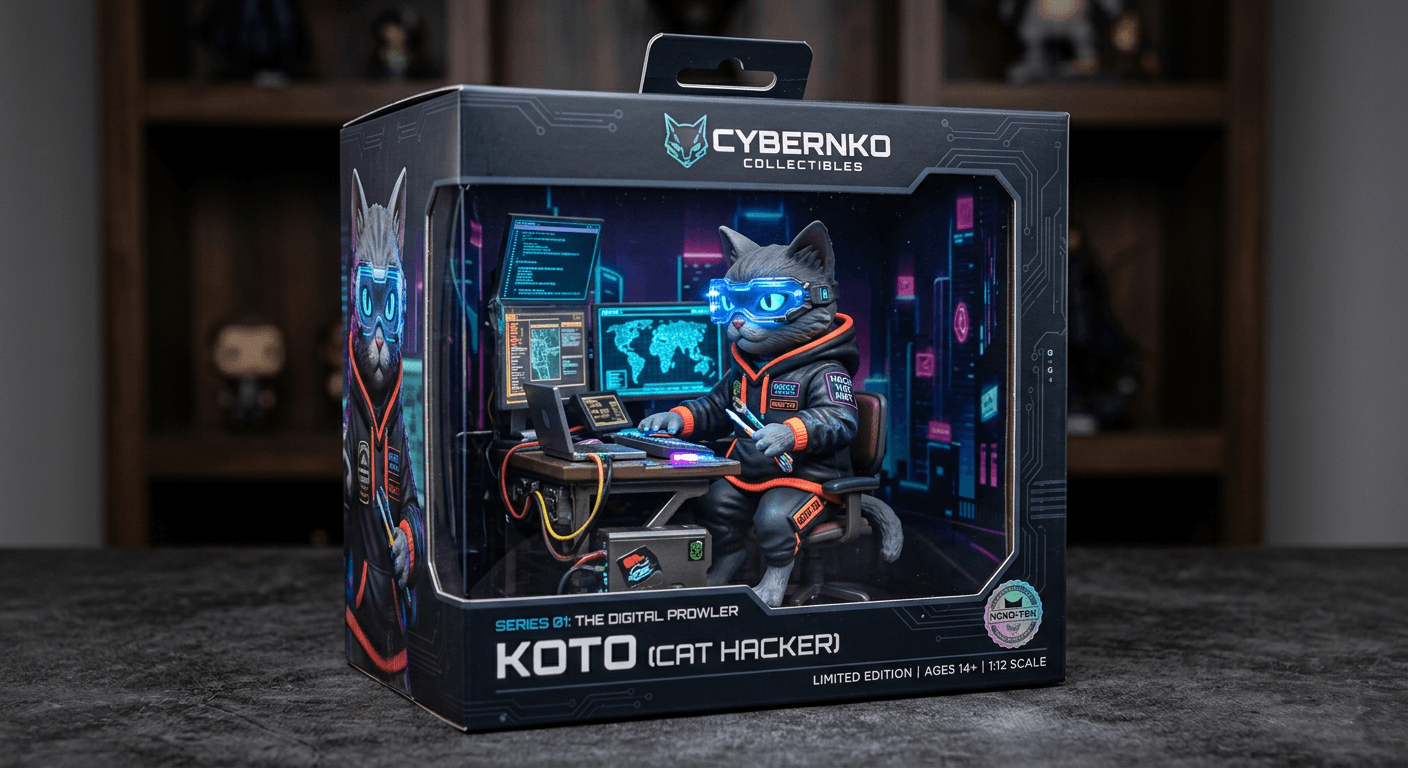

The Nano Banana 2 API is accessible via Atlas Cloud for USD0.013 per image. Atlas customers can access Nano Banana 2 as well as 300+ other models with a single API key, without needing separate accounts with Google or other providers.
Nano Banana 2 at a Glance
| Spec | Detail |
|---|---|
| Developer | |
| Model ID | `google/nano-banana-2/text-to-image` |
| Max Resolution | 4K |
| Generation Speed | Fast (~4s) |
| Core Strength | 3D figurine style, character consistency, viral social media content |
| Atlas Cloud Price | USD0.013/image |
Why Nano Banana 2 Went Viral
The figurine trend did not come out of nowhere. Several factors converged to make Nano Banana 2 the most shared AI image model of early 2026.
The 3D Figurine Effect
Nano Banana 2 generates 3D-rendered characters that look like actual collectible figurines -- the kind you would find in a toy store, complete with branded packaging, plastic blister shells, and miniature accessories. The model understands how light interacts with painted plastic surfaces, how tiny details like stitching on a miniature jacket or the gloss on a pair of sunglasses should look at that scale, and how to compose the entire scene as though it were a product photo shot with a macro lens.
This combination of material accuracy and compositional understanding is what separates it from other image models attempting the same style. You can ask DALL-E 3 or other models to generate a figurine, and the results will be competent but flat. Nano Banana 2 produces figurines that look like they belong on a shelf.
Character Consistency
One of the more technically impressive aspects of Nano Banana 2 is its ability to maintain character identity across different prompts and compositions. Describe a character once -- their clothing, hairstyle, expression, accessories -- and the model renders that character with strong consistency even when you change the pose, background, or packaging design. This makes it useful for building character sheets, creating merchandise mockups, and generating series of related images for social media campaigns.
Social Media Shareability
The figurine aesthetic has an inherent shareability factor. People see a 3D figurine of themselves or their favorite character and immediately want one of their own. This created a feedback loop where every shared image drove more people to try the model, which drove more sharing. For developers building social media tools, photo editing apps, or entertainment platforms, tapping into this viral mechanic is a significant opportunity.
Speed and Accessibility
Nano Banana 2 generates images in approximately 4 seconds, fast enough for interactive applications where users are waiting for results. Combined with the straightforward API access through Atlas Cloud, the barrier to building products on top of this model is low.
Key Features of Nano Banana 2
Stylized Character Art
Beyond figurines, Nano Banana 2 excels at stylized character rendering more broadly. Anime-influenced designs, cartoon characters, game-ready character concepts, and illustrated portraits all fall within its strong range. The model has a particular talent for rendering expressive faces at various levels of stylization, from semi-realistic to heavily exaggerated proportions.
Product Visualization
The same capabilities that make Nano Banana 2 excellent at figurine generation -- material rendering, lighting, compositional understanding -- translate well to product visualization. Mockups of physical products, concept renders, and branded merchandise previews can be generated with reasonable quality for early-stage design work and social media marketing.
Texture and Material Rendering
Nano Banana 2 demonstrates strong understanding of different material properties. Glossy plastic, matte finishes, metallic surfaces, fabric textures, wood grain, and translucent materials are all rendered with appropriate light interaction. This material fidelity is what gives its outputs the "real object" quality that distinguishes them from flatter AI-generated images.
Nano Banana 2 Pricing
Google Direct Access
Google offers Nano Banana 2 through its Vertex AI platform, which requires a Google Cloud account and is priced on a consumption basis. The onboarding process involves setting up a Google Cloud project, enabling the appropriate APIs, and configuring billing -- a process that can take significant time for teams not already in the Google Cloud ecosystem. Pricing through Vertex AI varies by region and usage tier.
Atlas Cloud API Pricing (Recommended)
The most straightforward way for developers to access the Nano Banana 2 API is through Atlas Cloud:
| Detail | Value |
|---|---|
| Model | `google/nano-banana-2/text-to-image` |
| Price | USD0.013/image |
| Queue | No wait times |
| Resolution | Up to 4K |
At USD0.013 per image with a flat rate regardless of resolution, Nano Banana 2 is one of the most affordable image generation models available. For most use cases, the default settings provide enough detail for social media sharing and product mockups.
Cost at Scale
For teams producing images at volume:
- 100 images/day: ~USD1.30/day, ~USD39/month
- 500 images/day: ~USD6.50/day, ~USD195/month
- 1,000 images/day: ~USD13/day, ~USD390/month
These rates are competitive with or below the pricing available through Google's direct platform, with the added benefit of consolidated billing across all models.
How to Access Nano Banana 2 API
Option 1: Google Vertex AI
Nano Banana 2 is available through Google's Vertex AI platform. This requires a Google Cloud account, project setup, API enablement, and billing configuration. The onboarding process is more involved than most developers prefer for a single model, and pricing is not always transparent without navigating Google Cloud's billing documentation.
Option 2: Atlas Cloud (Recommended)
For most developers, Atlas Cloud is the fastest path to production. One API key gives access to Nano Banana 2 and over 300 other models -- including Imagen 4 Ultra, Seedream v5.0 Lite, Z-Image Turbo, and all major video generation models. No separate accounts. Single billing.
Step 1: Sign up on atlascloud.ai and get your API key from the dashboard.
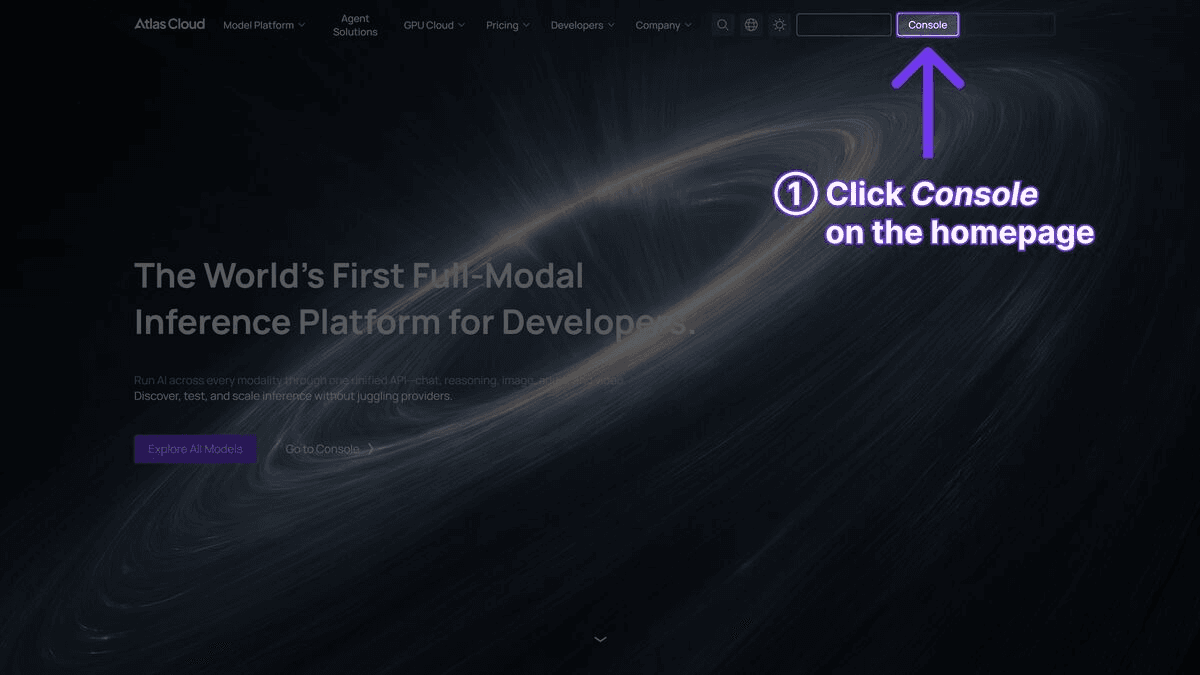
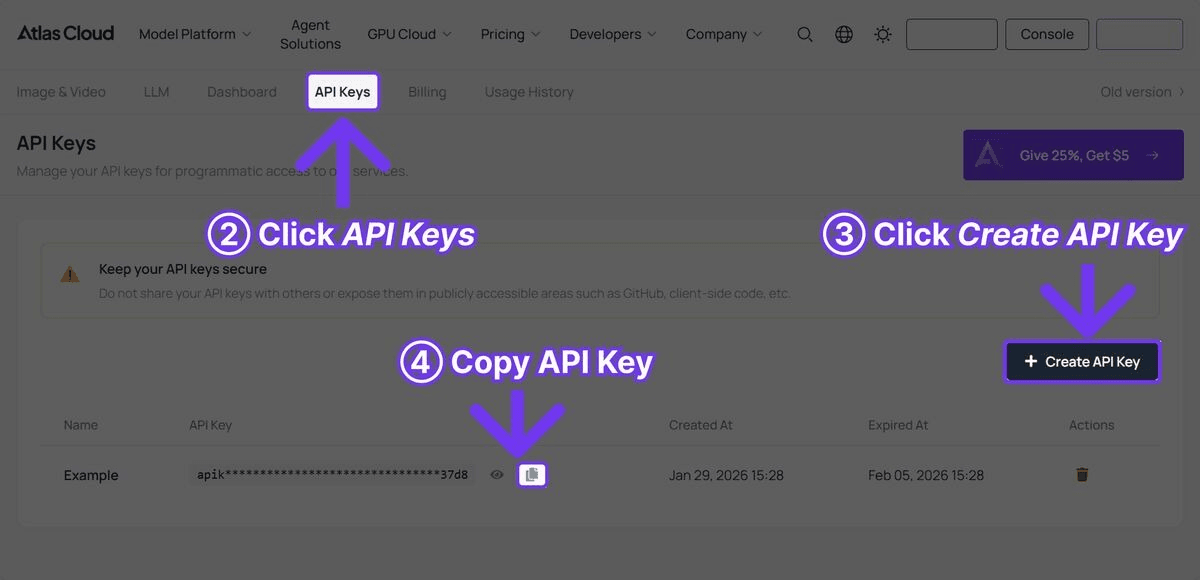
Step 2: Generate an image with Nano Banana 2 in Python:
plaintext1```python 2import requests 3import time 4 5API_KEY = "your-atlas-cloud-api-key" 6BASE_URL = "https://api.atlascloud.ai/api/v1" 7 8# Generate image with Nano Banana 2 9response = requests.post( 10 f"{BASE_URL}/model/generateImage", 11 headers={ 12 "Authorization": f"Bearer {API_KEY}", 13 "Content-Type": "application/json" 14 }, 15 json={ 16 "model": "google/nano-banana-2/text-to-image", 17 "prompt": "3D figurine of a cyberpunk samurai in blister packaging, neon blue and purple color scheme, detailed armor with glowing circuitry patterns, miniature katana accessory, collectible toy product photo, studio lighting", 18 "width": 1024, 19 "height": 1024 20 } 21) 22 23result = response.json() 24 25# Poll for results 26while True: 27 status = requests.get( 28 f"{BASE_URL}/model/prediction/{result['request_id']}/get", 29 headers={"Authorization": f"Bearer {API_KEY}"} 30 ).json() 31 if status["status"] == "completed": 32 print(f"Image: {status['output']['image_url']}") 33 break 34 time.sleep(3) 35```
Step 3: The API returns a `request_id` immediately. Poll the prediction endpoint until the status is `completed`, then retrieve the image URL from the response. Generation time is typically 3-5 seconds for Nano Banana 2.
Nano Banana 2 Prompt Tips
After extensive testing with the Nano Banana 2 API, the following prompt strategies have consistently produced the best results.
1. Specify the Figurine Style Explicitly
The model responds well to specific figurine terminology. Instead of just "a character," use phrases like "3D collectible figurine," "action figure in blister packaging," "chibi-style vinyl toy," or "hand-painted miniature." These terms anchor the model's output in specific visual conventions.
2. Describe Materials and Finishes
Nano Banana 2 excels at material differentiation. Specify "glossy painted plastic," "matte vinyl finish," "metallic chrome accents," or "translucent resin" to get distinct material treatments. The model handles these material descriptors better than most competing models.
3. Include Packaging Details
For the full figurine effect, describe the packaging: "sealed in clear blister pack," "displayed on branded cardboard backing," "inside collector's edition box with window." The packaging context adds realism and shareability to the output.
4. Use Lighting Descriptions
Studio lighting terms work well: "product photography lighting," "soft box illumination," "dramatic rim lighting," "macro lens close-up." These terms push the output toward a polished, professional look.
5. Reference Real-World Aesthetics
Phrases like "Funko Pop style," "Nendoroid aesthetic," "Hot Toys level detail," or "vintage Kenner action figure" give the model strong stylistic anchors. These references consistently produce more coherent and targeted outputs than abstract descriptions.
Example prompts that performed well in testing:
Classic figurine:
plaintext1``` 23D collectible figurine of a medieval knight in full plate armor, sealed in 3clear blister packaging with cardboard backing, hand-painted metallic silver 4and gold details, miniature sword and shield accessories, product photography, 5studio lighting on white background 6```
Character portrait:
plaintext1``` 2Stylized 3D character portrait of a female astronaut, helmet under arm, 3determined expression, space suit with mission patches, Earth visible through 4window behind her, semi-realistic Pixar-influenced style, warm cinematic lighting 5```
Product mockup:
plaintext1``` 23D rendered vinyl toy of a robot barista, matte white finish with rose gold 3accents, holding a tiny coffee cup, displayed on minimalist pedestal, 4soft gradient background, clean product photography aesthetic 5```
Nano Banana 2 vs Competitors
| Feature | Nano Banana 2 | Seedream v5.0 Lite | Z-Image Turbo | Imagen 4 Ultra |
| Developer | ByteDance | Open Source Community | Google DeepMind | |
| Max Resolution | 4K | 4704x2016 | 1024x1024 | 2048x2048 |
| Speed | ~4s | ~2-4s | ~1-2s | ~8s |
| 3D Figurine Quality | Excellent | Good | Fair | Good |
| Photorealism | Good | Good | Good | Excellent |
| Text Rendering | Fair | Good | Fair | Good |
| Price | USD0.013 | USD0.032 | USD0.01 | USD0.054 |
| Best For | Figurines + stylized art | Volume + speed | Maximum speed | Quality + realism |
Where Nano Banana 2 Wins
Nano Banana 2 is the clear leader for 3D figurine and stylized character generation. No other model matches its ability to produce figurines with realistic packaging, material-accurate surfaces, and consistent character identity. The viral social media trend around figurine generation was driven almost entirely by Nano Banana 2's unique capabilities in this space. For applications that need this specific aesthetic -- social media tools, merchandise mockup generators, entertainment platforms, character creation tools -- it is the obvious first choice.
Where Nano Banana 2 Falls Short
While Nano Banana 2 supports up to 4K resolution, it is still not the strongest choice for pure photorealism -- Imagen 4 Ultra produces more lifelike images when that is the goal. Text rendering is serviceable but not best-in-class for typography-heavy use cases.
The Practical Approach
The best strategy for most teams is to use multiple models, selecting the right one for each task. Nano Banana 2 for figurines and stylized characters. Seedream v5.0 Lite for fast, high-volume generation. Imagen 4 Ultra for maximum photorealism. Z-Image Turbo for the fastest, cheapest option. Atlas Cloud makes this multi-model approach practical with a single API key and consolidated billing across all models.
Who Should Use Nano Banana 2?
Choose Nano Banana 2 if:
- 3D figurine or stylized character generation is the primary use case. This is the model's defining strength and no competitor matches it.
- The application involves social media content where the figurine aesthetic drives engagement and sharing.
- Character consistency across multiple generations matters -- creating series, merchandise mockups, or character sheets.
- Product visualization with stylized rendering is needed for early-stage design or marketing.
- The 4K resolution ceiling is sufficient for the intended output format.
Choose Imagen 4 Ultra instead if:
- Photorealism is the top priority. Imagen 4 Ultra produces the most lifelike images of any publicly available model.
- High-resolution detail preservation (up to 2048x2048) is critical.
- The use case involves hero images, editorial content, or premium brand assets.
Choose Seedream v5.0 Lite instead if:
- Budget efficiency matters for high-volume generation. Seedream v5.0 Lite at USD0.032/image is a solid all-rounder with good text rendering.
- Speed and versatility are the primary requirements across varied content types.
Choose Z-Image Turbo instead if:
- Maximum speed and lowest cost (USD0.01/image) are the priorities.
- The workflow needs sub-2-second generation for real-time applications.
Frequently Asked Questions
How much does Nano Banana 2 cost per image?
Nano Banana 2 is priced at USD0.013 per image on Atlas Cloud.
Can Nano Banana 2 generate images other than figurines?
Yes. While the figurine trend is what made the model famous, Nano Banana 2 is a general-purpose image generation model. It handles character art, product visualization, landscape rendering, and stylized illustrations. Its particular strengths -- material rendering, lighting, and compositional understanding -- benefit all of these use cases. That said, for pure photorealism, Imagen 4 Ultra is a stronger choice.
How do I access the Nano Banana 2 API?
The easiest way is through Atlas Cloud. Sign up, get an API key, and use the model ID `google/nano-banana-2/text-to-image` in your requests. Nano Banana 2 is also available through Google's Vertex AI platform, but the onboarding process is more involved.
What resolution does Nano Banana 2 support?
Nano Banana 2 supports resolutions up to 4K. The available resolution options are 1K, 2K, and 4K, with aspect ratios including 1:1, 16:9, and others. Square format works best for figurines and product shots, while wider aspect ratios suit landscape and banner content.
Is Nano Banana 2 better than DALL-E 3 for figurines?
For figurine generation specifically, Nano Banana 2 is significantly better than DALL-E 3. The material rendering, packaging details, character consistency, and overall figurine aesthetic are more refined and convincing. DALL-E 3 can produce decent figurine images, but they lack the tactile quality and compositional precision that make Nano Banana 2's outputs look like photographs of real collectibles.
Verdict
Nano Banana 2 earned its viral status for a reason. The 3D figurine capability is genuinely a step ahead of any competing model, and the underlying strengths in material rendering and character consistency make it useful well beyond the meme-driven trend. For developers building social media tools, character creation platforms, merchandise visualization features, or entertainment applications, it is the strongest option available.
The practical takeaway: Access Nano Banana 2 alongside Imagen 4 Ultra, Seedream v5.0 Lite, and 300+ other models on Atlas Cloud. One API key. One bill. Choose the right model for each job.
────────────────────────────────────────────────────────────





