Quick Summary: ByteDance's Dreamina Seedance 2.5 is officially coming soon on BytePlus, disrupting high-end competitors like Runway Gen-4.5 and Google Veo 3.1. While traditional engines limit creators to 5–15 second clips and low-resolution upscaling, Seedance 2.5 introduces native 4K output, an unprecedented 30-second single-pass length, and a 50-asset multimodal reference framework. Check out this first-look comparison of how it shifts AI video from a random slot machine into a predictable, production-ready engine:
| Official Core Capability | Dreamina Seedance 2.5 (Preview) | High-End Competition (Runway Gen-4.5 / Veo 3.1) |
| 30-Second Video Continuity | Up to 30 Seconds in a single pass with rock-solid visual and environmental continuity. | Strict 5 to 10/15-second caps; requires heavy clip-stitching or continuous extensions. |
| 50 Multimodal Inputs | Combines up to 50 layered assets (character sheets, layouts, audio cues) simultaneously. | Restrictive asset ceilings (typically up to 12 inputs or limited to 1-3 images). |
| R2V Reference Guidance | Native R2V integration to programmatically guide complex structural scenes and physics. | Guess-and-check text prompt tracking with volatile motion control. |
| Region-Level Local Editing | Modify specific elements or swap backgrounds locally without full scene re-generation. | Burning credits to re-generate the entire frame just to fix a single misplaced asset. |
| Multilingual 4K Output | Clean, native 4K (3840x2160) video quality with multi-language prompt processing. | Native 720p/1080p/24 FPS outputs that rely on blurry upscaling algorithms for larger displays. |
This article provides a preview and first look at the model's capabilities under BytePlus's official timeline. Stay tuned for more updates.
Creators routinely spend hours stitching fragmented four-second clips only to watch character features and lighting drift apart. This specific workflow frustration is exactly what the upcoming ByteDance AI video model aims to eliminate. This preview of the Dreamina Seedance 2.5 platform highlights how it seeks to distance itself from the standard AI video generator by combining native 4K resolution, an industry-first 30-second single-pass generation length, and a 50-asset multimodal reference framework.
While historical competitors force creators into awkward clip-stitching workflows, this upcoming setup looks to shift the technology from a hit-or-miss slot machine to a predictable, production-ready AI video engine. By engineering visual continuity from the first frame to the final second, it promises to establish a highly stable ecosystem for cinematic AI video.
Why Native 4K Output is a Production Game-Changer
Blowing up a standard 1080p canvas to fit a larger display instantly exposes muddy edges and artifact smearing. This occurs because upscaling algorithms merely guess the missing pixels instead of generating genuine detail. Native 4K video quality changes this by forcing the underlying model architecture to construct fine-grained physical textures from the ground up, accurately rendering skin pores, clothing fiber, and glinting snow particles.
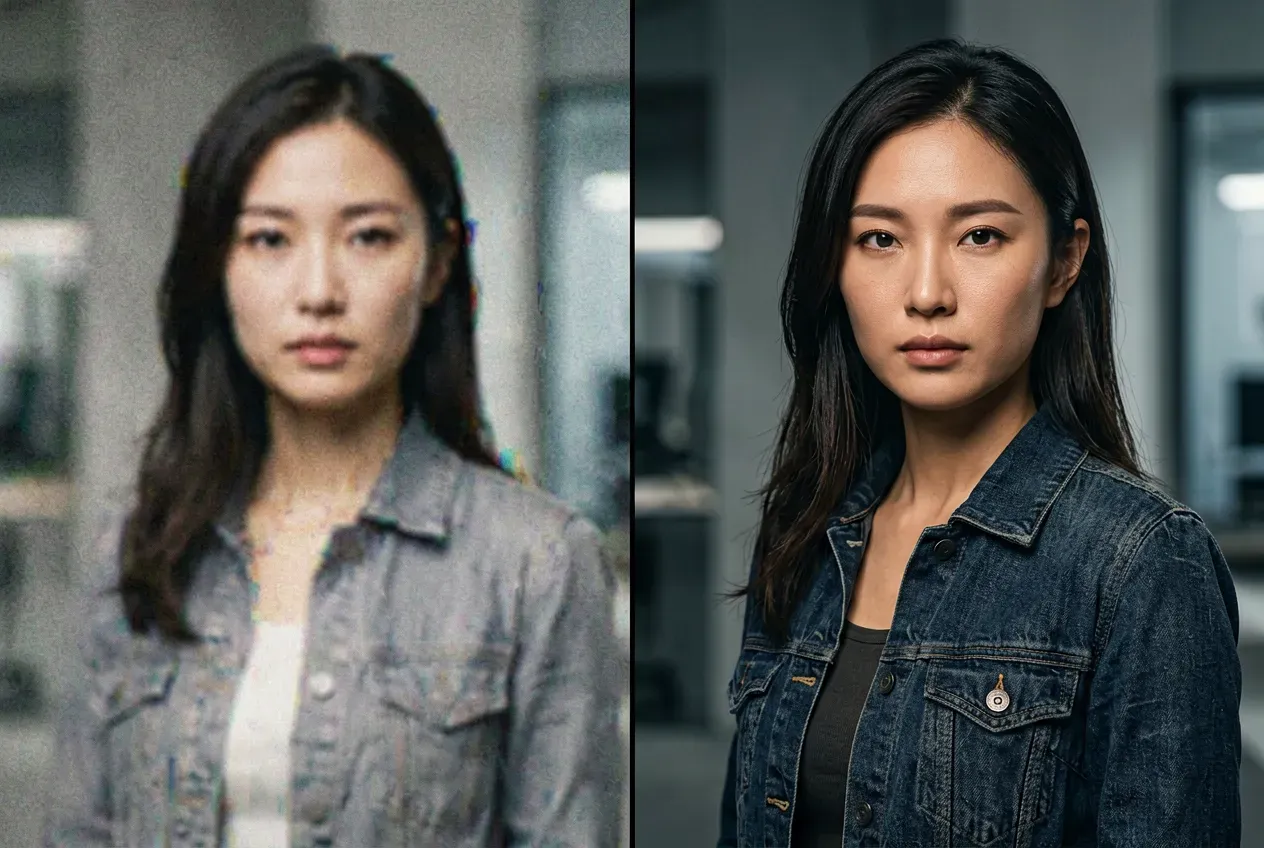
The Power of Post-Production Cropping
For real video studios, sharp high-res AI clips give you tons of freedom when editing. You can easily crop, reframe, or chop out 9:16 vertical TikToks from a single widescreen video. Best of all, everything stays super clean and crisp.
| Output Method | Visual Asset Impact | Workflow Flexibility |
| Upscaled 4K | Stretched pixels, softened edge clarity | Limited to original aspect ratio |
| Native 4K | Sharp product detail clarity, intact textures | High; allows multi-platform reframing |
Is 4K AI Video Actually Necessary for Daily Content Workflows?
The answer depends heavily on the specific resolution vs compute tradeoff of your project. High-end digital ad placements, e-commerce close-ups, and studio pre-visualization require native 4K to preserve product detail clarity on large displays. Conversely, standard 1080p generation suffices for quick social feeds where rendering speed takes priority over raw pixel density.
- Casual Social Content: Lower compute cost, fast render times, acceptable for mobile phone screens.
- Commercial Campaigns: High-fidelity output, crisp text rendering, allows punch-in zooming during post-production.
The 30-Second Single-Take: Eliminating the AI Video Clip-Stitching Problem
Gluing four-second clips together often breaks your video. The backgrounds warp, the lighting jumps, and characters suddenly change outfits mid-scene. Editors call this the clip-stitching problem. It makes matching up different shots in the editing room a total nightmare. While traditional alternatives enforce strict video length limits that top out between 5 and 15 seconds, the new standard introduces 30-second native video generation in a single processing pass.

Resolving the Continuity Bottleneck
Generating longer clips in a single pass means the model provides a unified calculation that preserves visual continuity throughout the entire runtime. This keeps environmental elements, text, and physical actions locked in position without sudden glitches or character drifting halfway through the shot.
| Metric | Industry Standard | Seedance 2.5 |
| Native Clip Duration | 5 to 15 seconds | Up to 30 seconds |
| Generation Architecture | Stitched micro-clips | Single-pass segment |
| Asset Consistency | Prone to feature drift | Coherent from first to last frame |
How Seedance 2.5 Handles Narrative Progression over Longer Runtimes
Longer clips require structured pacing to remain useful. Instead of relying on random outputs or complex software stitching, the engine manages this through Structured Visual Briefs and Storyboard Reference Control. Creators can map a comprehensive sequence—defining the subject, environment, lighting, and camera movement—while attaching up to 50 multimodal materials like camera trajectory templates or audio cues to guide the entire 30-second window.
Furthermore, instead of burning compute credits to regenerate an entire scene when a transition or minor asset fails, Seedance 2.5 introduces advanced Localized Editing (Region-Level Fixes). This allow production teams to draw precise masks over specific elements to adjust visual variations locally while keeping the surrounding 30-second native 4K runtime perfectly intact.
From Prompts to Asset Briefs: The 50 Multimodal Reference System
Typing a highly descriptive prompt often yields a character whose face or wardrobe alters with every single generation. This random variability breaks commercial workflows where maintaining strict corporate brand asset consistency is non-negotiable. Standard text-to-video platforms fail when brands require precise physical alignment because text tokens alone cannot communicate specific dimensions or color values. Seedance 2.5 addresses this gap by raising its reference asset threshold from a restrictive 12 inputs to a massive 50 multimodal reference inputs.
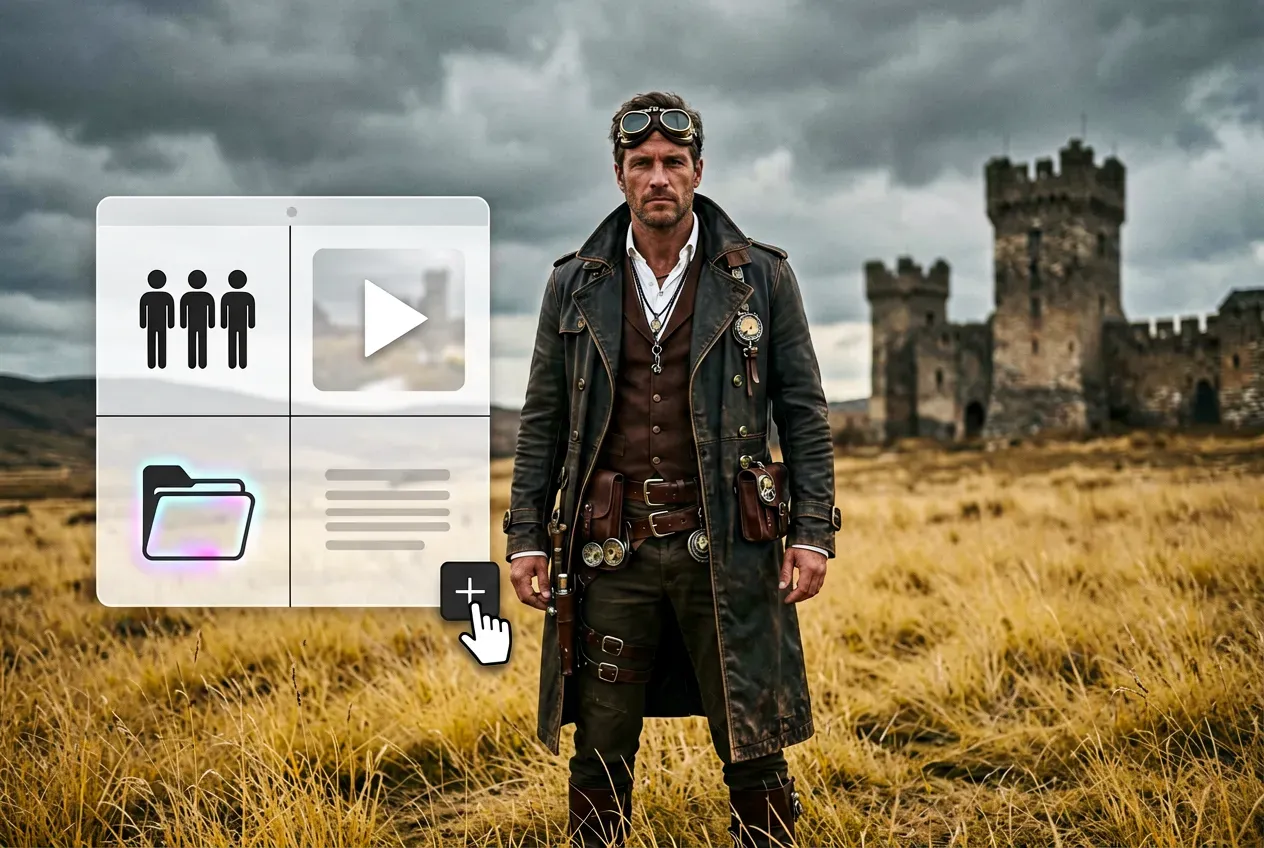
Feeding the Engine a Complete Production Kit
Instead of relying solely on text descriptions, creators can prepare an entire production asset package. This allows the generator to process distinct visual and structural layers simultaneously:
- Character Control: Use multi-angle character sheets to lock in facial features, hair textures, and clothing across varied scenes to maintain strict character consistency.
- Product Alignment: Submit actual product photos and packaging layouts to keep logos, text, and structural dimensions perfectly intact during motion—a critical feature for e-commerce and product showcases.
- Environmental Styling: Pinpoint specific lighting styles, campaign color swatches, and background aesthetics via image-to-video reference control.
- Dynamic Motion Control: Apply specific motion samples and camera trajectory templates to define exact camera movements and physics behaviors before generating.
Underlying Architecture: Unified Multi-Asset Understanding
Processing massive amounts of simultaneous reference data typically causes conflicting instructions, causing generic generators to ignore half of the inputs. Seedance 2.5 bypasses this bottleneck through a framework called Unified Multi-Asset Understanding.
Instead of treating uploaded files as isolated, competing rules, the model synthesizes them into a collective creative brief. The architecture maps how character sheets interact with product packaging while cross-referencing motion templates to calculate realistic physical movement. This cross-attention mechanism prevents prompt confusion, ensuring the final output matches the brand's production brief precisely.
Head-to-Head: How Seedance 2.5 Compares to Top AI Video Models
Waiting indefinitely for a short, silent clip only to find out the characters ignored half your structural brief makes professional scaling impossible. This tedious guess-and-check cycle remains a primary bottleneck in digital studio settings. While historical options lean heavily on random text generation or low-resolution outputs, choosing the best professional AI video generator requires reviewing the core engineering layers that affect daily editorial speed.
A technical sneak peek at Seedance 2.5 vs the competition reveals how this upcoming update aims to change the production math. For example, traditional platforms often struggle with complex character actions, whereas previews show the ByteDance engine leverages specialized training data to execute precise human walk cycles and camera motion tracks. The following breakdown offers a first look at how these operational structures are expected to compare head-to-head based on official announcements.
| Feature Layer | Dreamina Seedance 2.5 (Preview) | High-End Competition (Runway Gen-4.5 / Veo 3.1) |
| Max Native Duration | 30 Seconds (Single take, no seam stitching) | 5 to 10 Seconds (Requires continuous extensions) |
| Native Resolution | True 4K (3840x2160) | Native 720p/1080p (Upscaling required for 4K) |
| Reference Asset Ceiling | Up to 50 combined assets (Multimodal) | Up to 12 inputs (Frequently limited to single image) |
| Integrated Audio Engine | Native synchronized audio & dialog timing | Often silent output (Requires third-party workflow) |
| Spatial Planning | Pre-generation 3D White-Model support | Guess-and-check text prompt generation |
Architectural Shifts in Scene Control
The core variance lies in spatial control and asset tracking. When analyzing generic AI motion or reviewing a Google Veo 3.1 comparison, creators often encounter strict limits regarding how many brand guidelines can guide a single canvas. This upcoming model looks to bridge that gap in two major production vectors:
- Pre-Visualization (First Look): Based on the official preview, Seedance 2.5 is set to support untextured 3D white-model imports. This allows editors to map out camera angles and spatial blocking before spending compute resources on final renders.
- Audio Integration (Preview Capability): Visual actions are engineered to sync directly with footsteps, dialog timing, and environmental ambient sounds in a single processing pass, eliminating the typical silent-output bottleneck.
Status Update: The platform's capabilities are currently showcased in a preview demo. The full integration and API services provided by BytePlus are coming soon. Stay tuned for the official launch dates and access rollouts.
Precise Local Editing: From "Random Generation" to "Director-Level Control"
Burning through computational credits to regenerate an entire 30-second scene just because a character's jacket color is incorrect wastes valuable budget. This specific inefficiency stalls automated marketing pipelines, forcing creators to either accept a flawed asset or gamble on an entirely new generation.
To address this industry roadblock, the Seedance 2.5 architecture, which officially launched on July 31, 2026, introduces advanced Localized Editing alongside spatial tools, turning AI generation into a predictable pipeline.
1. Region-Level Localized Adjustments
Instead of holistic re-generation, previews show that the model allows editors to isolate specific elements within a frame. According to official workflows, this capability is engineered for seamless post-production corrections:
- Targeted Revisions: Fix a drifting logo, adjust a misplaced prop, or tweak clothing textures without triggering global lighting shifts or changing the core character features.
- Background Modifications: Swap or adjust environmental backdrops while keeping the main subject’s position and frame-by-frame motion consistency perfectly intact.
- Pixel Preservation: The architecture executes these changes locally, leaving the surrounding native 4K pixels entirely untouched, which minimizes retry cycles and protects your rendering budget.
2. Pre-Visualization via 3D White-Model Support
The most expensive part of professional video production is trial-and-error rendering. For advanced spatial planning, the Seedance 2.5 platform is set to support untextured 3D White-Model imports, shifting the creative process toward traditional studio pre-visualization:
- Spatial Blocking: Production teams can upload raw geometric shapes or low-fidelity layouts to map out exact camera angles, spatial blocking, and perspective grids before rendering high-fidelity video.
- Composition Locking: This pre-generation layer ensures that the final AI output aligns perfectly with a brand's commercial composition and perspective requirements.
- Efficiency Gains: By validating blocking and camera trajectories in a low-compute pre-vis stage, digital studios can eliminate the typical "prompt-guessing" cycle.
Production Impact: These features are designed to transform AI video from an unpredictable novelty into a layer-based, professional tool. For teams managing enterprise-level marketing, the ability to iterate on local components—rather than regenerating whole clips—is the decisive factor in moving toward scalable, repeatable video output.
Note: These advanced capabilities are powered by BytePlus's underlying API services. For current video automation needs, enterprise teams can instantly deploy Atlas Cloud active Google Veo 3.1 and Seedance 2.0 pipelines.
Conclusion: Should Your Production Studio Prepare for Seedance 2.5?
No need to just prepare — it’s here. Seedance 2.5 is now live on Atlas Cloud, so the native-4K, 30-second, 50-reference workflow described above is something you can run in production today.
Struggling with mismatched clip lighting or watching a character's clothing morph across standard five-second segments completely derails an editing timeline. The ultimate cost of generating video with artificial intelligence isn't just server tokens; it is the human hours lost rewriting text prompts to patch broken transitions.
The Seedance 2.5 update, launched on July 31, 2026, directly targets precise production limitations. Resolving the traditional bottlenecks of duration caps, resolution loss, and character drift is engineered to protect your studio overhead by cutting out heavy post-production corrections.
Analyzing the Production Impact
Evaluating how this next-generation system stabilizes standard creative operations helps map clear studio metrics:
- Time Efficiency: Generating complete, single-pass clips is set to eliminate time spent assembling and blending micro-segments.
- Financial Returns: Lower retry rates through granular reference packages directly improve your overall AI video ROI.
By addressing these specific operational problems simultaneously, the upcoming engine looks to move the technology out of the experimental novelty phase. For professional video production workflows that require predictable, high-fidelity deliverables for multi-platform ad campaigns or cinematic pre-visualization, tracking this upcoming framework provides a stable baseline for modern media assembly.