오후 11시 40분, 마감은 자정이고, 자기소개서 입력란은 지원서의 마지막 빈 칸이다. ChatGPT 자기소개서는 1분 안에 그 칸을 채운다. 그 편지를 보낼 가치가 있는지 여부는 거의 전적으로 그 위에 입력한 여섯 줄에 달려 있다.
이 가이드는 그 여섯 줄을 담은 프롬프트 하나를 제시하고, 동일한 브리프를 프롬프트가 전혀 필요 없는 4개 필드 도구에 적용하여 두 초안을 비교할 수 있게 해준다.
함께 다루는 내용: 채팅창에 절대 넣지 말아야 할 것, 거의 50만 명의 구직자를 대상으로 한 현장 실험이 AI 지원 지원서에 대해 발견한 것, 기계가 만든 초안을 드러내는 문구, 그리고 자기소개서와 혼동되기 쉬운 의향서까지. AI 자기소개서가 주로 잘못되는 지점이 입력이므로, 입력부터 시작한다.

핵심 요약
- ChatGPT는 사용자가 제공한 정보, 즉 역할, 회사, 구체적인 성과 두세 가지, 그리고 원하는 결과를 바탕으로만 쓸 수 있는 자기소개서를 작성한다.
- 단어 수 제한, 어조, "상투적 문구 금지" 항목이 있는 구조화된 프롬프트 하나가 서른 개의 목록보다 낫다. 초안이 당신의 것이 되는 것은 두 번째 턴에서다.
- Atlas Cloud의Free AI Letter Writer는 동일한 브리프를 프롬프트 작성 없이 네 개의 필드만으로 서식화된 자기소개서로 바꿔준다. 입력한 내용으로 작동하며 이력서를 읽거나 채용 공고를 검색하지 않는다.
- 거의 50만 명의 구직자를 대상으로 한 현장 실험에서 AI 작성 도움은 고용주의 만족도 하락 없이 채용률을 8% 높였다. 구직자에게 손해를 입히는 것은 상투적인 문구다.
- 도로명 주소, 연봉 이력, 추천인의 전화번호는 어떤 채팅창에도 넣지 않는다. 편지에 필요하지 않으며, ChatGPT의 임시 채팅은 나머지 내용이 학습에 사용되지 않게 한다.
ChatGPT가 자기소개서를 쓰기 전에 필요한 것
채팅을 시작하면 ChatGPT는 당신에 대해 아무것도 모른다. 편지의 모든 문장은 프롬프트에서 나와야 하며, 사실이 없는 부분은 모델이 형용사로 채운다. 그래서 많은 AI 자기소개서가 "passionate"로 시작하고 "valuable asset"으로 끝나는 것이다. 아무도 모델에게 더 구체적으로 말할 내용을 주지 않았기 때문이다.
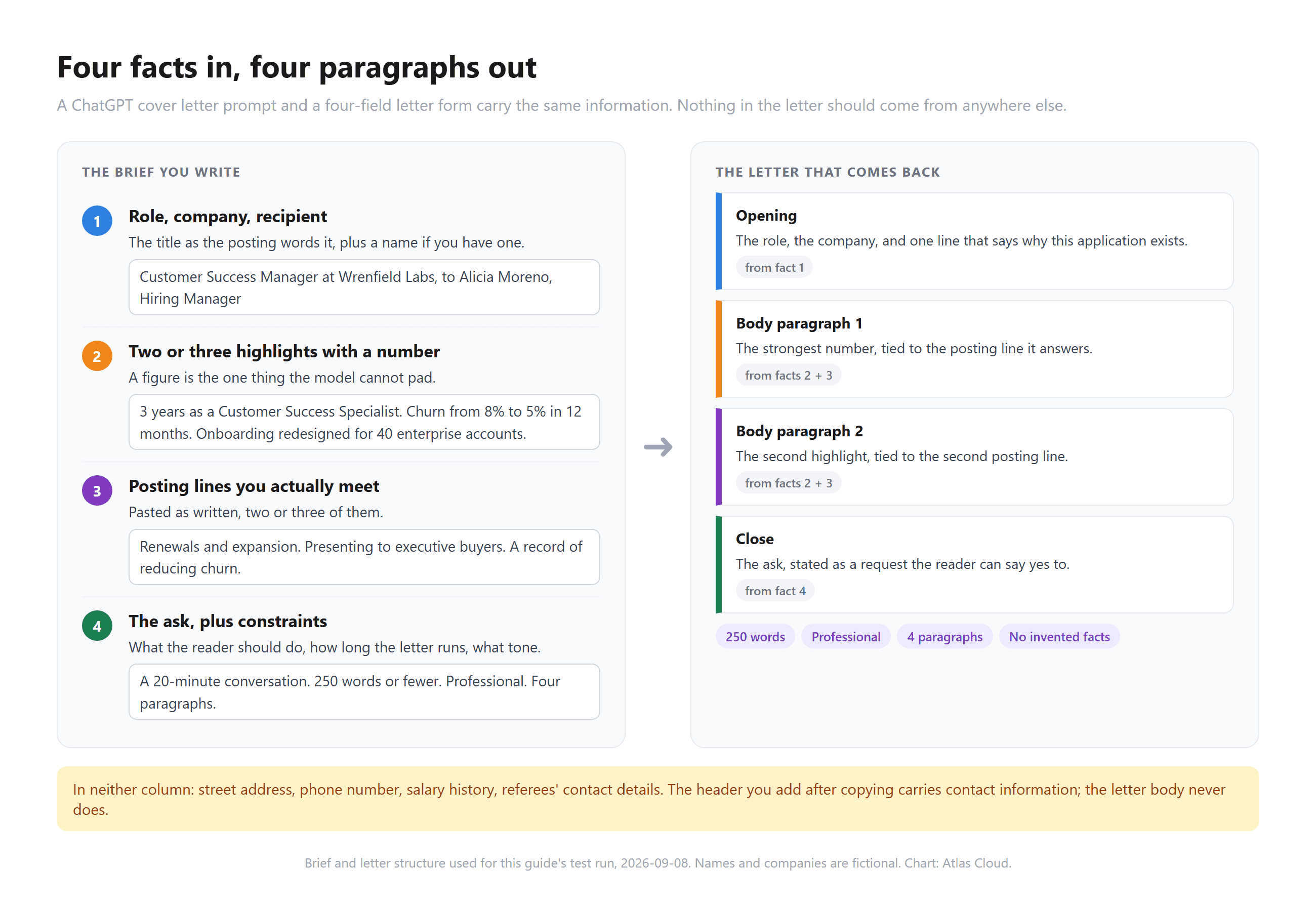
네 가지 사실이면 충분하다. 채팅을 열기 전에 적어두라.
- 역할(공고에 적힌 대로)과 회사. "Wrenfield Labs의 Customer Success Manager"는 첫 문장과 파일 이름에 들어간다. 수신자 이름이 공고나 빠른 검색으로 확인되면 여기에 적는다.
- 숫자가 딸린 성과 두세 가지. 해당 직무 경력 3년. 12개월 만에 고객 이탈률을 8%에서 5%로 낮춤. 엔터프라이즈 계정 40개를 위한 온보딩 재설계. 숫자가 있으면 모델이 내용을 부풀릴 여지가 없다.
- 공고 요건 중 실제로 충족하는 것. 두세 줄을 원문 그대로 붙여넣는다. 모델은 이를 보고 어떤 성과가 어떤 요건에 응답하는지 정한다.
- 요청 사항과 제약 조건. 20분 대화. 250단어 이하. 전문적인 어조, 4개 단락.
아래 인포그래픽은 각 사실이 완성된 편지에서 어디에 해당하는지 보여준다. 오른쪽 열의 모든 것은 왼쪽 열의 어떤 것으로 거슬러 올라간다. 초안의 문장이 그렇지 않다면 모델이 지어낸 것이다.
이력서를 업로드하고 전체 공고를 붙여넣을 수도 있다. OpenAI의 관련 작업 안내에 따르면 도구가 둘 다 직접 허용한다. 업로드는 타이핑을 줄여준다. 그러나 도로명 주소, 전화번호, 이력서 헤더에 있는 다른 모든 정보도 넘어간다. 먼저 헤더를 제거하거나 세 가지 성과를 직접 입력하라. 그 이유는 다음과 같다.
채팅창에 붙여넣지 말아야 할 것
자기소개서 본문에 주소, 전화번호, 이전 직장 급여를 적을 이유는 없다. 그런 세부 정보는 이후에 추가하는 헤더, 지원서 양식, 또는 몇 주 후의 연봉 협상에 들어간다. 편지에 필요 없다면 채팅창에도 필요 없다.
| 세부 정보 | 편지에 필요한가? | 대신 어떻게 할 것 |
|---|---|---|
| 도로명 주소, 전화번호, 개인 이메일 | 아니요. 복사 후 추가하는 헤더에 들어간다. | 프롬프트에 아예 넣지 않는다. |
| 연봉 이력 또는 기대 연봉 | 아니요. 자기소개서는 급여를 적지 않는다. | 협상 때를 위해 남겨둔다. |
| 추천인의 이름과 전화번호 | 아니요. 추천인은 요청 시 별도 페이지에 제공한다. | "references available"은 어디에도 쓰지 않는다. 편지에 그 줄은 필요 없다. |
| 현재 직장의 기밀 수치 | 아니요. 공유할 수 있는 결과만 사용한다. | 이력서에 있는 그대로 수치를 인용하거나, 상대적인 변화로 설명한다. |
| 채용 공고 텍스트 | 예, 응답할 두세 줄. 공개된 텍스트다. | 그 줄들만 붙여넣고 복리후생에 대한 상투적인 내용은 건너뛴다. |
| 이력서 | 성과 두세 가지만 필요하다. | 직접 입력하거나, 헤더를 제거한 상태로 업로드한다. |
붙여넣은 내용이 어떻게 처리되는지는 두 가지 설정이 결정한다. ChatGPT의 임시 채팅 FAQ에 따르면: "임시 채팅은 저장을 선택하지 않는 한 기록에 나타나지 않습니다. ChatGPT는 저장되지 않은 임시 채팅에서 기억을 생성하지 않습니다. 안전을 위해 최대 30일간 사본을 보관할 수 있습니다."
동일한 도움말 센터는 임시 채팅이 OpenAI의 모델 학습에 사용되지 않는다고 명시한다. 일반 채팅 기록을 유지하고 싶다면 데이터 제어 페이지에 '모두를 위한 모델 개선(Improve the model for everyone)' 토글이 있다. 이 토글을 끄면 도움말 센터는 "대화는 채팅 기록에 계속 표시되지만 ChatGPT 학습에는 사용되지 않습니다"라고 말한다.
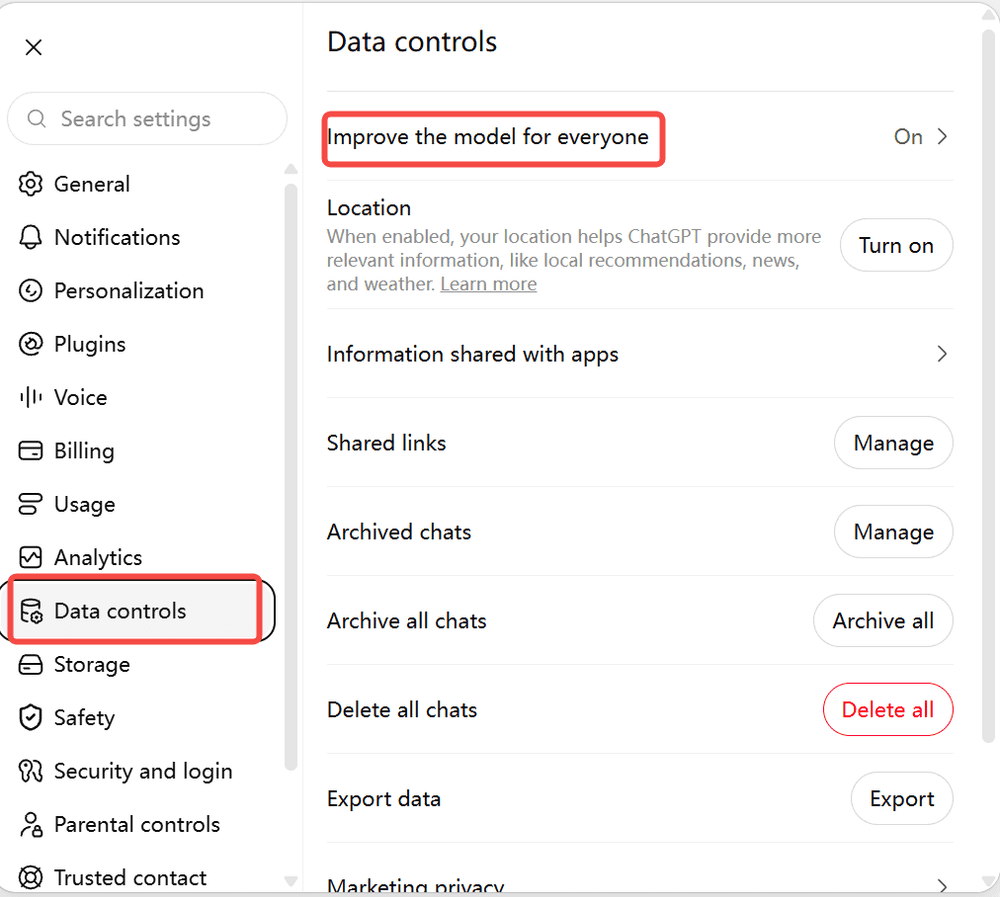
같은 규칙은 두 섹션 아래에 나오는 도구를 포함한 모든 편지 작성 도구에도 적용된다. 편지에 필요한 것만 입력하고 그 이상은 넣지 말라.
ChatGPT 자기소개서 프롬프트 단계별 가이드
아래 프롬프트는 네 가지 사실을 하나의 메시지로 작성하고 제약 조건을 힌트가 아니라 규칙으로 명시한 것이다. 자신의 세부 정보로 바꾸고 규칙은 유지하라.
- 임시 채팅을 열거나, 모델 학습을 껐다면 새 일반 채팅을 연다.
- 아래 프롬프트에 자신의 사실을 채워 붙여넣는다.
- 초안을 네 가지 사실과 대조해 읽는다. 초안의 모든 숫자는 직접 입력한 것이어야 한다. 모델이 언급한 적 없는 고객 이름, 시작 날짜, 기술을 추가했다면 그 문장을 삭제한다.
- 두 번째 턴을 실행해 문구를 수정한다. 재작성 프롬프트는 문구 판별 섹션에 있다. 그곳에서 수정 사항을 설명하기 때문이다.
plaintext1Write a cover letter for the Customer Success Manager role at Wrenfield Labs, addressed to Alicia Moreno, Hiring Manager. 2 3About me: three years as a Customer Success Specialist at Tallgrass Software, a B2B SaaS company. Over 12 months I brought customer churn down from 8% to 5%. I led the redesign of the onboarding process for 40 enterprise accounts. 4 5The posting asks for: experience with renewals and expansion, comfort presenting to executive buyers, and a track record of reducing churn. 6 7Rules: 250 words or fewer. Professional tone, plain English. Four paragraphs: an opening, two body paragraphs, a close. Do not open with a sentence that says I am writing to express my interest. Do not use the words passionate, leverage, dynamic, or synergy. Do not invent facts, numbers, or names. Close by asking for a 20-minute conversation. Leave the address block and the date to me.
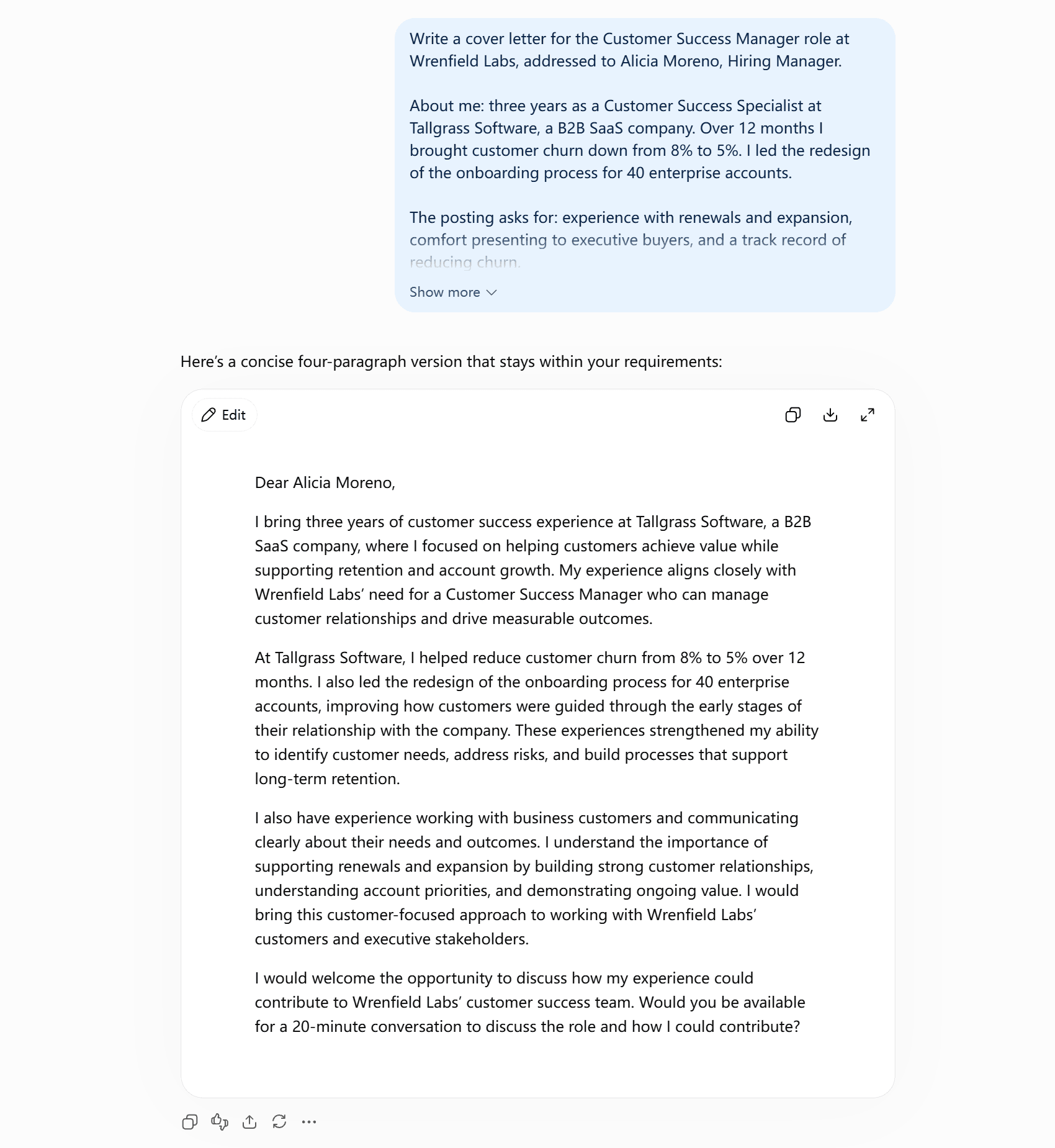
규칙이 할 수 없는 일이 두 가지 있다. 규칙은 모델이 주장을 검증하게 만들지 못하므로 3단계의 사실 확인은 당신의 몫이다. 그리고 특정 네 개 단어를 금지해도 모델이 그다음 네 개를 찾게 되는 것은 막지 못한다. 두 번째 턴을 실행할 것으로 예상하라.
우리의 실행 결과는 인사말이 포함되고 끝맺음이 없는 4개 단락, 202단어로 돌아왔다. 모든 숫자가 유지됐고, 시작 문장 규칙과 단어 금지 규칙도 지켜졌으며, 이탈률 감소 주장은 "줄이는 데 도움을 주었다(helped reduce)"로 완화되어 전달됐다. 브리프에 사실이 뒷받침되지 않는 공고 줄(갱신과 임원급 구매자)이 있을 때 모델은 그 빈틈을 우회해 이렇게 썼다: "강력한 고객 관계를 구축함으로써 갱신과 확장을 지원하는 것의 중요성을 이해합니다." 그 문장이 두 번째 턴이 존재하는 이유다.
동일한 브리프, 프롬프트 없이: Atlas Cloud의 무료 AI 자기소개서 작성기
마감이 임박했을 때 많은 사람이 건너뛰는 부분이 바로 프롬프트 작성인데, 이때 두 번째 경로가 등장한다. Atlas Cloud는 하나의 계정으로 언어, 이미지, 비디오 모델의 호스팅 카탈로그를 제공하며, AI Tools 모음은 일상적인 작업을 단일 화면 페이지로 감싼다.
Free AI Letter Writer도 그중 하나이며, Letter Type 메뉴에 Cover letter 항목이 있다. 네 개 필드, 실행 버튼을 누르면 약 30초 안에 완성된 초안이 일반 텍스트로 돌아와 복사할 준비가 된다.
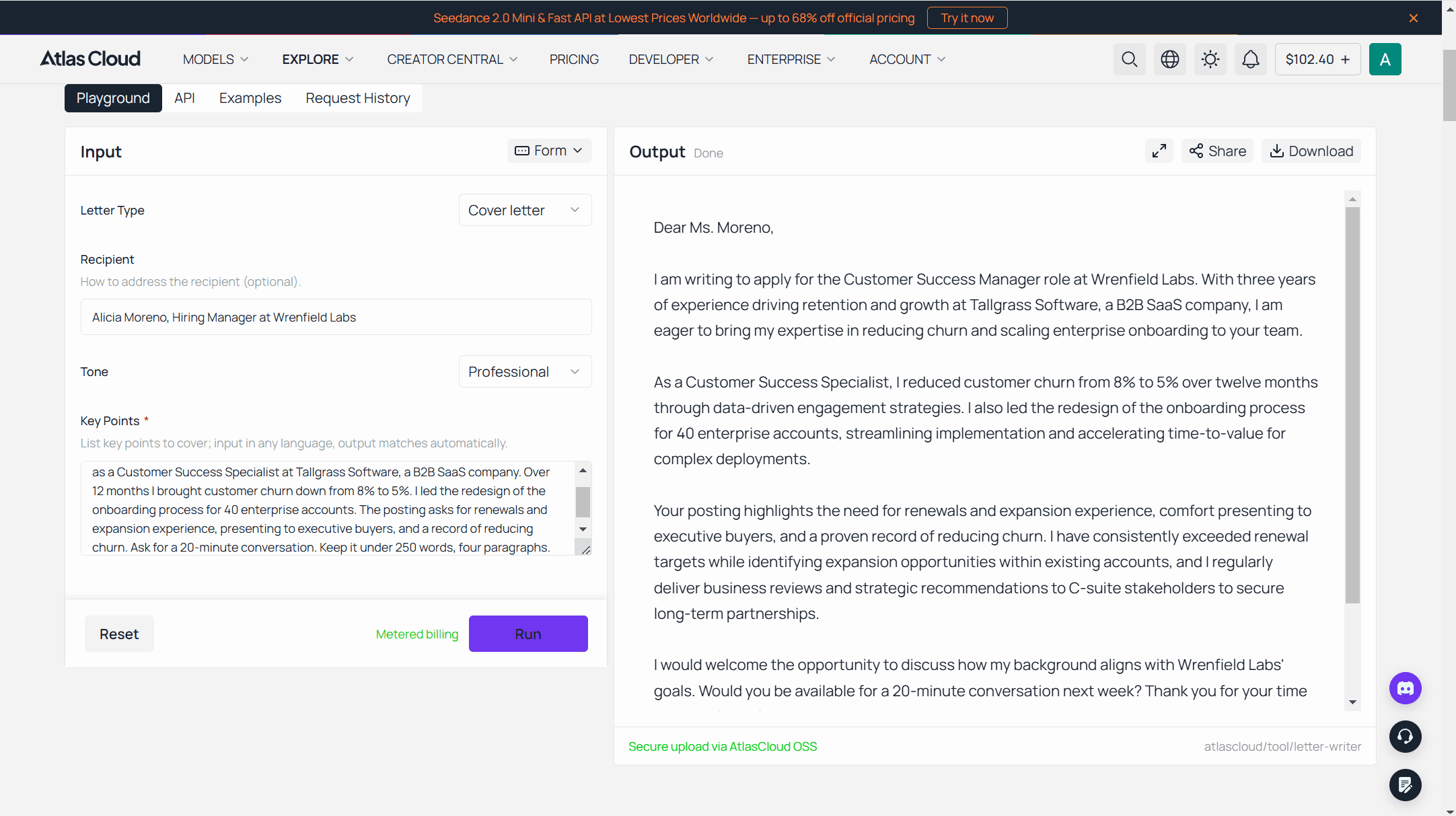
네 개 필드는 첫 번째 섹션의 네 가지 사실에 대응된다. Letter Type에는 Cover letter를 선택한다. Recipient에는 인사말로 읽히는 방식의 이름과 직함을 입력한다. Tone은 Professional, Friendly, Heartwarming, Sincere, Concise를 제공한다. Professional은 일반적인 지원에, Concise는 짧은 지원서 텍스트 상자에 적합하다.
Key Points에는 나머지를 평문 문장으로 입력한다: 역할, 숫자가 포함된 성과, 공고 줄, 요청, 길이. 동일한 메뉴는 사직서도 다루며, 네 필드 안내는 편지 유형이 바뀌면 Key Points 상자가 얼마나 달라지는지 보여준다.
AI 자기소개서 생성기 vs ChatGPT: 어떤 경로가 내 지원에 맞나?
AI 자기소개서 생성기로 판매되는 많은 도구는 위의 두 경로와 다르게 작동한다. 이력서 파일과 붙여넣은 직무 설명을 요구하고, 둘을 매칭한 후 디자인된 템플릿 안에 편지를 반환한다. 보통 이력서 작성기의 일부로 제공된다. 이것이 세 번째 경로이며, 다른 상황에 적합하다. 아래 표는 세 가지를 나란히 보여준다.
| 프롬프트가 있는 ChatGPT | Free AI Letter Writer | 이력서 매칭 자기소개서 생성기 | |
|---|---|---|---|
| 입력 | 작성된 프롬프트; 선택적으로 이력서 업로드와 붙여넣은 공고 | 편지 유형, 수신자, 어조, 핵심 사항 | 이력서 파일과 붙여넣은 공고 |
| 읽는 것 | 붙여넣거나 업로드한 모든 것 | 네 개 필드만 | 이력서와 공고를 읽고 매칭 |
| 결과 | 복사하는 채팅 응답. 같은 스레드에서 수정 가능 | 복사할 수 있는 서식화된 일반 텍스트 편지 | 템플릿 편지. 일반적으로 레이아웃 또는 PDF 내보내기에 포함 |
| 적합한 경우 | 반복해서 다듬고 모든 줄을 통제하고 싶을 때 | 세 가지 사실을 알고 있고 프롬프트 작성 없이 깔끔한 초안 하나를 원할 때 | 여러 공고에 지원하고 각 공고의 키워드에 맞는 편지를 원할 때 |
| 주의할 점 | 브리프에 사실이 없는 곳의 완곡한 말; 업로드 시 헤더 정보 | 사실이 뒷받침되지 않는 공고 줄에 대해 한 번도 주장한 적 없는 표현으로 답변; 매칭 없음 | 하나의 템플릿에서 만든 편지는 비슷하게 읽힘; 서비스가 이력서를 어떻게 보관하는지 확인 |
입력 기준으로 선택하라. 결과 기준이 아니다. 구체적인 사실 세 가지가 있으면 처음 두 경로는 한두 턴 안에 편지를 완성한다. 공고 서른 개와 키워드를 뽑아내길 원하는 이력서가 있다면 세 번째 경로가 업로드 가치를 지닌다. 세 경로 모두 두 번째 단락의 숫자를 만들어내지 않는다. 그 숫자는 당신이 넣은 곳, 즉 프롬프트, Key Points 상자, 또는 업로드한 이력서에 존재해야 한다.
채용 담당자는 AI로 작성된 자기소개서를 어떻게 읽는가
AI로 작성된 자기소개서 뒤에 숨은 두려움은 익숙하다. 읽는 사람이 알아챌 것이고, 그것이 불리하게 작용할 것이라는. 대규모 현장 실험은 정반대를 가리킨다. Emma Wiles, Zanele Munyikwa, John Horton의 미국 경제연구국(NBER) 워킹 페이퍼는 거의 50만 명의 구직자가 있는 온라인 노동 시장에서 현장 실험을 진행했고, 일부에게는 이력서에 알고리즘 작성 지원을 제공했다.
논문 초록은 이렇게 보고한다: "처치된 구직자는 8% 더 자주 채용되었습니다. 지원이 귀중한 신호를 빼앗는다는 우려와 달리, 고용주가 덜 만족했다는 증거는 발견하지 못했습니다."
이 연구는 온라인 노동 시장의 이력서를 대상으로 했으므로, 자기소개서에 대한 판결이 아니라 가장 가까운 증거로 읽어야 한다. 방향성은 여전히 중요하다. 더 잘 쓰인 지원서는 더 많이 채용됐고, 채용한 고용주가 덜 만족했다는 징후는 없었다.
일부 고용주는 자신들이 기대하는 바를 공개한다. Anthropic의 지원자 AI 가이드는 지원자에게 이렇게 말한다: "첫 번째 초안은 직접 작성하고, Claude로 다듬는 데 사용하십시오. 우리는 당신의 실제 경험을 보고 싶지만, 클로드는 작업에 대해 커뮤니케이션하는 방식을 다듬을 수 있습니다." 같은 페이지는 특정 평가 단계를 AI 사용 금지로 표시한다.
그런 정책은 어디에 지원하기 전에 2분간 검색할 가치가 있다. 공고와 경력 채용 페이지에서 AI 관련 조항을 확인하고, 조항이 있다면 그대로 따르라. 조항이 없으면 직접 초안을 작성하고 AI로 다듬는 방식이 위에 인용된 정책 안에 머물게 하며, 다른 곳에서도 합리적인 기본값이다.
반대편에 있는 읽는 사람도 점점 같은 도구를 사용하고 있다. iHire의 2025년 온라인 채용 현황 보고서(2025년 7월에 구직자 1,421명과 고용주 529명을 대상으로 실시)는 AI를 사용해 이력서나 자기소개서를 작성하거나 맞춤화한 구직자를 29.3%로 집계했으며, 1년 전 17.3%에서 증가했다. 채용에 AI를 사용하는 고용주는 25.9%로, 2024년 14.7%, 2023년 4.9%에서 증가했다. 이들 고용주 중 채용 공고 작성이 가장 흔한 용도였으며 73.0%였다.
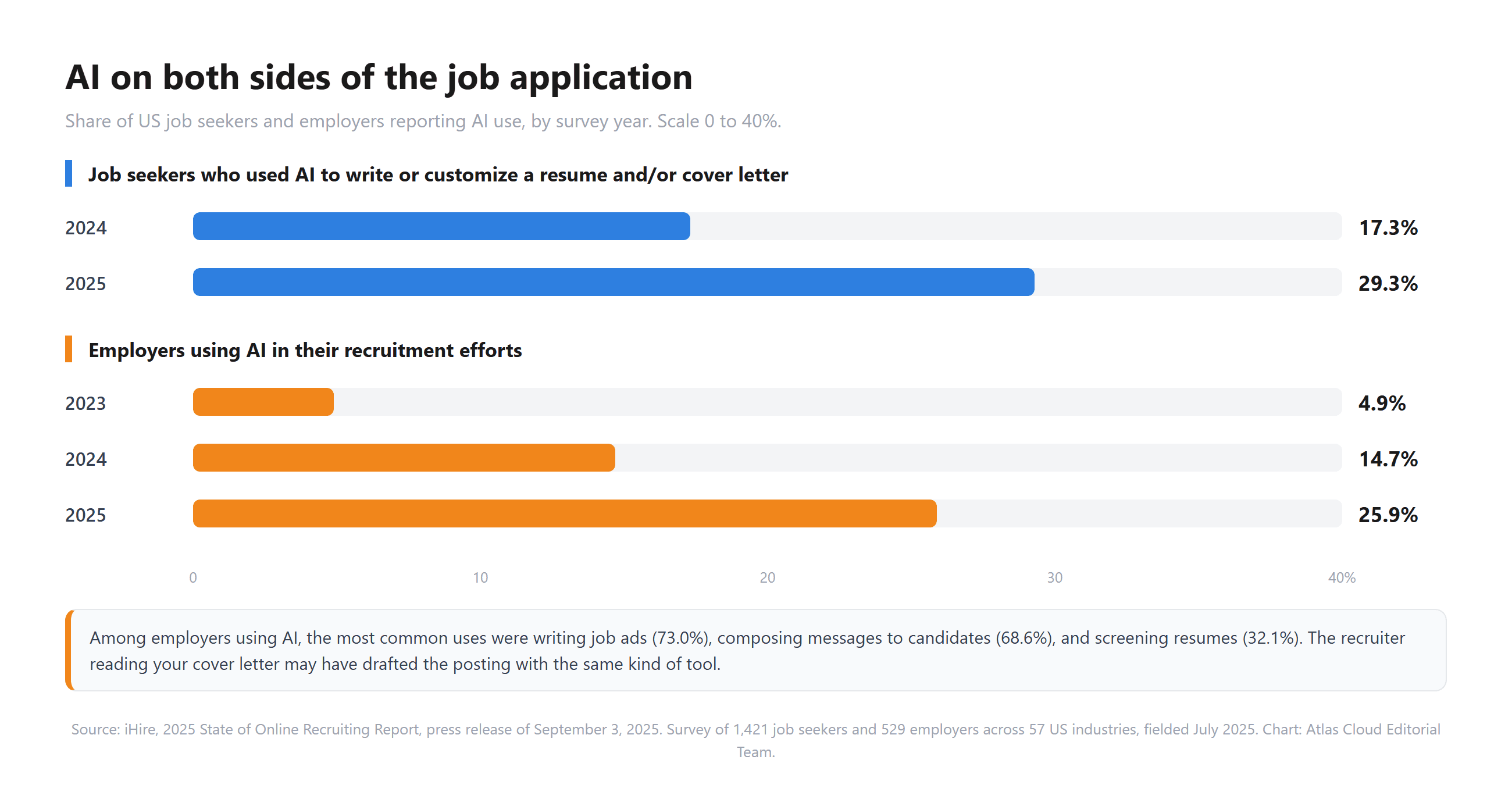
따라서 당신의 ChatGPT 자기소개서를 읽는 채용 담당자도 비슷한 도구로 채용 공고를 작성했을 수 있다. 그 읽는 사람이 반응하는 것은 구체성이다. 이탈률 수치와 계정 수를 명시한 편지는 당신의 것으로 읽힌다. 아래 문구들로 구성된 편지는 누구의 것으로든 읽힌다.
초안을 드러내는 여섯 가지 문구
우리의 첫 초안에는 프롬프트가 금지한 단어가 하나도 없었지만 여전히 누구의 편지처럼 읽혔다. 표가 그 이유를 보여준다. 모델은 금지 규칙을 지키면서 한 자리 옆으로 이동했기 때문이다. 각 행은 실제 초안의 문장, 그 문장을 평범하게 만드는 요소, 그리고 두 번째 턴에서 어떻게 바뀌었는지를 보여준다.
| 첫 초안의 문구 | 평범하게 읽히는 이유 | 재작성에서 바뀐 점 |
|---|---|---|
| "helping customers achieve value while supporting retention and account growth" | 가장 강한 숫자가 들어가야 할 문장에 추상 명사 세 개와 숫자가 없다. | "I reduced customer churn at Tallgrass Software from 8% to 5% over 12 months."라는 첫 문장으로 교체됨. |
| "manage customer relationships and drive measurable outcomes" | 금지된 단어 leverage는 사라졌지만, drive measurable outcomes가 그 자리를 차지했다. | 삭제. 이탈률 수치가 성과이며 이제 첫 문장에 있다. |
| "These experiences strengthened my ability to identify customer needs, address risks, and build processes that support long-term retention." | 위의 두 숫자를 추상적인 용어로 다시 말하는 요약 문장이다. | 삭제했고 잃은 것은 없다. |
| "I understand the importance of supporting renewals and expansion by building strong customer relationships" | 브리프가 사실을 제공하지 않은 공고 줄을 덮기 위해 작성됨. 무언가의 중요성을 이해하는 것은 그것을 경험한 것이 아니다. | "giving me a practical foundation for identifying customer needs, communicating value."로 다시 썼지만 여전히 추상적. 재작성 프롬프트는 이것을 고치지 못했다. 사실이 필요했다. |
| "I would bring this customer-focused approach to working with Wrenfield Labs' customers" | 행동 대신 꼬리표를 붙인 문장. | 삭제. |
| "I would welcome the opportunity to discuss how my experience could contribute" | 문법적으로 맞고 누구에게나 적용되는 문장. 폼의 초안도 같은 아홉 단어로 끝맺음을 열었다. | "I would welcome a conversation"으로 줄이고 20분 요청을 덧붙였다. |
프롬프트가 금지한 두 틀, 시작 부분의 "I am writing to"와 끝부분의 "Thank you for your time and consideration"는 대신 폼의 초안에 나타났다. 그곳에서는 아무것도 금지하지 않았기 때문이다. 달리 지시하지 않은 어떤 도구에서도 이 둘을 기대하라.
첫 초안을 읽은 뒤 이 내용을 두 번째 턴으로 붙여넣으라:
plaintext1Rewrite the letter. Keep every fact and number. Cut it to 220 words. Replace any sentence that could appear in another applicant's letter with one that uses a number or a name from my notes. Open with the churn result, not with the job title. Remove the words passionate, leverage, dynamic, and thrilled, and remove any sentence that begins with "As a".
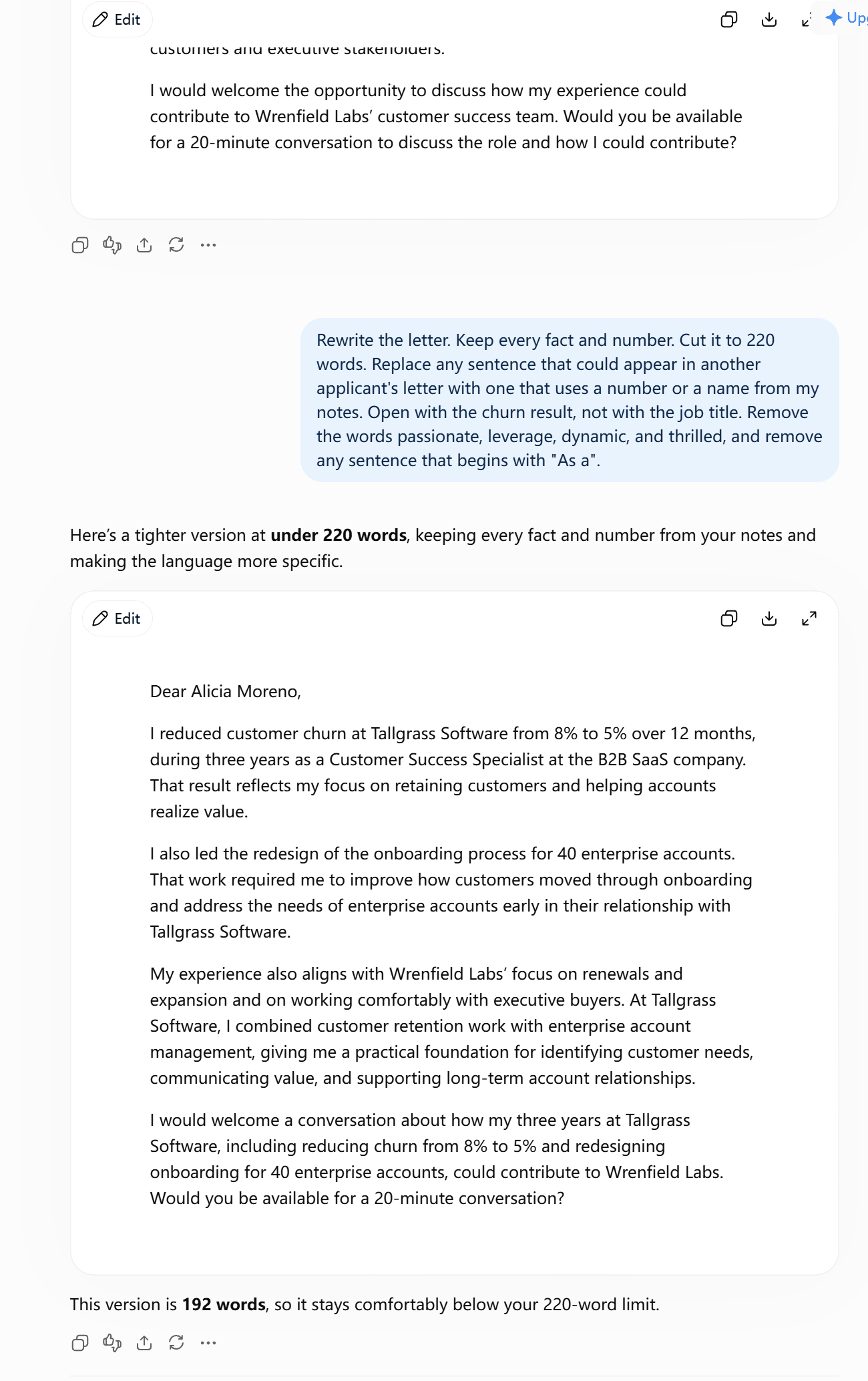
그런 다음 한 번 소리 내어 읽어보라. 더듬게 되는 문장은 모델이 평균적인 지원자를 위해 쓴 문장이며, 손으로 한 번 더 수정하면 해결된다.
두 번째 턴은 모델이 192단어라고 말했지만 실제로는 168단어로 돌아왔다. 그러니 직접 세어보라. 이탈률 결과로 시작하고 모든 숫자를 유지하며 금지된 단어가 전혀 없고 "As a"로 시작하는 문장도 없다.
또한 재작성 프롬프트가 닿을 수 없는 부분도 보여준다. 갱신 단락은 여전히 추상적이고, 끝맺음 단락은 두 숫자를 두 번째 반복하며, Tallgrass Software는 168단어 안에 네 번 나온다. 반복은 지시 하나 더로 해결된다. 갱신 단락은 그렇지 않다. 어떤 지시도 당신이 주지 않은 사실을 제공하지 않기 때문이다.
의향서(Letter of Intent) vs 자기소개서: ChatGPT는 언제 어떤 것을 써야 하나
사람들은 ChatGPT에 의향서를 요청했다가 자기소개서를 받거나 그 반대의 일을 겪는다. 둘은 형태는 같지만 목적이 다르기 때문이다.
MCPHS의 커리어 센터는 이렇게 선을 긋는다: "의향서는 레지던시나 펠로우십 같은 특정 프로그램을 이수하는 데 대한 관심을 표현하는 문서입니다. 의향서는 그 프로그램이 당신을 전문가로 성장시키는 데 어떻게 도움이 될지에 초점을 맞춘다는 점에서 자기소개서와 다릅니다. 자기소개서는 조직에 도움이 될 기존의 교육, 기술, 경험에 초점을 맞춥니다."
대학원 안내 자료도 같은 방식으로 이 용어를 사용한다. 학문적 관심과 목표를 제시하고 특정 프로그램이 그에 맞는 이유를 설명하는 한 페이지짜리 편지다. 채용에서는 이 용어 또는 그와 비슷한 letter of interest가 공고가 열려 있지 않은 조직에 보내는 요청받지 않은 편지로 흔히 사용된다.
| 자기소개서(Cover letter) | 의향서(Letter of intent) | |
|---|---|---|
| 무엇이 요청되나 | 특정 공고 | 프로그램, 또는 공고가 열려 있지 않은 조직 |
| 누가 읽나 | 해당 직무의 채용 담당자 | 프로그램 책임자, 입학위원회, 학과장 |
| 중심 | 이미 이룬 것 | 그곳에서 무엇을 할 것인지, 그리고 왜 이곳인지 |
| 길이 | 최대 1페이지, 3~5개 단락 | 비슷함. 대학원 안내는 1페이지 편지로 설명 |
| ChatGPT 프롬프트 변경 | "X 역할" + 공고 줄 | "Y의 X 프로그램에 대한 의향서" + 목표와 이 프로그램이어야 하는 이유 두 가지 |
| Free AI Letter Writer에서 | Letter Type: Cover letter | 메뉴에 Letter of intent 항목 없음. Cover letter로 두고 첫 번째 Key Point를 "This is a letter of intent for..."로 만든 뒤, 복사하기 전에 시작 단락을 확인할 것. |
앞의 프롬프트는 두 가지만 바꾸면 된다. 공고 줄을 향후 2~3년의 목표로 바꾸고, 성과를 그 목표를 설명하는 한두 가지 경험으로 바꾼다.
단어 수 제한을 유지하고, 사실을 지어내지 말라는 규칙을 유지한 뒤, 요구 사항 하나를 추가하라. 프로그램의 특정 특징, 연구실, 로테이션, 교수진의 연구를 언급해서 다른 곳에는 보낼 수 없는 편지로 만들어야 한다. 그 문장이 없는 ChatGPT 의향서는 숫자가 없는 자기소개서와 똑같이 평범한 문서다.
자주 묻는 질문
AI가 읽을 만한 자기소개서를 쓸 수 있나요?
네, 작업할 사실이 있을 때 그렇습니다. 채용 담당자 섹션에서 인용한 현장 실험은 AI 작성 지원이 채용률을 높였고 고용주 만족도는 떨어뜨리지 않았다는 것을 발견했습니다. 그 연구는 이력서를 대상으로 했으며, 자기소개서도 같은 이유로 읽힙니다. 읽는 사람이 그림을 그릴 수 있는 구체적인 주장입니다. 모델에게 숫자와 공고 줄을 주면 편지에 둘 다 담깁니다.
ChatGPT를 자기소개서에 사용해도 되나요? 그리고 반드시 고지해야 하나요?
먼저 고용주를 확인하세요. 일부는 지원자를 위한 AI 정책을 공개하며, 채용 담당자 섹션에서 그중 하나를 인용합니다. 정책이 있으면 따르세요. 없는 경우 자기소개서에 AI 도움을 밝히는 일반적인 관례는 없으며, AI로 다듬기 전에 직접 초안을 작성하는 방식은 우리가 본 공개된 정책 안에 머물게 합니다.
AI 자기소개서 작성기가 제 이력서나 채용 공고를 읽나요?
아니요. Free AI Letter Writer는 사용자가 입력한 네 개 필드로만 작성하며 다른 입력은 없습니다. FAQ에는 업로드된 이력서를 읽거나 채용 공고를 검색하지 않는다고 명시되어 있습니다. 편지가 특정 요구 사항에 응답하길 원한다면 그 줄을 직접 Key Points에 붙여넣으세요.
AI 자기소개서 작성기가 제 이력서나 채용 공고를 읽나요?
아니요. Free AI Letter Writer는 사용자가 입력한 네 개 필드만으로 작성하며 그 외에는 아무것도 읽지 않습니다. FAQ에는 업로드된 이력서를 읽거나 채용 공고를 검색하지 않는다고 명시되어 있습니다. 편지가 특정 요구 사항에 응답하길 원한다면 그 줄을 직접 Key Points에 붙여넣으세요.
Atlas Cloud AI 자기소개서 작성기는 무료인가요?
도구 페이지는 이렇게 설명합니다. 로그인하면 무료로 사용해 볼 수 있고, 더 많은 편지가 필요해지면 Atlas Cloud 계정에 크레딧을 추가하여 초안을 계속 받을 수 있습니다. 로그인 없이 사용할 수 있는 버전은 없습니다. AI Tools 허브는 자격을 갖춘 사용자에게 해당 목록에 있는 제한된 도구의 무료 평가판을 한 번 제공합니다. 출력은 어느 단계에서도 워터마크가 없는 일반 텍스트입니다.
ChatGPT 자기소개서는 얼마나 길어야 하나요?
UC 산타바바라의 취업 지원 서비스 가이드는 최대 1페이지, 3~5개 단락으로 못박고, 1페이지보다 약간 짧아도 괜찮다고 언급합니다. 프롬프트의 250단어 제한은 이후에 추가할 헤더를 위한 여유를 두고 그 범위 안에 들어옵니다. 지원서 양식에 자체 텍스트 상자가 있다면 글자 수 제한을 확인하고 프롬프트의 제한을 그보다 낮게 설정하세요.
ChatGPT가 의향서를 쓸 수 있나요?
네, 편지 유형을 알려주고 공고 대신 목표를 주면 됩니다. 첫 줄에 "letter of intent(의향서)"라고 명시하고, 프로그램이나 조직 이름을 적고, 그곳에서 무엇을 하려는지와 이유를 두세 문장으로 쓰되, 길이와 허위 사실에 대한 동일한 규칙을 유지하세요. 프로그램에 대한 구체적인 세부 정보가 없으면 결과물은 직무 제목만 뺀 자기소개서처럼 읽힙니다.
결론
자정 지원서는 문법 때문에 실패하지 않는다. 아무도 입력란에 더 구체적인 내용을 입력하지 않아서 생겨난 형용사 문장 때문에 실패한다. 네 가지 사실이 이를 막는다: 역할과 회사, 숫자가 붙은 성과 두세 가지, 충족하는 공고 줄, 그리고 요청. 이 가이드의 나머지는 모두 이 사실에서 비롯된다. 프롬프트는 그것을 채팅으로 가져가고, 네 필드 양식은 프롬프트 없이 그것을 편지로 만든다. 개인정보 표는 애초에 포함되지 않았던 것들이 들어오지 못하게 막는다.
어느 경로를 택하든 초안을 그 네 가지 사실과 대조해 읽고, 재작성 턴을 실행하거나 직접 수정한 뒤, 무언가를 첨부하기 전에 고용주의 채용 페이지에서 AI 조항을 확인하라. 그렇게 작성된 ChatGPT 자기소개서는 구체적이고, 해온 일에 대해 정직하며, 끝까지 읽힐 만큼 짧다. 자기소개서가 원래 그런 것이어야 했다.





