
 Atlas Cloud is now an authorized U.S. reseller of Dreamina Seedance 2.5 and Seedream 5.0 Pro.Atlas Cloud is now an authorized U.S. reseller of Dreamina Seedance 2.5 and Seedream 5.0 Pro.
GPT Image 1 anchors OpenAI’s image model family for developers building production visual tools. It renders legible text, follows detailed prompts, creates photorealistic scenes, and adapts across varied visual styles using world knowledge. Atlas Cloud supports production workloads with no cold starts, transparent pay-as-you-go pricing, 99.99% uptime, and access to 300+ models. Start building today.
GPT Image is developed by OpenAI. Atlas Cloud (operated by Atlas Cloud AI LLC) provides access to it and does not own it. All trademarks belong to their respective owners.
Atlas Cloud provides you with the latest industry-leading creative models.
Choose between text to image creation and image editing endpoints, each with ready to use REST inference and standard per image pricing.
| Modality | Description |
|---|---|
| GPT Image 1 T2I API (Text to Image) | Turn text prompts into generated images with the GPT Image 1 text to image endpoint. Built for visual asset creation, its ready to use REST inference API offers no cold starts at a standard price of $0.011 per image. |
| GPT Image 1 Edit API (Image to Image) | Refine or transform supplied images through the GPT Image 1 editing endpoint. Its REST inference API supports image creation and revision workflows with no cold starts and standard pricing of $0.011 per image. |
GPT Image 1 combines accurate text rendering, detailed prompt control, diverse visual styles, reference and mask editing, three quality levels, three output sizes, batch generation, and production ready delivery controls through Atlas Cloud.

GPT Image 1 follows detailed prompts, renders readable text, and can organize roughly 10 to 20 distinct objects in complex scenes. Use explicit wording for signs, product labels, infographics, or interface mockups while directing composition and visual relationships. Its combined language and image understanding helps developers create assets that stay closer to demanding creative briefs in production workflows.
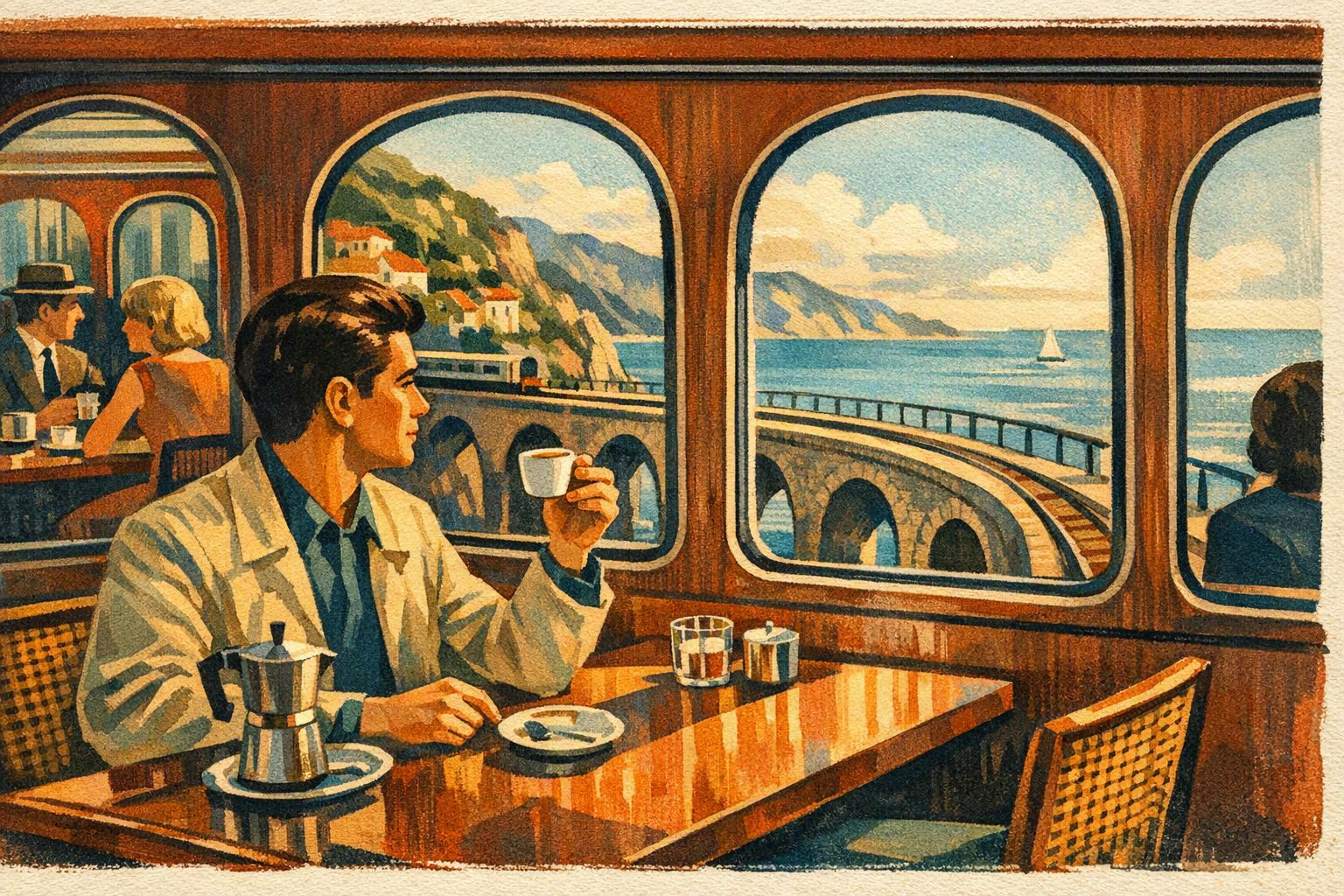
From photorealistic photography to stylized illustration, concept art, infographics, and 3D inspired visuals, GPT Image 1 can interpret varied aesthetic directions. Ground prompts with cultural, historical, or domain context to draw on the model's world knowledge beyond surface level styling. This range suits creative pipelines that need multiple visual languages without changing the underlying model or rebuilding their integration stack.
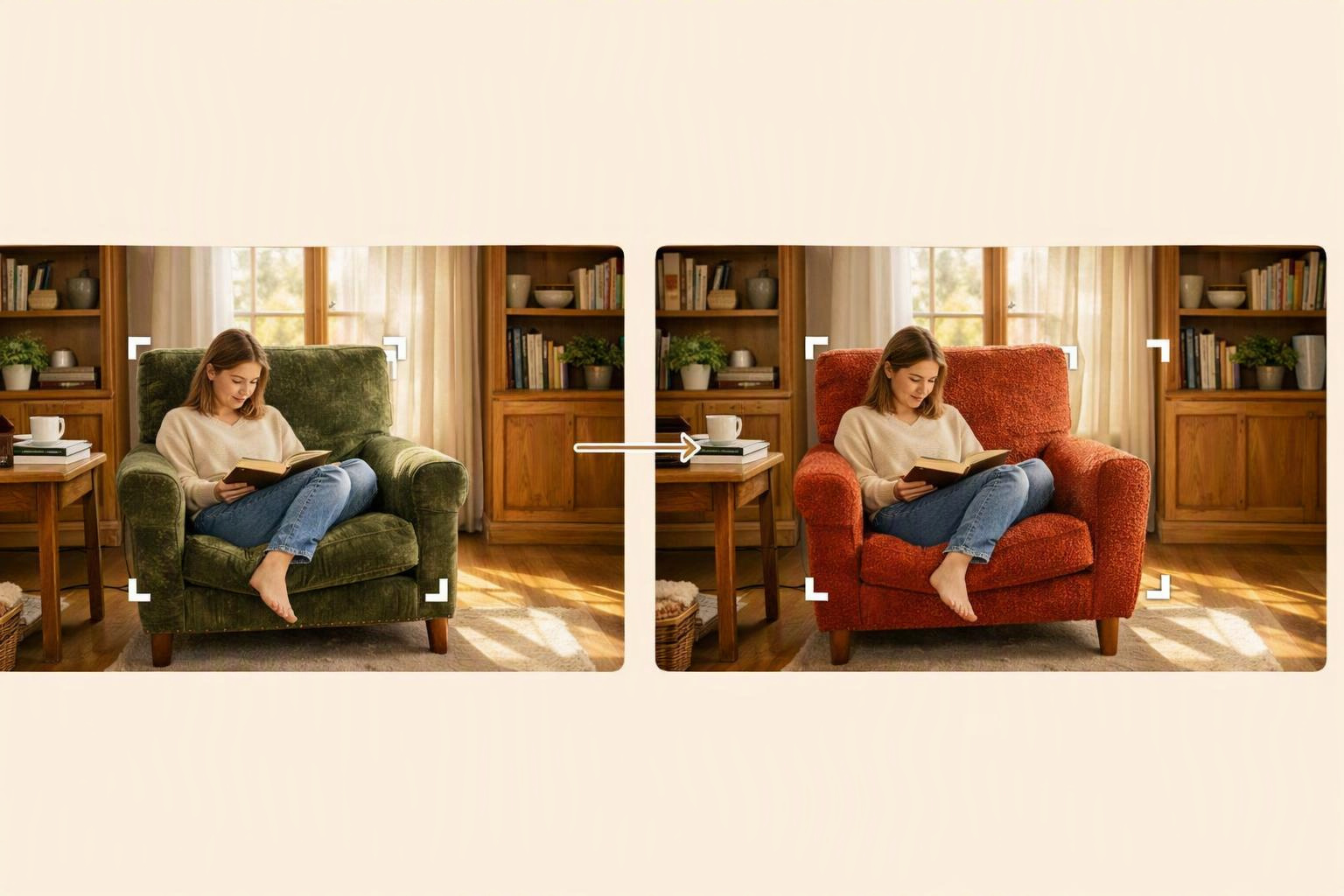
Edit existing assets with one to four input images, plus an optional PNG mask that marks transparent regions for modification. When several references are supplied, the mask applies to the first image while the prompt directs the requested change. This supports targeted retouching, object replacement, compositing, and controlled iterations that preserve untouched areas across production assets.
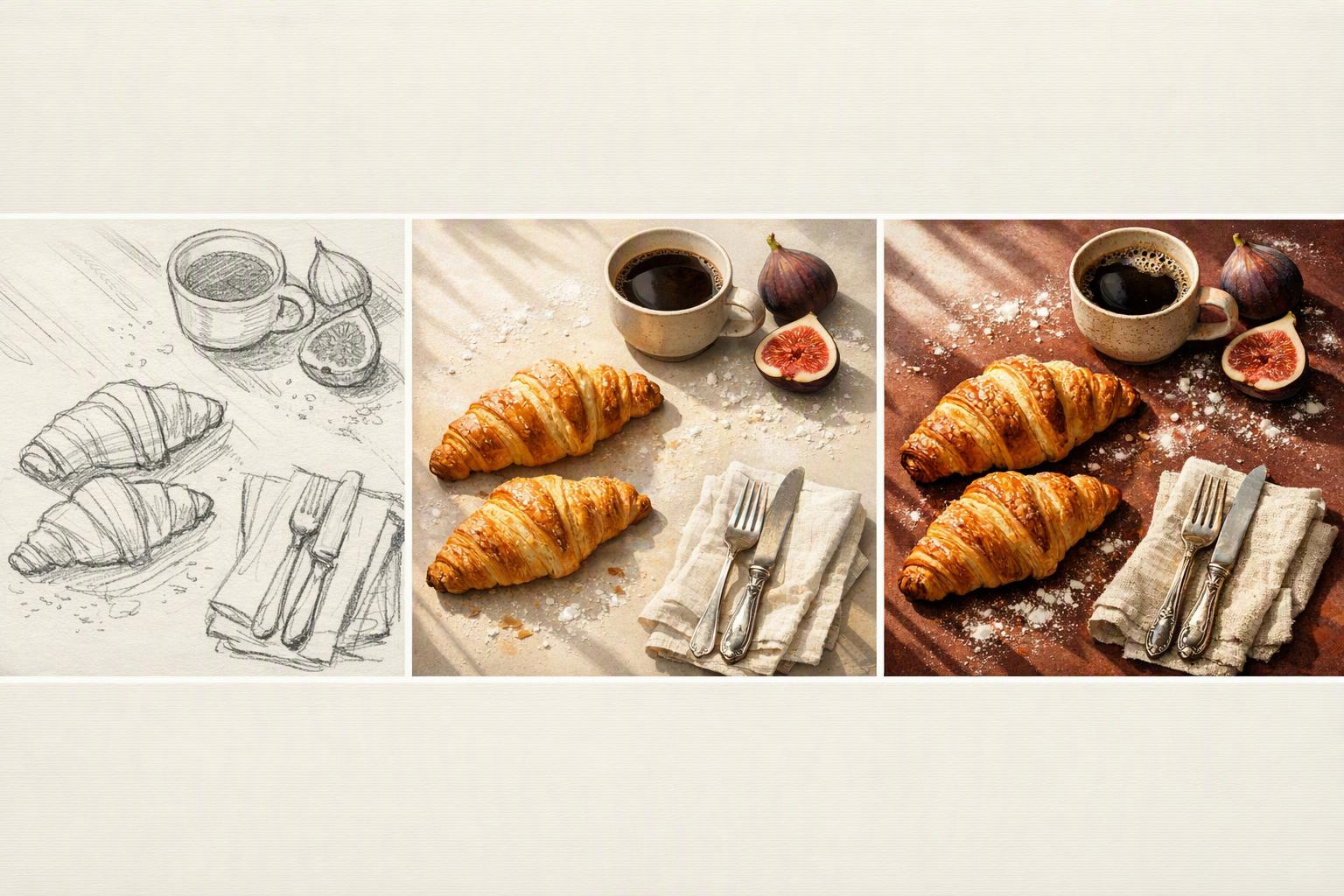
Choose Low, Medium, or High quality for each GPT Image 1 request, then select 1024x1024, 1024x1536, or 1536x1024 output. Match square, portrait, or landscape framing to the destination while balancing detail against workload needs. These explicit controls make the same endpoint practical for draft exploration, campaign assets, and final production imagery across varied publishing channels.
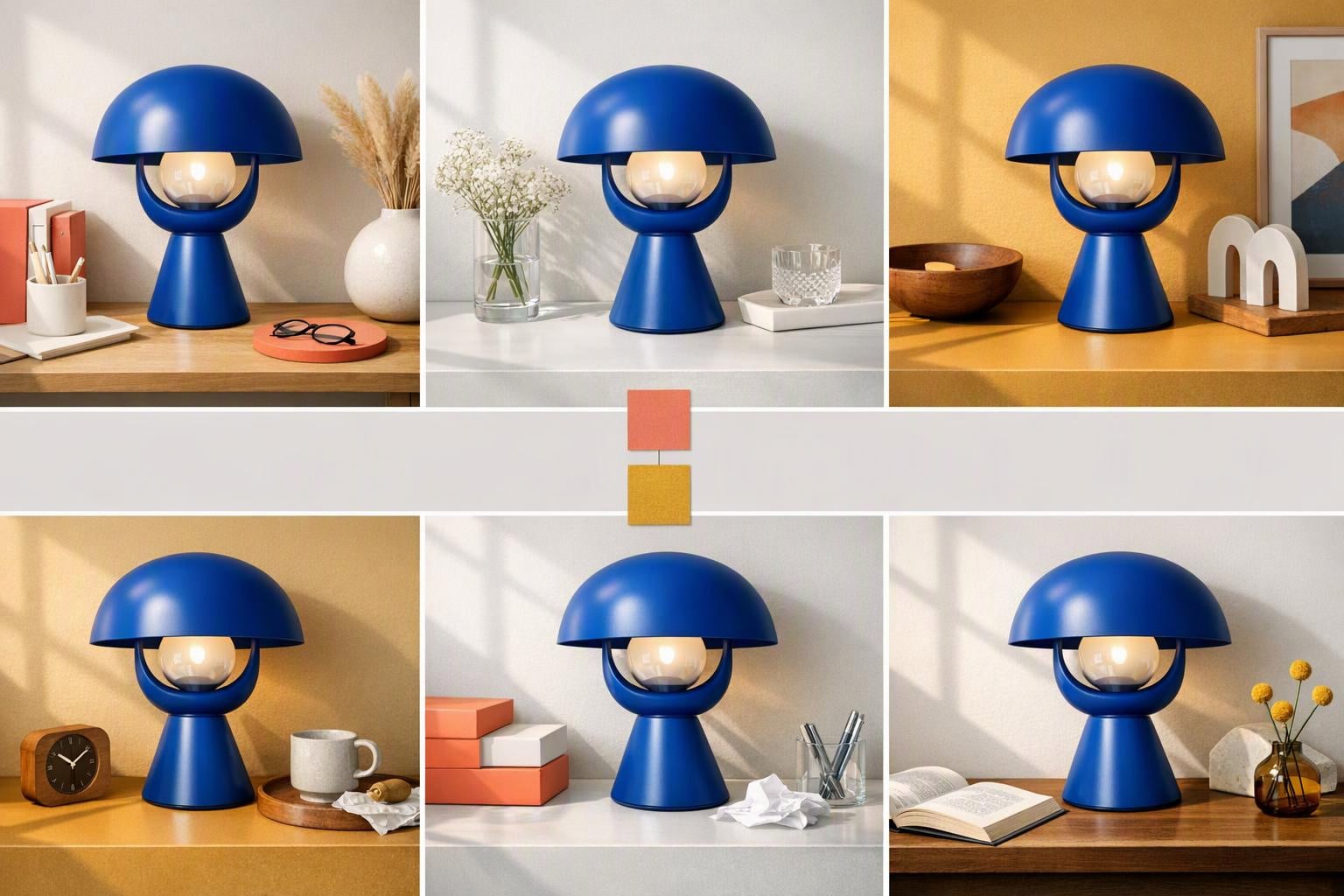
Generate between one and ten images from a text prompt, with PNG or JPEG output available. For JPEG delivery, set compression from 0 to 100, while Base64 output and synchronous completion support direct application handling. Together, these controls simplify batch ideation, asset pipelines, and integrations that need predictable media formats and flexible response workflows at scale.
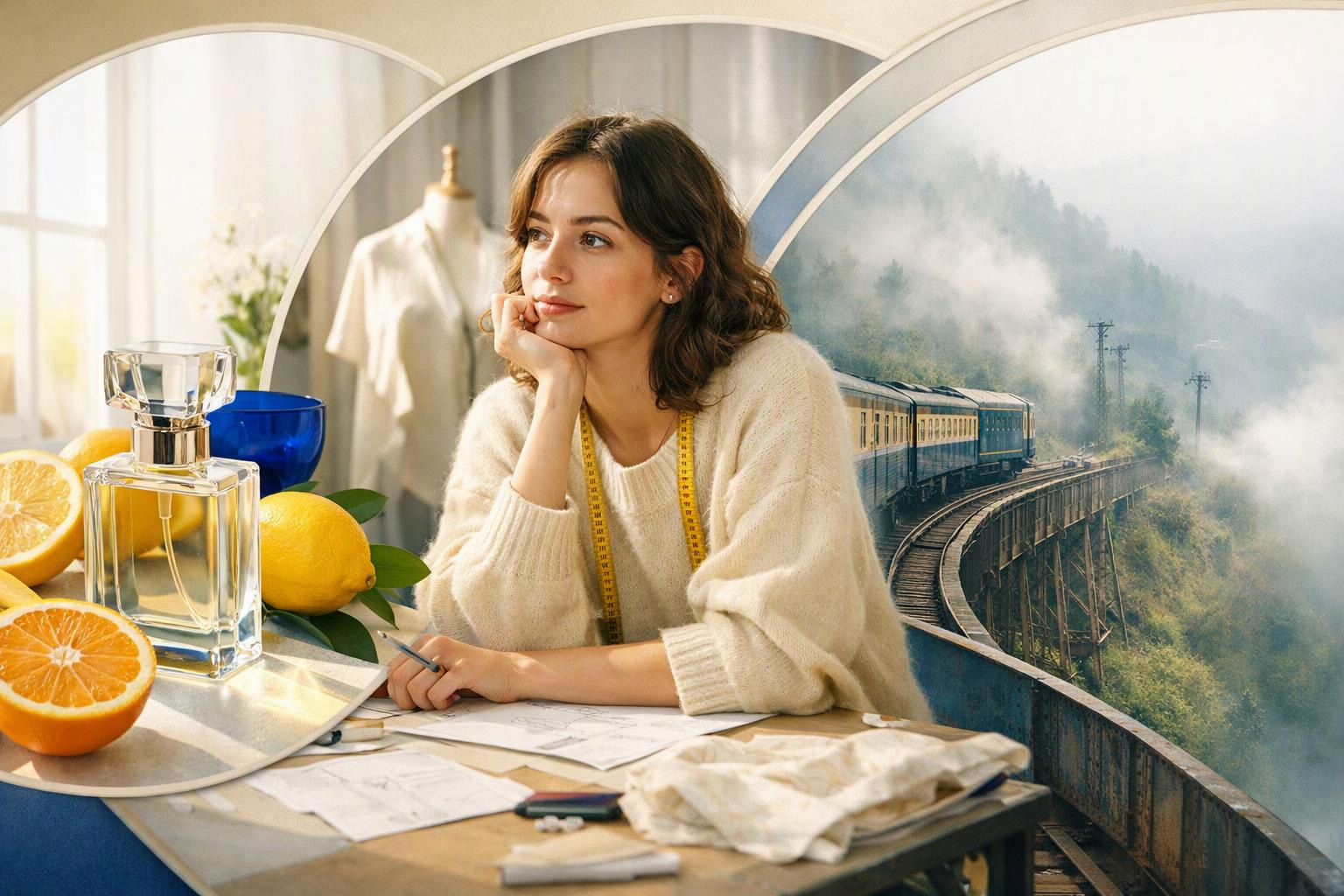
Run GPT Image 1 generation and editing through Atlas Cloud with transparent pay as you go billing at a standard price of $0.011 per image. Both model variants use the same Atlas generation route with no cold starts, while synchronous and Base64 options support different application flows. This setup fits developers who want direct REST access without managing separate image services.
See how the GPT Image 1 lineage compares with a leading rival as identical prompts test typography, composition, texture, lighting, and decisive action.
A high-angle oblique photograph of a retro high-school science club experiment on a sunlit campus rooftop: three teenagers in authentic Japanese school uniforms work together to launch a handmade silver solar airship, captured at the decisive instant when a sudden surge of lift gently pulls one student off the ground, toes hovering above the concrete, while the other two brace the tether and reach toward their airborne friend with anatomically accurate hands and clearly readable physical relationships. Experiment log sheets covered with small handwritten calculations, diagrams, and Japanese notes scatter through the wind alongside an unspooling tomato-red measuring tape, creating a surprising, joyful, slightly out-of-control moment. Cobalt-blue rooftop running-lane markings form strong diagonal leading lines toward the group, while the entire right side retains a large, intentional expanse of bare concrete negative space. Hard directional midday sunlight, crisp-edged elongated shadows, bright but restrained highlights on the translucent reflective airship membrane, subtle motion blur only on flying paper, tape, and windblown hair. A disciplined silver-gray, cobalt-blue, and tomato-red palette; tactile wrinkled metallic film, chalk formulas on concrete, woven uniform fabric, scuffed sneakers, fine hair strands, realistic youthful skin with natural texture. Japanese youth-magazine editorial realism, candid analog film photography, lightly overexposed sky, fine 35mm grain, natural contrast, no posed expressions, no glossy plastic skin, no HDR, no muddy colors, no excessive micro-detail, no artificial glow, no cinematic fantasy spectacle. Deep spatial coherence, convincing rooftop perspective, consistent wind direction, accurate reflections and transparency, legible tiny handwritten notes, dynamic yet believable multi-person action, landscape composition filling the entire frame, wide 16:9 aspect ratio, full-bleed.
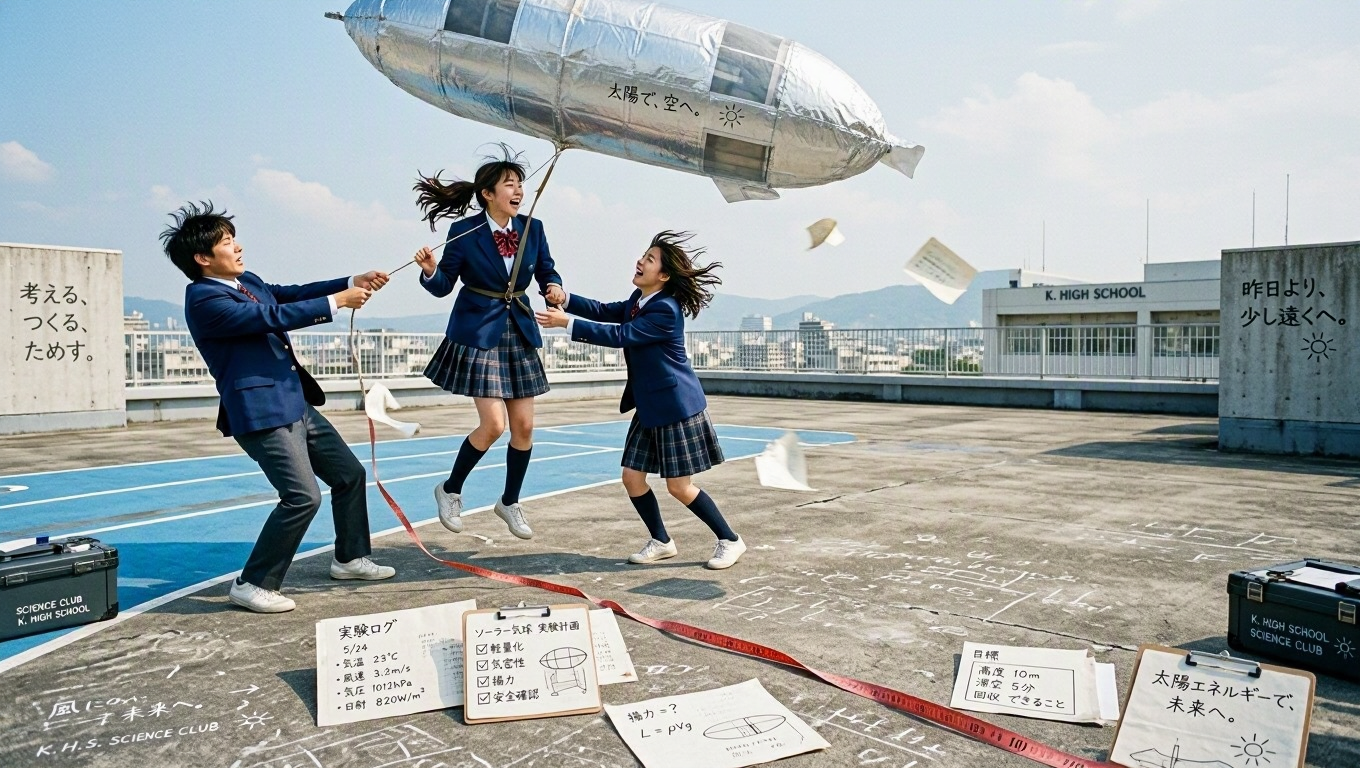
Generated with GPT Image 2.5 Sunburst Text-to-Image on Atlas Cloud
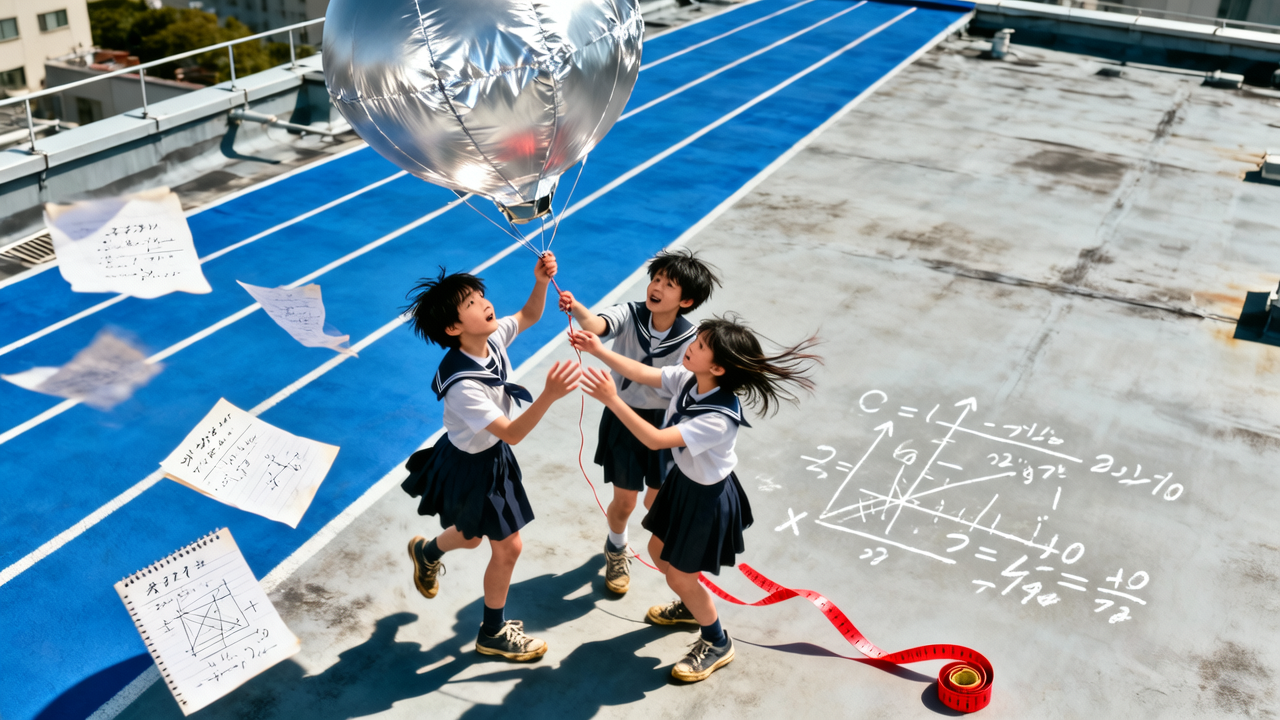
Generated with Nano Banana 2 Text-to-Image on Atlas Cloud
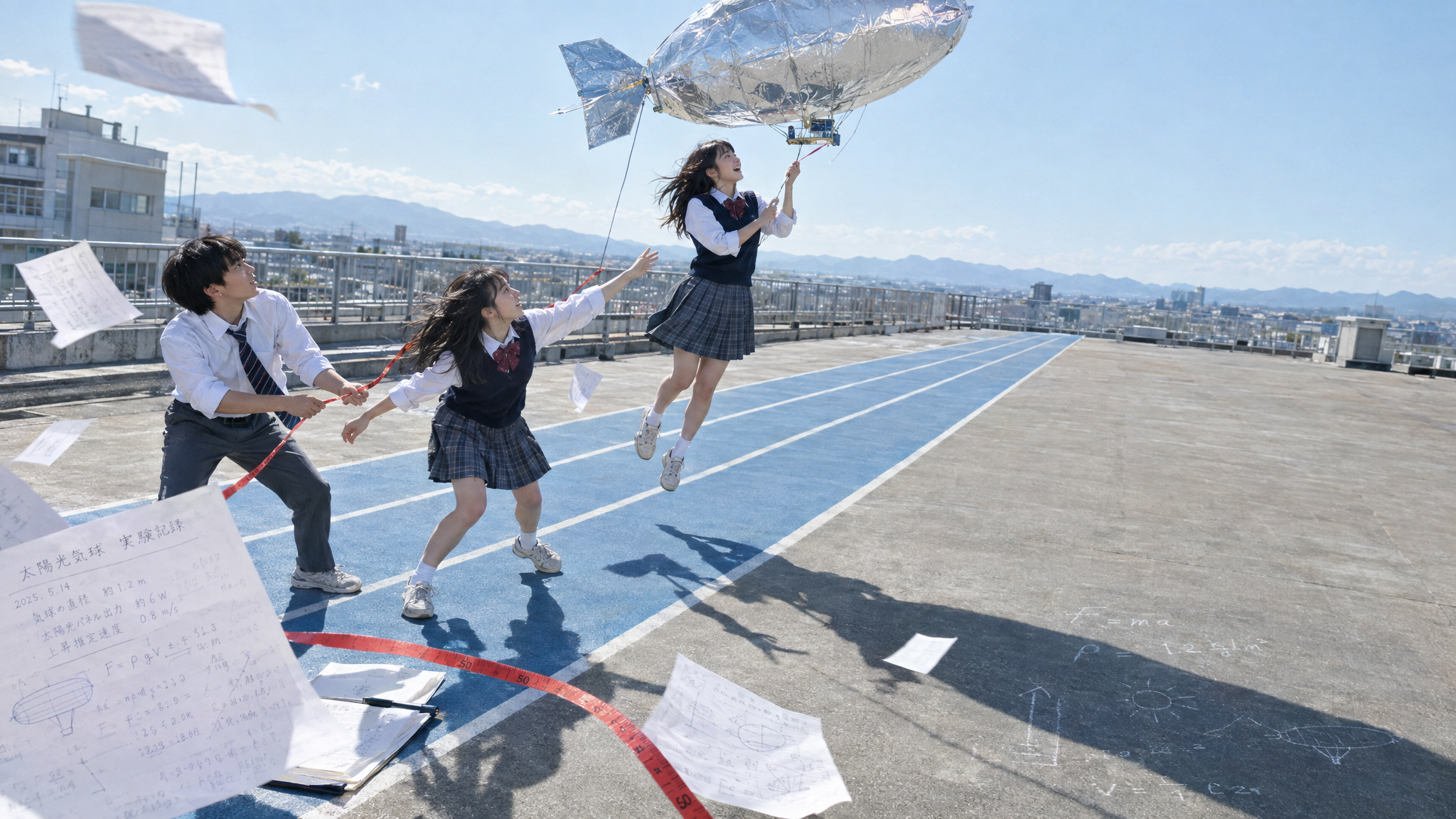
Generated with Openai GPT Image 2 Text-to-Image on Atlas Cloud
Editorial documentary photography, a strict vertical top-down view into a young ceramicist’s studio with a mint-green tiled floor, capturing the decisive comic instant when a cobalt-blue clay vessel collapses into an elegant spiral on a wheel spinning at high speed; physically convincing centrifugal motion, subtle rotational blur, and wet slip flung in a graceful arc across the ceramicist’s textured white canvas apron. The young potter’s anatomically correct clay-covered hands recoil naturally, their face surprised yet suppressing laughter, while a ginger cat beside the wheel stretches one accurate paw toward a sponge caught midair, with believable fur motion and playful focus. Hard directional afternoon sunlight slants through a high window, carving crisp rectangular bands of light and long-edged shadows across the floor. Build an eccentric circular composition around the off-center spinning wheel; arrange wooden tools, restrained glaze dishes, clay scraps, and broken pottery shards in varied-density radial rhythms, while preserving one generous, uncluttered corner of negative space. Use a disciplined three-color palette of cobalt blue, terracotta orange, and mint green, balanced with white and subtle neutrals. Render clearly differentiated tactile materials: glossy wet clay and viscous splashes, rough woven apron fibers, glazed ceramic sheen, scratched wood, matte porous shards, soft individual cat hairs, slight film grain, and small authentic studio imperfections. Sophisticated contemporary editorial photography, spontaneous rather than posed, natural facial expression, coherent overhead spatial geometry, clean restrained color separation, crisp focal detail with selective motion blur, no greasy over-rendering, no HDR clutter, no plastic skin, no muddy colors, no ubiquitous glow, no cheap epic lighting, wide horizontal 16:9 aspect ratio, full-bleed edge-to-edge composition.
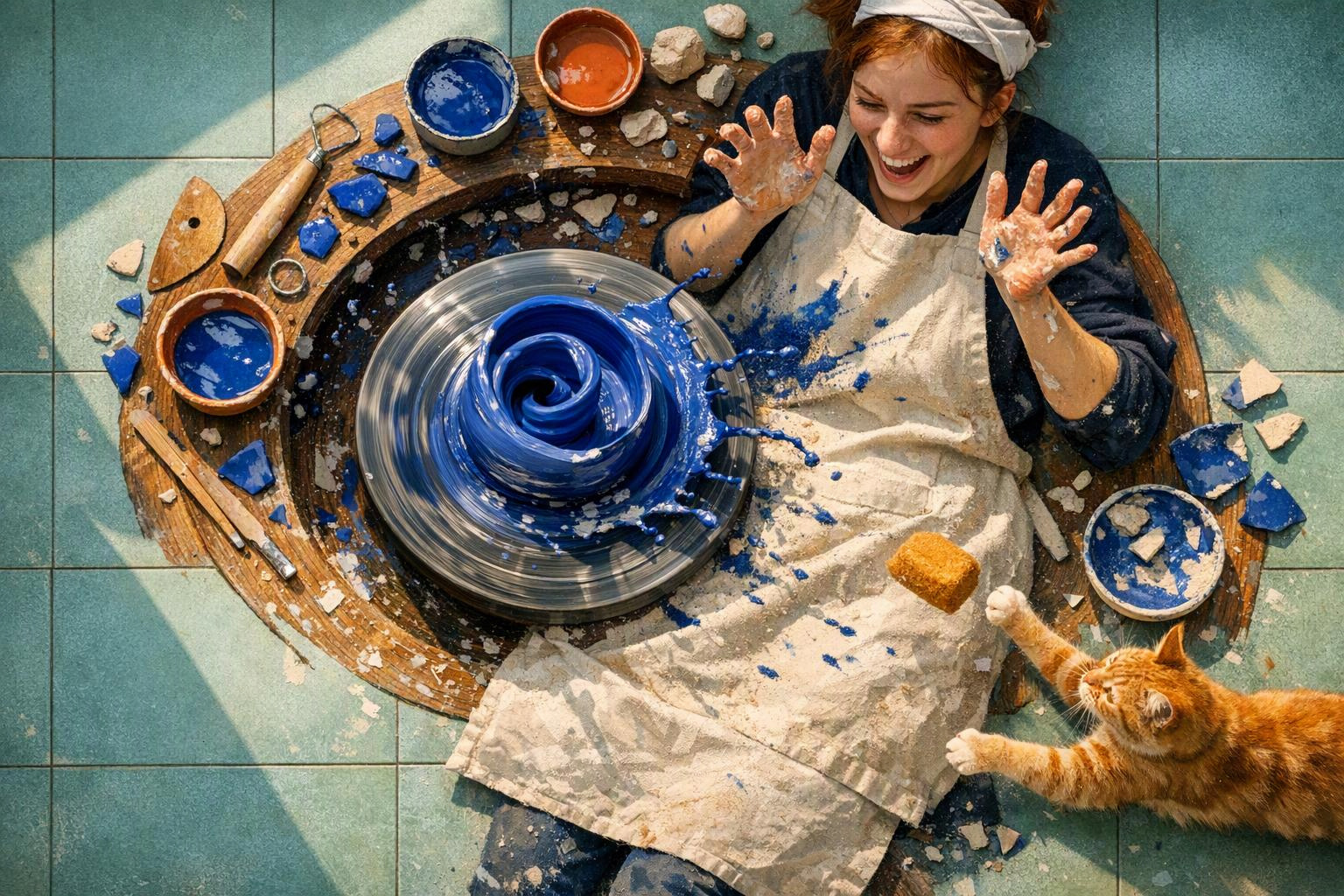
Generated with GPT Image 2.5 Sunburst Text-to-Image on Atlas Cloud
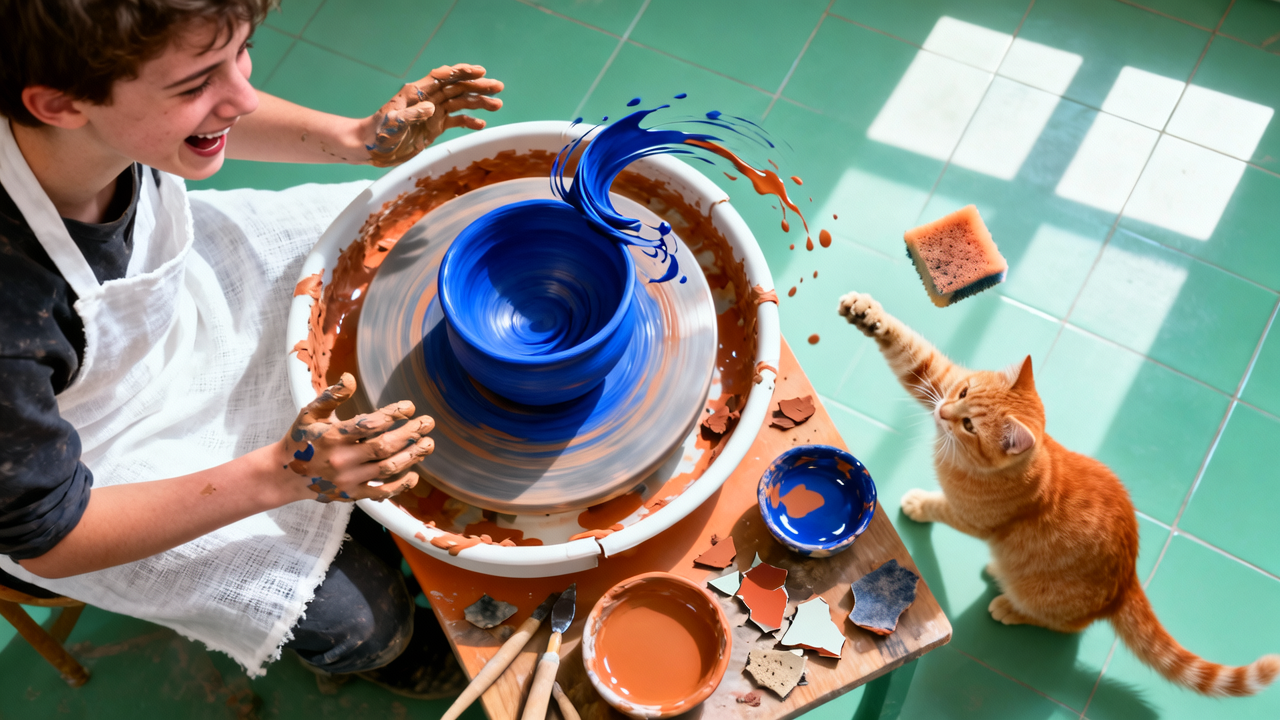
Generated with Nano Banana 2 Text-to-Image on Atlas Cloud
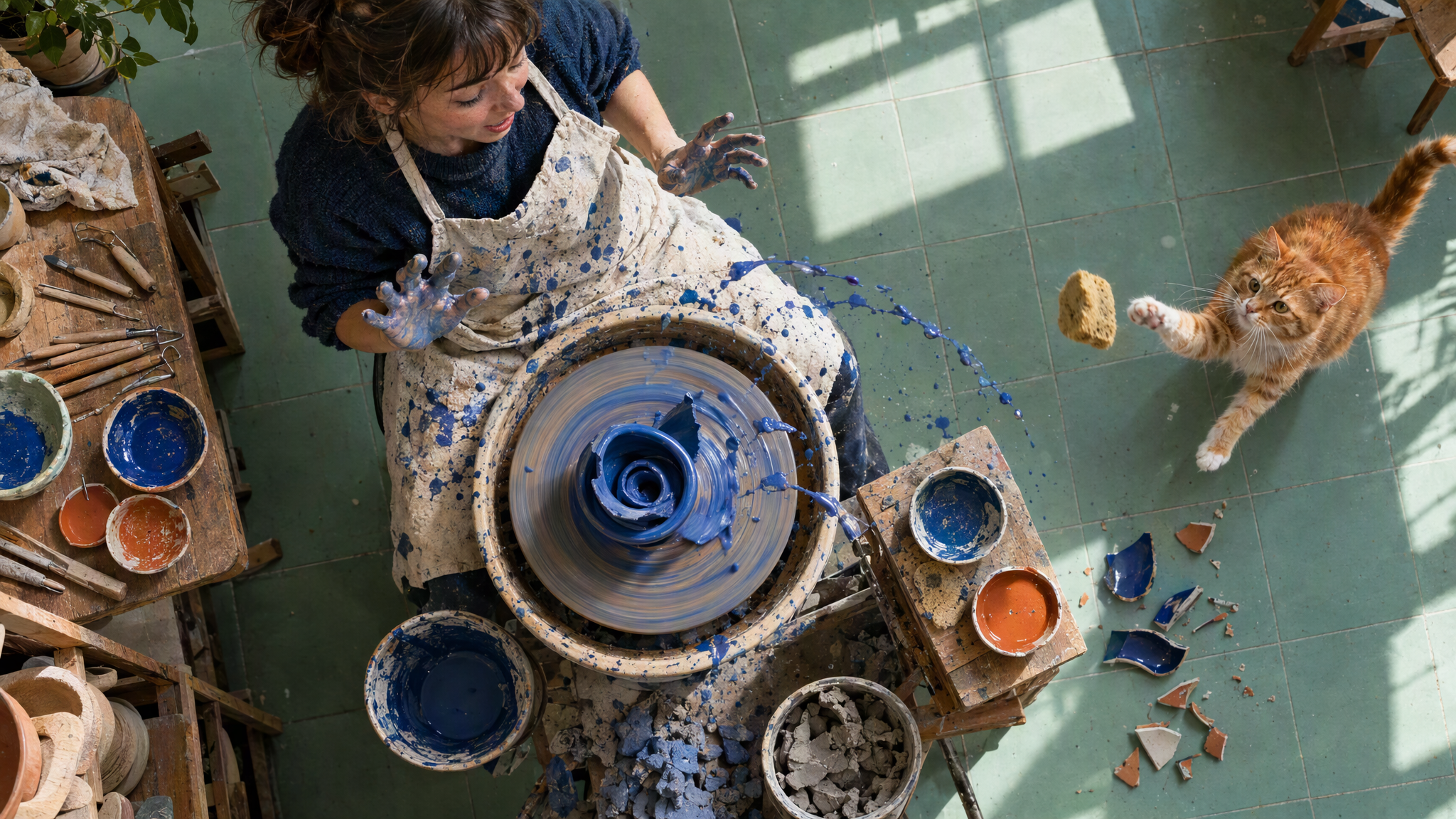
Generated with Openai GPT Image 2 Text-to-Image on Atlas Cloud
Across three model tiers, GPT Image 1 supports campaign creative, product visualization, interface concepts, targeted edits, concept development, and instructional graphics through text and image inputs.

Create campaign visuals with readable headlines, detailed compositions, and styles aligned to a creative brief. Marketing teams can produce social graphics, landing page imagery, posters, and advertising concepts for rapid iteration.

Place products in photorealistic scenes while maintaining natural lighting, textures, and spatial relationships. Ecommerce teams can develop catalog variations, lifestyle imagery, packaging concepts, and presentation assets without arranging a new photoshoot.

Turn detailed prompts into interface concepts that combine structured layouts with legible labels and supporting visuals. Product designers can explore application screens, dashboards, onboarding flows, and prototypes ready for stakeholder review before implementation.

Use source images and optional masks to target selected regions while preserving the surrounding composition. Creative teams can retouch subjects, remove objects, replace backgrounds, or refine individual elements during asset production.

Translate complex briefs into photorealistic, illustrative, or stylized visual directions with strong prompt adherence. Game studios, publishers, and creative teams can explore characters, environments, story moments, and moodboards before committing production resources.

Combine world knowledge, text rendering, and detailed instructions to produce diagrams, illustrated guides, and infographics. Educators, publishers, and product teams can turn explanations into approachable visual materials for lessons, documentation, and onboarding.
See how models from different providers stack up — compare performance, pricing, and unique strengths to make an informed decision.
| Model | Reference Image Limit | Output Num | Resolution | Aspect Ratio |
|---|---|---|---|---|
| GPT Image-1 | 4 | 1~10 | 1024×1024, 1024×1536, 1536×1024 | 1:1, 3:2, 2:3 |
| GPT Image-1.5 | 10 | 1 | 1024×1024, 1024×1536, 1536×1024 | 1:1, 3:2, 2:3 |
| GPT Image-1 Mini | 4 | 1~10 | 1024×1024, 1024×1536, 1536×1024 | 1:1, 3:2, 2:3 |
| Nano Banana 2 | 14 | 1 | 4K, 2K, 1K | 1:1 3:2 2:3 3:4 4:3 4:5 5:4 9:16 16:9 21:9 |
| Seedream 5.0 | 14 | 1~15 | 2K~4K+ | 1:1 3:2 2:3 3:4 4:3 4:5 5:4 9:16 16:9 21:9 |
Get started in minutes — follow these simple steps to integrate and deploy models through Atlas Cloud's platform.
Sign up at atlascloud.ai and complete verification. New users receive free credits to explore the platform and test models.
Combining the advanced GPT Image models with Atlas Cloud's GPU-accelerated platform provides unmatched performance, scalability, and developer experience.
Low Latency:
GPU-optimized inference for real-time reasoning.
Unified API:
Run GPT Image, GPT, Gemini, and DeepSeek with one integration.
Transparent Pricing:
Predictable per-token billing with serverless options.
Developer Experience:
SDKs, analytics, fine-tuning tools, and templates.
Reliability:
99.99% uptime, RBAC, and compliance-ready logging.
Security & Compliance:
SOC 2 Type II, HIPAA alignment, data sovereignty in US.
GPT Image 1 is OpenAI's natively multimodal model for image generation and editing. It accepts text and image inputs and produces image outputs. Atlas Cloud provides separate REST endpoints for text to image generation and image editing.
GPT Image 1 is the original full model, GPT Image 1.5 is a later full size revision, and Mini prioritizes lower cost and higher throughput. Compare representative prompts and edits across the tiers because quality, latency, and instruction following can vary by workload. For new integrations, OpenAI currently recommends migrating to GPT Image 2.
Send a prompt to openai/gpt-image-1/text-to-image for generation. For edits, call openai/gpt-image-1/edit with a prompt and the required source image. Keep your Atlas Cloud API credentials on the server rather than exposing them in browser or mobile code.
Supported sizes are 1024x1024, 1024x1536, 1536x1024, and auto. Choose low, medium, high, or auto quality, with PNG, JPEG, and WebP available as output formats. Transparent output requires PNG or WebP with the background parameter set to transparent.
Use a mask when an edit should affect only a selected region, while input fidelity controls how strongly the model preserves details from the source image. The source image and mask must share the same format and dimensions, remain below 50 MB, and the mask must contain an alpha channel. High input fidelity preserves more source detail but consumes more image input tokens.
The verified standard Atlas Cloud base price is $0.011 per image for both the text to image and editing models. This is the nonpromotional price, so temporary discounts are not included.
ChatGPT and direct image endpoints are different product workflows, so identical prompt text does not guarantee identical output. ChatGPT may incorporate conversational context, while an API request follows the prompt and parameters supplied with that call. Fix the size and quality settings, provide explicit constraints, and evaluate several outputs when consistency matters.
Precise text placement, recurring character consistency, and rigid layout control can still require retries or follow-up edits. Prompts and generated images are subject to content moderation, and blocked requests should not be retried without changing the prompt or inputs. For transient rate limit or server errors, log the request ID and retry with backoff.
Yes. OpenAI has scheduled GPT Image 1 to shut down on October 23, 2026, while GPT Image 1.5 and GPT Image 1 Mini are scheduled to shut down on December 1, 2026. OpenAI recommends GPT Image 2 as the replacement, so validate migration behavior before deploying a new production workflow.
Seedance 2.5 API is now available on Atlas Cloud! It gives developers ByteDance's newest video model. It generates up to 30 seconds of native video in a single pass from text, a single image, or as many as 50 multimodal references, with synchronized audio and in-frame multilingual text. On Atlas Cloud you reach it through one key, with subject consistency and improved physics keeping long shots coherent. (Update: Seedance 2.5 1080P API Is Available NOW!)

Wan 3.0 API is the next generation of Alibaba's Wan video family, built to push long-form generation, multi-reference control, and audiovisual quality to new heights. Atlas Cloud already hosts Wan 2.7, 2.6, and 2.5, and Wan 3.0 runs on the same unified key with no separate setup. Start building today. Scroll down to the showcase to see what Wan 3.0 can create.
MiniMax H3 is MiniMax's multimodal video family for text, image, and reference guided creation. Across supported routes, it preserves subjects from reference media, offers flexible aspect ratios, and pairs generated sound with visuals through H3 Developer, with output profiles selected by endpoint. Atlas Cloud unifies the family behind one OpenAI-compatible key with transparent pay-as-you-go pricing from the standard rate of $0.038 per second. Start building today.
The gpt-image-2.5 family from OpenAI gives developers a choice of Flare and Sunburst for production image workflows. Render at arbitrary resolutions up to 3840x2160 and select from five quality tiers, including xhigh and max, to match specific output requirements. Atlas Cloud provides ready-to-use REST inference with no cold starts and standard pricing from $0.004 per generation. Start building today.
Seedream 5.0 Pro API gives developers ByteDance's controllable image editing model on Atlas Cloud. It places edits precisely with anchors and coordinates, separates images into editable layers, fuses multiple references, and matches exact colors and materials, with multilingual text at 2K and 3K. On Atlas Cloud you reach it through one key!
Seedance 2.0 is ByteDance’s production video model for precise shot creation. Turn prompts into video, animate a first-frame image with optional last-frame guidance, or shape results with reference media and optional web search. Atlas Cloud brings these workflows into one unified API with transparent pay-as-you-go pricing and one OpenAI-compatible key. Start building today.
The Kling 3.0 API brings Kuaishou's flagship video suite to Atlas Cloud through one OpenAI-compatible key. It spans two models, Kling 3.0 for AI Director storytelling, multilingual lip-sync, and precise on-screen text, and Kling 3.0 Omni (O3) for subject and voice cloning from a short video or image. Both generate native audio in the same pass, with output up to 4K. Build cinematic narratives, global marketing, multilingual ads, and serialized character content on reliable infrastructure.
Grok Imagine Video gives developers access to xAI’s video family for creating, animating, extending, and editing clips. Generate 1 to 15 second videos from prompts, guide people, objects, or styles with up to seven reference images, and work at 480p or 720p. Atlas Cloud brings these capabilities together through OpenAI-compatible endpoints with transparent pay-as-you-go pricing. Start building today.
Vidu Q4 is Vidu's latest flagship video model, designed for image-to-video and reference-to-video generation. It can animate a single still image and create automatic scene transitions, giving developers two input paths for different product workflows. Atlas Cloud provides dedicated API endpoints with published parameter schemas at the verified standard price of $0.04 per second. Start building today.
Gemini Omni 1.1 Flash is Google DeepMind’s natively multimodal video family for flexible production workflows. Edit existing footage through text instructions, maintain visual consistency with up to 10 reference images and 3 video clips, or extend a shot in chainable segments to 40 seconds. Access every workflow on Atlas Cloud with one OpenAI-compatible API key, pay-as-you-go pricing, and Day-0 availability. Start building today.
Nano Banana 2.1 is Google's image model family built on Gemini 3.6 Flash. It delivers Pro-level generation and editing at Flash-level speed, supports natural-language edits and merges across 1 to 14 input images, and maintains consistency for up to 4 characters and 10 objects. Through Atlas Cloud, developers can access the family with one OpenAI-compatible key, reliable uptime, and Day-0 availability. Start building today.
Build with the Nano Banana 2 API, powered by Google's Gemini 3.1 Flash Image model. It generates native 4K visuals up to 4096x2304 with accurate text rendering and consistent characters across up to 14 reference images for both generation and editing. On Atlas Cloud you reach it through one unified API alongside 300+ models, with pricing from $0.04 per image, 99.99% uptime, and free credits to start.
Guides, tutorials, and product updates to help you get the most out of Atlas Cloud.



