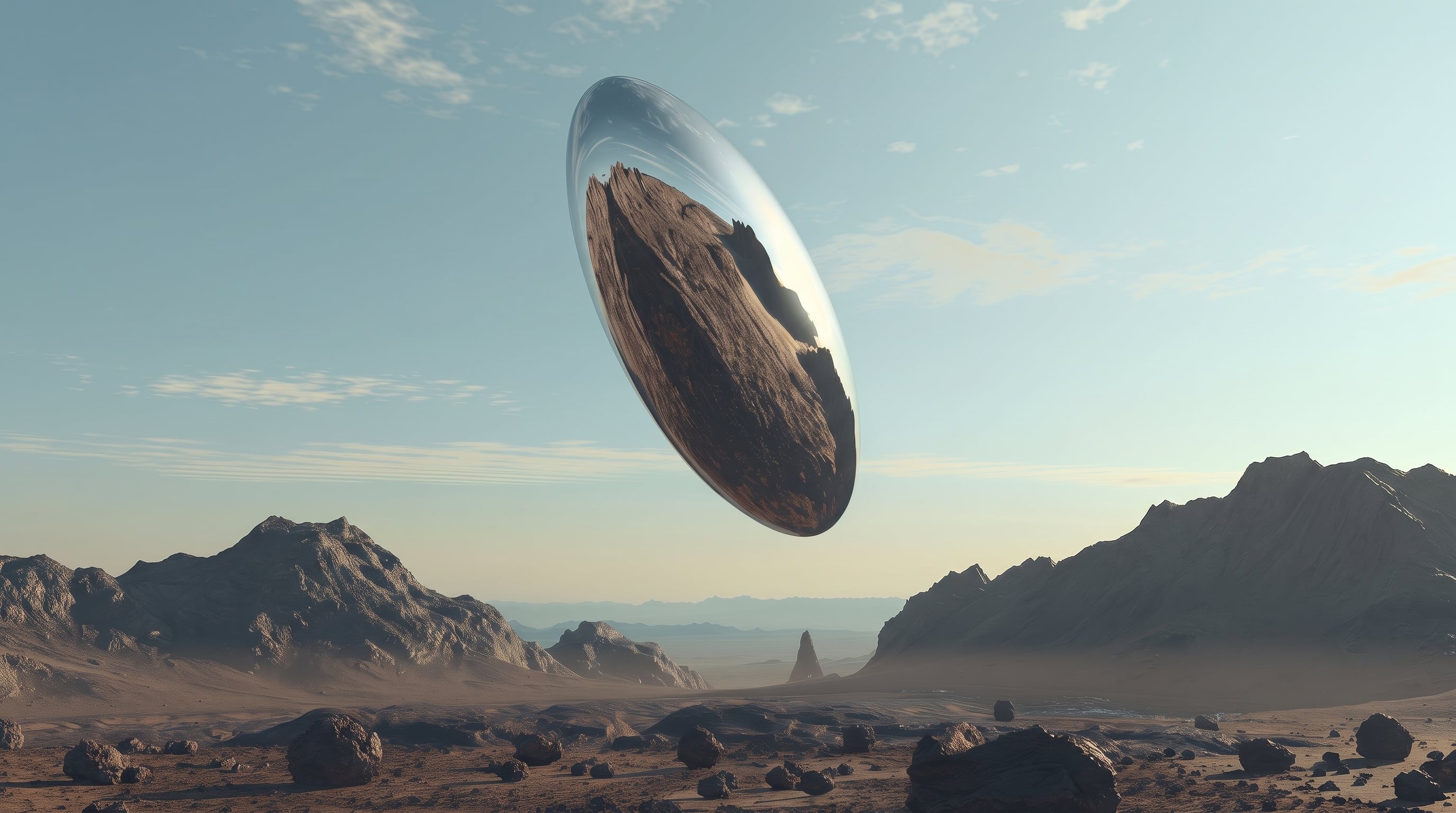
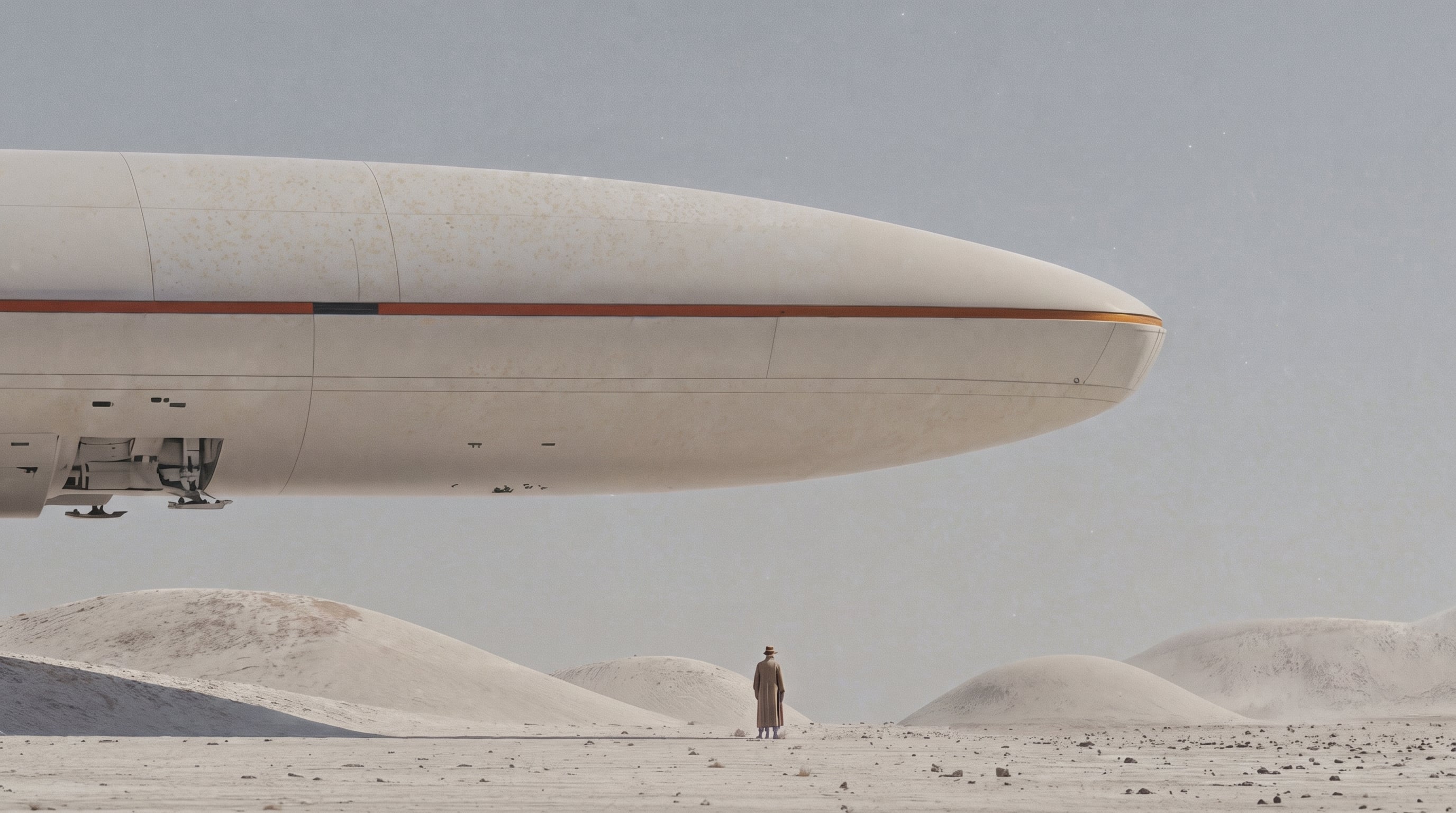

gpt-image-2.5 Up to 4K Output
The gpt-image-2.5 family from OpenAI gives developers a choice of Flare and Sunburst for production image workflows. Render at arbitrary resolutions up to 3840x2160 and select from five quality tiers, including xhigh and max, to match specific output requirements. Atlas Cloud provides ready-to-use REST inference with no cold starts and standard pricing from $0.004 per generation. Start building today.
GPT Image 2.5 is developed by OpenAI. Atlas Cloud (operated by Atlas Cloud AI LLC) provides access to it and does not own it. All trademarks belong to their respective owners.
Explore the Leading GPT Image 2.5
Atlas Cloud provides you with the latest industry-leading creative models.


Map gpt-image-2.5 by Generation and Editing Modality
Compare four gpt-image-2.5 endpoints by input workflow, output controls, and production fit.
| Modality | Description |
|---|---|
| GPT Image 2.5 Flare API (Text to Image) | Turn natural language prompts into images with the GPT Image 2.5 Flare API. Choose arbitrary resolutions up to 3840x2160, five quality tiers including xhigh and max, and transparent backgrounds for concept visuals, marketing assets, or compositing workflows. |
| GPT Image 2.5 Sunburst API (Text to Image) | For prompt based image creation, GPT Image 2.5 Sunburst produces visuals directly from written instructions. Its resolution, quality, and transparent background controls support high resolution campaign artwork, product imagery, and polished creative assets. |
| GPT Image 2.5 Flare Edit API (Image to Image) | Revise visuals through natural language instructions, up to 16 reference images, and an optional mask. The Flare editing endpoint supports arbitrary resolutions up to 3840x2160, five quality tiers, and transparent output for product variations, localized changes, and reusable design assets. |
| GPT Image 2.5 Sunburst Edit API (Image to Image) | When an image requires controlled modification, send natural language instructions with as many as 16 reference images and an optional mask. Sunburst Edit combines flexible resolution settings, xhigh and max quality tiers, and transparent backgrounds for detailed composites and final production visuals. |
GPT Image 2.5 - Sharper Images, Precise Edits
The GPT Image 2.5 API pairs OpenAI's latest fidelity gains with a Flare and Sunburst split, so every request can be tuned for speed or precision.
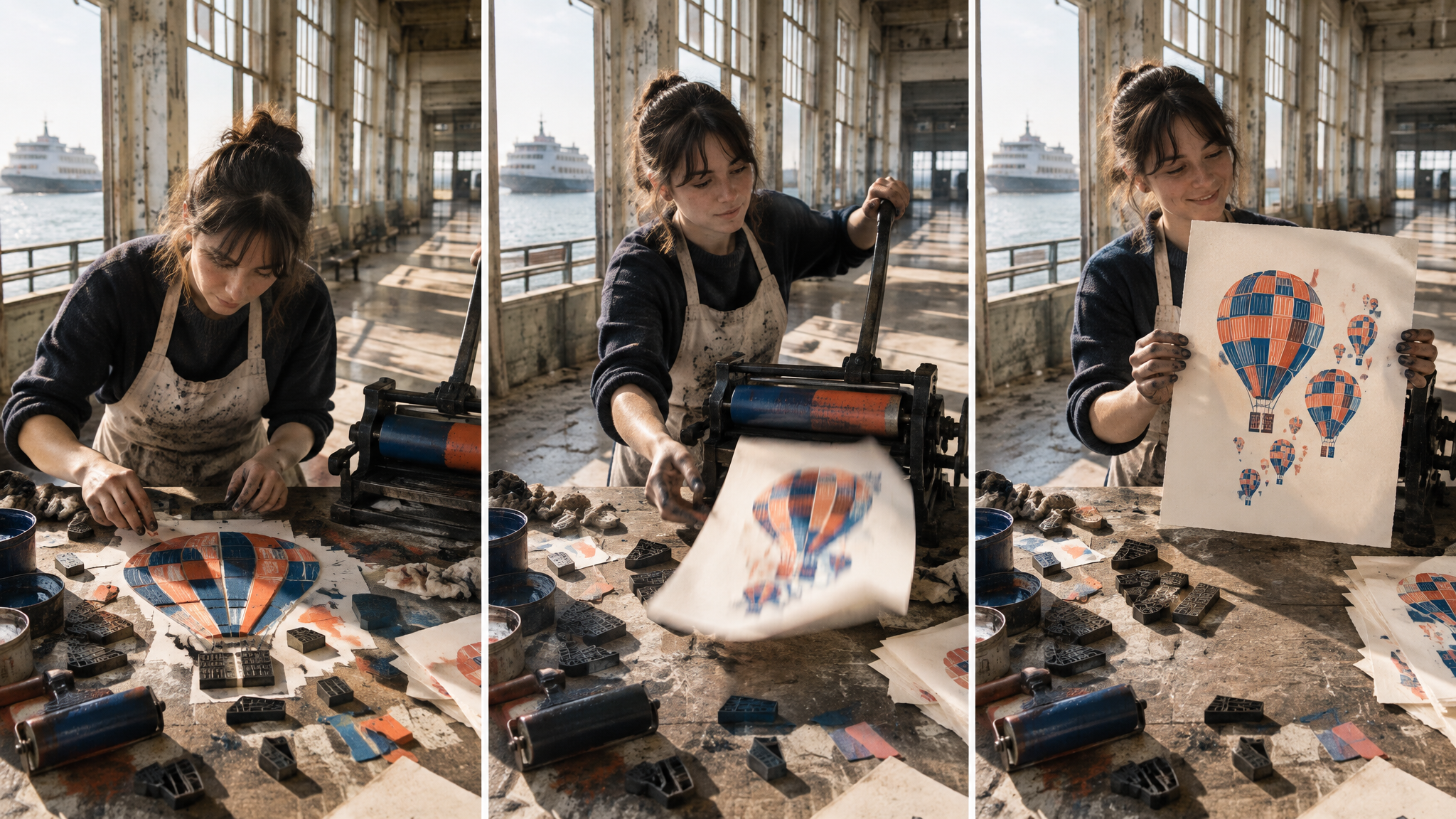
Faster Iteration with Flare
Flare carries the full quality and editing gains of GPT Image 2.5 while cutting latency by about half. Rapid drafts, variations, and A/B rounds come back quickly enough to keep you in flow.
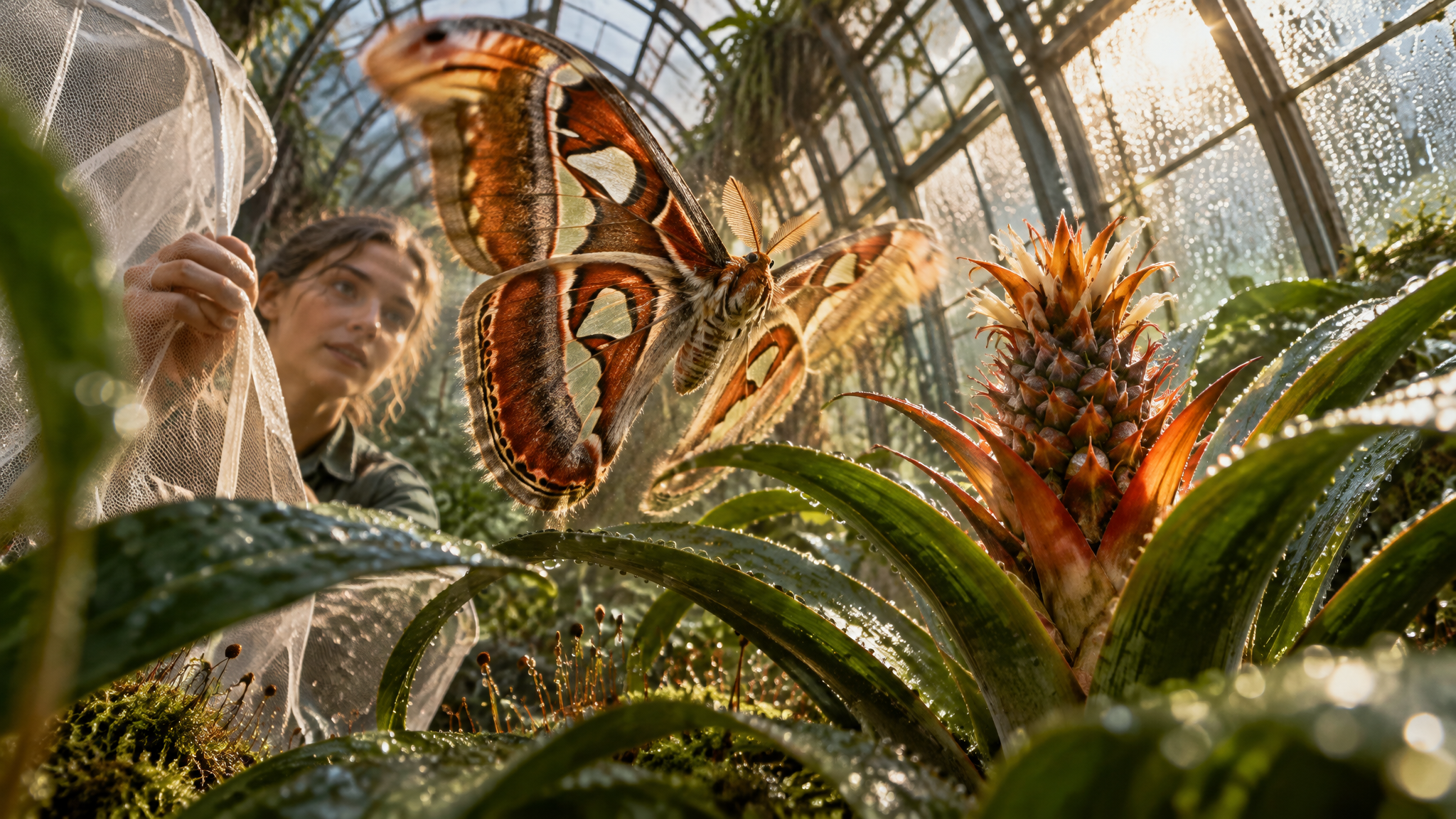
Maximum Precision with Sunburst
When detail matters more than speed, Sunburst spends longer on generation to resolve fine structure and intricate composition. It is the variant to reach for on hero shots and close-scrutiny work.
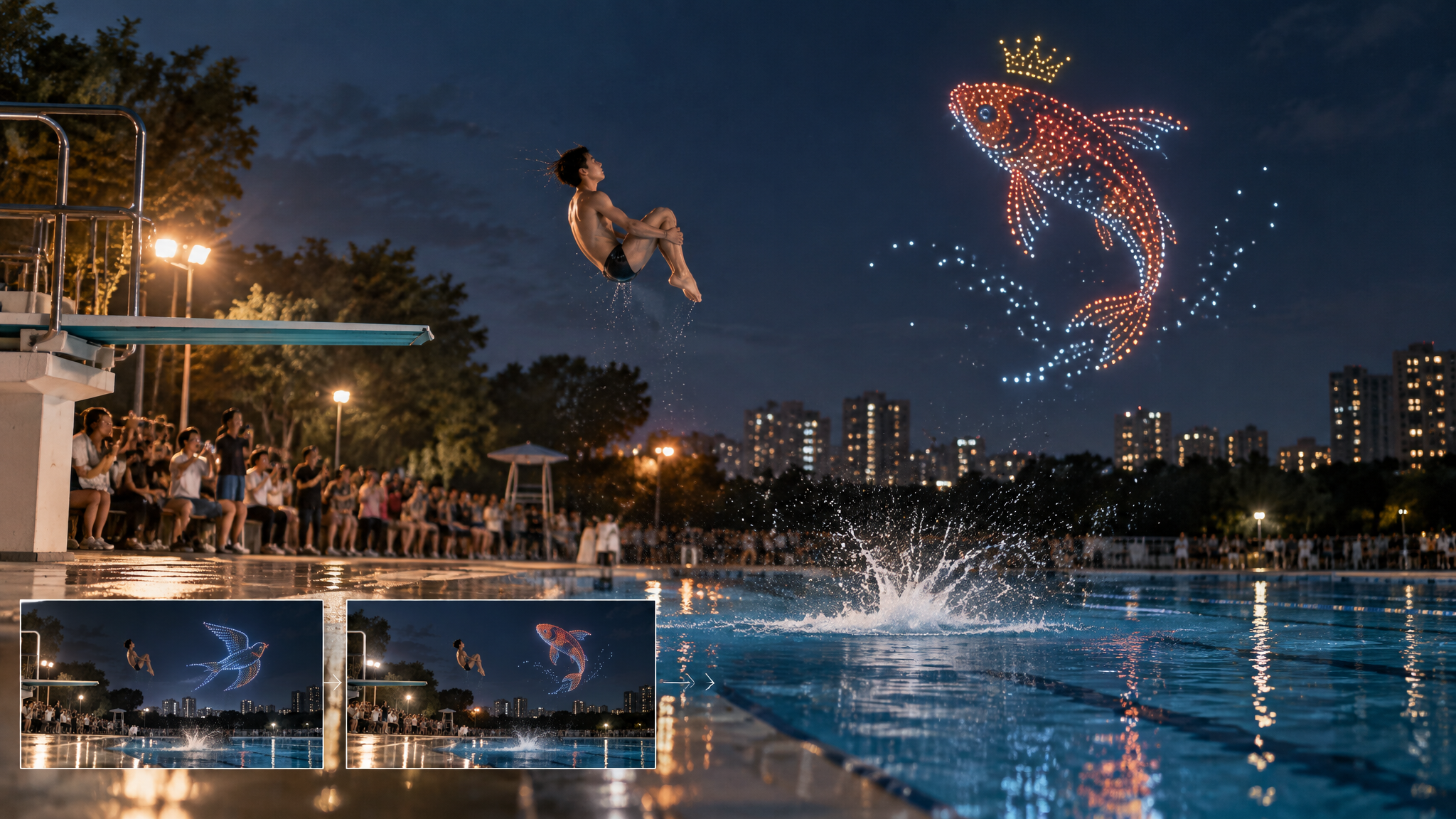
Reliable Multi-Turn Editing
Comment-based edits change only what you point to, and each pass leaves the rest of the image intact. Details stay consistent across multiple edits, so iterative refinement no longer drifts.
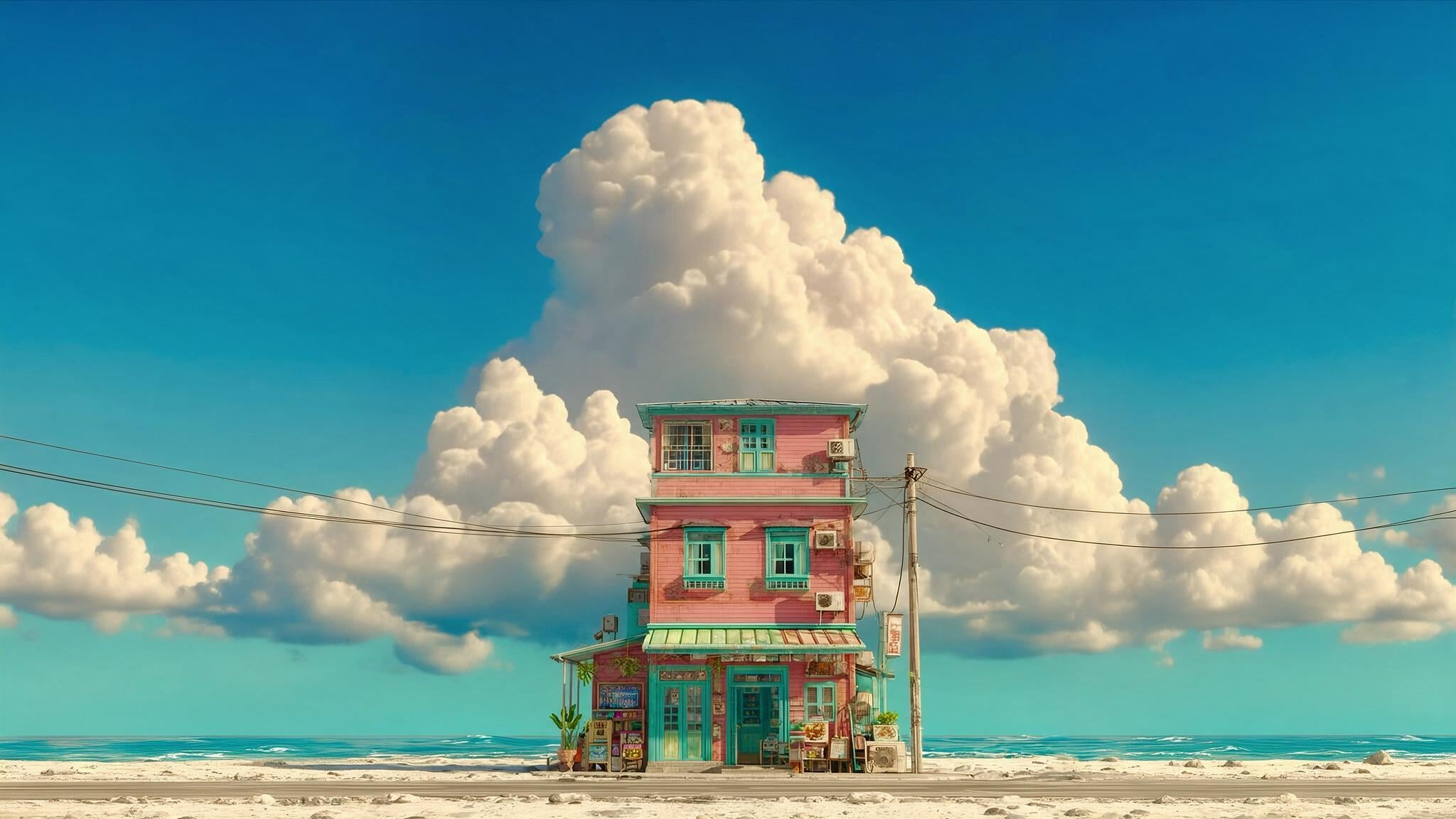
Truer Light and Texture
Lighting reads more naturally and surfaces carry richer texture, with sharper detail across the frame. The output looks recognizably real rather than synthetically smoothed, even on complex scenes.
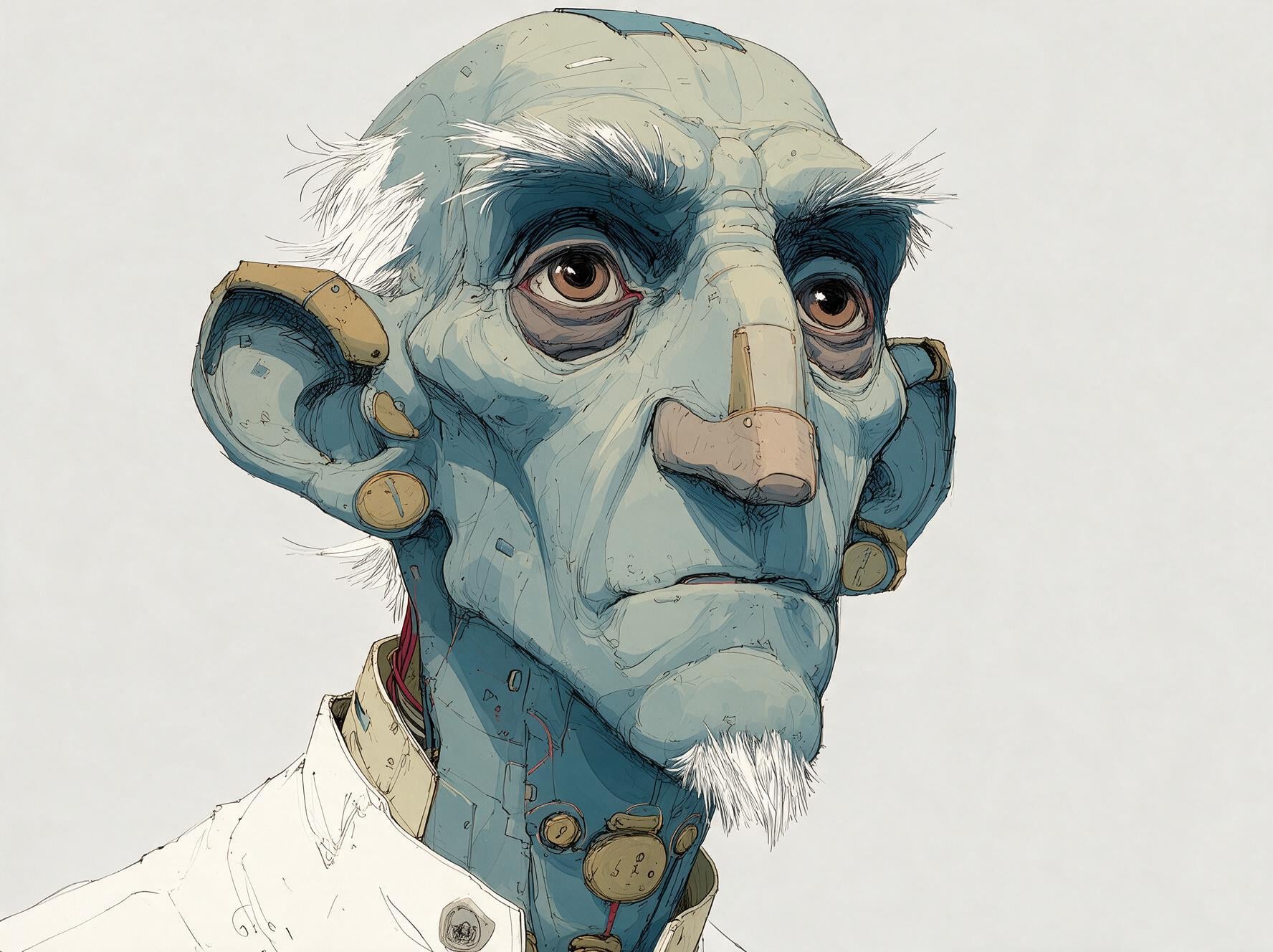
New Quality and Output Controls
Higher xhigh and max quality levels, arbitrary output resolutions within set constraints, and an opaque background option give finer command over how each image is rendered and delivered.
One Prompt, Three Models: gpt-image-2.5 in Focus
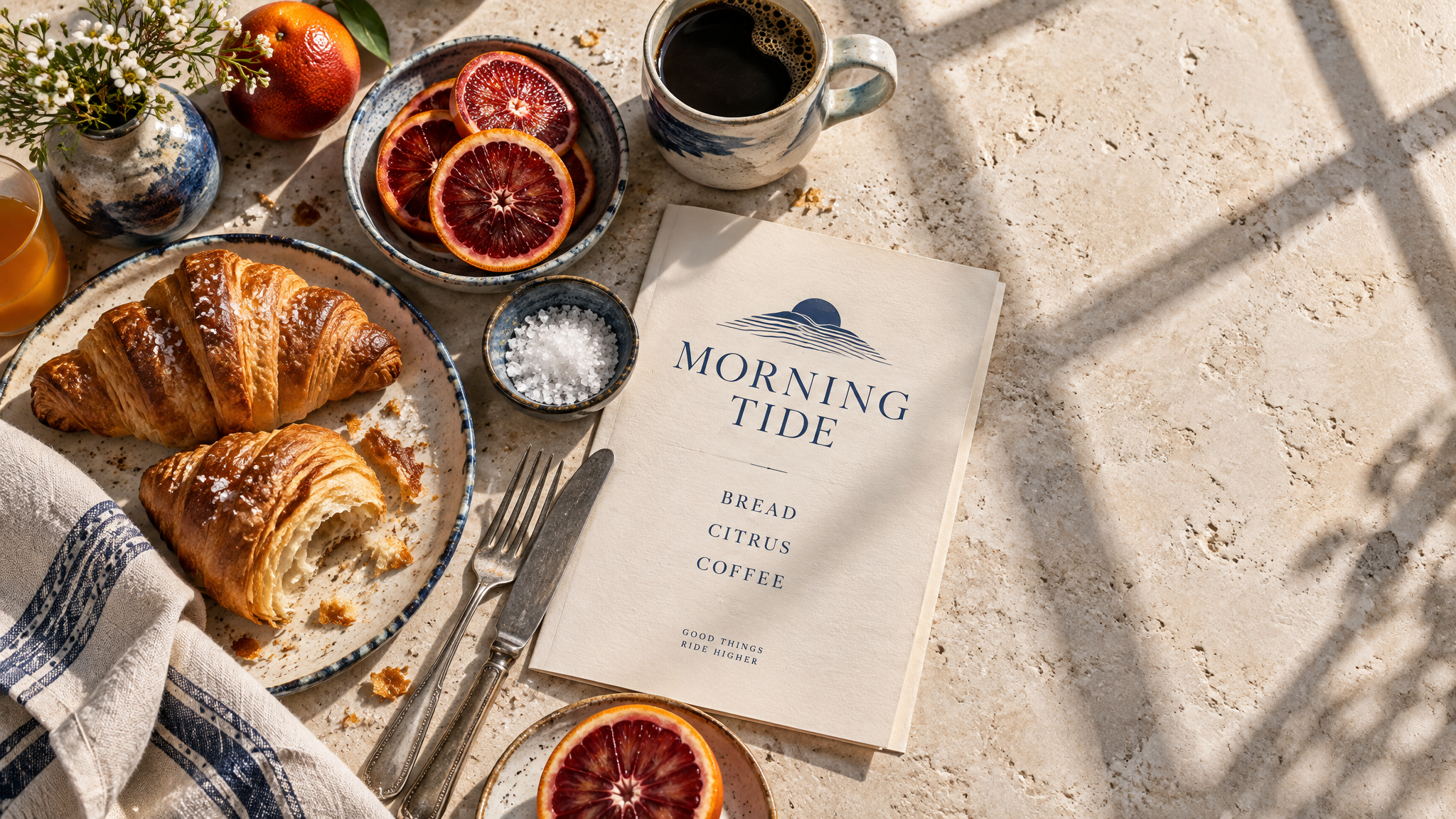
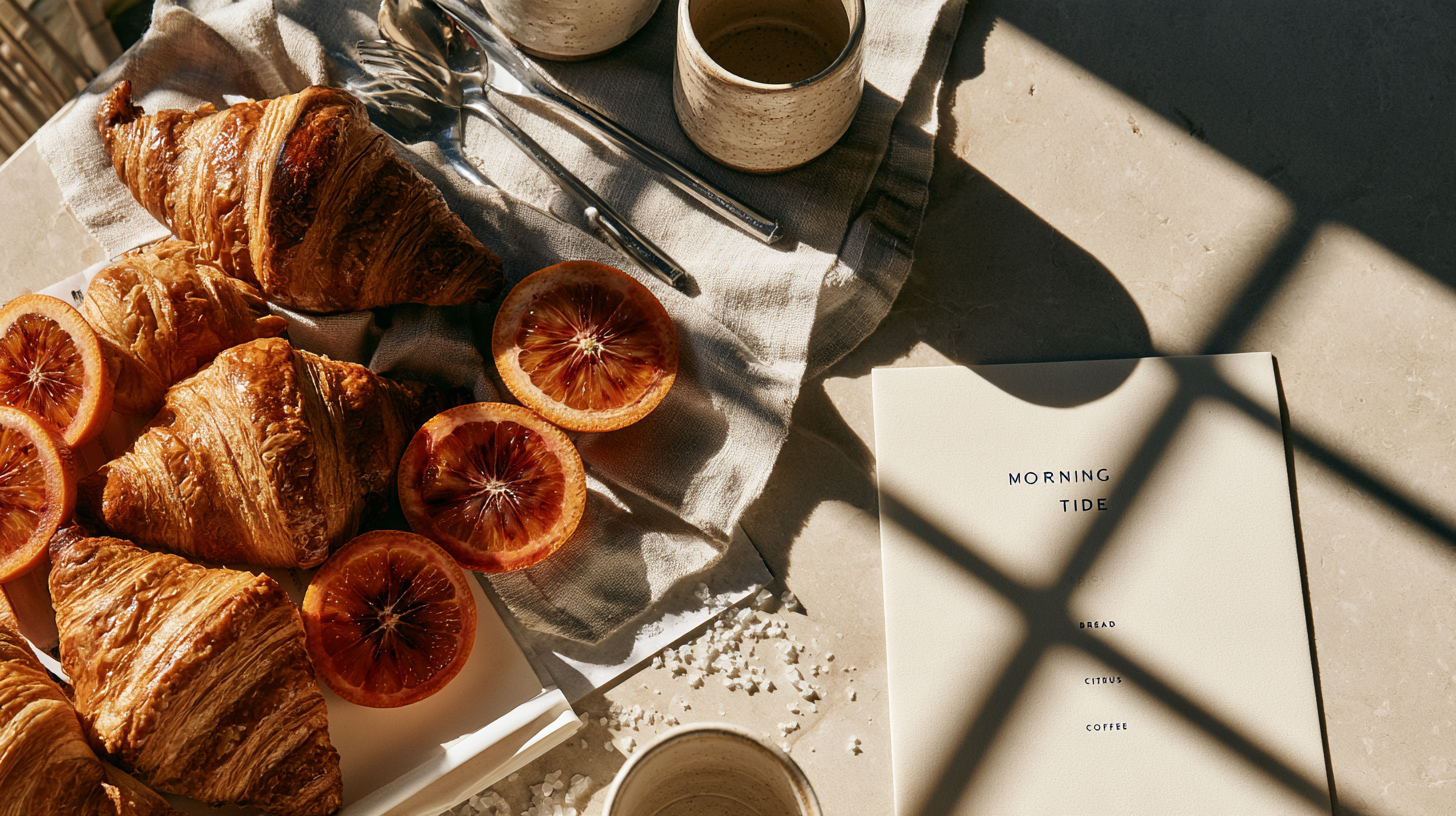
See how gpt-image-2.5 Sunburst, Nano Banana 2, and GPT Image 2 interpret the same photographic and design-focused prompts.
A decisive, unexpected moment inside a working glassblowing studio: a young female apprentice has just blown molten glass into an exaggerated transparent jellyfish form, its luminous bulbous bell still attached to the blowpipe as long delicate tentacles whip outward from the spin; beside her, a young studio partner recoils in delighted surprise while reaching with anatomically natural hands to catch a metal tool at the instant it begins to slip. Viewed through the dark brick arch of the furnace as a strong frame-within-a-frame, with diagonal workbench lines leading toward the pair and softly out-of-focus hanging glass vessels partially obscuring the foreground for layered depth. A shaft of cool white light from a high industrial window cuts directionally through smoke and floating dust, while restrained amber furnace light rims her sweaty profile, flyaway hair, hands, and the refractive edges of the glass. Controlled cobalt-blue and orange-gold complementary palette, clean rich color separation, deep yet readable workshop space. Preserve authentic imperfections: beads of sweat, heat-flushed skin, soot-darkened old bricks, scratched steel tools, worn protective clothing, subtle motion blur in the flying tentacles and falling tool, tiny bubbles, warped reflections, caustics, refraction, and uneven thickness inside the transparent glass. Editorial documentary 35mm film photography, candid human emotion, tactile realism, natural skin texture, fine film grain, crisp focal plane with gentle optical falloff, dynamic 35mm wide environmental composition, no posing, no excessive rendering, no HDR look, no plastic skin, no muddy colors, no ubiquitous glow, no cheap epic atmosphere, wide 16:9 aspect ratio, horizontal full-bleed composition filling the entire frame.
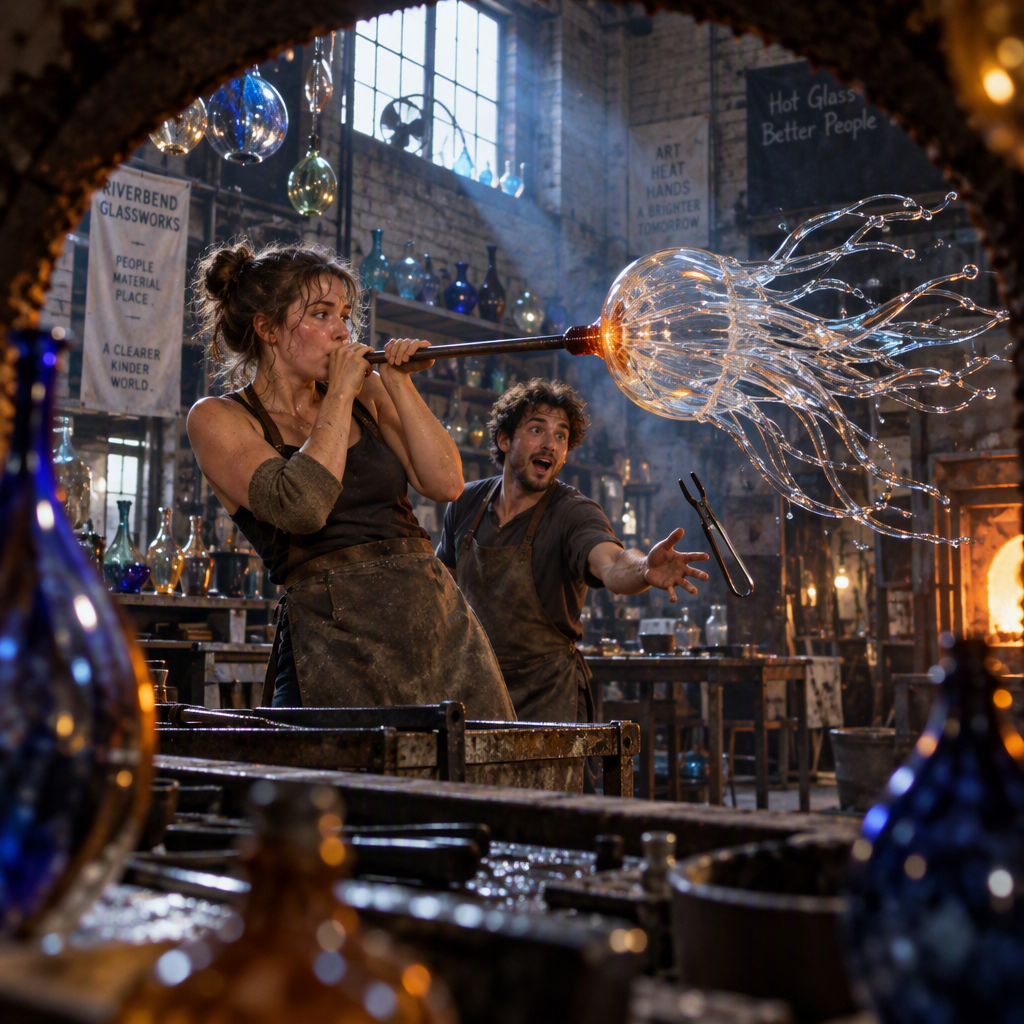
Generated with GPT Image 2.5 Sunburst Text-to-Image on Atlas Cloud
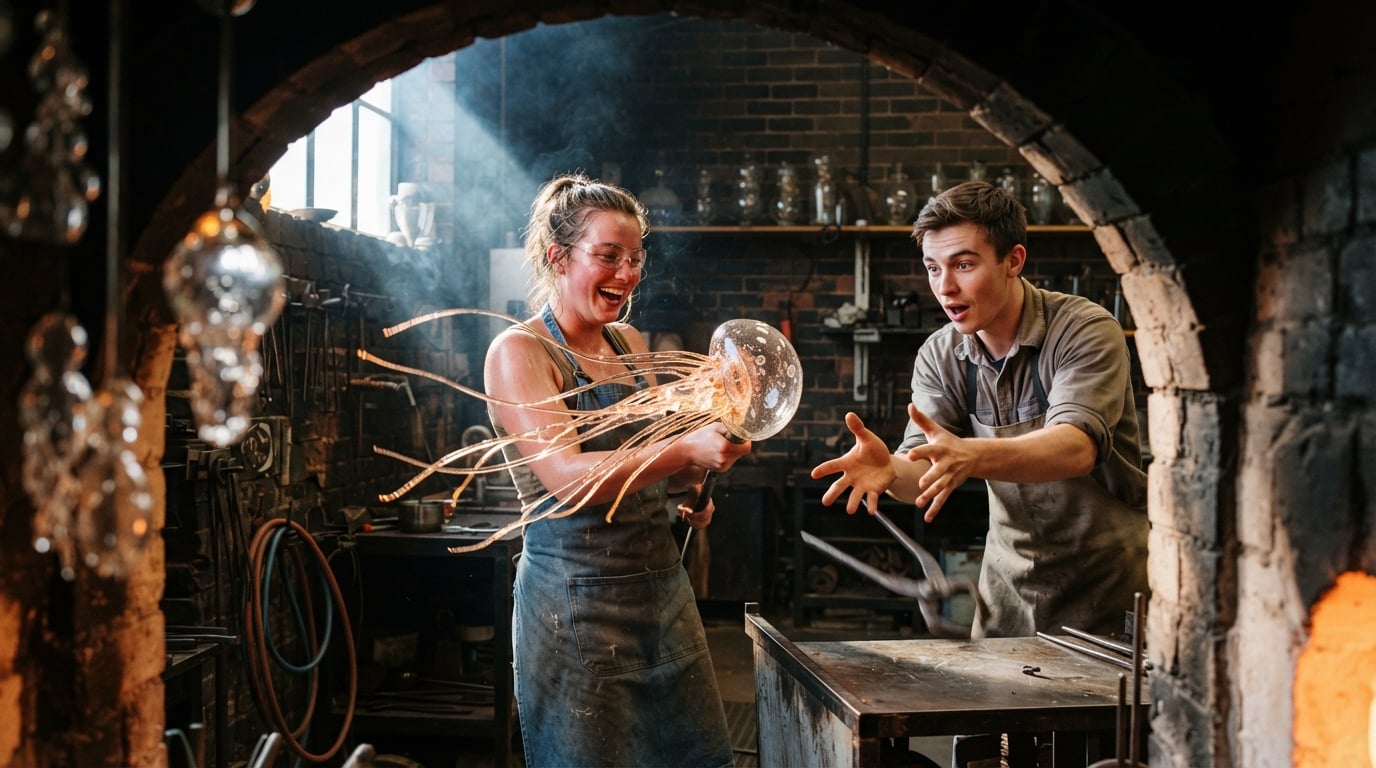
Generated with Nano Banana 2 Text-to-Image on Atlas Cloud
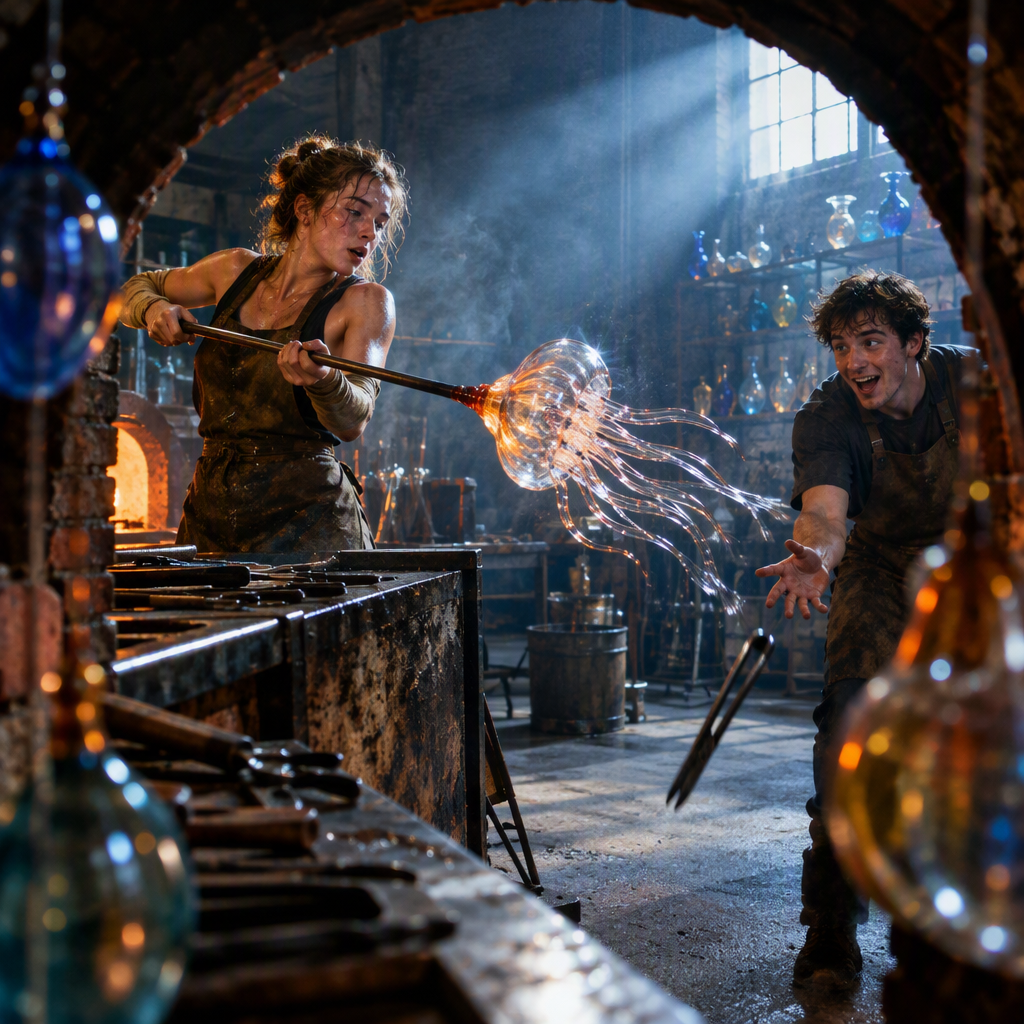
Generated with Openai GPT Image 2 Text-to-Image on Atlas Cloud
A meticulously arranged breakfast table for a fictional coastal bakery called MORNING TIDE, photographed directly from above. Flaky croissants, sliced blood oranges, a linen napkin, handmade ceramic cups, silver cutlery, scattered sea-salt crystals, and a folded menu create a dense cluster on the left while the right side retains calm negative space. Print MORNING TIDE clearly on the menu in refined navy serif lettering, followed by BREAD, CITRUS, COFFEE in smaller aligned type. Strong window light enters from the upper left and throws long geometric shadows across pale limestone. Controlled navy, cream, and orange palette, visible pastry crumbs, woven linen fibers, glazed ceramic imperfections, crisp editorial food photography with subtle film grain, horizontal top-down composition, wide 16:9 aspect ratio, full-bleed
Generated with GPT Image 2.5 Sunburst Text-to-Image on Atlas Cloud
Generated with Nano Banana 2 Text-to-Image on Atlas Cloud
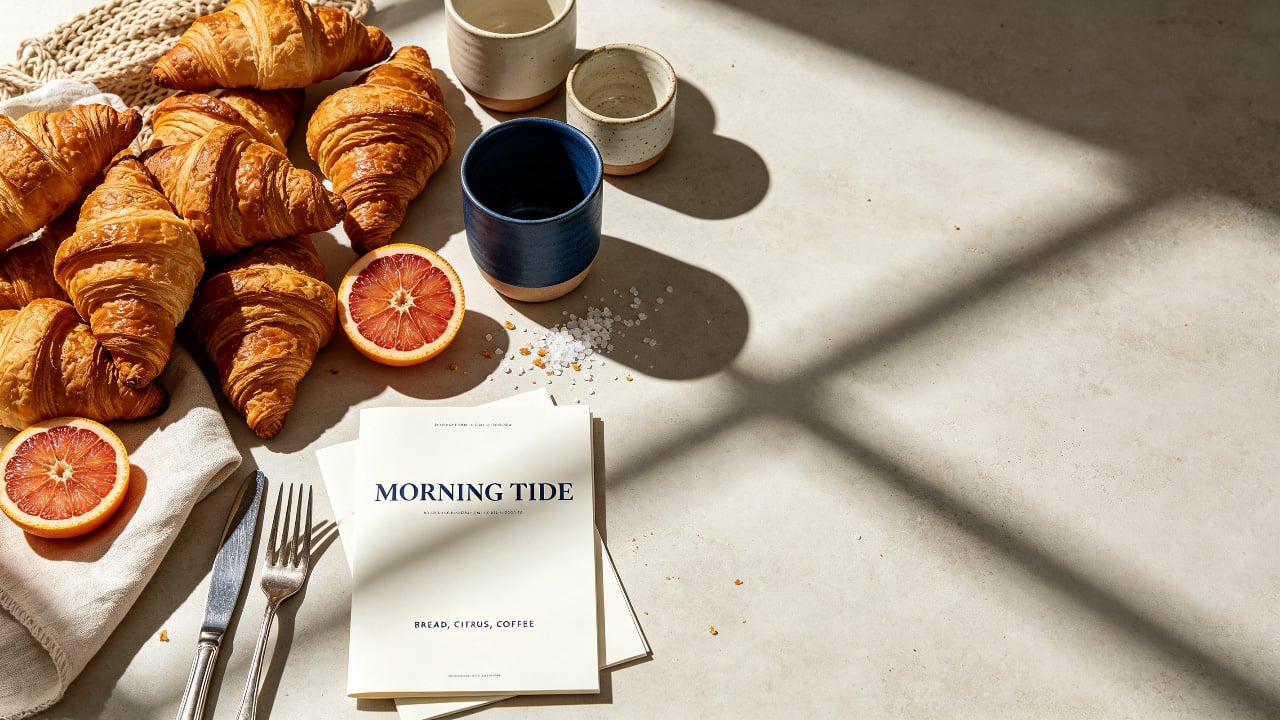
Generated with Openai GPT Image 2 Text-to-Image on Atlas Cloud
Build Visual Pipelines Around gpt-image-2.5
Move from multi-reference compositions and masked revisions to transparent production assets and high-resolution delivery with gpt-image-2.5, choosing among five quality tiers for each stage.

gpt-image-2.5 Product Scene Assembly
Up to 16 reference images can be paired with natural-language instructions in a single gpt-image-2.5 product scene. Commerce teams can turn separate product, prop, and setting inputs into coordinated catalog concepts for seasonal launches.

Masked Regional Retouching
When one area needs attention, an optional mask guides gpt-image-2.5 alongside plain-language editing instructions. Retouchers can adjust localized visual details for portraits, merchandise, and campaign assets without recreating the full composition.

Transparent Asset Production
Create transparent-background assets at arbitrary resolutions up to 3840x2160 for reusable visual components. App developers can prepare interface objects, game props, and compositing elements sized for multiple product surfaces from one API workflow.

gpt-image-2.5 Quality Staging
As a concept advances, gpt-image-2.5 offers five quality tiers that support different production stages. Creative teams can reserve xhigh or max settings for detail-sensitive outputs while testing earlier directions with other available tiers.

Multi-Reference Concept Boards
Room, furnishing, material, and lighting references can share one edit request, with up to 16 images available when needed. Interior teams can develop mood boards and staged-space concepts from a consolidated visual brief.

gpt-image-2.5 High-Resolution Delivery
For demanding digital placements, render gpt-image-2.5 outputs at arbitrary dimensions up to 3840x2160 with xhigh or max quality. Designers can prepare detailed hero graphics, widescreen backdrops, and presentation visuals for production.
Where gpt-image-2.5 Fits Across Production Image APIs
Compare gpt-image-2.5 endpoints with competing image models by workflow, reference capacity, output resolution, and standard per-call price.
| Model | Provider | Workflow | Max Reference Images | Max Output Resolution | Standard Price per Call |
|---|---|---|---|---|---|
| GPT Image 2.5 Flare Text-to-Image | OpenAI | Text-to-image | Not applicable | Up to 3840×2160 | $0.004 |
| GPT Image 2.5 Sunburst Text-to-Image | OpenAI | Text-to-image | Not applicable | Up to 3840×2160 | $0.004 |
| GPT Image 2.5 Flare Edit | OpenAI | Image editing | 16 | Up to 3840×2160 | $0.006 |
| GPT Image 2.5 Sunburst Edit | OpenAI | Image editing | 16 | Up to 3840×2160 | $0.006 |
| Nano Banana 2 Edit | Image editing | 14 | Up to 4K | $0.08 | |
| Qwen Image 3.0 Pro Edit | Qwen | Image editing | 3 | Up to 1440×1440 | $0.04 |
| MAI-Image-2.5 Edit | Microsoft | Image editing | 1 | Up to 1,048,576 total pixels | $0.058 |
How to Use GPT Image 2.5 on Atlas Cloud
Get started in minutes — follow these simple steps to integrate and deploy models through Atlas Cloud's platform.
Create an Atlas Cloud Account
Sign up at atlascloud.ai and complete verification. New users receive free credits to explore the platform and test models.
Why Use GPT Image 2.5 on Atlas Cloud
Combining the advanced GPT Image 2.5 models with Atlas Cloud's GPU-accelerated platform provides unmatched performance, scalability, and developer experience.
Performance & flexibility
Low Latency:
GPU-optimized inference for real-time reasoning.
Unified API:
Run GPT Image 2.5, GPT, Gemini, and DeepSeek with one integration.
Transparent Pricing:
Predictable per-token billing with serverless options.
Enterprise & Scale
Developer Experience:
SDKs, analytics, fine-tuning tools, and templates.
Reliability:
99.99% uptime, RBAC, and compliance-ready logging.
Security & Compliance:
SOC 2 Type II, HIPAA alignment, data sovereignty in US.
GPT Image 2.5 API: Developer FAQ
GPT-Image-2.5 is OpenAI's image generation and editing model family for creating images from prompts and refining existing visuals. Its API variants, Flare and Sunburst, deliver sharper detail, more precise edits, and stronger consistency across repeated revisions.
Use it to generate product imagery, campaign assets, social graphics, UI concepts, illustrations, and other visual content from natural language. Existing images can be restyled or selectively edited while preserving subjects, composition, and surrounding details more reliably.
Authenticate with your Atlas Cloud API key and select one of the four REST endpoints for Flare or Sunburst generation and editing. Send a prompt for text-to-image generation, or provide reference images and an optional mask for an edit request.
Choose text-to-image when your workflow begins with a written prompt and requires a new visual. The edit endpoint is designed for changing an existing image, combining references, or restricting a modification to a masked region.
Atlas Cloud supports arbitrary output resolutions up to 3840x2160 and five quality tiers: low, medium, high, xhigh, and max. Background output can be configured for transparent results when clean cutouts or compositing assets are required.
Editing requests can include up to 16 reference images alongside natural language instructions. Add an optional mask when the change should be confined to a specific region, while unmasked areas provide context for the intended result.
The verified standard base price is $0.004 per text-to-image request and $0.006 per edit request for both Flare and Sunburst. Atlas Cloud provides pay-as-you-go access, so you can select the endpoint that fits each stage of your workflow.
Flare is the default choice for most applications and prioritizes faster generation for prototyping, variations, and higher-volume workflows. Sunburst takes longer but provides additional precision for detailed creative work, polished product imagery, and production-ready campaign assets.
Keep the instruction focused and state which subjects, objects, or visual details must remain unchanged. For localized changes, supply a mask and relevant reference images, then review each result before using it in production. If precision matters more than generation time, test the request with Sunburst.
Explore More Families
Seedance 2.5
Seedance 2.5 API is now available on Atlas Cloud! It gives developers ByteDance's newest video model. It generates up to 30 seconds of native video in a single pass from text, a single image, or as many as 50 multimodal references, with synchronized audio and in-frame multilingual text. On Atlas Cloud you reach it through one key, with subject consistency and improved physics keeping long shots coherent. (Update: Seedance 2.5 1080P API Is Available NOW!)

Wan 3.0
Wan 3.0 API is the next generation of Alibaba's Wan video family, built to push long-form generation, multi-reference control, and audiovisual quality to new heights. Atlas Cloud already hosts Wan 2.7, 2.6, and 2.5, and Wan 3.0 runs on the same unified key with no separate setup. Start building today. Scroll down to the showcase to see what Wan 3.0 can create.
MiniMax H3
MiniMax H3 is MiniMax's multimodal video family for text, image, and reference guided creation. Across supported routes, it preserves subjects from reference media, offers flexible aspect ratios, and pairs generated sound with visuals through H3 Developer, with output profiles selected by endpoint. Atlas Cloud unifies the family behind one OpenAI-compatible key with transparent pay-as-you-go pricing from the standard rate of $0.038 per second. Start building today.
Seedream 5.0 Pro
Seedream 5.0 Pro API gives developers ByteDance's controllable image editing model on Atlas Cloud. It places edits precisely with anchors and coordinates, separates images into editable layers, fuses multiple references, and matches exact colors and materials, with multilingual text at 2K and 3K. On Atlas Cloud you reach it through one key!
Seedance 2.0
Seedance 2.0 is ByteDance’s production video model for precise shot creation. Turn prompts into video, animate a first-frame image with optional last-frame guidance, or shape results with reference media and optional web search. Atlas Cloud brings these workflows into one unified API with transparent pay-as-you-go pricing and one OpenAI-compatible key. Start building today.
GPT Image 2.5
The gpt-image-2.5 family from OpenAI gives developers a choice of Flare and Sunburst for production image workflows. Render at arbitrary resolutions up to 3840x2160 and select from five quality tiers, including xhigh and max, to match specific output requirements. Atlas Cloud provides ready-to-use REST inference with no cold starts and standard pricing from $0.004 per generation. Start building today.
GPT Image 2
The GPT Image 2 API gives developers access to OpenAI's latest image model, the successor to GPT Image 1.5. It generates and edits images with accurate text rendering across Latin and CJK scripts, plus strong composition for posters, mockups, and infographics. On Atlas Cloud you reach it through one unified API alongside 300+ models, with free credits, 99.99% uptime, and no OpenAI organization verification required.
Gemini Omni Flash
The gemini omni API brings Google DeepMind's natively multimodal Gemini Omni Flash family, including Gemini Omni 1.1 Flash, to developers. Create cinematic video with synchronized native audio, animate still images with precise start and end frame control, or revise existing footage through text guided edits that preserve untouched content. Atlas Cloud provides one OpenAI-compatible key, unified access, and transparent pay-as-you-go pricing. Start building today.
Grok Imagine
Grok Imagine Image is xAI's family for generating polished visuals and revising one or more reference images through natural language instructions. Its standard and quality endpoints cover text to image creation, single image changes, and indexed multi-image composition. Atlas Cloud brings these workflows into one API, with standard generation and editing priced at $0.02 per image. Start building today.
Google's most powerful creative models are all available on Atlas Cloud. Veo 3.1 delivers cinematic video generation, Nano Banana 2 powers high-fidelity image creation, and Gemini brings multimodal intelligence to every workflow. Access the full Google model suite through one API key with Day-0 availability and pay-as-you-go pricing.
Seedance 2.0 Mini
The Seedance 2.0 Mini API is the lightest, lowest-cost tier of ByteDance's Seedance video line, built for teams where throughput and unit cost matter more than maximum polish. Use it for batch generation, rapid prototyping, and draft passes, all through one OpenAI-compatible key on Atlas Cloud.
ByteDance
From cinematic video generation to high-fidelity image creation, ByteDance's most powerful models are live on Atlas Cloud. Run Seedance and Seedream at scale with the lowest inference pricing and zero infrastructure overhead.
Recommended Articles
Guides, tutorials, and product updates to help you get the most out of Atlas Cloud.


