
Grok API: xAI Reasoning and Coding Models
The Grok API gives developers xAI's Grok models on Atlas Cloud through one OpenAI-compatible key. It covers two models: Grok 4.3, an advanced reasoning model with a 1M token context window for long-document analysis and agentic workflows, and Grok Build 0.1, purpose-built for code generation, debugging, and refactoring. Run both alongside 300+ models on one account, with OpenAI-compatible endpoints, reliable infrastructure, and pay-as-you-go access.
Grok is developed by xAI. Atlas Cloud (operated by Atlas Cloud AI LLC) provides access to it and does not own it. All trademarks belong to their respective owners.
Explore the Leading Grok
Atlas Cloud provides you with the latest industry-leading creative models.




Compare the Grok API Models
Match each job to the right model: Grok 4.3 for reasoning across a 1M token context and Grok Build 0.1 for agentic coding, both reachable through one OpenAI-compatible key on Atlas Cloud.
| Model | Type | Best For | Context | Inputs | Function Calling | Structured Outputs | Prompt Caching | Status |
|---|---|---|---|---|---|---|---|---|
| Grok 4.3 | Flagship reasoning model | Logic, analysis, multi-step agents, long-document work | 1M tokens | Text, image | Yes | Yes | Yes | Flagship, GA |
| Grok Build 0.1 | Coding-focused model | Code generation, debugging, refactoring, coding agents | 256K tokens | Text, image | Yes | Yes | Yes | Early access |
Grok API Features
The Grok API brings xAI's reasoning and coding models to Atlas Cloud with a 1M token context window, always-on reasoning, function calling, structured outputs, vision input, and prompt caching, all behind one OpenAI-compatible key.
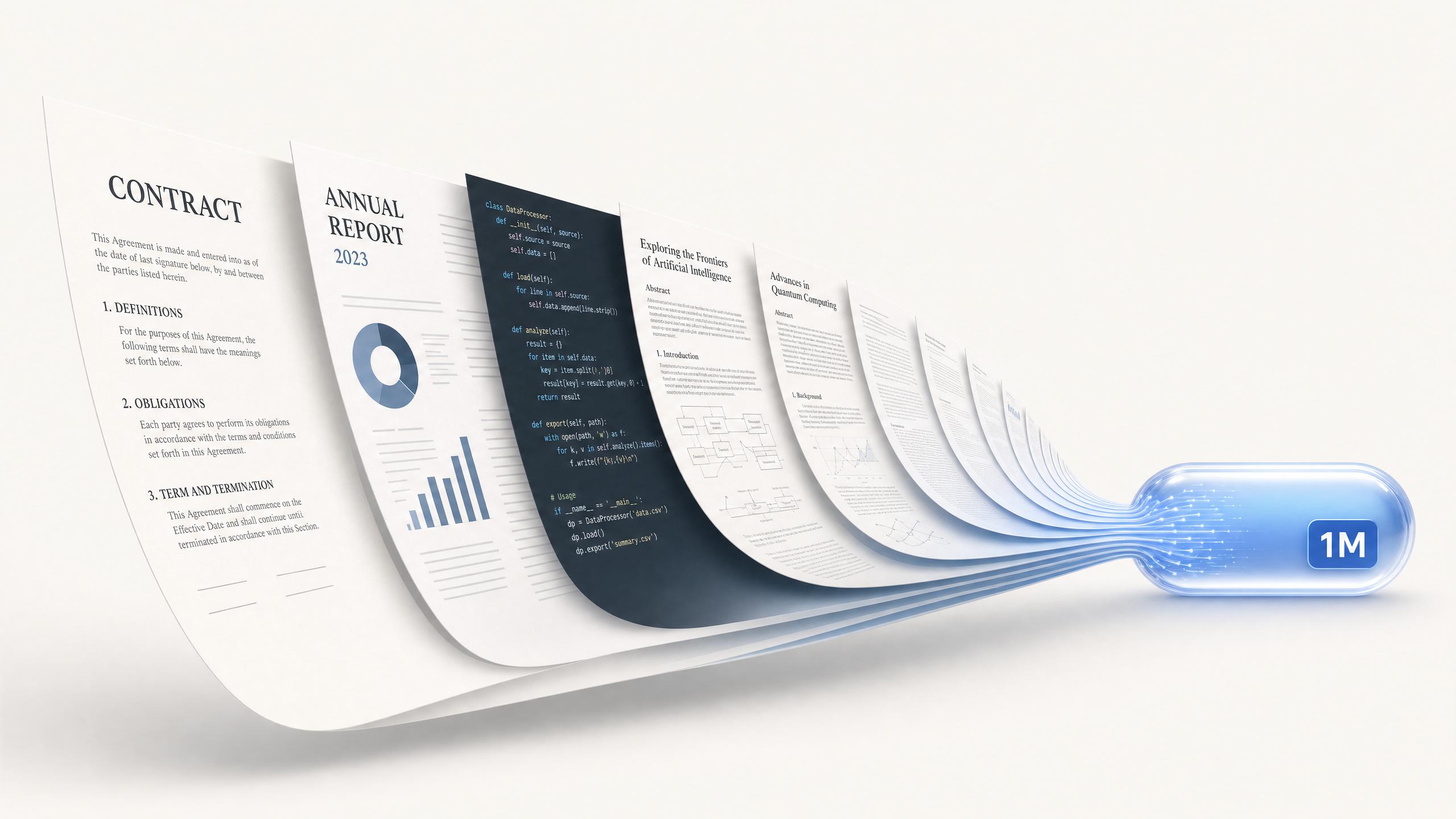
1M Token Context Window
Grok 4.3 handles up to one million tokens in a single request, enough for full contract sets, large codebases, or long multi-turn agent sessions. The wide context removes chunked retrieval and preserves cross-document reasoning that shorter models lose.
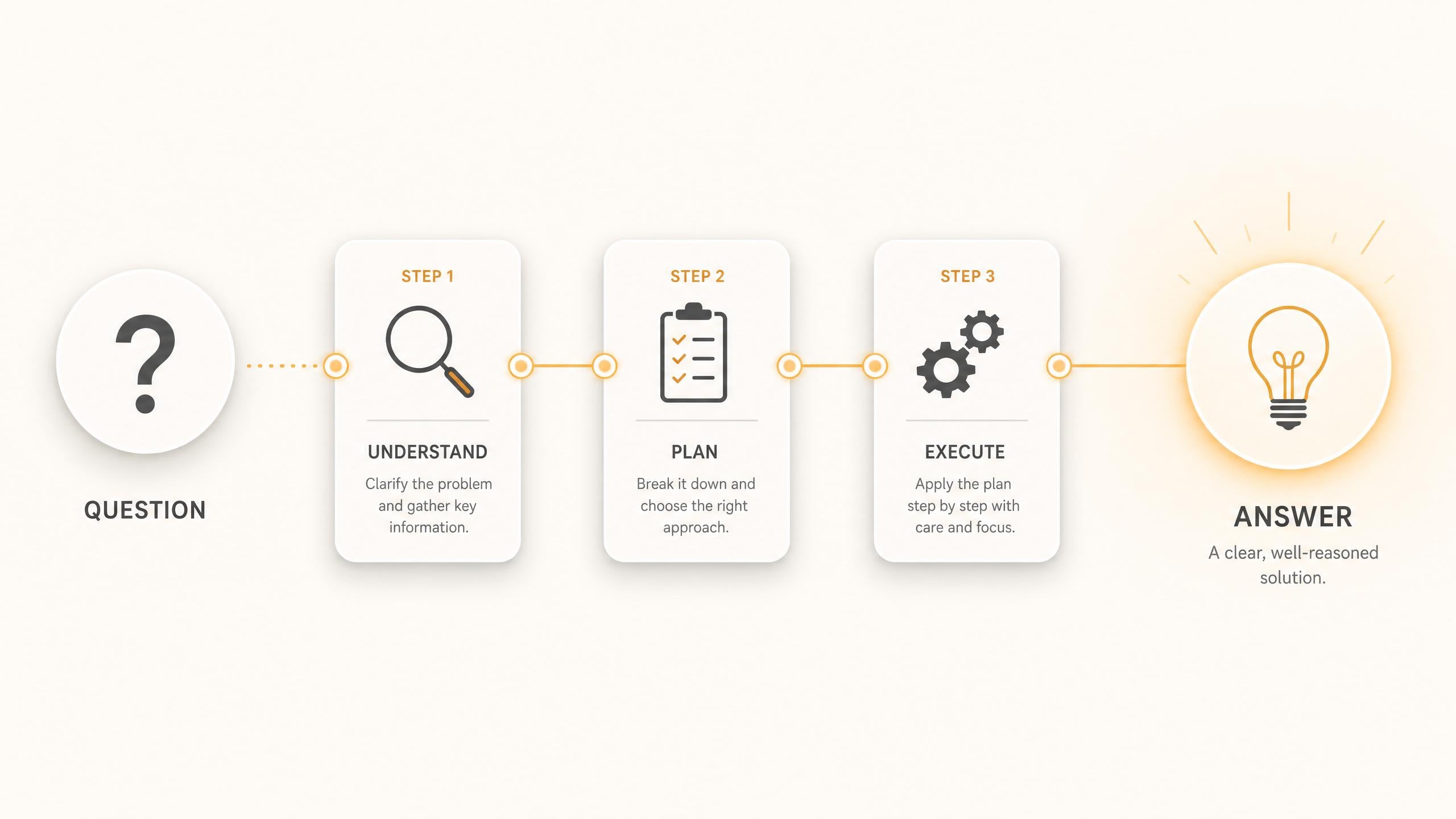
Always-On Reasoning with the Grok API
The Grok API runs Grok 4.3 with built-in step-by-step reasoning, tuned for accuracy-critical work like logic, math, and multi-step analysis. The model thinks before it answers, which lifts factual reliability and instruction following on complex prompts.
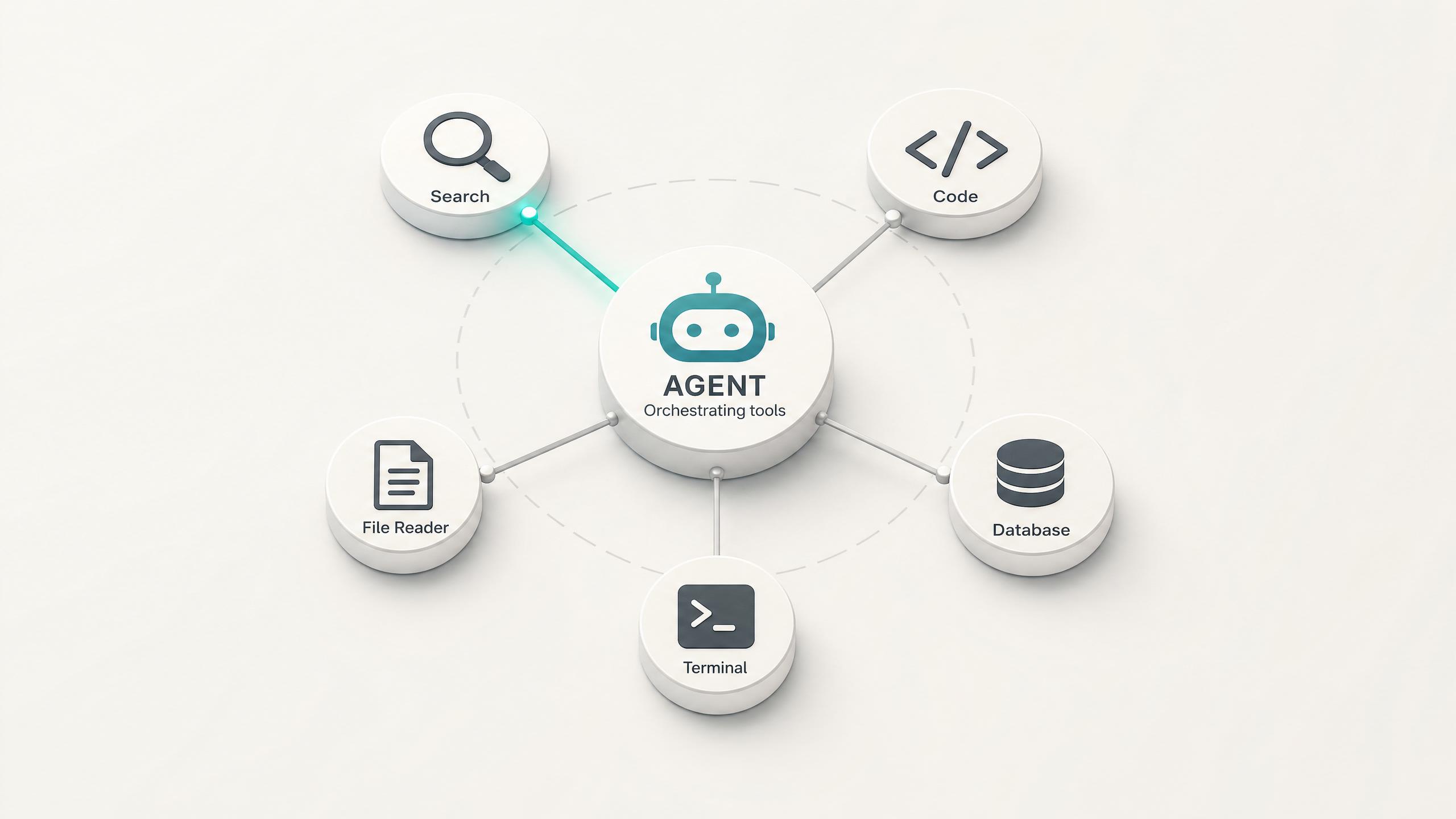
Agentic Tool Calling
Grok 4.3 is built for agents: it plans, calls functions in sequence, and adjusts on intermediate results. Native function calling lets it trigger tools and APIs mid-task, the foundation for research agents, support bots, and automation that runs without a human in the loop.
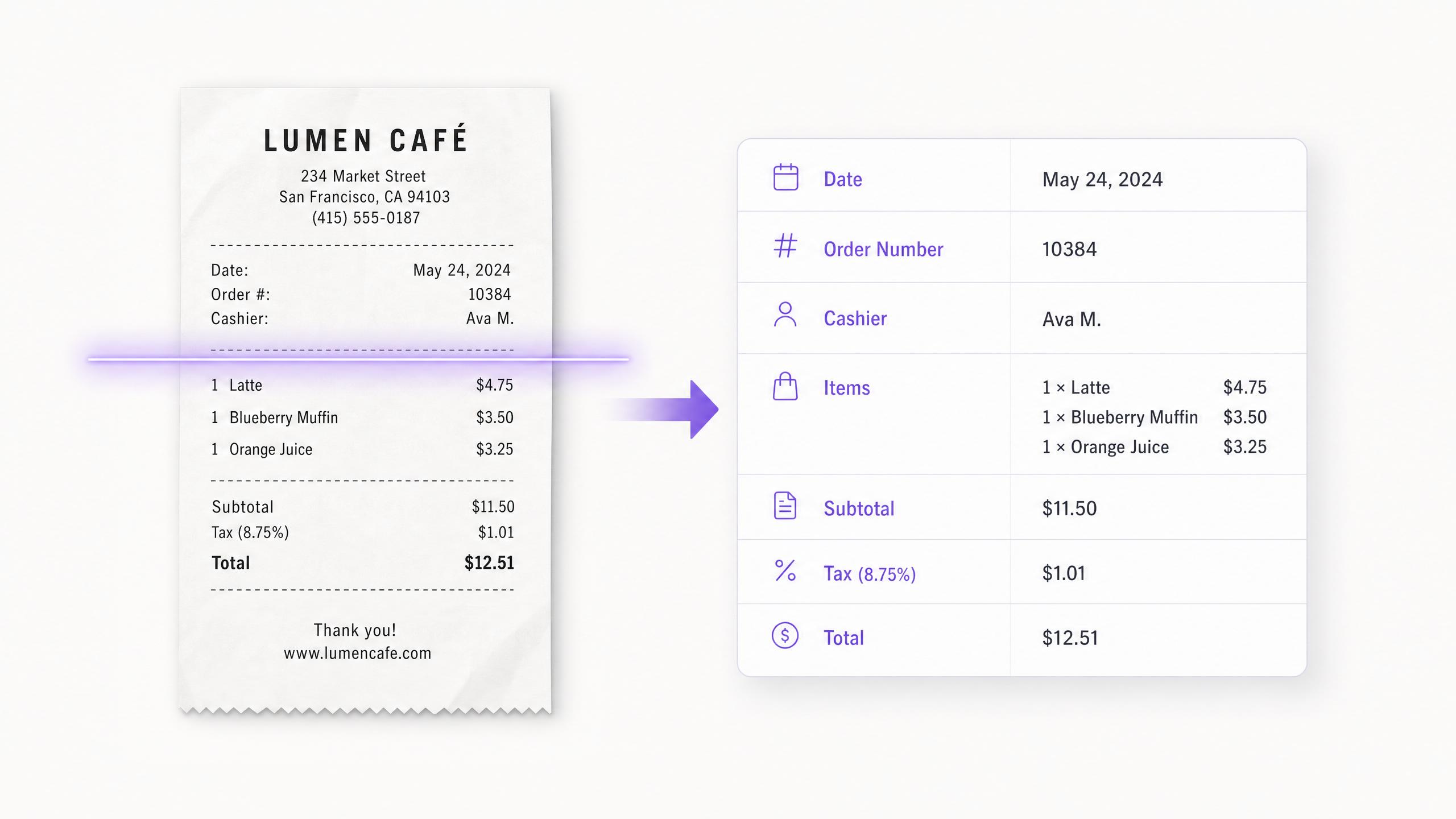
Structured Outputs and Vision with the Grok API
The Grok API returns structured JSON that matches your schema, so extracted data flows straight into downstream code. Grok 4.3 also accepts images alongside text, handling diagrams, screenshots, and UI mockups in the same call.
Coding with Grok Build 0.1
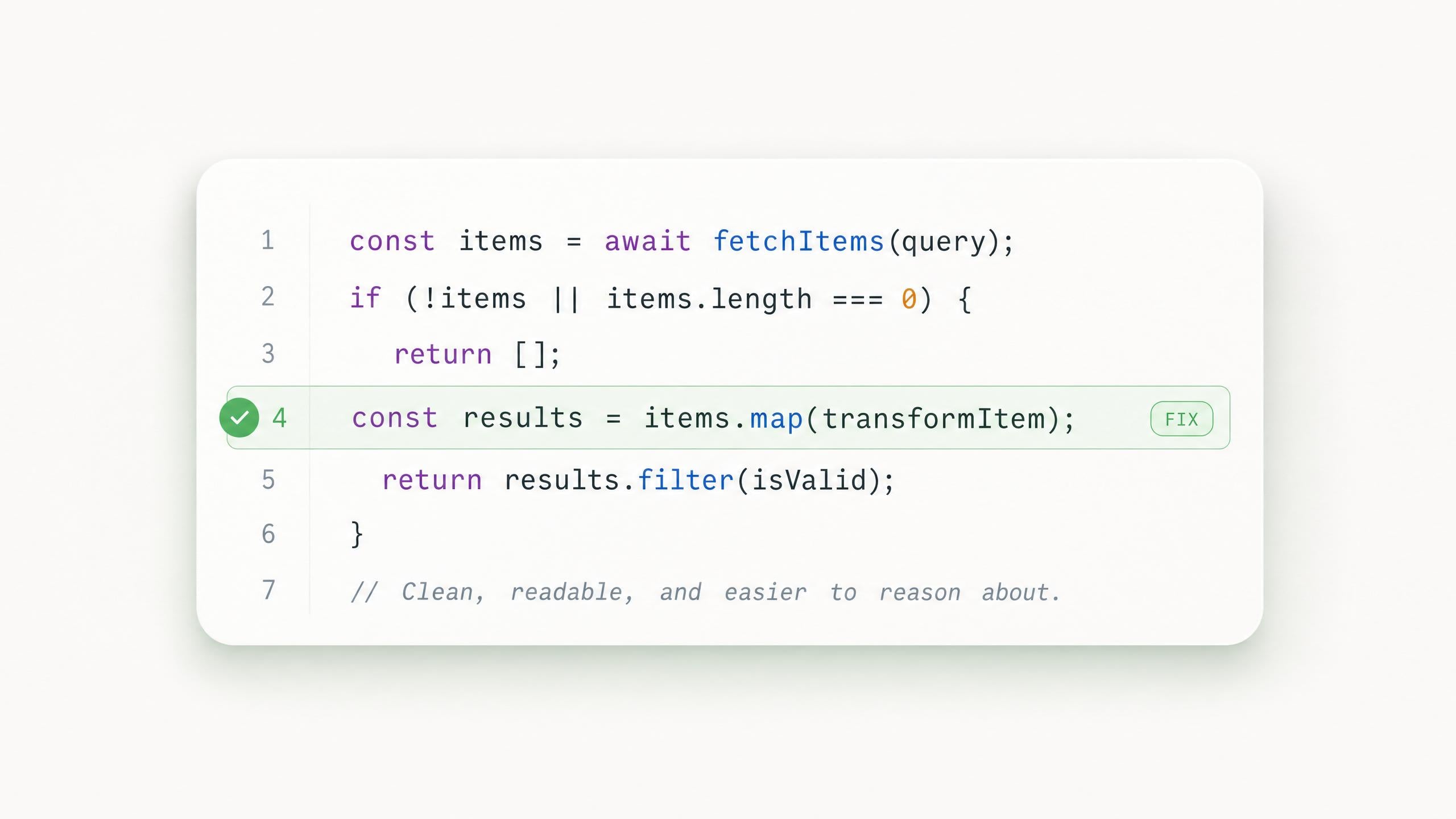
Grok Build 0.1 is xAI's coding-tuned model for code generation, debugging, and refactoring across developer workflows, with a 256K token context. It targets interactive coding agents and multi-step development tasks rather than general chat.
Prompt Caching on the Grok API
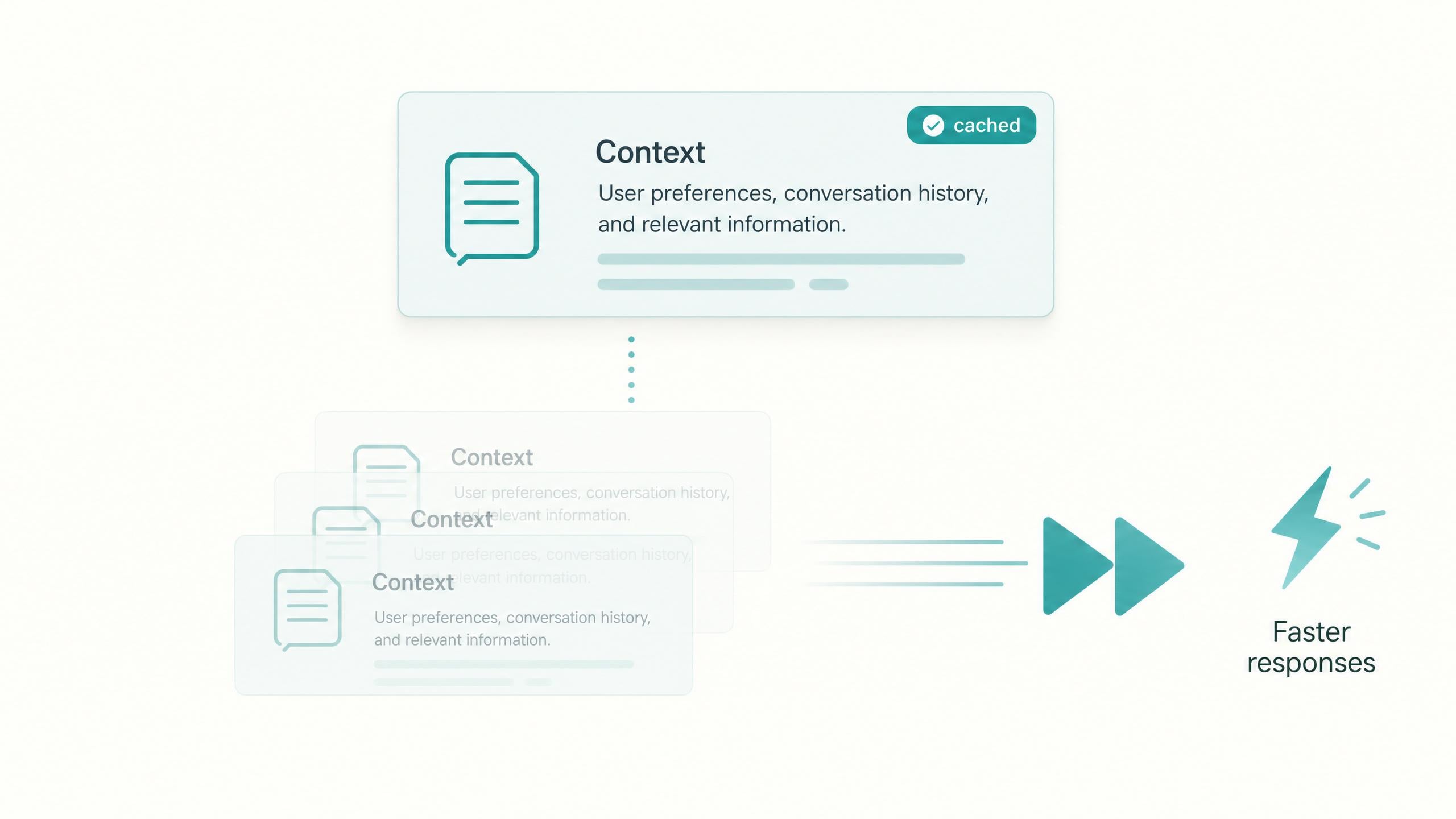
The Grok API supports prompt caching, which reuses a shared system prompt or context prefix at a lower token rate. For agentic loops that send the same instructions across many calls, this cuts repeated input cost without changing your code.
One Build Prompt Across Models
Hand the same build prompt to Grok and the other models on Atlas Cloud, and watch each generate a complete, runnable web page, so you can compare coding style and output side by side.
Build a single self-contained HTML file showing an interactive 3D solar system using Three.js from a CDN. Render the sun and eight orbiting planets with textures approximated by colors and glow, animated orbits, and a starfield background. Let the user rotate and zoom the camera with the mouse, and click a planet to smoothly fly the camera to it and display its stats. Include an elegant overlay title and a control to speed up or slow down time. Keep everything in one HTML file with the Three.js CDN import. Prioritize a stunning, cinematic look.
Grok 4.3
GLM 5
Grok Build 0.1
Build a single self-contained HTML file that is an animated analytics dashboard. Include an animated bar chart, a line chart that draws itself on load, a donut chart, and summary stat cards that count up. Use hard-coded sample data, smooth entrance animations, and a clean modern dark dashboard layout. Add a subtle hover tooltip on each chart element. Use only inline CSS and vanilla JavaScript with canvas or SVG, no external libraries. Make it look like a premium SaaS dashboard.
Grok 4.3
GLM 5
Grok Build 0.1
What You Can Do with the Grok LLM API on Atlas Cloud
Grok 4.3 combines a 1M token context window with real-time web and X search, making it practical for production workflows that need current information alongside deep reasoning.

Long-Document and Codebase Analysis
Feed entire contracts, research sets, or repositories into a single Grok 4.3 request and ask questions across all of it. The 1M token context keeps cross-references intact, so answers draw on the whole input instead of a retrieved fragment, a fit for legal review, due diligence, and code audits.

Research and Automation Agents with the Grok API
Use the Grok API to build agents that plan, call tools, and act on results without a human in each step. Native function calling and always-on reasoning let an agent search, run code, query a database, and synthesize an answer, the backbone of autonomous research and back-office automation.

High-Accuracy Support and Knowledge Bots
Grok 4.3 leads on non-hallucination and instruction following, so support and internal-knowledge bots stay close to your sources and policies. Pair it with web or document search to ground answers, reducing the off-script replies that erode user trust.

Coding Assistants and Dev Tools with the Grok API
Build code generation, review, and refactoring into your product with Grok Build 0.1, tuned for agentic software workflows. The Grok API handles multi-step development tasks, from drafting a function to debugging across files, behind the same endpoint as the reasoning models.

Multimodal Document and Image Workflows
Send images alongside text and have Grok 4.3 read charts, screenshots, receipts, and diagrams, then return structured output your code can consume. This suits data extraction, invoice processing, and any pipeline that turns mixed inputs into clean fields.

Drop-In Backend for AI Features with the Grok API
Because the Grok API is OpenAI-compatible, you can route an existing app to xAI's models with a base URL change, and reach 300+ other models on the same account. Switch models per task without reworking your integration or managing separate billing.
How the Grok API Compares
See how the Grok API lines up against other leading LLMs on Atlas Cloud by context, inputs, and focus, so you can route each task to the model that fits, all under one key.
| Model | Provider | Context Window | Inputs | Best For |
|---|---|---|---|---|
| Grok 4.3 | xAI | 1M tokens | Text | Agentic reasoning, long-document analysis, high factual accuracy |
| Grok Build 0.1 | xAI | 256K tokens | Text | Code generation, debugging, refactoring |
| DeepSeek V4 Pro | DeepSeek | 1M tokens | Text | Cost-efficient reasoning and agentic tool use at scale |
| Kimi K2.6 | Moonshot | 262K tokens | Text, image | Long-horizon coding agents and multimodal workflows |
| GLM 5.2 | Z.ai | 202.8K tokens | Text | Long-horizon agentic engineering and project-scale coding |
How to Use Grok on Atlas Cloud
Get started in minutes — follow these simple steps to integrate and deploy models through Atlas Cloud's platform.
Create an Atlas Cloud Account
Sign up at atlascloud.ai and complete verification. New users receive free credits to explore the platform and test models.
Why Use Grok on Atlas Cloud
Combining the advanced Grok models with Atlas Cloud's GPU-accelerated platform provides unmatched performance, scalability, and developer experience.
Performance & flexibility
Low Latency:
GPU-optimized inference for real-time reasoning.
Unified API:
Run Grok, GPT, Gemini, and DeepSeek with one integration.
Transparent Pricing:
Predictable per-token billing with serverless options.
Enterprise & Scale
Developer Experience:
SDKs, analytics, fine-tuning tools, and templates.
Reliability:
99.99% uptime, RBAC, and compliance-ready logging.
Security & Compliance:
SOC 2 Type II, HIPAA alignment, data sovereignty in US.
Frequently Asked Questions about Grok LLM
The Grok API gives developers xAI's Grok models on Atlas Cloud through one OpenAI-compatible key. It covers Grok 4.3, an advanced reasoning model with a 1M token context window, and Grok Build 0.1, a coding-focused model for software workflows. Both run alongside 300+ other models on the same account, so you can reach Grok and switch between providers without separate integrations.
Grok 4.3 is xAI's flagship reasoning model, built for accuracy-critical work like logic, analysis, and multi-step agentic tasks, with a 1M token context window. Grok Build 0.1 is tuned specifically for agentic coding: generation, debugging, and refactoring across developer workflows, with a 256K token context. Use Grok 4.3 for general reasoning and Grok Build 0.1 when the job is primarily writing or fixing code.
Grok 4.3 accepts text and image inputs and returns text, with a context window of up to 1M tokens, enough for long documents, large codebases, and extended agent sessions. Grok Build 0.1 handles text and image input with a 256K token context. The wide context lets you pass full source material in a single request instead of splitting it into retrieved fragments.
Yes. The Grok API on Atlas Cloud uses OpenAI-compatible endpoints, so an app already built on the OpenAI SDK can switch by changing the base URL and model name. There is no need to rewrite your request logic or manage a separate client, which keeps migration to a few lines of code.
Grok 4.3 performs step-by-step reasoning before it answers, which is what drives its accuracy on complex logic and analysis. Reasoning behavior can vary by model and configuration, so whether it can be reduced or disabled per request depends on the parameters exposed for that model. Check the model settings in the Atlas Cloud console for the current reasoning options before relying on a specific mode in production.
Yes. The Grok API supports function calling, so the model can invoke your tools and APIs mid-task, and it returns structured JSON that conforms to a schema you define. Together these let you build agents that take actions and feed clean, parseable data straight into downstream code, rather than parsing free-form text.
Prompt caching reuses a repeated context prefix, such as a long system prompt or shared instructions, at a reduced input token rate on later calls. For chatbots and agents that resend the same setup on every request, this lowers repeated input cost without changing your code. Put static content at the start of the prompt and variable user content at the end so the cache applies.
Rate limits and concurrency vary by account tier, so add exponential backoff and a retry on a 429 response, and queue requests during traffic spikes. For large offline jobs, batch processing keeps bulk work off your real-time limits. A common hidden cost at scale is resending full conversation history on every call, so pass a compact summary instead of the entire thread, and contact support to raise limits as you grow.
The Grok API uses pay-as-you-go billing based on token usage, with input and output tokens metered per request and no subscription required. Running Grok next to 300+ other models on Atlas Cloud means one account and one bill rather than separate contracts per provider. Prompt caching and batch processing can reduce effective cost on repetitive or offline workloads.
Create an account on Atlas Cloud, generate an API key, and point your existing OpenAI-compatible client at the Atlas endpoint with the Grok model name. Send your first request to Grok 4.3 for reasoning or Grok Build 0.1 for coding, then scale up as needed. Because the same key reaches 300+ models, you can test other models without any extra setup.
Explore More Families
Seedance 2.5
Seedance 2.5 API is now available on Atlas Cloud! It gives developers ByteDance's newest video model. It generates up to 30 seconds of native video in a single pass from text, a single image, or as many as 50 multimodal references, with synchronized audio and in-frame multilingual text. On Atlas Cloud you reach it through one key, with subject consistency and improved physics keeping long shots coherent. (Update: Seedance 2.5 1080P API Is Available NOW!)

Wan 3.0
Wan 3.0 API is the next generation of Alibaba's Wan video family, built to push long-form generation, multi-reference control, and audiovisual quality to new heights. Atlas Cloud already hosts Wan 2.7, 2.6, and 2.5, and Wan 3.0 runs on the same unified key with no separate setup. Start building today. Scroll down to the showcase to see what Wan 3.0 can create.
MiniMax H3
MiniMax H3 is MiniMax's video model family for text, image, and reference driven generation. Create 5 to 15 second clips, guide motion with an optional last frame, preserve subjects from reference images, or select H3 Developer when generated audio fits the workflow. Atlas Cloud brings H3, H3 Fast, H3 Max, and H3 Developer into one API workflow, with standard pricing starting at $0.038 per second. Start building today.
Seedream 5.0 Pro
Seedream 5.0 Pro API gives developers ByteDance's controllable image editing model on Atlas Cloud. It places edits precisely with anchors and coordinates, separates images into editable layers, fuses multiple references, and matches exact colors and materials, with multilingual text at 2K and 3K. On Atlas Cloud you reach it through one key!
Seedance 2.0
The Seedance 2.0 API gives you production access to ByteDance's multimodal video model — quad-modal inputs (text, image, video, audio) and an industry-leading "Universal Reference" system that locks composition, camera movement, and character actions across shots. Integrate director-level control with one API call, a flat $0.09/s, instant key, and no waitlist — backed by enterprise-grade uptime and compliance. Seedance 2.0 Native 4K is now live!
GPT Image 2.5
The gpt-image-2.5 family from OpenAI gives developers a choice of Flare and Sunburst for production image workflows. Render at arbitrary resolutions up to 3840x2160 and select from five quality tiers, including xhigh and max, to match specific output requirements. Atlas Cloud provides ready-to-use REST inference with no cold starts and standard pricing from $0.004 per generation. Start building today.
GPT Image 2
The GPT Image 2 API gives developers access to OpenAI's latest image model, the successor to GPT Image 1.5. It generates and edits images with accurate text rendering across Latin and CJK scripts, plus strong composition for posters, mockups, and infographics. On Atlas Cloud you reach it through one unified API alongside 300+ models, with free credits, 99.99% uptime, and no OpenAI organization verification required.
Gemini Omni Flash
The gemini omni API brings Google DeepMind's natively multimodal Gemini Omni Flash family, including Gemini Omni 1.1 Flash, to developers. Create cinematic video with synchronized native audio, animate still images with precise start and end frame control, or revise existing footage through text guided edits that preserve untouched content. Atlas Cloud provides one OpenAI-compatible key, unified access, and transparent pay-as-you-go pricing. Start building today.
Grok Imagine
The Grok Imagine API covers xAI's image, video, and speech models, from Image 2.0 to Video 1.5 and xAI TTS v1. Render 1K or 2K stills across 14 aspect ratios, push a scene to 15 seconds of 1080p motion, steer shots with up to 7 reference images, or narrate them in 20 languages. Atlas Cloud runs every mode on one endpoint, priced pay-as-you-go from $0.02 per image and $0.05 per second. Start building today.
Google's most powerful creative models are all available on Atlas Cloud. Veo 3.1 delivers cinematic video generation, Nano Banana 2 powers high-fidelity image creation, and Gemini brings multimodal intelligence to every workflow. Access the full Google model suite through one API key with Day-0 availability and pay-as-you-go pricing.
Seedance 2.0 Mini
The Seedance 2.0 Mini API is the lightest, lowest-cost tier of ByteDance's Seedance video line, built for teams where throughput and unit cost matter more than maximum polish. Use it for batch generation, rapid prototyping, and draft passes, all through one OpenAI-compatible key on Atlas Cloud.
ByteDance
From cinematic video generation to high-fidelity image creation, ByteDance's most powerful models are live on Atlas Cloud. Run Seedance and Seedream at scale with the lowest inference pricing and zero infrastructure overhead.
Recommended Articles
Guides, tutorials, and product updates to help you get the most out of Atlas Cloud.





