
MAI Image 2.5 Models
MAI-Image-2.5 is Microsoft's latest photorealistic image generation and editing model family, built for commercial design, product photography, and brand-ready content creation. Available in standard and Flash variants for both text-to-image and image editing, it delivers best-in-class Arena ELO scores at competitive pricing — starting from $0.03 per image. With precise text rendering, surgical editing capability, and natural portrait generation, MAI-Image-2.5 is designed for teams that need production-quality visuals without post-processing overhead.
Explore the Leading MAI Image 2.5 Models
Atlas Cloud provides you with the latest industry-leading creative models.


Peak speed
MAI-Image-2.5 Family: A complete suite of photorealistic image generation and editing models
| Model | Description |
|---|---|
| MAI-Image-2.5 (Text to Image) | The flagship generation model produces photorealistic imagery from text prompts at up to 1024×1024. Optimized for marketing visuals, e-commerce photography, and design work requiring accurate faces, lighting, and in-image text. Priced at $0.05 per image. |
| MAI-Image-2.5 Flash (Text to Image) | A 22% faster, 40% cheaper variant ($0.03/image) of the standard model. Shares the same photorealism and text rendering quality, built for high-volume generation, rapid prototyping, and cost-sensitive production pipelines. |
| MAI-Image-2.5 (Image Edit) | The editing endpoint accepts an existing image and text instruction to perform surgical modifications: removing objects, replacing elements, updating text in signage, or adjusting composition. Priced at ~$0.058 per edit. |
| MAI-Image-2.5 Flash (Image Edit) | A faster, lower-cost editing variant for teams that need high-throughput image refinement pipelines. Same editing capability as the standard Edit model at reduced latency and cost. |
New Features of MAI-Image-2.5 Models + Showcase
Combining advanced models with Atlas Cloud's GPU-accelerated platform delivers unmatched speed, scalability, and creative control for image and video generation.
Photorealistic Portrait Generation
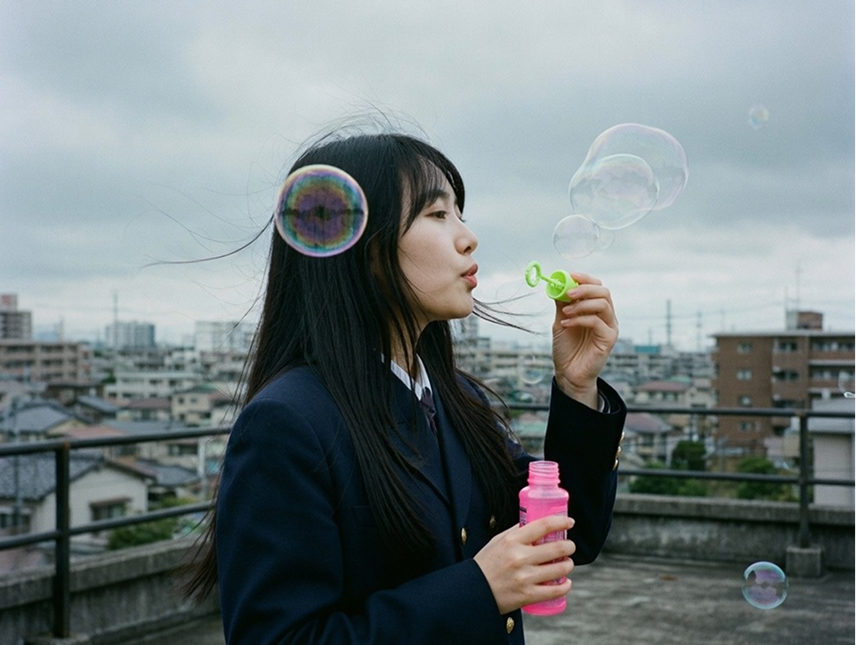
MAI-Image-2.5 generates expressive, natural-looking portraits with accurate facial structure, lighting, and skin texture from text prompts. The model renders film-quality aesthetics with consistent lighting that matches the described scene. It is designed for editorial, branding, and commercial campaigns where human-centric imagery needs to look finished without post-processing.
In-image Text Rendering
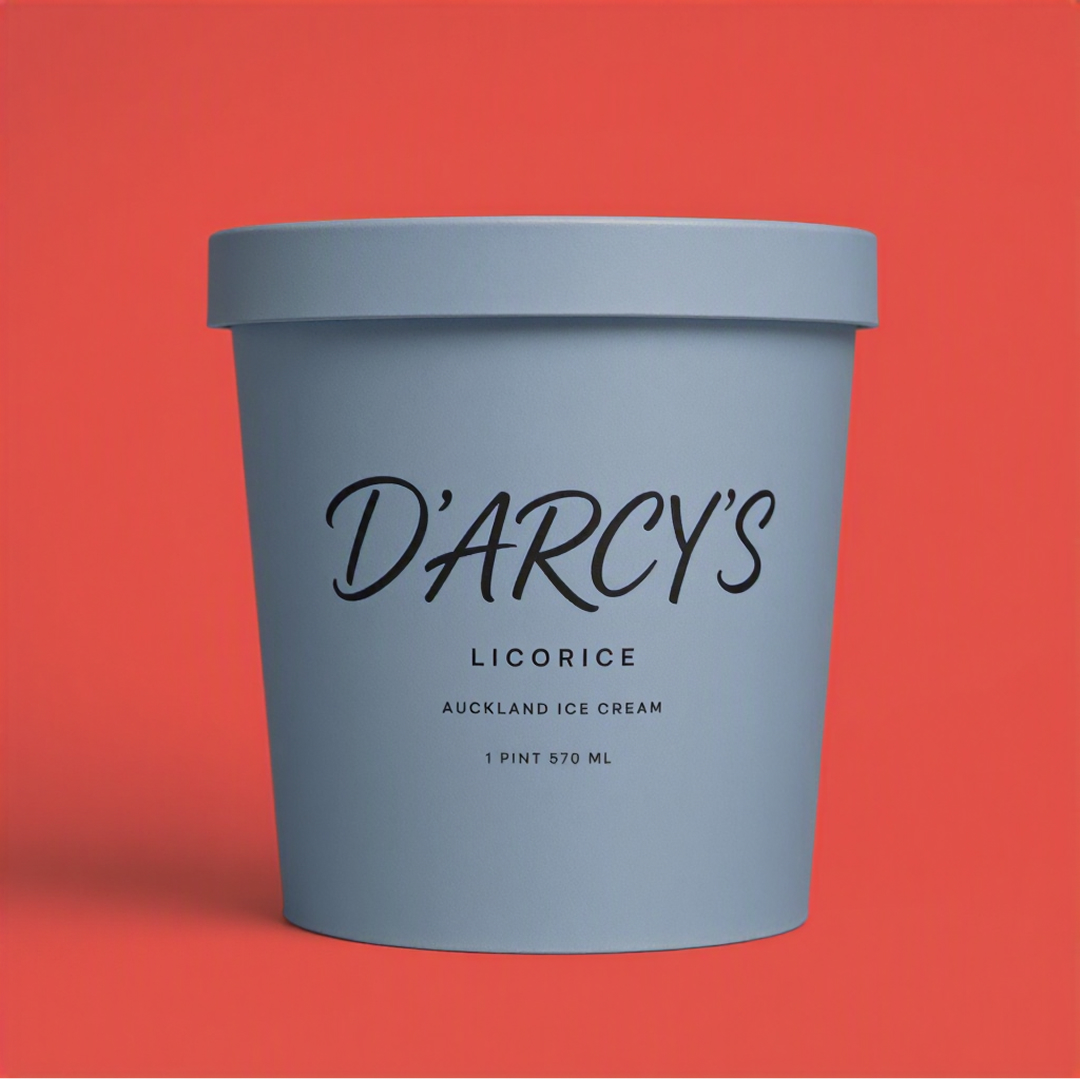
MAI-Image-2.5 offers enhanced reliability for text generation within images, handling product labels, signage, headlines, and branded copy with correct spacing and legibility. This addresses a consistent weak point in most image generation models and makes it practical for packaging mockups and advertising assets where readable text is required in the output. It is the right choice for design workflows where in-image text accuracy is non-negotiable.
Surgical Object Editing
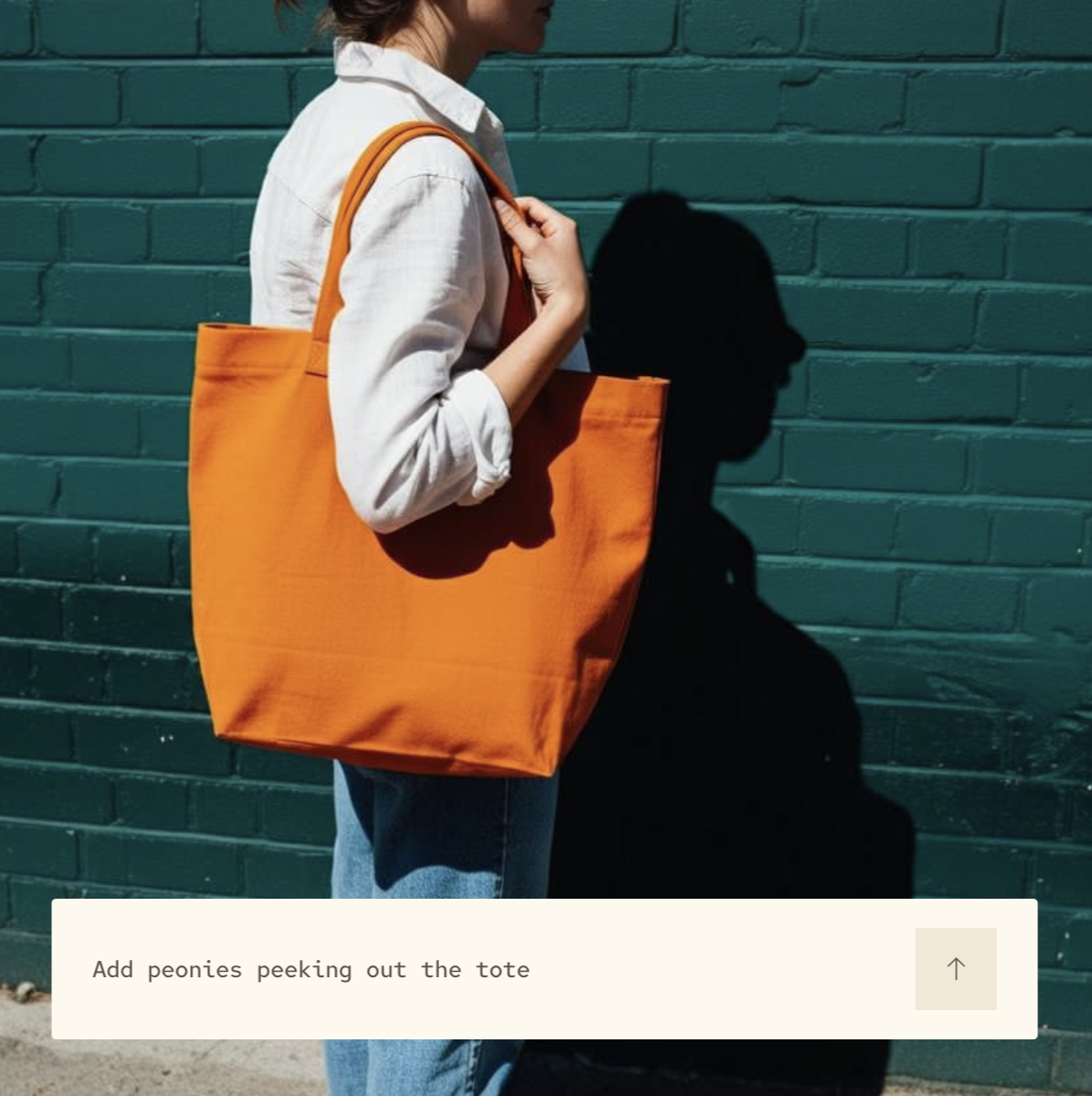
The MAI-Image-2.5 Edit endpoint performs targeted modifications to specific image regions: removing unwanted elements, replacing or recoloring objects, updating text in existing signage, filling missing areas, and cleaning up visual defects like blur and noise. Edits maintain coherence and composition throughout, leaving untouched regions visually intact. It is the go-to tool for product refinement, catalog clean-up, and marketing asset updates.

Brand Asset and Commercial Design
MAI-Image-2.5 is built specifically for commercial and professional design applications, supporting branding, product mockups, and campaign-ready content from text prompts. The model maintains layout and composition integrity during both generation and editing, producing assets that are ready for use in advertising and product campaigns. It is the standard solution for design teams producing commercial visuals at scale.
Visual Reasoning Across Objects and Scenes
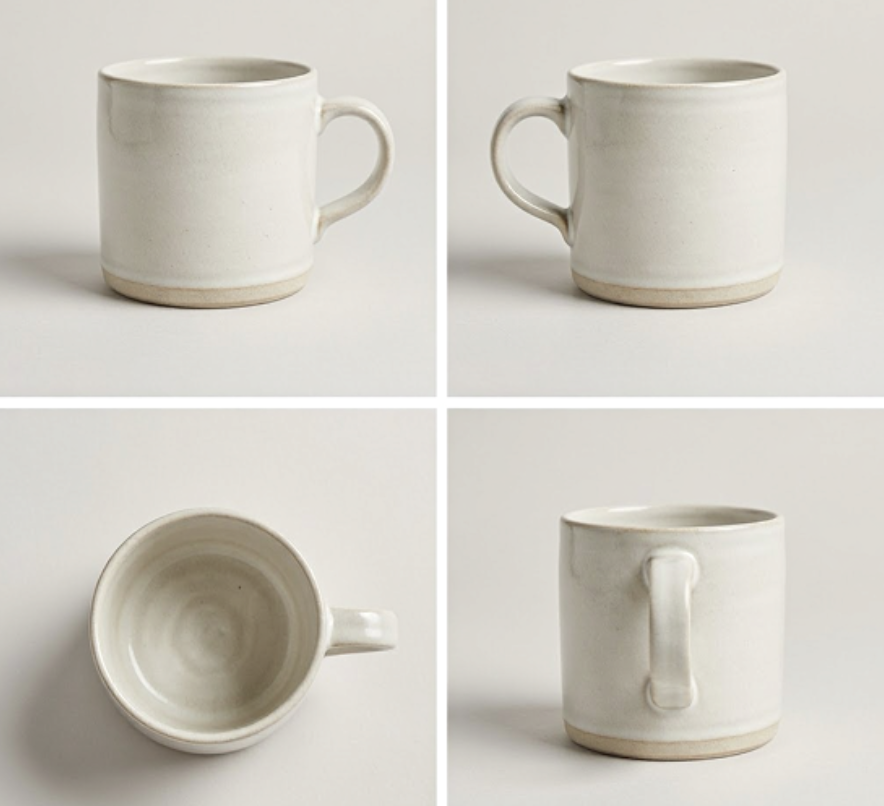
MAI-Image-2.5 applies visual reasoning to understand spatial relationships, object placement, and lighting coherence across the full image. This makes it reliable for generating scenes where multiple elements need to coexist naturally, and for editing tasks where a modification needs to respect the surrounding context. It is suited for product-in-scene visualization and any workflow where contextual accuracy in the output matters.
What Can You Do with MAI-Image-2.5
Discover practical use cases and workflows you can build with this model family — from content creation and automation to production-grade applications.
E-commerce Product Photography
Brands use MAI-Image-2.5 to generate product images across multiple backgrounds and lighting setups from a single product description or reference photo. The Edit endpoint lets teams update labels, swap colors, and clean up defects across entire product catalogs without a studio reshoot. At $0.05 per image on Atlas Cloud, generating a full set of product variants per SKU costs less than one hour of photography.
Marketing and Ad Creative
Performance marketing teams use MAI-Image-2.5 to produce campaign visuals — social ads, banner images, and promotional graphics — with accurate text overlays and brand-consistent layouts. The Flash variant enables rapid creative testing at $0.03 per image, making it practical to generate and A/B test dozens of variations per campaign before scaling the winners. Full commercial licensing covers all generated assets for advertising use.
Brand and Packaging Design
Design teams use MAI-Image-2.5's text rendering and editing capabilities to produce packaging mockups, product labels, and branded signage with accurate typography baked directly into the generated image. The Edit endpoint updates text on existing visuals — changing product names, prices, or seasonal copy — without rebuilding the full image from scratch. This cuts the design-to-approval cycle for high-SKU packaging workflows.
How to Use MAI Image 2.5 Models on Atlas Cloud
Get started in minutes — follow these simple steps to integrate and deploy models through Atlas Cloud's platform.
Create an Atlas Cloud Account
Sign up at atlascloud.ai and complete verification. New users receive free credits to explore the platform and test models.
Why Use MAI Image 2.5 Models on Atlas Cloud
Combining the advanced MAI Image 2.5 Models models with Atlas Cloud's GPU-accelerated platform provides unmatched performance, scalability, and developer experience.
Performance & flexibility
Low Latency:
GPU-optimized inference for real-time reasoning.
Unified API:
Run MAI Image 2.5 Models, GPT, Gemini, and DeepSeek with one integration.
Transparent Pricing:
Predictable per-token billing with serverless options.
Enterprise & Scale
Developer Experience:
SDKs, analytics, fine-tuning tools, and templates.
Reliability:
99.99% uptime, RBAC, and compliance-ready logging.
Security & Compliance:
SOC 2 Type II, HIPAA alignment, data sovereignty in US.
Frequently Asked Questions about MAI Image 2.5
MAI-Image-2.5 is Microsoft's photorealistic image generation and editing model, available in standard and Flash variants. It is designed for commercial design, product photography, and brand content creation, with accurate text rendering and surgical editing as standout capabilities.
MAI-Image-2.5 Flash is 22% faster and 40% cheaper ($0.03 vs $0.05 per image) than the standard version. Both produce photorealistic images at the same resolution with the same text rendering quality. Use Flash for volume and prototyping; use the standard model when maximum quality is the priority.
MAI-Image-2.5 supports up to 1,048,576 total pixels, which covers 1024×1024 square and equivalent portrait or landscape dimensions. Both the standard and Flash variants share the same resolution ceiling.
MAI-Image-2.5 has significantly improved text rendering compared to earlier diffusion models. It reliably renders product labels, signage, headlines, and UI copy with correct spacing and legibility. This makes it practical for branding and packaging workflows where accurate in-image text is required.
MAI-Image-2.5 has significantly improved text rendering compared to earlier diffusion models. It reliably renders product labels, signage, headlines, and UI copy with correct spacing and legibility. This makes it practical for branding and packaging workflows where accurate in-image text is required.
MAI-Image-2.5 accepts prompts of up to 32,000 tokens, which is sufficient for highly detailed scene descriptions. For most standard prompts of a few hundred tokens, the token cost is negligible and the effective per-image cost is the flat image fee.
Explore More Families
Seedance 2.0 Models
Seedance 2.0(by Bytedance) is a multimodal video generation model that redefines "controllable creation," moving beyond the limitations of text or start/end frames. It supports quad-modal inputs—text, image, video, and audio—and introduces an industry-leading "Universal Reference" system. By precisely replicating the composition, camera movement, and character actions from reference assets, Seedance 2.0 solves critical issues with character consistency and physical coherence, empowering creators to act as true "directors" with deep control over their output.

Grok-Imagine Models
Grok Imagine Image Quality is xAI's latest AI image generation model, delivering studio-grade visuals with up to 2K resolution and razor-sharp detail. It offers best-in-class text rendering across multiple languages, photorealistic outputs with natural lighting, rich textures, and believable physics, plus tighter prompt following and image editing with reference inputs for precise creative control. Ideal for hero images, ad creatives, product renders, and brand-grade visuals.
Gemini Omni
Gemini Omni (by Google DeepMind) is a video generation and editing model launched on May 20, 2026 at Google I/O that redefines the standard for "reasoning-driven creation," built specifically to solve the core challenge of AI video: making output that actually understands what you mean, not just what you type. It fuses Gemini's reasoning engine with generative capability, accepting any mix of images, text, video, and audio to produce consistent, knowledge-grounded output. Unlike models that start from scratch each time, Omni lets you edit through natural conversation — swapping objects, rewriting scenes, shifting styles — while keeping physics, characters, and continuity intact across every turn.
GPT Image 2 Models
GPT Image 2 is a state-of-the-art multimodal foundation model engineered for exceptional text-to-image generation with unprecedented photorealism and creative versatility. Developed by OpenAI as the evolution of the DALL-E lineage, it transforms detailed natural language descriptions into hyper-realistic imagery at up to 4K resolution. With proprietary "Neural Rendering Engine" technology for precise visual control, GPT Image 2 delivers studio-quality results with accurate anatomy, lighting, and composition—making it the premier AI tool for professional creators, enterprises, and developers demanding production-ready visual assets.
Google Models on Atlas Cloud | Gemini, Nano Bananas & Veo
Google's most powerful creative models are all available on Atlas Cloud. Veo 3.1 delivers cinematic video generation, Nano Banana 2 powers high-fidelity image creation, and Gemini brings multimodal intelligence to every workflow. Access the full Google model suite through one API key with Day-0 availability and pay-as-you-go pricing.
ByteDance Models on Atlas Cloud | Seedance & Seedream
From cinematic video generation to high-fidelity image creation, ByteDance's most powerful models are live on Atlas Cloud. Run Seedance and Seedream at scale with the lowest inference pricing and zero infrastructure overhead.
Alibaba Models on Atlas Cloud | Wan & Qwen
Atlas Cloud brings together Alibaba's full model lineup under one API: Qwen for language and image tasks, Wan for video generation up to 1080p. Access every model pay-as-you-go with no subscriptions. The Alibaba API is available via a single base URL using your existing OpenAI-compatible client.
MAI Image 2.5 Models
MAI-Image-2.5 is Microsoft's latest photorealistic image generation and editing model family, built for commercial design, product photography, and brand-ready content creation. Available in standard and Flash variants for both text-to-image and image editing, it delivers best-in-class Arena ELO scores at competitive pricing — starting from $0.03 per image. With precise text rendering, surgical editing capability, and natural portrait generation, MAI-Image-2.5 is designed for teams that need production-quality visuals without post-processing overhead.
Wan2.7 Models
Launching this March, Wan2.7 is the latest powerhouse in the Qwen ecosystem, delivering a massive upgrade in visual fidelity, audio synchronization, and motion consistency over version 2.6. This all-in-one AI video generator supports advanced features like first-and-last frame control, 3x3 grid synthesis, and instruction-based video editing. Outperforming competitors like Jimeng, Wan2.7 offers superior flexibility with support for real-person image inputs, up to five video references, and 1080P high-definition outputs spanning 2 to 15 seconds, making it the premier choice for professional digital storytelling and high-end content marketing.
Nano Banana2 Models
Nano Banana 2 (by Google), is a generative image model that perfectly balances lightning-fast rendering with exceptional visual quality. With an improved price-performance ratio, it achieves breakthrough micro-detail depiction, accurate native text rendering, and complex physical structure reconstruction. It serves as a highly efficient, commercial-grade visual production tool for developers, marketing teams, and content creators.
Midjourney Models
Midjourney is a proprietary AI image and video generation platform developed by Midjourney, Inc. (San Francisco). Founded in 2021 by David Holz, it has become the aesthetic gold standard in generative AI — transforming text prompts into cinematic, painterly visuals at native 2K resolution. The latest V8.1 architecture, rebuilt from scratch on GPU-native PyTorch, delivers 4–5× faster generation, true 2048×2048 output without upscaling artifacts, and a signature visual style that remains unmatched by competitors. With the addition of Video V1, Midjourney extends its aesthetic into motion — animating still images into atmospheric 5-second cinematic clips. From brand campaigns to film pre-visualization to game concept art, Midjourney is the premier AI creative tool for professionals who demand both speed and artistry.
PixVerse Models
PixVerse, developed by AISphere, is a video generation model series built around one idea: giving creators director-level control over every frame. V6 is the flagship generation model, covering text-to-video, image-to-video, reference-to-video, start-and-end frame control, and video extension in a single cohesive pipeline. C1 takes a different approach — it is a storyboard-native model designed for multi-shot narrative production, where scene continuity and visual consistency across clips matter as much as individual frame quality. Both series are available on Atlas Cloud, starting from $0.025 per second, with no infrastructure setup required.



