
 Atlas Cloud 現已成為 Dreamina Seedance 2.5 與 Seedream 5.0 Pro 的美國授權經銷商。Atlas Cloud 現已成為 Dreamina Seedance 2.5 與 Seedream 5.0 Pro 的美國授權經銷商。
Tripo API 將 Tripo3D 最新的 H3.1 engine 帶入你的技術堆疊,能把文字提示詞與單張圖片轉換成精細的 3D models。可生成最高達 2 million polygons 的高密度網格,並支援可設定的 PBR materials、用於 rigging 的 quad topology,以及 GLB 或 FBX 匯出。Atlas Cloud 透過單一 API key 提供服務,採透明的每次呼叫計價,每次生成 $0.10,並可在 Day-0 取得新版本。立即開始建置。
Tripo 由 VAST AI 開發。Atlas Cloud(由 Atlas Cloud AI LLC 營運)僅提供接取服務,並不擁有該模型。所有商標均歸其各自所有者所有。
Atlas Cloud 為您提供最新的行業領先創意模型。
依輸入模態逐一檢視各 Tripo API 路由如何將你的輸入轉換成可直接使用的 3D 資產,並並列比較對正式製作最重要的功能。
| 模態 | 說明 |
|---|---|
| Tripo API Text-to-3D (tripo-h3.1/text-to-3d) | Text-to-3D 端點可將最多 1,024 個字元的文字提示轉換成具備貼圖、可用於正式製作的 mesh,並生成 PBR 材質;幾何與貼圖品質都可選到細緻等級。面數範圍從 1,000 到 2,000,000;啟用 quad topology 時,會匯出 FBX 檔案,而非預設的 GLB。每次生成固定收費 $0.10,適合希望直接從描述建立資產的概念美術與遊戲開發者。 |
| Tripo API Image-to-3D (tripo-h3.1/image-to-3d) | 透過 URL 提供單張參考圖片,此端點會將其重建為完整貼圖的 3D 模型,保留主體的形狀與外觀。你可以選擇貼圖要對齊原始圖片或幾何,再加入 PBR 材質、方向控制,或自動縮放至真實世界的公尺尺度,以獲得更精細的輸出。每次生成費用為 $0.10,適合需要從既有美術作品重建產品照、角色或道具的工作室。 |
只要一行文字或一張參考圖片,Tripo API 就能建立帶有紋理、可用於 PBR 的網格,並支援可調整的幾何與紋理品質、四邊面拓撲、真實世界比例,以及 seed 等級的可重現性。
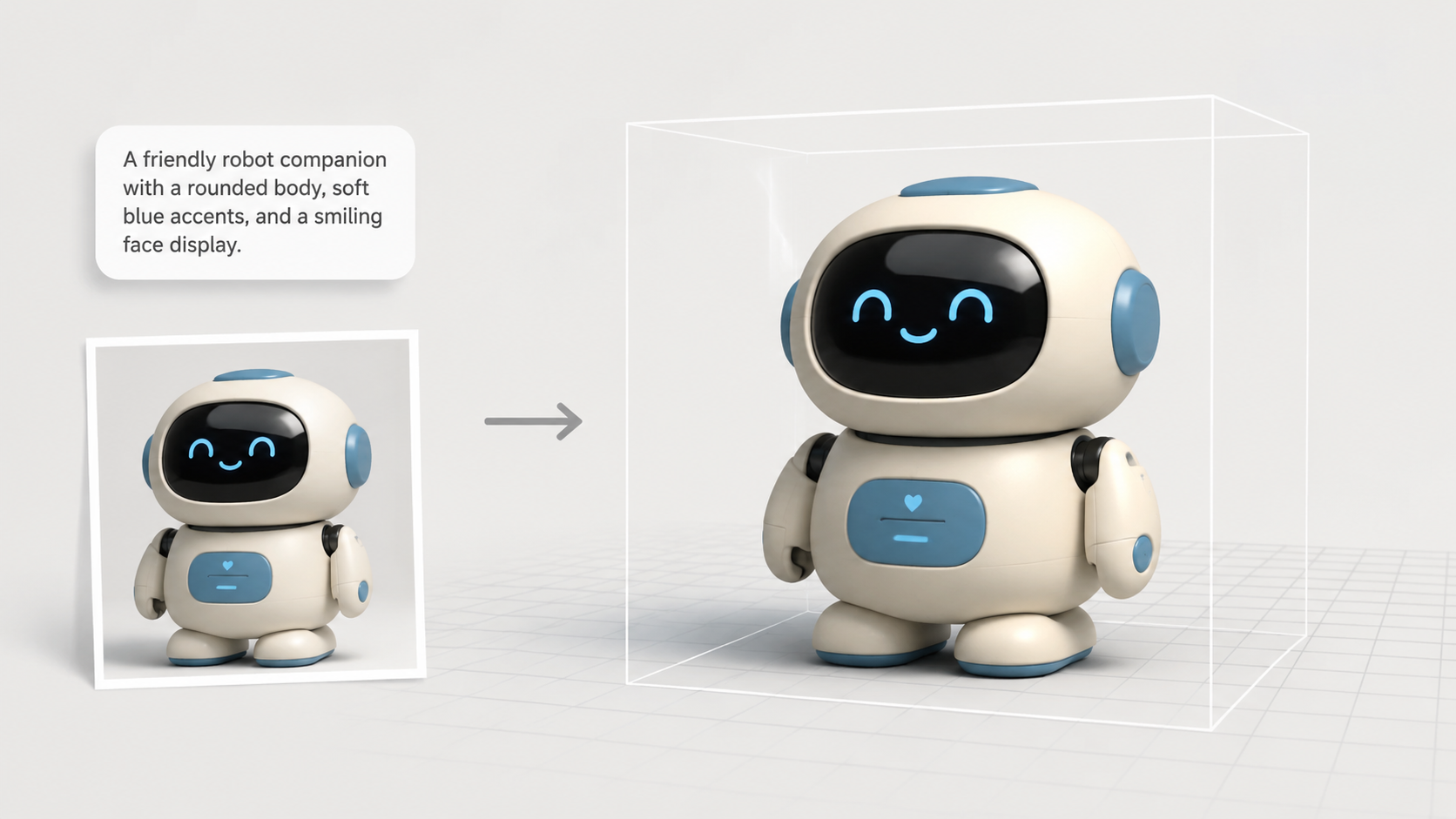
兩種入口都會導入同一個 H3.1 引擎:你可以用最多 1,024 個字元的提示文字描述物件,或提供一張參考圖片。Text-to-3D 也支援 negative prompt,可引導模型避開不想要的形狀或風格。每種路徑的起始費用都是每次生成 $0.10,因此團隊可以從粗略想法快速製作原型,或將幾何鎖定到既有資產,而不必切換工具。
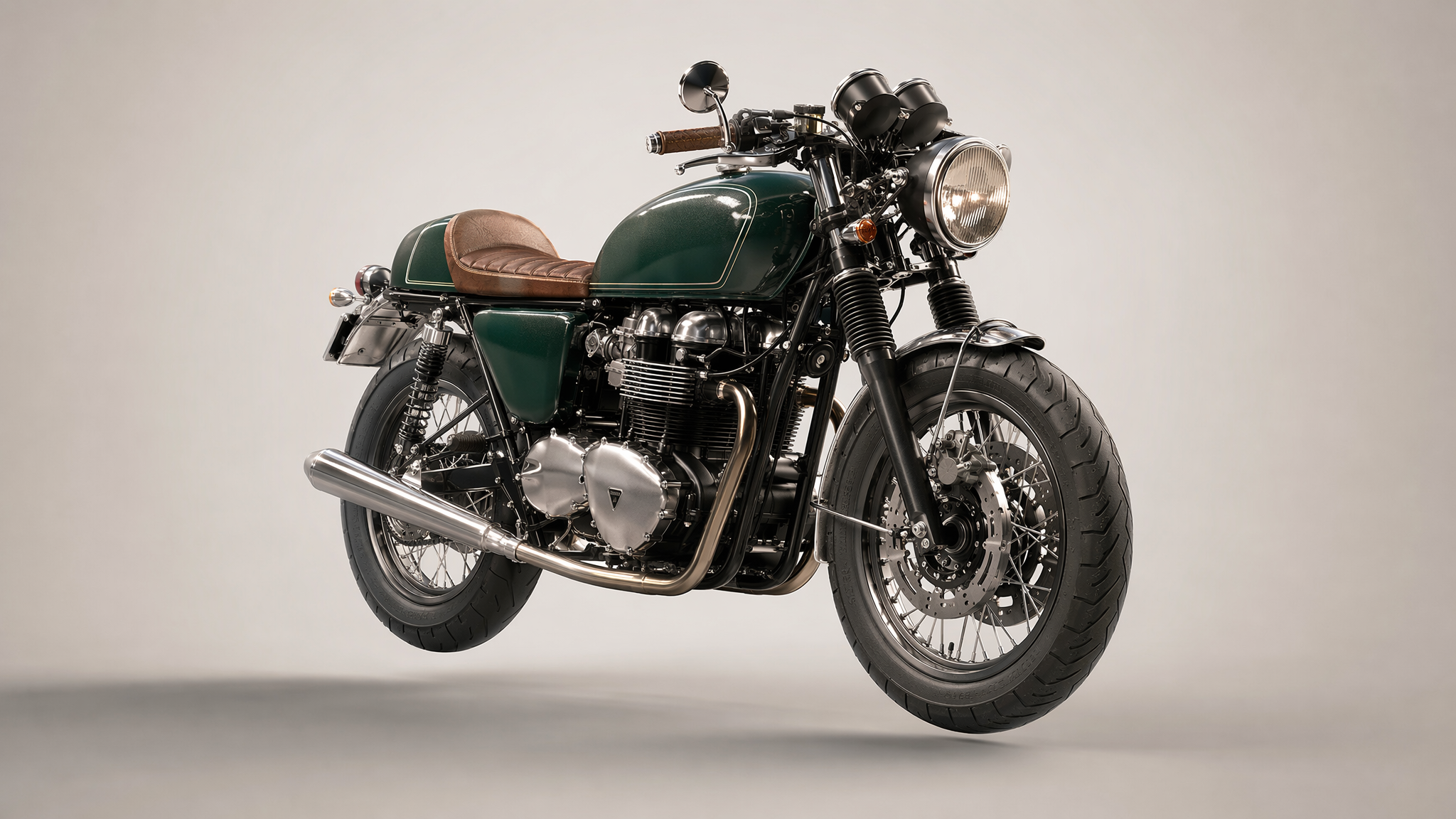
每個模型預設都會附帶生成的 PBR 材質,讓表面在即時引擎中能正確回應光照。紋理生成可以開啟或關閉;當你需要更高解析度貼圖時,紋理品質可從 standard 提升到 detailed。對於佔滿畫面的主視覺資產可選擇 detailed;對於背景道具,若算圖預算比毛孔等級的擬真度更重要,則可選擇 standard。
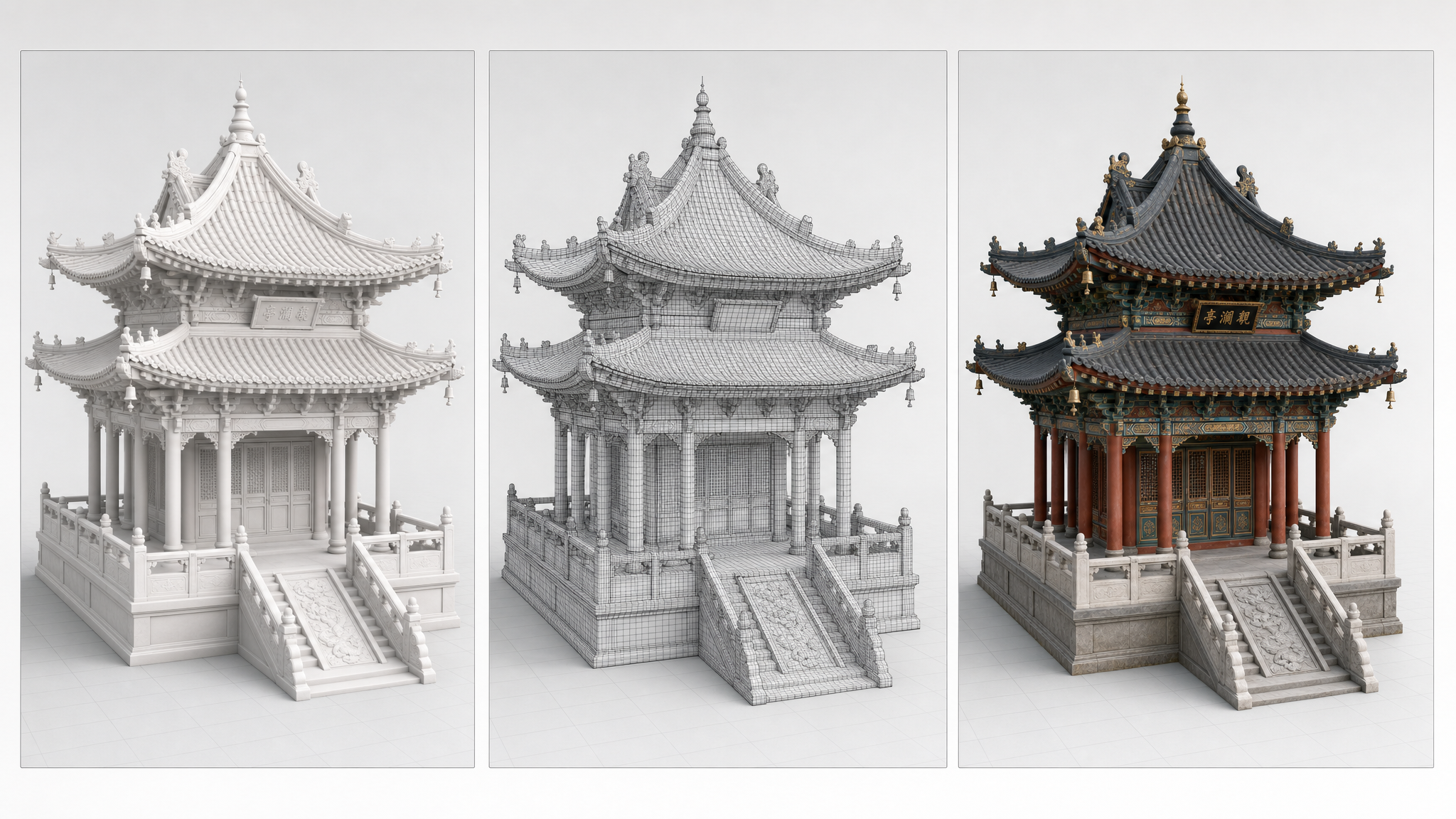
網格應該有多密?你可以將目標面數設定在 1,000 到 2,000,000 faces 之間,或不設定,讓 H3.1 自適應決定。幾何品質可在 standard 與 detailed 之間切換;啟用 quad mode 則會以四邊面拓撲取代三角面,並匯出為 FBX。乾淨的四邊面對雕刻與動畫很重要,而受限的面數則能讓遊戲就緒資產維持在嚴格的多邊形限制內。
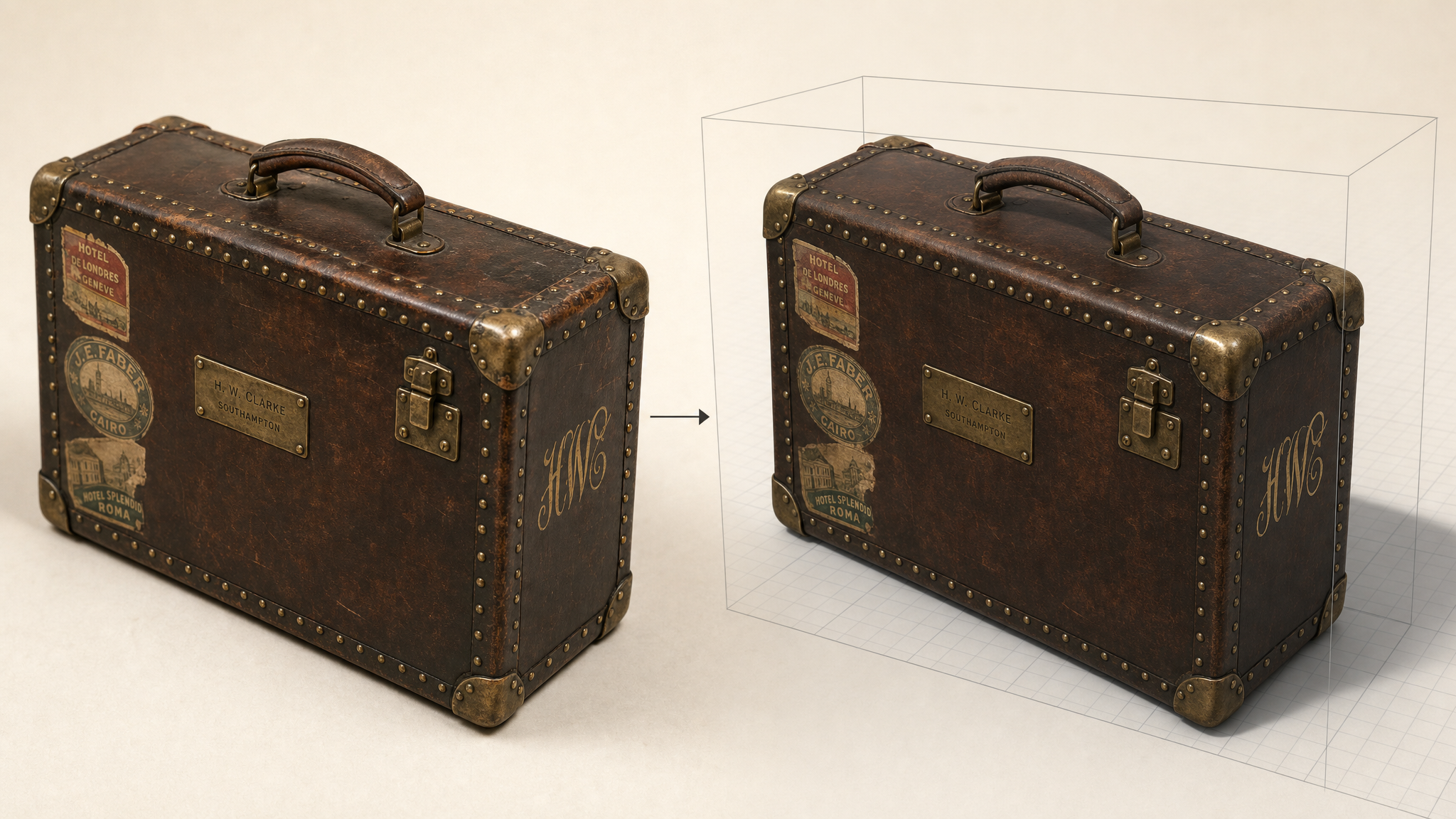
轉換照片時,Tripo API 可讓你將紋理對齊原始圖片或生成的幾何,方向也能自動匹配輸入,而不是使用預設姿勢。這些控制能讓標誌、標籤與正面細節精準保留在來源圖片呈現的位置。最終得到的網格會被辨識為客戶已經熟悉的同一個物件,而不是鬆散的近似版本。
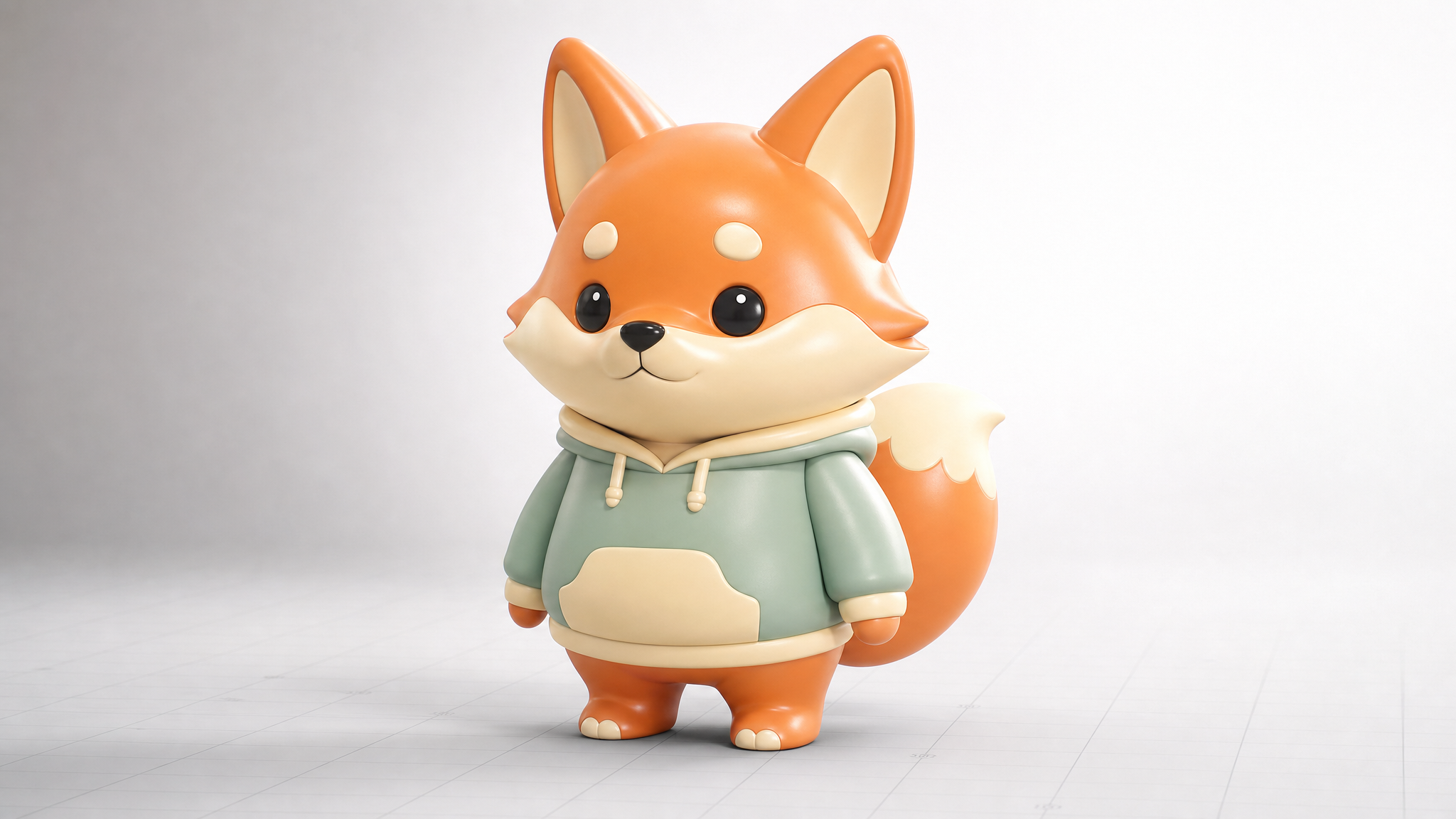
可重現性內建於流程中,透過幾何、text-to-image 步驟與紋理生成各自獨立的 seed,儲存的 seed 可在需要時重新生成相同結果。Auto-size 可將網格縮放到以 meters 表示的真實世界尺寸,而不是任意單位。這些能力結合起來,讓 Tripo API 適用於資產必須重新生成、版本化,或以真實比例放入場景的管線。
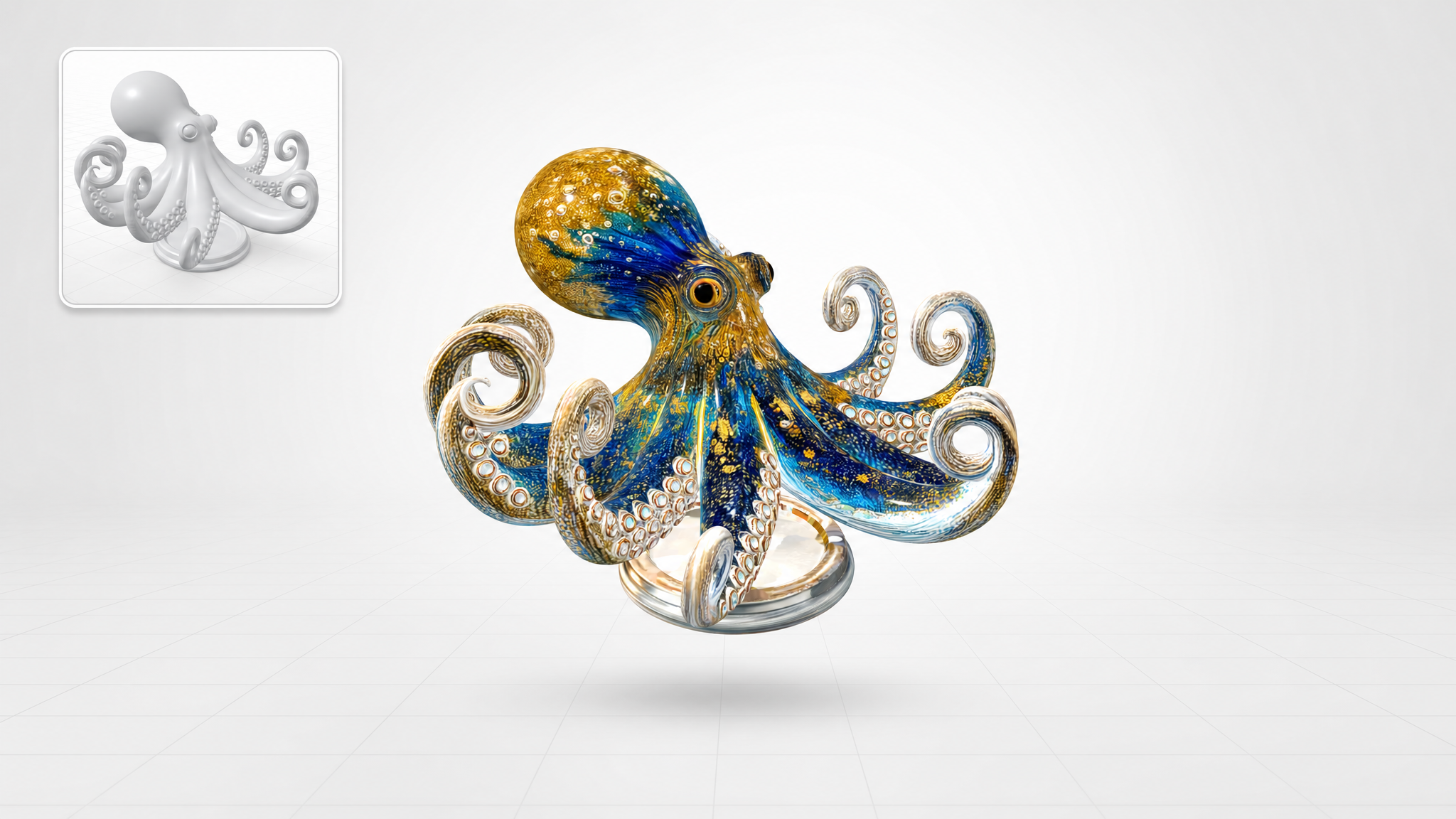
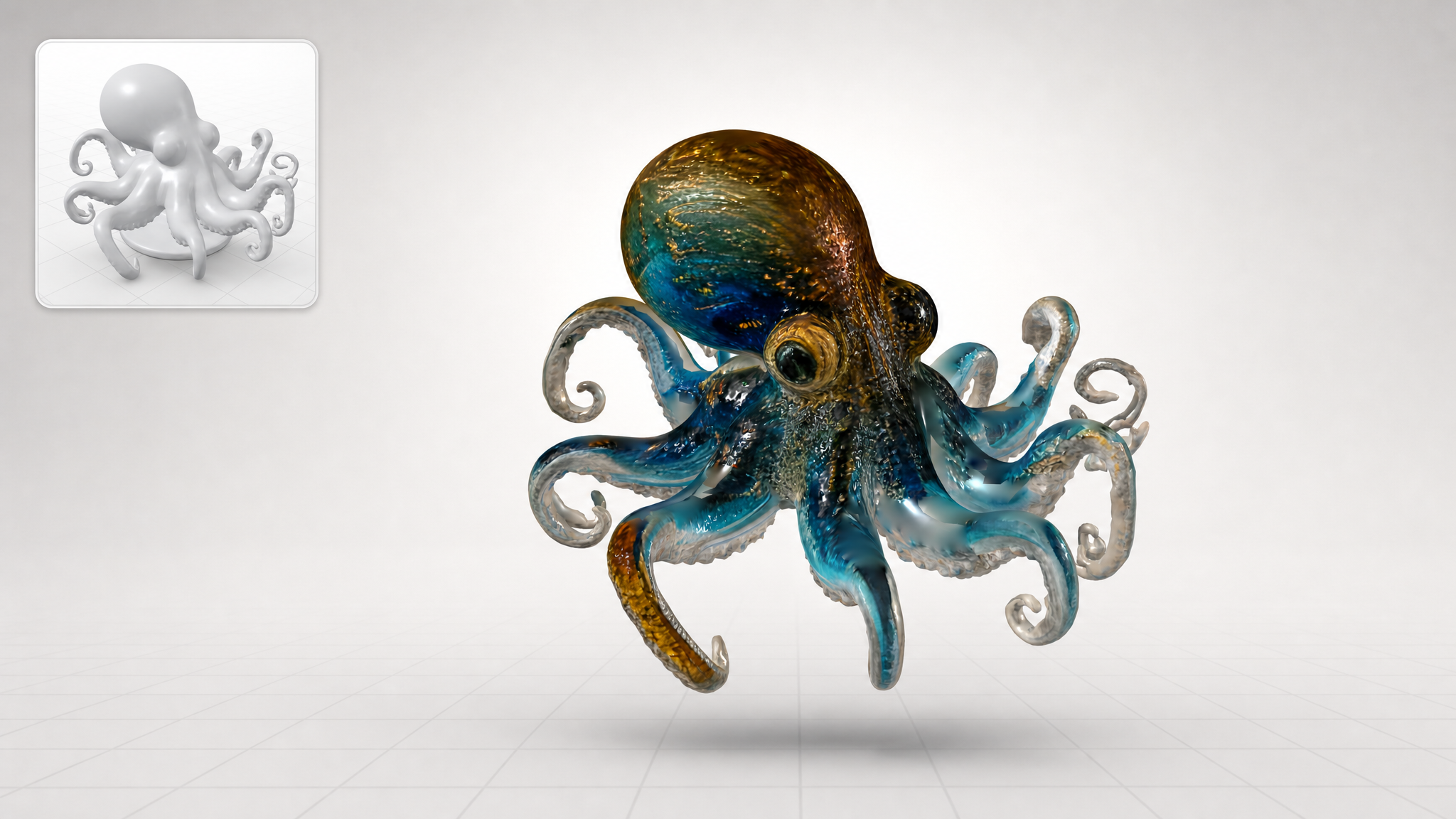
將同一張參考圖片同時輸入 Tripo API、Seed3D 2.0 與 Hunyuan 3D Rapid,接著比較各引擎將同一物件重建為帶紋理 3D mesh 的忠實度。
一件威尼斯手工吹製玻璃章魚小雕像,置於小型透明玻璃底座上;圓鼓鼓的頭部呈現琥珀金與深海藍 Murano glass 交織的漸層漩渦,半透明的身體中密布被封存的氣泡,並散落著懸浮其中的金箔碎片。八隻觸手自底座向外盤旋延展,逐漸變細至羽毛般纖薄、近乎透明的捲曲末端;每隻內側腕部排列著一排排凸起的圓形吸盤,折射出細小的彩虹光暈。不均勻的玻璃厚度讓較厚區域色澤深沉,邊緣則幾乎透光。來自後方的柔和輪廓逆光,加上輕柔的底部補光,使精緻的觸手末端發亮並顯露漂浮氣泡;正面主光則勾勒流動的表面紋理與濕潤亮澤的高光。寫實體積感與折射效果,3/4 視角、略高俯視。單一物件,置中,完整呈現,乾淨柔和的中性攝影棚背景,photorealistic product photography
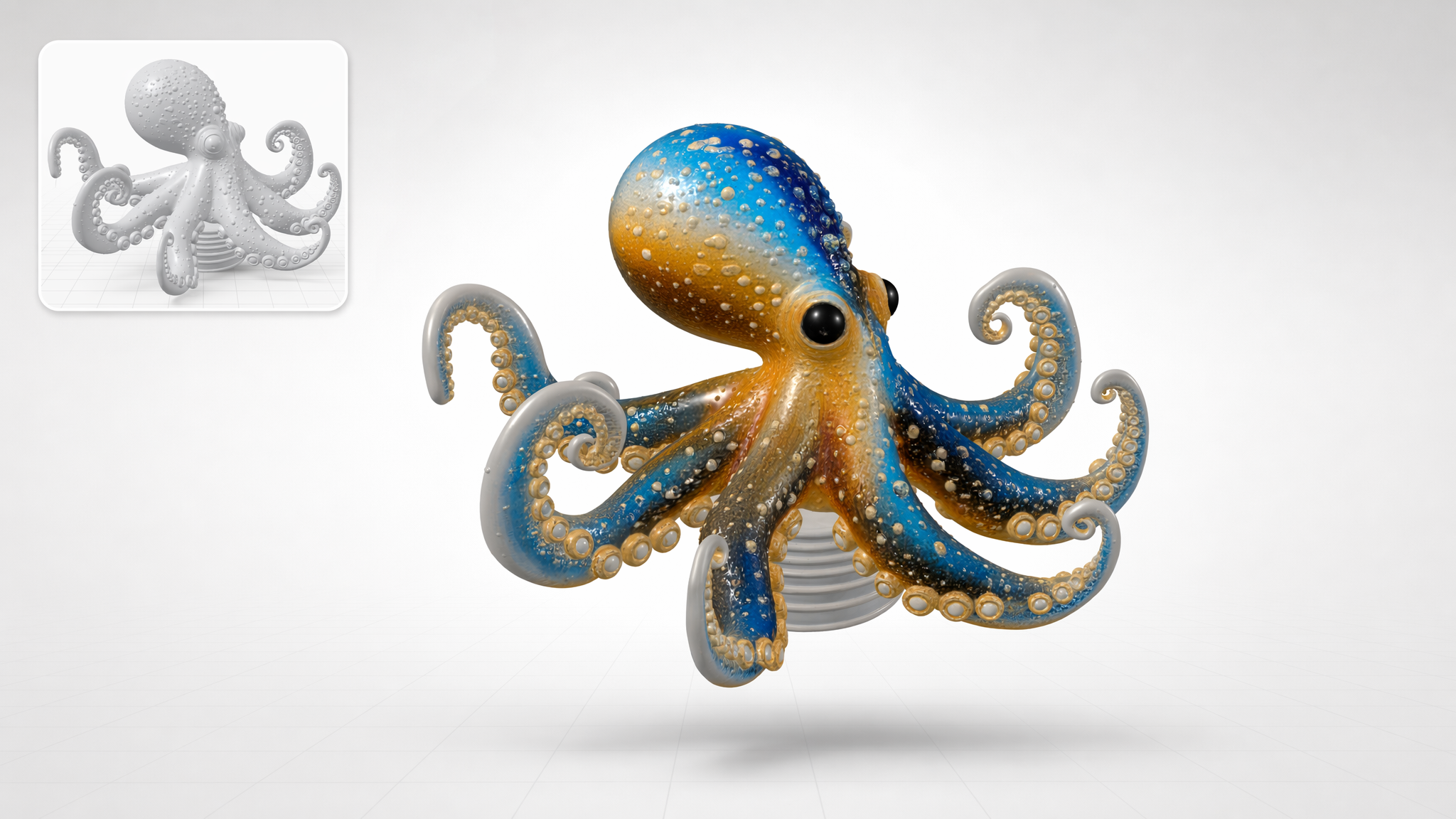
Generated with Tripo H3.1 Image-to-3D on Atlas Cloud
Generated with Seed3D 2.0 Image-to-3D on Atlas Cloud
Generated with Hunyuan 3D Rapid Image-to-3D on Atlas Cloud
一只質樸的手拉坯陶碗,盛滿層次豐富的多肉植物組合;柴燒炻器呈現斑駁的灰釉窯變火痕與霧面粗粒質感,土面鋪有淺色火山礫石與細緻綠苔。碗中群聚著七、八種品種——覆有白色粉霜的粉藍色 echeveria 蓮座、尖端透亮發光如凝膠般的 Haworthia cooperi 透明窗、垂落越過碗緣的一串珍珠、珊瑚紅邊的 sedum,以及帶紫調的尖刺形態——它們厚實多汁的葉片以柔和半透明的緻密曲線彼此交疊。柔和的定向攝影棚燈光斜掠而過,呈現蠟質高光、天鵝絨般的霜感,以及葉片內部發亮的次表面散射效果。三分之四略高視角,單一物件,置中,完整呈現,乾淨柔和的中性攝影棚背景,photorealistic product photography
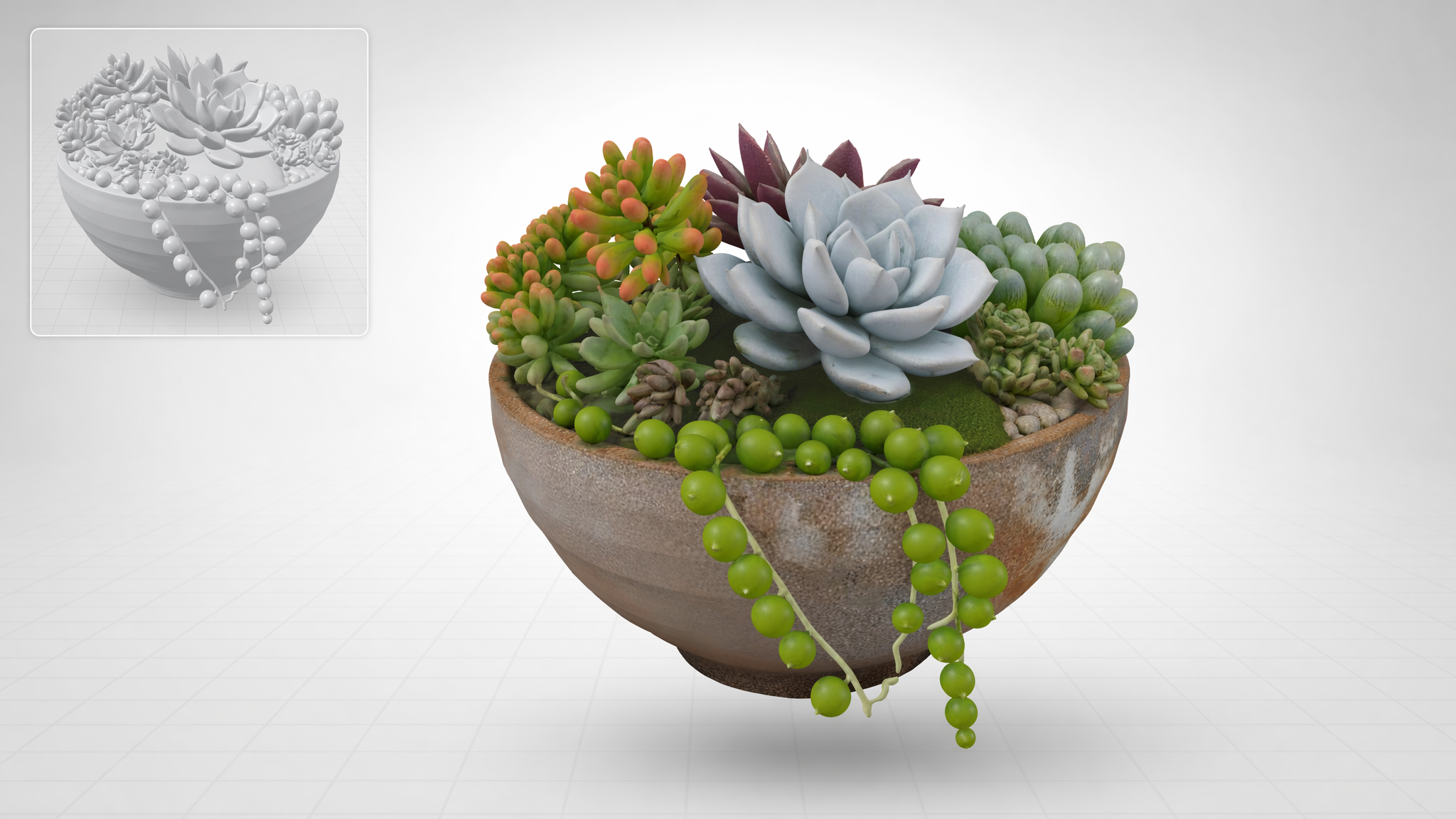
Generated with Tripo H3.1 Image-to-3D on Atlas Cloud
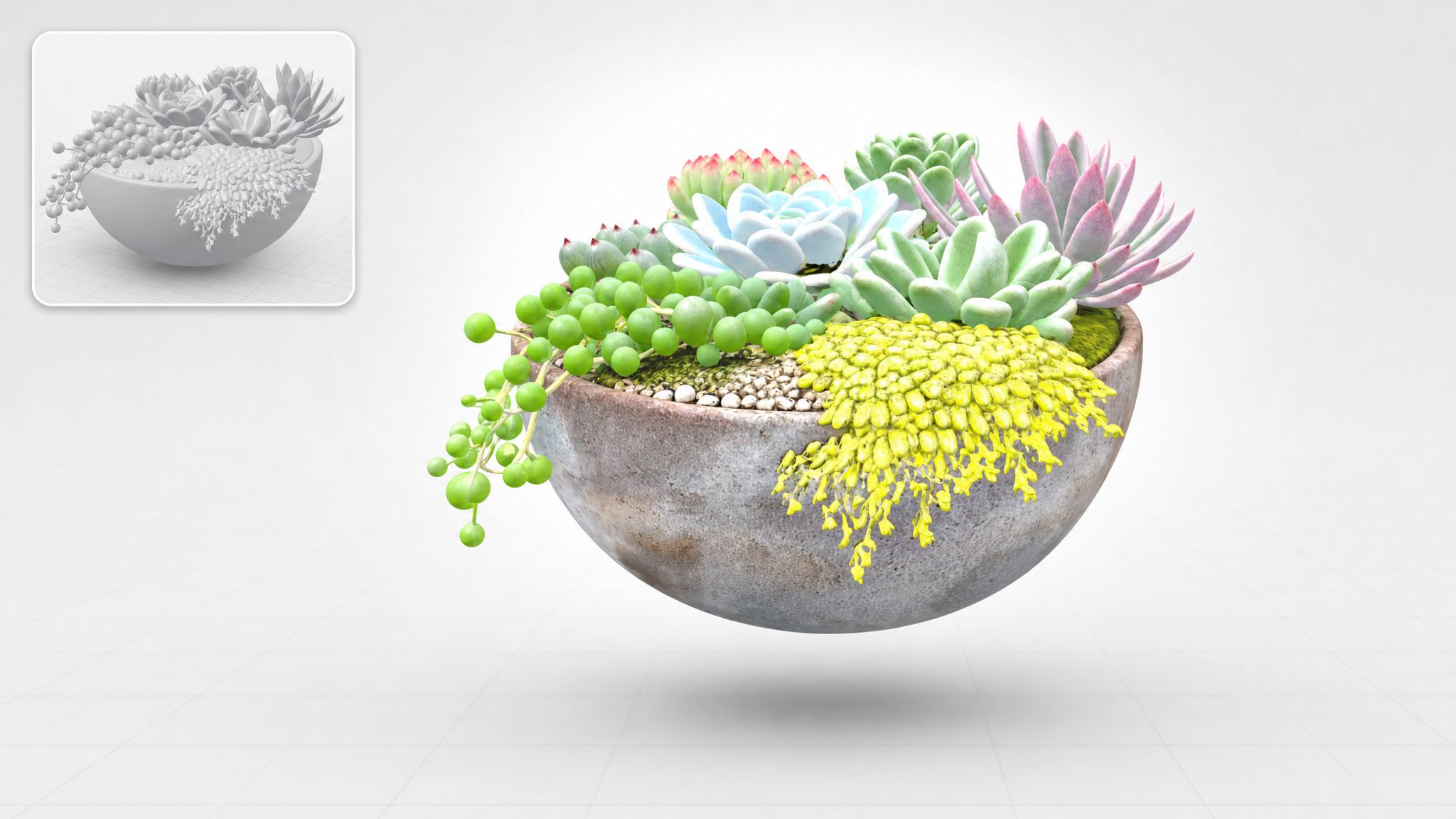
Generated with Seed3D 2.0 Image-to-3D on Atlas Cloud
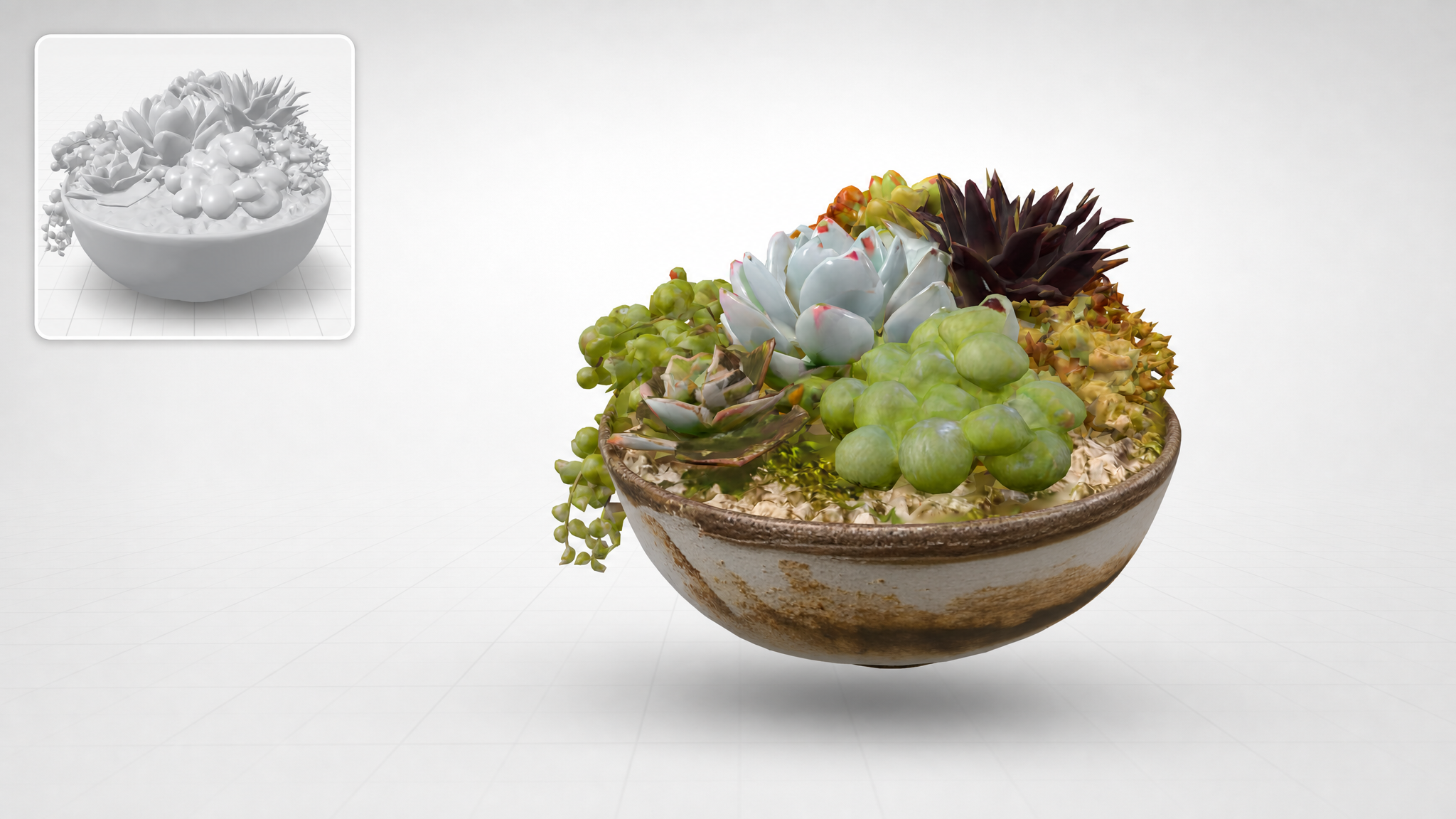
Generated with Hunyuan 3D Rapid Image-to-3D on Atlas Cloud
從遊戲道具、可用於動畫的骨架綁定模型、AR 場景、電子商務檢視器,到可直接列印的零件,Tripo API 涵蓋從文字提示或單張參考圖開始的完整 3D 工作流程。

設定 1,000 到 2,000,000 之間的目標面數,產生適用於即時引擎的貼圖網格。工作室用它快速為關卡填入道具、武器和背景物件。

單張產品照片即可透過 Tripo API 轉換為具備 PBR 貼圖的 3D 模型。線上商店將這些素材製作成 360 檢視器與 AR 試用體驗,提升買家信心並降低退貨率。

啟用四邊面輸出時,每個模型都會以 FBX 匯出,並具備乾淨、適合骨架綁定的四邊面拓撲。動畫師可將這些網格直接匯入 Blender 或 Maya,無需手動重新拓撲。

PBR 材質與自動縮放至真實世界公尺單位,讓產生的物件能順利放入 AR 與 VR 場景。開發者可放置逼真的家具、裝備與角色,無需任何手動調整尺寸的步驟。

一個想法能多快變成 3D 物件?Tripo API 可從單一文字提示渲染出完整貼圖模型,讓設計師在開始任何手動雕塑前,先測試輪廓與造型。

細緻的幾何品質結合可調整的面數限制,可為列印工作流程產生乾淨且多邊形數可控的網格。創作者能將照片或提示轉換為公仔、複製道具與客製零件。
了解 Tripo API 在輸入支援、幾何細節、匯出格式與單模型定價方面,與 Tencent Hunyuan 3D 和 ByteDance Seed3D 的比較;以上皆可透過一組 Atlas Cloud 金鑰存取。
| 模型 | 供應商 | 輸入類型 | 最高幾何量 | 輸出格式 | 價格 |
|---|---|---|---|---|---|
| Tripo H3.1 Text-to-3D | Tripo | 文字 | 最高 2M 個面 | GLB, FBX | $0.10 / 模型 |
| Tripo H3.1 Image-to-3D | Tripo | 圖片 | 最高 2M 個面 | GLB, FBX | $0.10 / 模型 |
| Hunyuan 3D Pro | Tencent | 文字、圖片 | 最高 1.5M 個面 | GLB, USDZ | $0.02 / 模型 |
| Hunyuan 3D Rapid | Tencent | 文字、圖片 | - | GLB, USDZ | $0.02 / 模型 |
| Seed3D 2.0 Image-to-3D | ByteDance | 圖片 | - | GLB, OBJ, FBX, STL, USDZ | $0.353 / 模型 |
幾分鐘即可上手 — 按照以下簡單步驟,透過 Atlas Cloud 平台整合和部署模型。
在 atlascloud.ai 註冊並完成驗證。新用戶可獲得免費額度,用於探索平台和測試模型。
將先進的 Tripo 模型與 Atlas Cloud 的 GPU 加速平台相結合,提供無與倫比的效能、可擴展性和開發體驗。
低延遲:
GPU 最佳化推理,實現即時回應。
統一 API:
一次整合,暢用 Tripo、GPT、Gemini 和 DeepSeek。
透明定價:
按 Token 計費,支援 Serverless 模式。
開發者體驗:
SDK、資料分析、微調工具和模板一應俱全。
可靠性:
99.99% 可用性、RBAC 權限控制、合規日誌。
安全與合規:
SOC 2 Type II 認證、HIPAA 合規、美國資料主權。
The Tripo API is Tripo AI's interface for turning text prompts and single images into production-ready 3D models. On Atlas Cloud it powers the Tripo H3.1 Text-to-3D and Image-to-3D endpoints, each returning a textured mesh with PBR materials. You reach both through one Atlas Cloud API key with pay-as-you-go pricing.
From a single sentence or one reference image, Tripo generates game characters, mechanical parts, props, and product visuals as complete 3D meshes. Because the output ships with PBR textures, assets move straight into game engines, AR scenes, and 3D commerce pipelines without a manual rebuild.
Sign in to Atlas Cloud, create your API key, and send a prompt or image to the Tripo H3.1 endpoint through the same interface you use for other models. Generation runs asynchronously, and the response returns a downloadable GLB file once the model is ready. Start building today.
Both endpoints accept text descriptions or a single image, with the Text-to-3D model taking prompts up to 1024 characters. Results return as GLB, the glTF 2.0 based binary format that opens directly in Blender, Unity, Unreal Engine, and Three.js.
Tripo H3.1 Text-to-3D and Image-to-3D each cost $0.10 per generation on Atlas Cloud, and you are billed only for the calls you make. There are no subscriptions or seat fees, so spend scales directly with how much you generate.
Several parameters let you tune the result: PBR materials, texture quality set to standard or detailed, and geometry quality for finer surfaces. Quad mesh topology is available too when animation or sculpting workflows need clean edge loops rather than a triangle mesh.
Latency depends on the settings you choose, since detailed textures and higher geometry quality take longer than standard runs. Improved generation speed was one of the core upgrades in H3.1, and because requests process asynchronously your app can submit a job and poll for the finished model.
Rather than generating geometry token by token, H3.1 builds shapes natively in 3D probabilistic space, which keeps structure coherent and edges sharp. Against earlier releases it improves input alignment, geometry precision, and texture consistency, reducing the manual cleanup needed before assets reach production.
Seedance 2.5 API 現已在 Atlas Cloud 上線!它為開發者提供了 ByteDance 最新的影片模型。該模型可透過文本、單張影像或多達 50 個多模態參考,一次性生成長達 30 秒的原生影片,並包含同步音訊和畫面內的多語言文本。在 Atlas Cloud 上,您可以透過單個金鑰存取它,其主體一致性和改進的物理特性可保持長鏡頭的連貫性。

Wan 3.0 API 是阿里巴巴 Wan 影片系列的下一代產品,旨在將長影片生成、多參考控制和影音品質推向新的高度。Atlas Cloud 已經代管了 Wan 2.7、2.6 和 2.5,而 Wan 3.0 透過相同的統一金鑰運行,無需額外設定。立即開始建置吧。向下捲動至展示區,查看 Wan 3.0 的創作能力。
MiniMax H3 是 MiniMax 的多模態影片系列,支援文字、影像與參考素材引導創作。在支援的路由中,它能保留參考媒體中的主體、提供彈性的長寬比,並透過 H3 Developer 將生成的聲音與畫面配對;輸出設定檔則依端點選定。Atlas Cloud 以一組 OpenAI-compatible 金鑰統一整個系列,並提供透明的隨用隨付定價,標準費率為每秒 $0.038。立即開始打造。
OpenAI 的 gpt-image-2.5 系列讓開發者可在正式環境的影像工作流程中選擇 Flare 與 Sunburst。支援最高 3840x2160 的任意解析度渲染,並提供五個品質等級(包括 xhigh 與 max),滿足特定的輸出需求。Atlas Cloud 提供可立即使用的 REST 推論服務,無冷啟動問題,標準價格每次生成最低 $0.004。立即開始建構。
Seedream 5.0 Pro API 為開發者在 Atlas Cloud 上提供了字節跳動的可控圖像編輯模型。它透過錨點和座標精確定位編輯,將圖像分離為可編輯圖層,融合多個參考,並精準匹配顏色和材質,支援 2K 和 3K 解析度的多語言文本。在 Atlas Cloud 上,您只需一個金鑰即可存取!
Seedance 2.0 是 ByteDance 為精準鏡頭創作打造的生產級影片模型。將提示詞轉換為影片、使用可選的末幀引導讓首幀圖片動起來,或搭配參考媒體與可選的網路搜尋塑造成果。Atlas Cloud 將這些工作流程整合至統一的 API,提供透明的按用量計費方案,以及一組相容於 OpenAI 的金鑰。立即開始打造。
Kling 3.0 API 透過一個與 OpenAI 相容的金鑰,將 Kuaishou 的旗艦影片套件引入 Atlas Cloud。它包含兩個模型:Kling 3.0 用於 AI Director 敘事、多語言唇形同步和精準的螢幕文字;Kling 3.0 Omni (O3) 用於透過短影片或圖像進行主體和聲音複製。兩者皆能在同一次處理中生成原生音訊,最高支援 4K 輸出。在可靠的基礎設施上建構電影級敘事、全球行銷、多語言廣告和系列化角色內容。
Grok Imagine Video 讓開發者能使用 xAI 的影片模型系列,建立、動畫化、延展及編輯影片片段。只要輸入提示詞,即可生成 1 至 15 秒的影片;搭配最多 7 張參考圖片,引導人物、物件或風格,並支援 480p 或 720p。Atlas Cloud 透過與 OpenAI 相容的端點,整合這些功能,並提供透明的按用量計費方案。立即開始建置。
Vidu Q4 是 Vidu 最新的旗艦影片模型,專為影像轉影片與參考圖轉影片生成而設計。它能將單張靜態影像製作成動畫,並自動建立場景轉場,為不同的產品工作流程提供兩種輸入方式。Atlas Cloud 提供專用 API endpoint,並以已驗證的標準價格 $0.04 per second 公開參數 schema。立即開始建置。
Gemini Omni 1.1 Flash 是 Google DeepMind 為彈性化製作流程打造的原生多模態影片系列。透過文字指令編輯現有素材,使用最多 10 張參考圖片與 3 段影片維持視覺一致性,或以可串接的片段延長鏡頭,最長達 40 秒。在 Atlas Cloud 上使用單一 OpenAI 相容 API 金鑰即可存取所有工作流程,享有隨用隨付的定價與 Day-0 可用性。立即開始打造。
Nano Banana 2.1 是 Google 基於 Gemini 3.6 Flash 打造的影像模型系列。它以 Flash 等級的速度提供 Pro 等級的生成與編輯功能,支援以自然語言對 1 至 14 張輸入影像進行編輯與合併,並可維持最多 4 個角色與 10 個物件的一致性。透過 Atlas Cloud,開發者只需一組 OpenAI 相容金鑰,即可使用此系列模型,享有可靠的服務可用性與 Day-0 上線支援。立即開始打造。
使用由 Google 的 Gemini 3.1 Flash Image 模型驅動的 Nano Banana 2 API 進行建置。它可生成解析度高達 4096x2304 的原生 4K 視覺效果,具備準確的文字渲染能力,並在生成與編輯過程中支援多達 14 張參考圖像的角色一致性。在 Atlas Cloud 上,您可以透過一個統一的 API 存取它及其他 300 多個模型,價格低至每張圖像 0.04 美元,提供 99.99% 的正常運作時間,並附贈免費額度供您開始使用。
指南、教學與產品動態,助你充分發揮 Atlas Cloud 的價值。



