Hogere resolutie betekende altijd een hogere rekening. MiniMax H3 breekt stilletjes met die regel. Het rendert direct naar native 2K, en de prijs per seconde ligt lager dan wat een 720p-clip kost op het videomodel waar de meeste mensen als eerste naar grijpen.
Dat is de kop, maar de resolutie en de prijs zijn slechts de helft van wat MiniMax H3 interessant maakt. De andere helft is hoe het werkt: één model dat tekst, beeld, video en audio samen leest en in één enkele beurt een afgewerkte clip, beeld en geluid, teruggeeft. Hieronder staat wat het doet, wat het kost, en de exacte prompts die elke clip in dit artikel hebben geproduceerd.
Belangrijkste conclusies
- MiniMax H3 rendert native 2K (2560 x 1440) met een gesynchroniseerde stereogeluidsband die in dezelfde beurt wordt gegenereerd, niet achteraf toegevoegd.
- Geverifieerde prijzen op de modelpagina (juli 2026): 2K is $0,14 per seconde, 768p is $0,10 per seconde. Ter vergelijking: Seedance 2.0 kost ongeveer $0,24 per seconde op 720p, dus H3 geeft een frame met hogere resolutie voor een lagere eenheidsprijs.
- Drie ingangspunten (tekst, beeld en referentie naar video) delen één API-sleutel. Referentie-naar-video accepteert tot negen gemengde afbeeldingen, clips en een audiotrack als identiteitsankers.
MiniMax H3 werkt in één keer in plaats van drie tools
Het maken van één afgewerkte clip betekent meestal het opsplitsen van de klus. Je genereert een plaatje in één model, schakelt over naar een tweede model voor audio, en opent vervolgens een editor om de twee op elkaar af te stemmen. Elke overdracht lekt een beetje van de oorspronkelijke intentie, en de tijdlijn loopt snel op.
MiniMax H3 stort dat in. Het leest de hele briefing als één context: hoe het personage eruitziet, hoe de beweging verloopt, hoe de camera beweegt, de emotionele toonsoort, en hoe het geluid moet aanvoelen – alles gaat er samen in en komt terug als één clip. MiniMax kadert de richting als een verschuiving van taakspecifieke modellen naar algemene multimodale intelligentie, en in de praktijk betekent het minder tools die tegelijk open staan.
Twee dingen zijn het waard om ronduit te zeggen, omdat beide gemakkelijk te verifiëren zijn in de output. Ten eerste bevatten de clips echt geluid: de onderstaande showcasebestanden komen eruit met een ingebakken stereo audiotrack, niet achteraf toegevoegd. Ten tweede is de resolutie echt 2K, 2560 x 1440 bij 24 frames per seconde, geen upscale.
Drie manieren om MiniMax H3 te gebruiken op Atlas Cloud
MiniMax H3 is live op Atlas Cloud met drie ingangspunten, en ze reageren allemaal op dezelfde API-sleutel. Elk heeft een Playground die je in de browser kunt uitproberen voordat je een regel code schrijft.
| Ingangspunt | Aangedreven door | Invoer | Het beste voor |
|---|---|---|---|
| Tekst-naar-video | Alleen een tekstprompt | Geen referentiemateriaal | Een scène helemaal zelf opbouwen |
| Beeld-naar-video | Een eerste frame, plus optioneel een laatste frame | Een of twee stilstaande beelden | Een vast frame dat je al hebt animeren |
| Referentie-naar-video | Een tekstprompt plus referentiemateriaal | Tot 9 gemengde afbeeldingen, videoclips en één audiotrack | Een personage, product of stijl consistent houden in de clip |
Het referentie-naar-video pad is het flexibele. Het behandelt je referenties als identiteitsankers, zodat een personage, product of look consistent blijft terwijl de prompt het in nieuwe scènes en beweging plaatst. Je kunt afbeeldingen en videoclips mixen en één audiotrack toevoegen om de actie op een beat te synchroniseren. Ten minste één afbeelding of video is vereist; audio alleen is niet toegestaan.
Omdat elk model op het platform één aanroepconventie deelt, is overstappen van een ander videomodel naar H3 een kwestie van het model-veld wijzigen. Auth, polling en resultaatophaling blijven identiek. Dat is het stille voordeel van het draaien van video-, beeld-, audio- en taalmodellen achter één sleutel en één factuur.
Wat MiniMax H3 kost: 2K, 768p, en de Seedance-vergelijking
MiniMax H3 factureert per seconde gegenereerde video, per resolutie. Deze cijfers komen rechtstreeks van de modelpagina, gecontroleerd op 31 juli 2026.
| Resolutie | Kosten per seconde | Een clip van 8 seconden |
|---|---|---|
| 2K (2560 x 1440) | $0,14 | $1,12 |
| 768p | $0,10 | $0,80 |
Hier is het deel dat in eerste instantie verkeerd om leest. Een native 2K seconde van H3 kost $0,14. Ter vergelijking: Seedance 2.0, het andere vlaggenschip-videomodel op het platform, factureert ongeveer $0,24 per seconde op 720p. Dus H3 geeft je een frame met hogere resolutie, tegen een lagere prijs per seconde, dan een clip met lagere resolutie op Seedance kost. Resolutie omhoog, eenheidsprijs omlaag, tegelijkertijd.
Eén eerlijke opmerking over het getal, zodat niemand verkeerd budgetteert. Er zit geen promotie achter de prijs van H3. De 20% korting die nu op het platform loopt, is op het Seedream 5.0 Pro beeldmodel, niet op H3, dus $0,14 per seconde op 2K is het vaste tarief vanaf eind juli 2026. De 768p-laag staat vermeld voor $0,10 per seconde; 2K is de laag die live en aanroepbaar is vandaag.
Het MiniMax H3 Promptboek: showcases die je kunt kopiëren
Elke clip hieronder is geproduceerd door de prompt die ernaast staat. Kopieer er een, vervang je eigen referenties en voer hem uit. Elk blok toont ook de referentieafbeeldingen die erin gingen, in de volgorde die de prompt aangeeft (afbeelding 1, afbeelding 2, enzovoort).
Merkfilms en film/TV
Trailers, TVC-spots en merktextuurfilms zijn de meest directe toepassing, omdat ze met de minste herwerking in een bestaande contentpijplijn passen.
Referentie-invoer, afbeelding 1 voor sfeer en stijl, afbeelding 2 voor het hoofdpersonage:
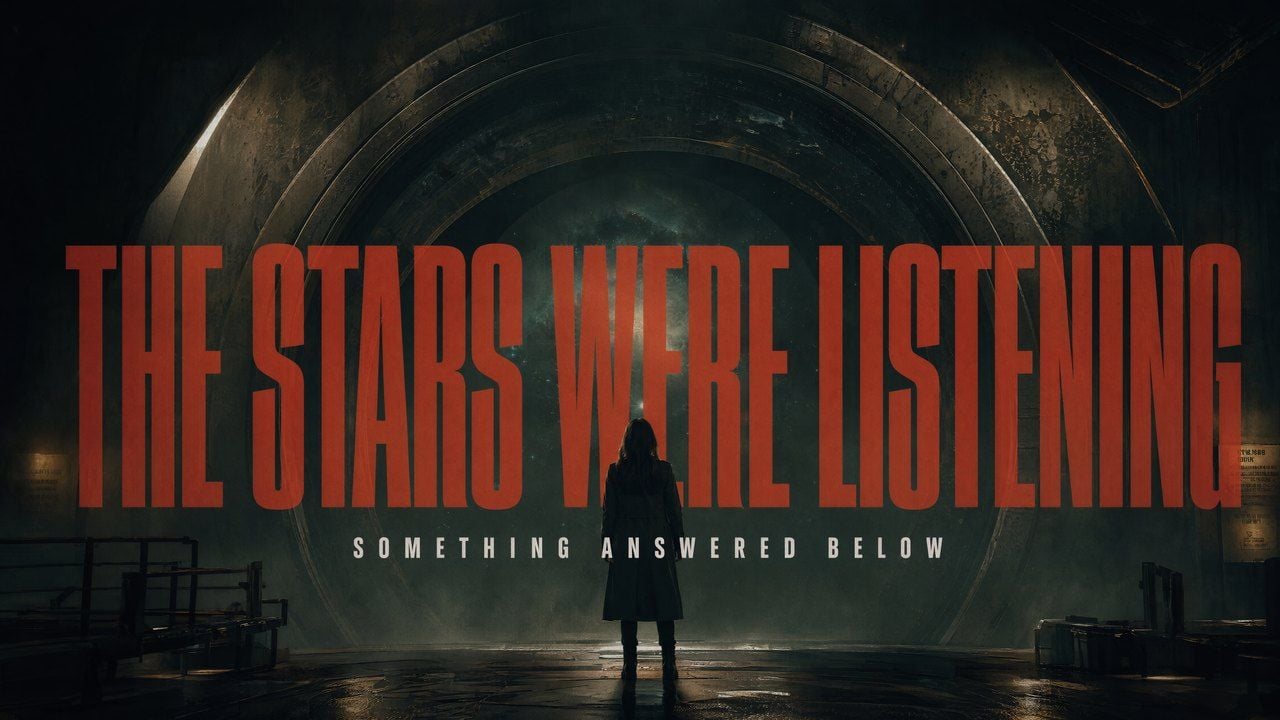 Referentieafbeelding 1, algehele sfeer en stijl
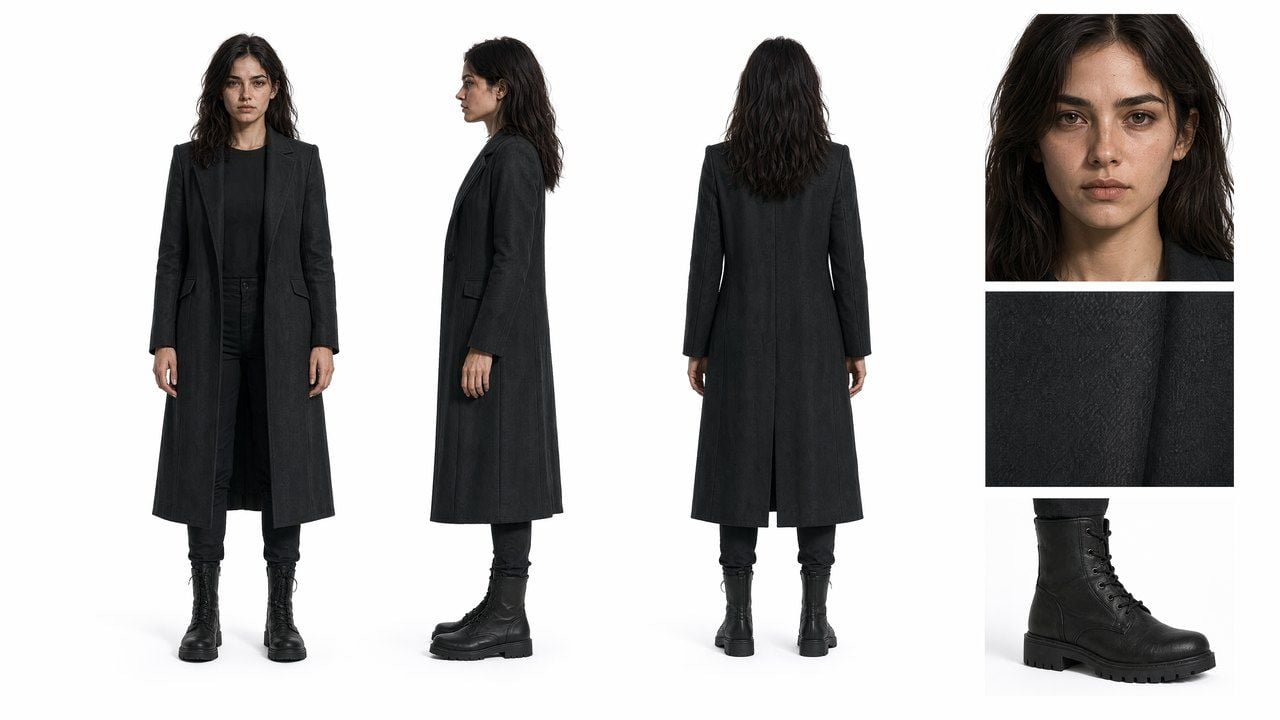 Referentieafbeelding 2, het hoofdpersonage
Plain1Realistische filmische look, hoogcontrast licht en schaduw, strakke pacing. Afbeelding 1 is de referentie voor algehele sfeer en stijl. Afbeelding 2 is de referentie voor het hoofdpersonage. Shot 1, ultra-wide establishing shot. Een enorme cirkelvormige kosmische poort vult bijna het frame; de figuur is slechts een klein silhouet ervoor, laag en iets rechts van het midden. De grond is nat en reflecterend; het midden van de poort is pikzwart. De camera beweegt langzaam naar voren. Een hoofdtitel vervaagt vanuit de rand van de duisternis, eerst wazig dan scherp: "THE STARS WERE LISTENING", extreem smal, vet, geheel in hoofdletters, donkerrood gemengd met roestrood, met lichte ruis en wazige randen. Audio: diepe laagfrequente puls, verre metaalachtige huivering, één zachte klap wanneer de tekst scherp wordt. Harde cut.
Visuele creatieven en contentverpakking
Creatieve korte films, titelsequenties, sfeervolle muziekvideo's en motion posters. Dit is waar de omgang van het model met tekst op het scherm en ritme het meest tot uiting komt.
Lichtspannende misdaad titelsequentie. Vijf stijlreferenties bepalen de retro-anime, strip-collage look; het model houdt elke Engelse credit leesbaar en laat de overgangen op de drumhits vallen.
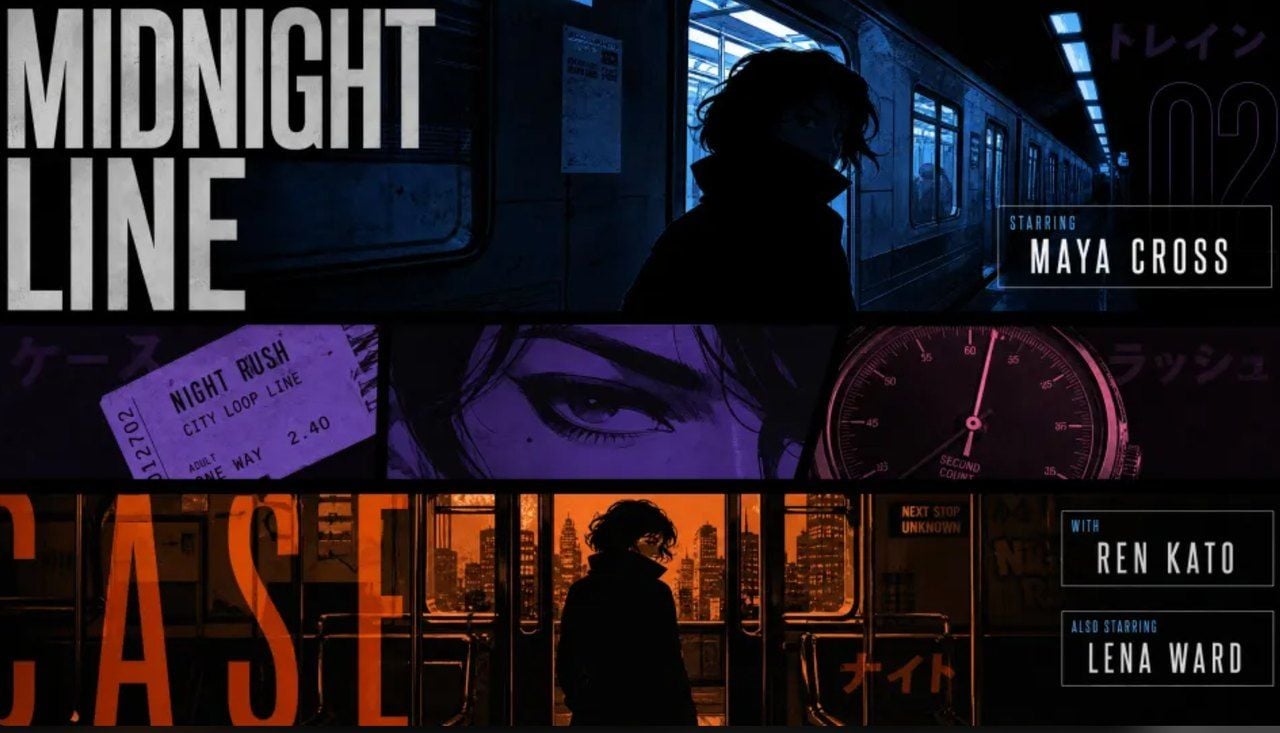 Stijlreferentie
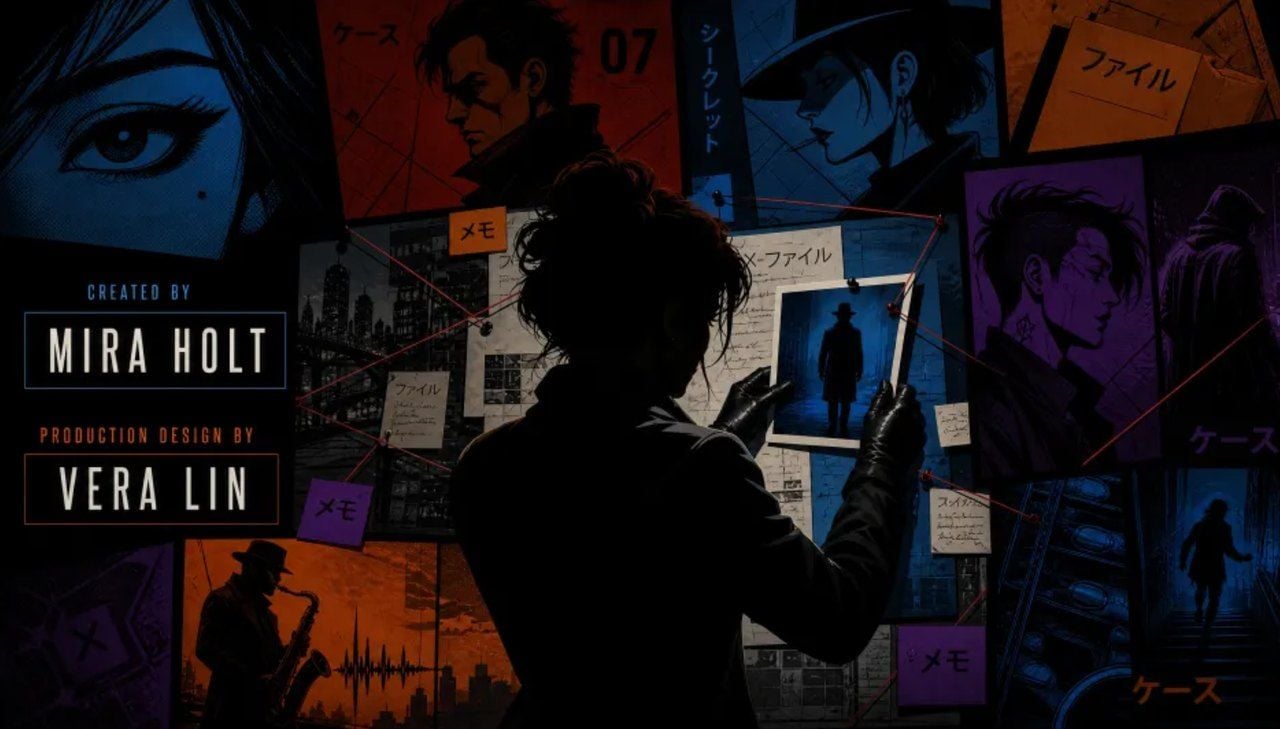 Stijlreferentie
Plain1Genereer een 15 seconden durende 16:9 landschap openings-titelsequentie voor een lichtspannende misdaadfilm. Algehele stijl volgt de beeldtaal van deze afbeeldingen: retro-Japanse anime titelsequenties, harde silhouetten, strip collage, asymmetrische split-screens, sterke geometrische kleurvlakken, Engelse credits, enkele Japanse katakana decoraties, jazz-crime houding. De sfeer is 60% spanning, 40% jazz: mysterieus, cool, wendbaar, met een urban-crime gevoel, geen horror, niet zwaar. De beweging leest als motion-graphic collage: lijnframes verschijnen eerst op zwart, split-screen grenzen vegen snel weg, kleurvlakken en panelen plakken blok voor blok in; personagesilhouetten, prop close-ups en Engelse credits schuiven, verschijnen en masker-onthullen in volgorde op de drumhits. Engelse credits moeten duidelijk leesbaar zijn en mogen worden geanimeerd. Voeg geen Chinees toe, geen onleesbare tekens, geen verkeerd gespeld Engels. Elke Engelse credit en rol verschijnt precies één keer. Houd overgangen gevarieerd: cirkelvormig vinylmasker, verticale autodeur-cut, een lang menselijk silhouet dat over het scherm veegt, rode lijn-cut, gigantisch Engels lettermasker, split-screen frame recompositie, harde kleurvlak cut. Alle overgangen vallen op de drumhits. Geen zachte dissolves. Achtergrondmuziek: originele 15 seconden durende titelmuziek, 60% spanning, 40% jazz, opgebouwd uit een aanhoudende bastoon, gespannen pizzicato strijkers, koude synthpulsen, kickdrum, spaarzame jazz brushes en korte lage saxfrases. De eerste 2 seconden bouwen spanning op met lage frequenties en hi-hat; op 3 seconden komt een lage drumbeat binnen; op 6 seconden voegt een jazzbasgroove zich; op 10 seconden verschijnt een korte saxriff; de laatste 2 seconden vergrendelen het frame met een spannend akkoord plus een drumhit. Imiteer geen bestaande melodie.
Live-action keuken versmolten met handgetekende animatie. Geen referentiemateriaal, alleen tekst-naar-video. De prompt leunt op imperfecte telefooncamera-textuur om te voorkomen dat het eruitziet als een commercial.
Plain115 seconden, 16:9 landschap. Live-action footage van een kleine keuken bij schemering versmolten met handgetekende gloeiende animatie. Zonsonderganglicht hangt nog bij het raam; de bewoonde kleine keuken heeft een oude houten tafel, een halfgewassen mok, een licht beslagen glazen fles en een hangende theedoek. Het beeld draagt de fijne handbeweging van eenhandig smartphonefilmen, aarzeling bij het scherpstellen van dichtbij, belichtingsschommelingen door tegenlicht, en enigszins grove ruis in de schaduwen. Maak het niet netjes gecomponeerd als een commercial, het moet aanvoelen alsof iemand haastig iets onmogelijks thuis filmt. Geen reuzenogen, geen gespleten monden, geen hoektanden, geen bedreigende of springende bewegingen, geen plotselinge cut naar zwart, geen jump scares. Geluid gebruikt alleen keukenruimtetoon, de wrijving van de theedoek, het lichte geklingel van de mok, water dat uit de kraan druppelt, de voetstappen van de filmer en zachte ademhaling, plus de zachte elektronische toon en kleine kreten van het handgetekende wezen.
Dark-pop, cyber-grunge muziekvideo. Twee referenties bepalen de typografiebehandeling en printtextuur; de cut blijft hard, geen dissolves.
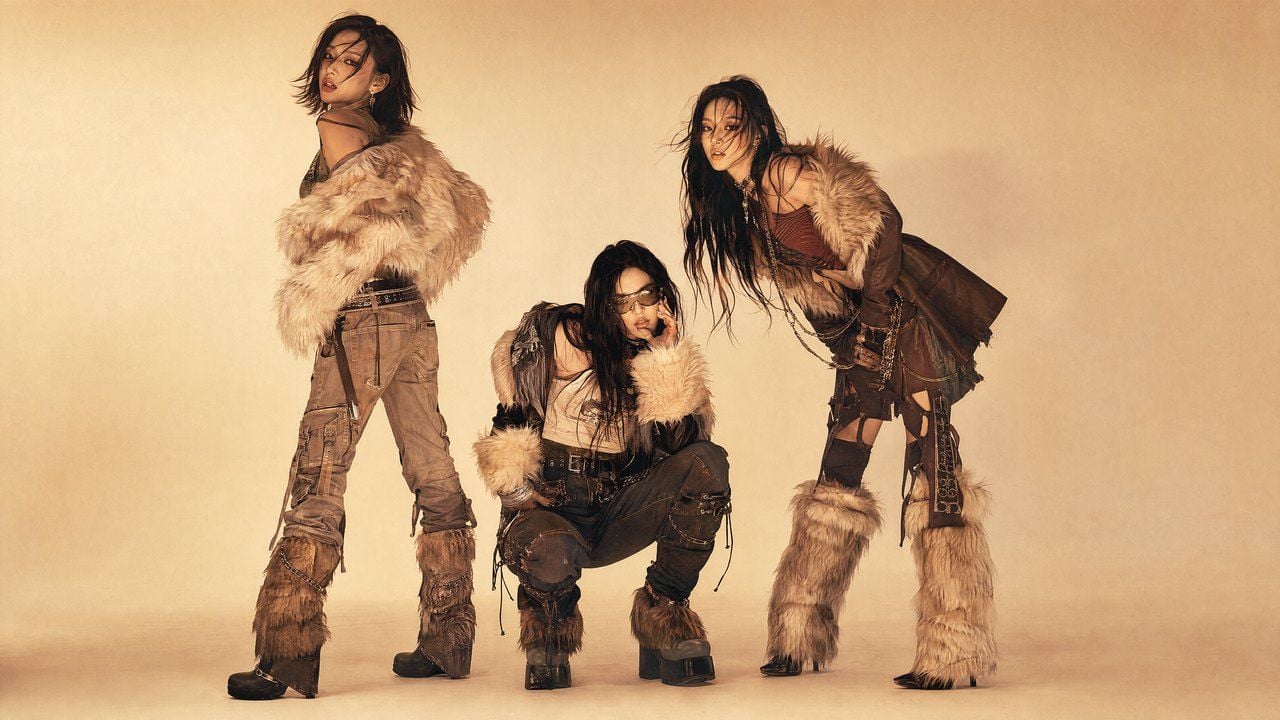 Typografiebehandeling referentie
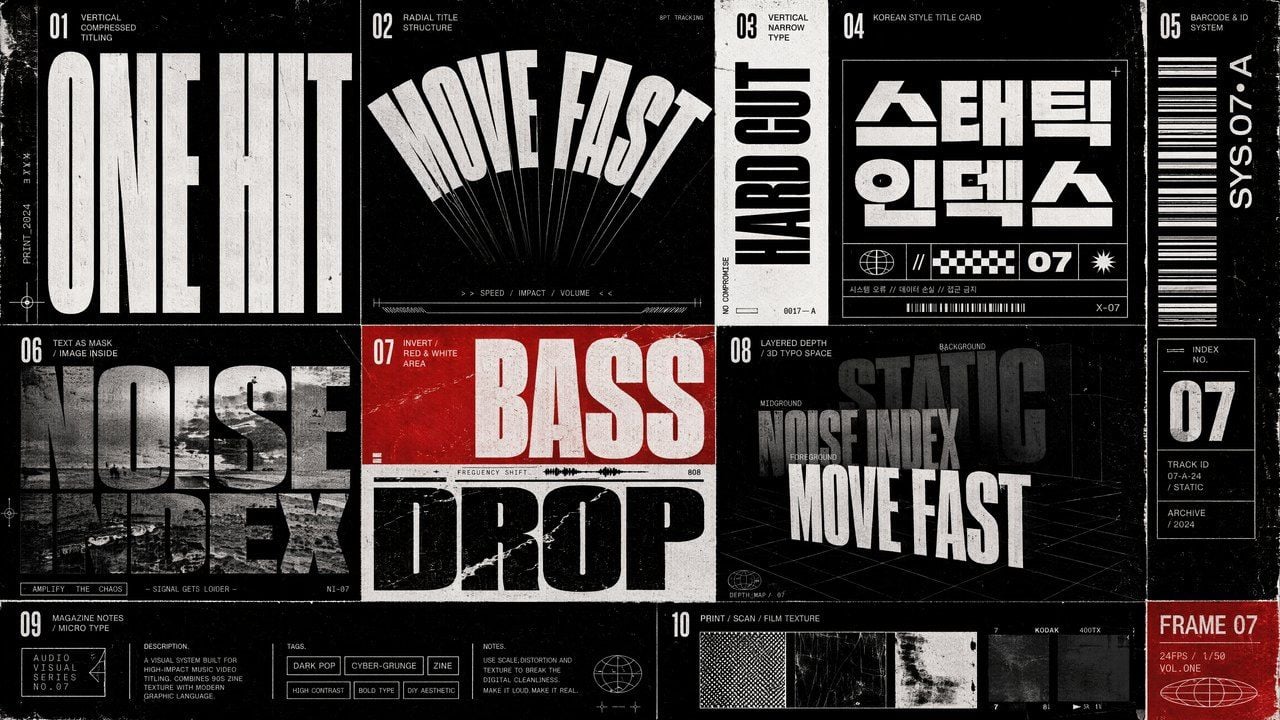 Typografiebehandeling referentie
Plain1Stijl: dark-pop / cyber-grunge / rap muziekvideo, realistische high-fashion textuur, film-magazine textuur, hoog contrast maar niet goedkoop. Algemene referentie: late jaren 90 tot vroege jaren 00 indie magazines, kopieerapparaat papier, film scans, underground muziekposters en zine collagesthetiek. Het beeld heeft grove korrel, lichte filmjitter, half-tone stippen, printbraampjes en scan misregistratie. Snel knipritme, alleen harde cuts, geen fades en geen zachte overgangen. Typografiebehandeling stijl en textuur volgen de referentieafbeeldingen.
Motion poster. Eén referentie, de originele statische poster. De prompt houdt de lay-out en het palet vast en animeert alleen de tekstentree.
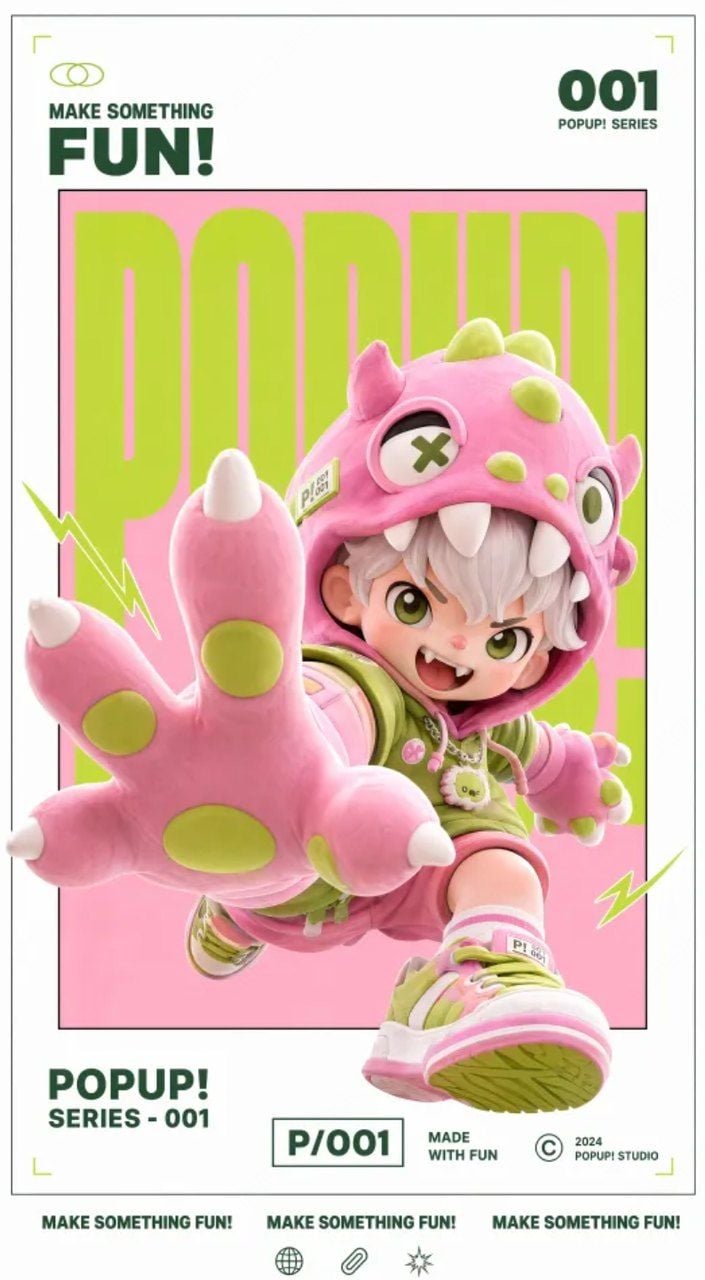 De originele statische poster
Plain1Maak een motion-poster video. Houd de galerij witte lijst, binnenlijst, rood-wit-zwart palet, 3D-figuur gevoel en lay-out structuur van de originele afbeelding ongewijzigd; terwijl de tekst binnenkomt, voeg een behendig tekst-entree geluidseffect toe.
Digitale ervaring en game creatief
Game UI, productinterfaces en interactiedemo's. Het opvallende hier is dat H3 een prompt volgt die is geschreven als getimede blokken.
Game equipment UI walkthrough, geprompt per seconde. Dit is degene die het waard is om goed te lezen. De prompt is geschreven als getimede segmenten, en het model volgt ze: menutoestanden, cursorclicks, paneelschuiven, een bewapeningsgrid, een laadbalk van 0% tot 100%, en dan de volledige omgeving die rond het personage inlaadt.
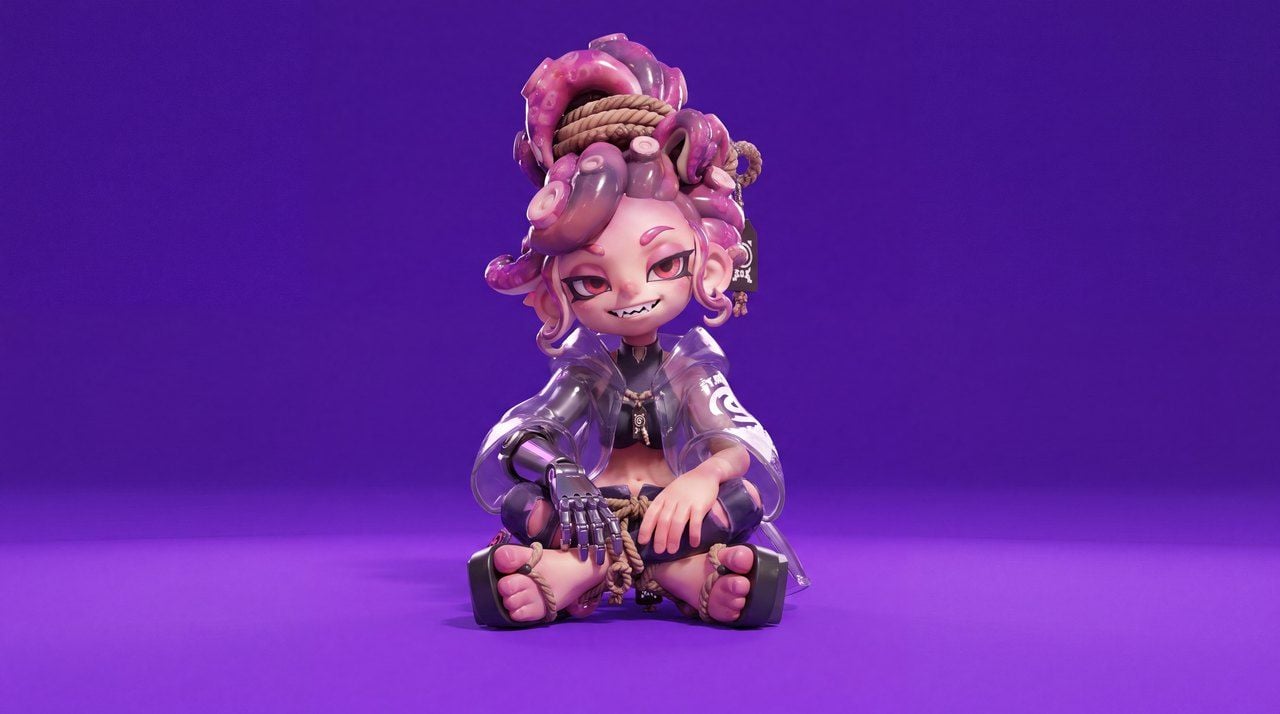 Referentieafbeelding 1, het personage
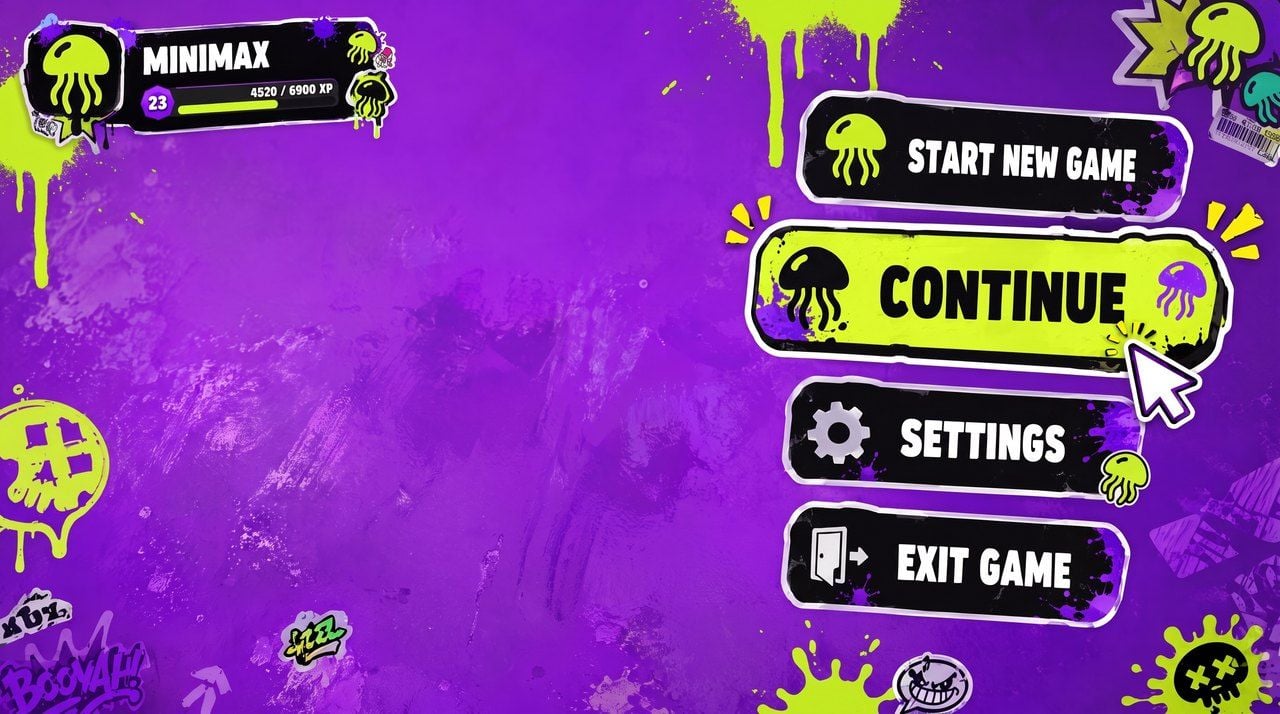 Referentieafbeelding 2, de UI-stijl
Plain1Personage referentie is Afbeelding 1, UI-stijl referentie is Afbeelding 2. 2 3[0s-2s] Hoge hoek overhead shot. Het personage zit op een hoog verzadigde felpaarse vloer, verwijzend naar Afbeelding 1, kijkend omhoog in de camera. Een game menu UI toont rechts: START NEW GAME, CONTINUE (gemarkeerd), SETTINGS, EXIT GAME. Spelerprofiel MINIMAX toont linksboven. De cursor klikt op "CONTINUE". 4 5[2s-4s] Vloeiende zoom naar haar rechterarm. Een UI-paneel schuift van rechts naar binnen en het "RIGHT ARM EQUIPMENT" paneel verschijnt. De selectie markeert "PHANTOM GRIP", schuift dan naar "CHRONOS CLAW". Haar rechterhand reconfigureert mechanisch, vingers splitsen, nieuwe klauwachtige knokkels vergrendelen, cyaan LED's flitsen helderder. 6 7[4s-7s] De camera draait soepel om naar haar linkerzijde. Een nieuwe UI schuift naar binnen, het "ARMAMENT CUSTOMIZATION" grid, met hand, onderarm, elleboog en bovenarm componenten. De selectie doorloopt snel onderdelen. Haar linkerarm demonteert segment voor segment, met zichtbare bedrading en zuigers tijdens de wissel. 8 9[7s-8.5s] De camera trekt terug naar een medium shot. De CONFIRM CONFIG knop knippert. Klik. Alle UI-panelen trekken ineen en verdwijnen. Het personage ontvouwt haar benen en zit nu ontspannen met één knie omhoog. 10 11[8.5s-10s] Een LOADING balk verschijnt onderaan, vult snel van 0% tot 100%. De felpaarse omgeving begint donkerder te worden, schaduwen kruipen van de randen, warm goudgeel licht sijpelt binnen. 12 13[10s-15s] Terwijl ze opstaat, laadt de volledige omgeving om haar heen. Een dichte cyberpunk sloppenwijk lost op: neon flikkert, natte straten reflecteren licht, menigten bewegen, motoren weven, gestapelde gebouwen strekken zich uit naar verre wolkenkrabbers. De camera vestigt zich in derde persoon achter haar. HUD-elementen vervagen in, met een minimap rechtsboven en een health plus ammo teller linksonder. Een quest marker verschijnt. Ze stapt de straat op.
Product landing page UI/UX demo. Eén productfoto als referentie; de prompt vraagt om een scrollende, high-energy landingspagina.
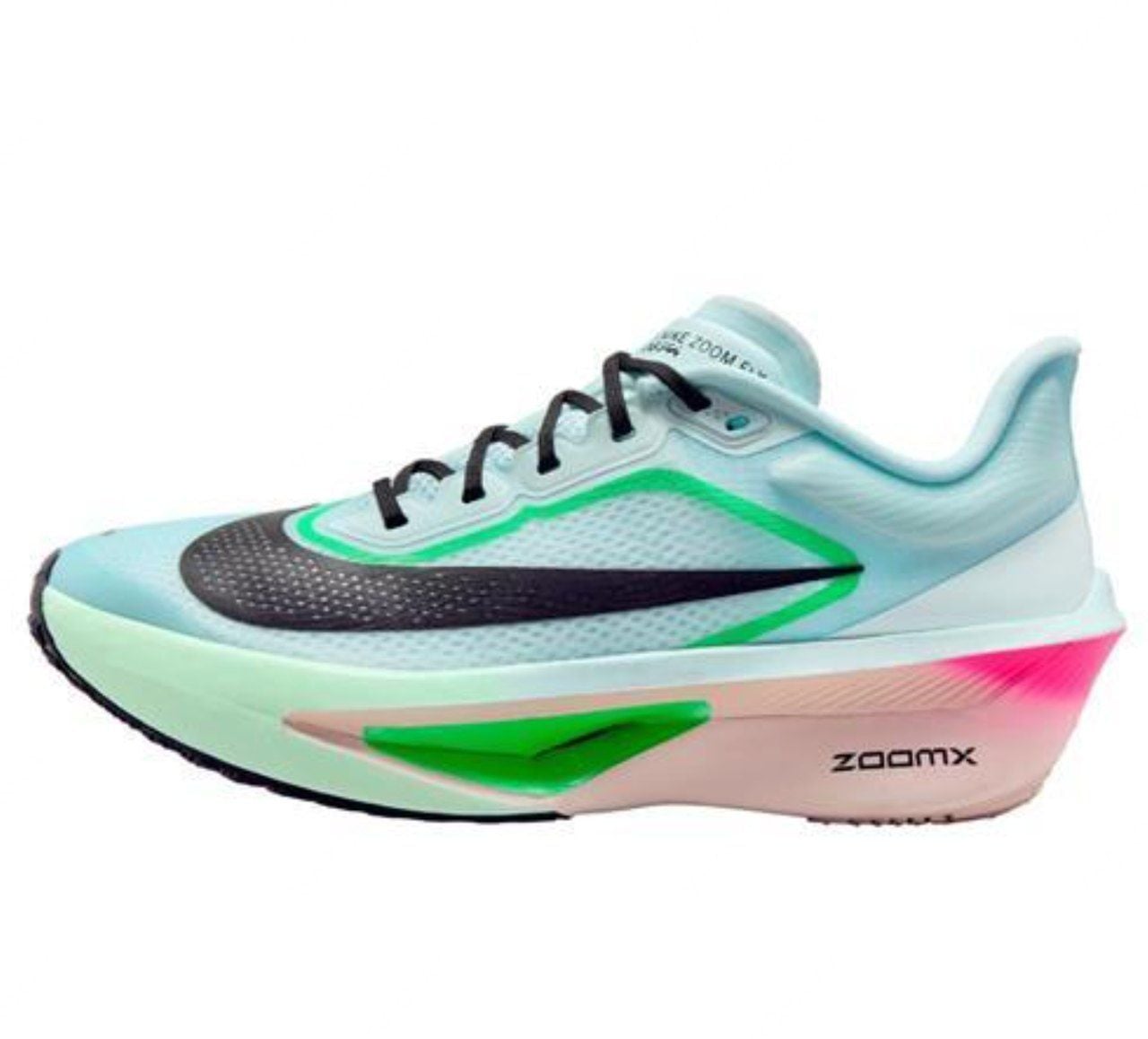 De productfoto referentie
Plain1Een webpagina, website pagina UI ontwerp, website beweging, de video toont een vloeiende neerwaartse pagina scroll. Een explosieve, high-energy Nike-official-site-stijl product landingspagina UI/UX demovideo, waarvan het kerndoel in beeld het product uit Afbeelding 1 is. De pagina gebruikt ruwe, krachtige, schuine oversized sans-serif lettertypen voor een luide lay-out. Op de achtergrond snel bewegend licht en schaduw, donkere koolstofvezel of atletische ademende mesh-textuur die verweeft en verschuift. De video toont een strak getimede neerwaartse pagina scroll, plus UI-interacties zoals sterke visuele schaalvergroting en kleurinversie bij hover.
Web UI motion, minimale prompt. Bewijs dat de gedetailleerde, getimede stijl optioneel is; een korte instructie werkt ook.
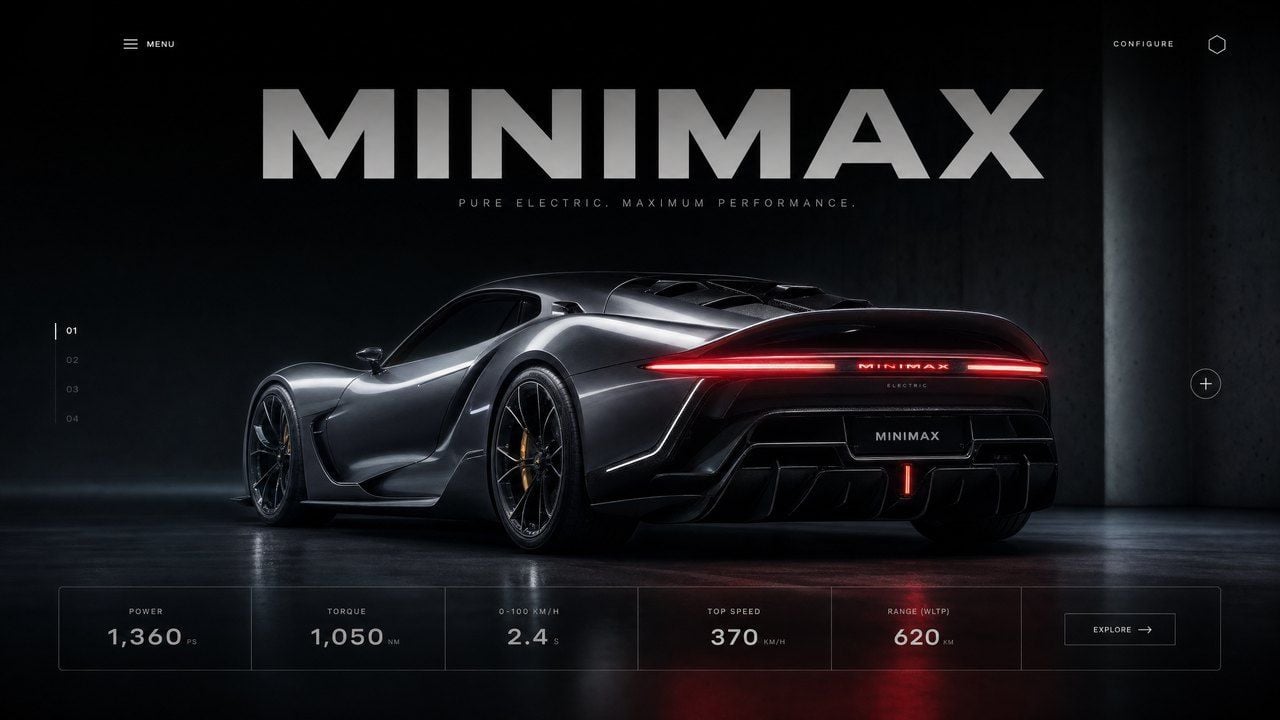 Referentieafbeelding
Plain1Simuleer een website UI-ontwerp: eerst schuift de kop bovenaan naar beneden in beeld, dan veegt de tekstbalk eronder omhoog, en de lichten van de auto veranderen van donker naar rood.
Hoe te beginnen met MiniMax H3
Er zijn twee manieren, en geen van beide duurt lang.
Draai het in de Playground. Log in op Atlas Cloud en open MiniMax H3 direct op de modelpagina. Typ een prompt, kies een resolutie en duur, en genereer, geen code vereist. Het is de snelste manier om te zien of het model bij je shot past voordat je het in iets integreert.
Of roep de API aan in drie stappen.
- Haal je API-sleutel op. Open de Atlas Cloud console en maak een sleutel aan op de API Keys-pagina. Alle drie H3-ingangspunten delen dezelfde sleutel.
- Lees de velden op de modelpagina. Parameterreferentie en copy-paste code staan op elk ingangspunt: tekst-naar-video, beeld-naar-video, en referentie-naar-video. De drie nemen verschillende invoer, dus mix hun request bodies niet.
- Vuur het eerste verzoek af. Eén eindpunt en één aanroepconventie bereiken elk model op het platform, dus overstappen van een ander videomodel naar H3 betekent het wijzigen van het model-veld naar het overeenkomstige H3-ingangspunt. Auth, polling en resultaatophaling blijven hetzelfde.
Naast H3 bereikt dezelfde sleutel video-, beeld-, audio- en taalmodellen die je kunt combineren, één API en één factuur, dus het bouwen van een afgewerkt stuk betekent niet het heen en weer sturen van assets en facturen tussen leveranciers.
Veelgestelde vragen
Wat is MiniMax H3?
MiniMax H3 is MiniMax's multimodale videogeneratiemodel, beschikbaar op Atlas Cloud via drie ingangspunten: tekst-naar-video, beeld-naar-video en referentie-naar-video. Het leest tekst, beeld, video en audio als één context en geeft een afgewerkte 2K-clip met gesynchroniseerd geluid terug in één enkele beurt.
Hoeveel kost MiniMax H3?
MiniMax H3 factureert per seconde video. Geverifieerd op de modelpagina in juli 2026, native 2K (2560 x 1440) is $0,14 per seconde en 768p is $0,10 per seconde. Een 8-seconden 2K-clip kost daarom $1,12. Er is op dat moment geen promotionele korting op H3.
Genereert MiniMax H3 audio, of alleen video?
Beide, samen. De showcase-clips komen uit MiniMax H3 met een gesynchroniseerde stereo audiotrack gegenereerd in dezelfde beurt als het beeld, in plaats van toegevoegd in een aparte stap. Prompts kunnen het geluid sturen, met beschrijving van muziek, geluidseffecten en timing naast de beelden.
Wat is het verschil tussen de drie MiniMax H3-ingangspunten?
Tekst-naar-video werkt alleen van een prompt. Beeld-naar-video animeert een eerste frame, met een optioneel laatste frame. Referentie-naar-video houdt een onderwerp consistent met behulp van maximaal negen gemengde referentiematerialen, afbeeldingen, videoclips en één audiotrack. Alle drie delen één API-sleutel en één aanroepconventie.
Welke resolutie en cliplengte ondersteunt MiniMax H3?
MiniMax H3 rendert native 2K op 2560 x 1440 en 24 frames per seconde, met een goedkopere 768p-laag op de prijslijst. Clips duren van ongeveer 5 tot 15 seconden, en beeldverhoudingen omvatten adaptief, 21:9, 16:9, 4:3, 1:1, 3:4 en 9:16.





