Gemini Omni Flash 1.1 Image to Video: Prompting Tips & Workflows
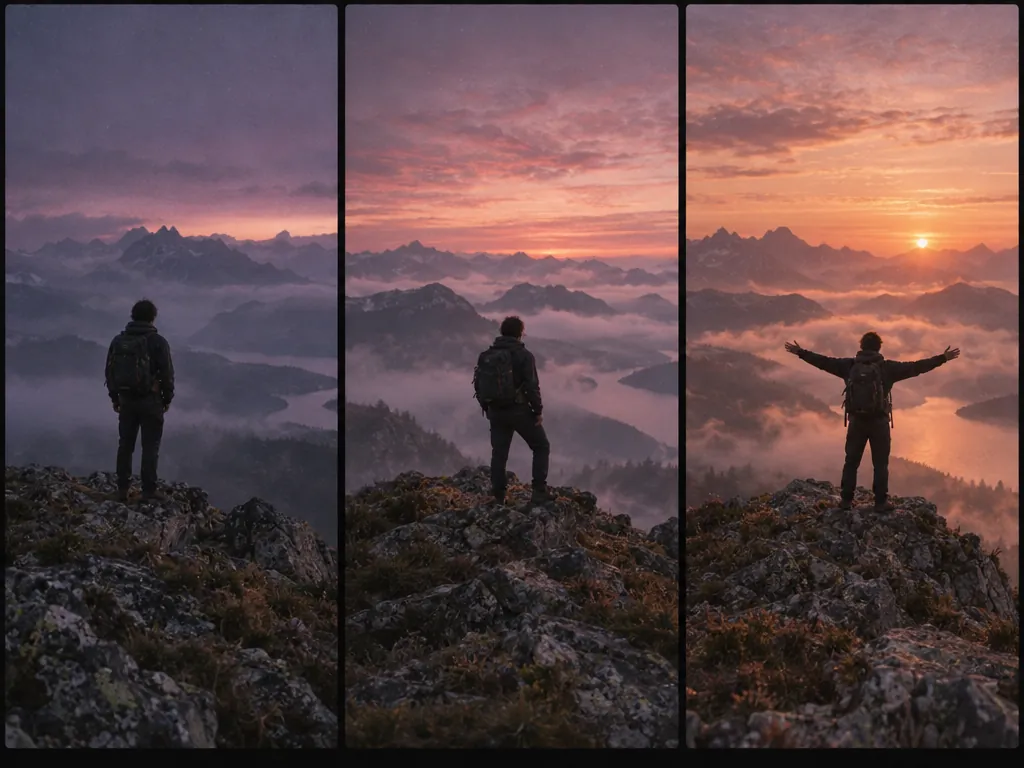
Master Gemini Omni Flash 1.1 image-to-video generation. Learn the 5-part prompt formula, dual-frame control, ComfyUI nodes, and API payload schemas.
Turn prompts, images, and reference motion into polished video. Atlas Cloud brings video generation, motion control, video editing, and video extension together in one creative workflow.
Generate your first scene, direct how it moves, refine the footage, and continue the story — without leaving the page or exporting to another tool.
Create video from a text prompt or a single image. Use text to video when the scene only exists in your head, or image to video when you already have the still. Cinematic shots, product visuals, social clips, and visual stories all start the same way.
Pick the model that fits the look you want, then generate several takes of the same idea in one pass. Compare them side by side and keep the one that works.
Decide how the shot moves instead of hoping the model gets it right. Upload a reference clip and the character follows its performance, with the same gestures and the same timing on every take.
Camera motion control handles the rest of the frame. Set where the shot starts, how it travels, and where it lands. Models like Kling Motion Control read both inputs at once, so the movement matches what you planned.
Change one part of a clip without regenerating all of it. Describe the fix and the AI video editor applies it to that region, so the shot you already approved stays intact.
Replace a background, swap a subject, or clean up a detail that came out wrong. The rest of the footage keeps the look, the lighting, and the timing it already had.
Make a video longer without cutting to something new. The AI video extender continues the shot you already have and carries the lighting, style, and camera movement forward.
Chain several extensions to build a longer sequence from one generation. Each pass picks up where the last frame left off, so the scene holds together end to end.
Compare supported AI video models and pick the right balance of quality, speed, motion, and cost for your shot. Every one of them is also available through the same API.
Start with a text prompt, an image, or reference material that defines the scene you want to create.
Select a suitable model and turn your idea into a moving scene.
Control movement, edit the footage, and extend the scene until the result is ready to use.
Build visual content faster across creative production, marketing, social media, and storytelling.
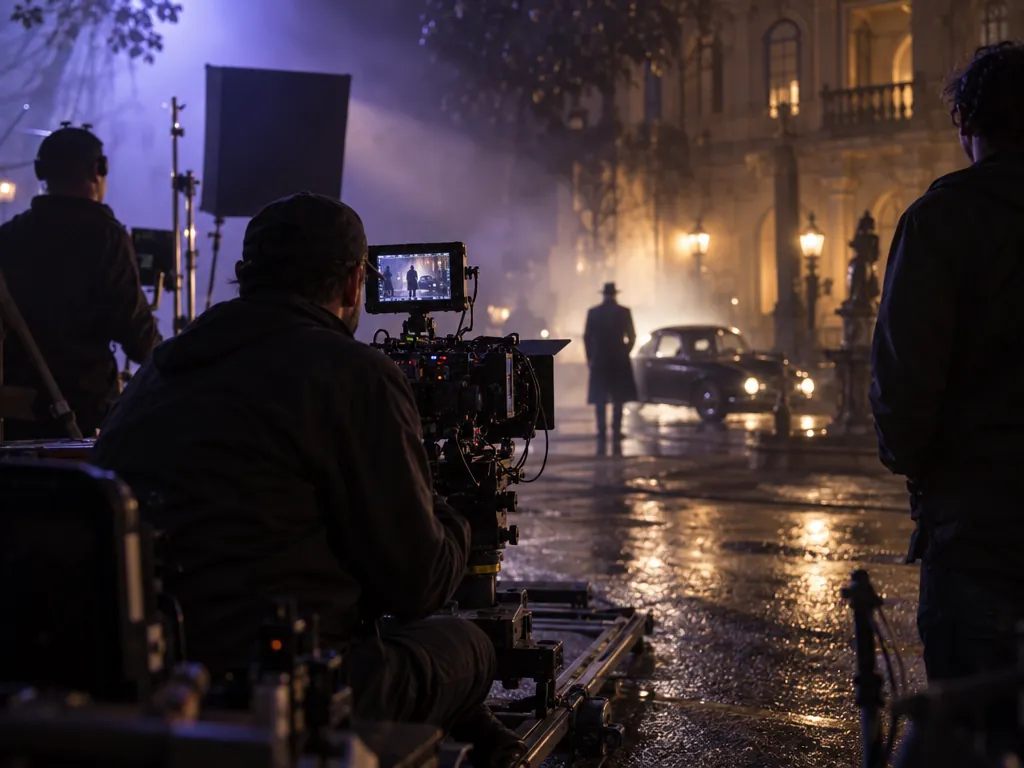
Prototype scenes, explore visual directions, animate concepts, and build cinematic sequences without rebuilding every shot from scratch. Test a look before committing a crew or a budget to it, generate the shot you cannot film, and keep iterating on the same scene until the edit holds together.
Turn product ideas, campaign concepts, and visual assets into engaging video built for different channels. Produce a set of variations for the same campaign in an afternoon, resize and re-cut them for each placement, and keep every version on brand without going back to production.
Generate short form visuals, remix ideas, and extend clips into content built for modern social formats. Turn a single still into a scroll stopping opener, refresh a post that performed well instead of starting over, and keep a steady publishing rhythm across every channel you run.
Create training, presentations, explainers, product demonstrations, and internal visual content with one flexible workflow. Replace stock footage that never quite fits, update a clip when the product changes, and keep the whole team working from the same set of assets.
Continue exploring Atlas Cloud tools for images, audio, video, and AI powered creation.
Create images from text and references with leading image models.
Enhance resolution and recover more detail from your visuals.
Explore AI generation for voice, music, and sound workflows.
Integrate video generation into your own products and applications.
Answers to common questions about AI video generation, models, editing, and video extension.
It uses artificial intelligence to create video from text prompts, images, or other references. Atlas Cloud brings multiple AI video generation models and creation workflows together in one platform.
Upload a still and run it through an image to video AI model. Atlas Cloud supports both prompt based and image based workflows, so a single frame can become an animated scene.
These workflows guide character actions, poses, camera movement, and scene dynamics, usually by following a reference video. Support depends on the model, for example Kling Motion Control.
Yes. The built in AI video editor makes targeted changes to a generated clip, so you can fix or replace part of a scene without regenerating the whole shot.
Yes. The AI video extender continues an existing clip and creates footage that follows the visual direction of the source scene.
The best model depends on your goals: quality, speed, motion behavior, style, and cost. Atlas Cloud lets you compare and access multiple supported models from the same workflow.
Yes. Atlas Cloud provides API access for supported models, so developers can integrate video generation into their own applications and workflows.
Learn more about AI video models, workflows, and the latest developments.
Master Gemini Omni Flash 1.1 image-to-video generation. Learn the 5-part prompt formula, dual-frame control, ComfyUI nodes, and API payload schemas.
Type a prompt, get a 1 to 15 second clip with audio. See what the free tier really covers, every interface setting, and per-second API costs from $0.025.
PixVerse AI image to video turns one photo into a 1 to 15 second clip. See the free tier, content policy, and how per-second API pricing starts at $0.025.