
 Atlas Cloud 现已成为 Dreamina Seedance 2.5 与 Seedream 5.0 Pro 的美国授权经销商。Atlas Cloud 现已成为 Dreamina Seedance 2.5 与 Seedream 5.0 Pro 的美国授权经销商。


Tripo API 将 Tripo3D 最新的 H3.1 引擎引入你的技术栈,可将文本提示词和单张图像转换为精细的 3D 模型。生成最高可达 2 million polygons 的高密度网格,支持可配置的 PBR 材质、用于绑定的四边面拓扑,并可导出为 GLB 或 FBX。Atlas Cloud 通过一个 API key 提供服务,按次调用透明计费,每次生成 $0.10,并可在 Day-0 获取新版本。立即开始构建。
Tripo 由 VAST AI 开发。Atlas Cloud(由 Atlas Cloud AI LLC 运营)仅提供接入服务,并不拥有该模型。所有商标均归其各自所有者所有。
Atlas Cloud 为您提供最新的行业领先创意模型。
按模态逐一查看各个 Tripo API 路由如何将输入转换为可直接使用的 3D 资产,并并排呈现生产环境真正关心的能力。
| 模态 | 说明 |
|---|---|
| Tripo API Text-to-3D (tripo-h3.1/text-to-3d) | Text-to-3D 端点可将最多 1,024 个字符的文字提示转换为带纹理、可直接用于生产的网格模型,并生成 PBR 材质,几何与纹理质量都可单独选择到细致级别。面数范围为 1,000 到 2,000,000;开启四边形拓扑后会导出 FBX 文件,而非默认的 GLB。每次生成统一收费 $0.10,非常适合希望直接根据描述构建资产的概念设计师和游戏开发者。 |
| Tripo API Image-to-3D (tripo-h3.1/image-to-3d) | 通过 URL 提供一张参考图像后,此端点会将其重建为完整贴图的 3D 模型,尽可能保留主体的形状与外观。你可以选择纹理是对齐原始图像还是对齐几何体,然后再叠加 PBR 材质、朝向控制,或自动缩放到真实世界的 meters,以获得更精细的输出。每次生成价格为 $0.10,适合需要基于现有素材重建产品照片、角色或道具的工作室。 |
只需一行文本或一张参考图,Tripo API 就能生成带纹理、PBR-ready 的网格,并支持可调的几何与纹理质量、四边面拓扑、真实世界缩放以及种子级可复现性。
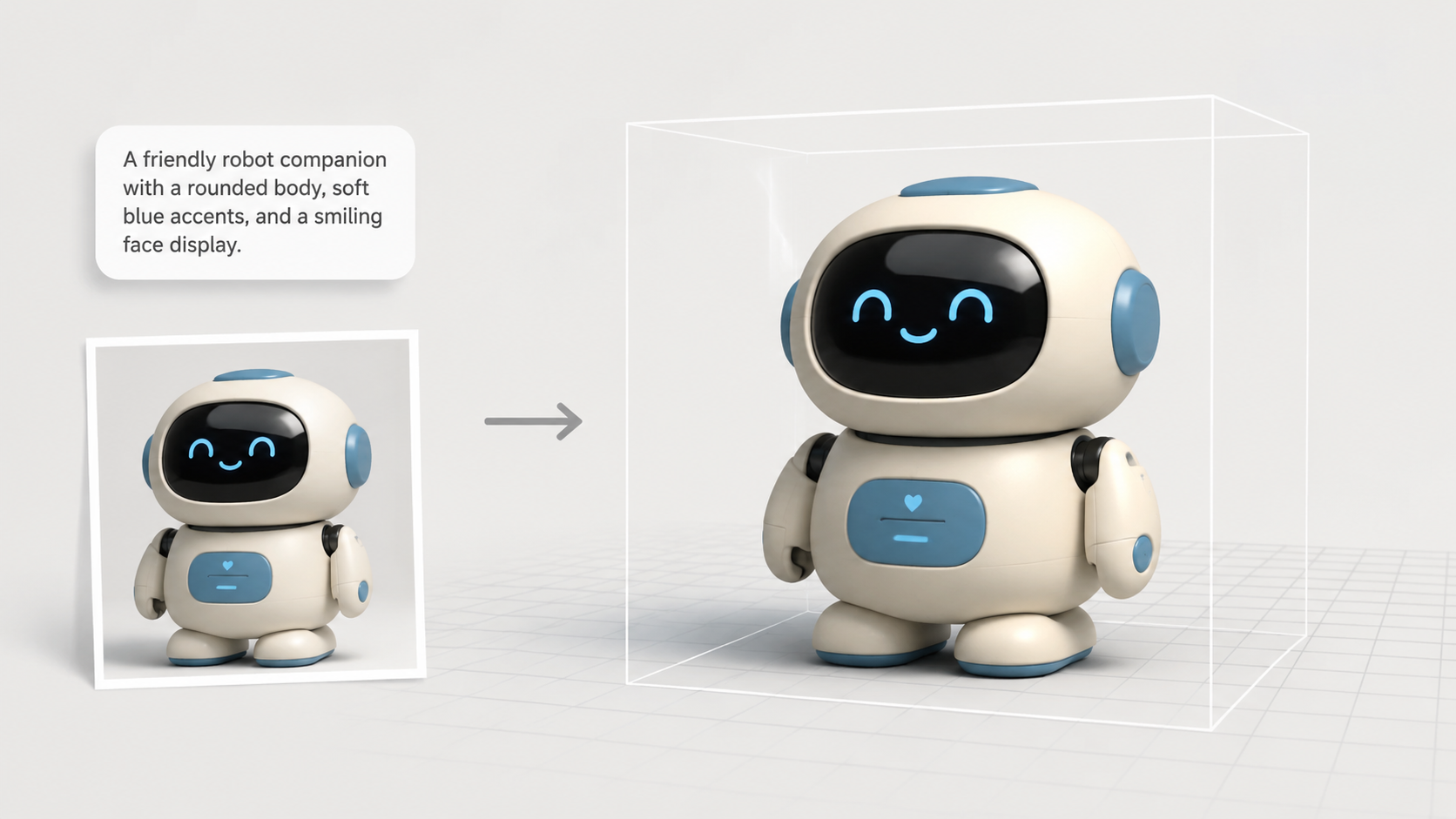
两个入口接入同一个 H3.1 引擎:你可以用最多 1,024 个字符的提示词描述一个物体,也可以提供一张参考图。Text-to-3D 还支持负向提示词,用于引导模型避开不需要的形状或风格。两种路径的起价都是每次生成 $0.10,因此团队既可以从粗略想法快速原型验证,也可以在不切换工具的情况下将几何锁定到现有资产。
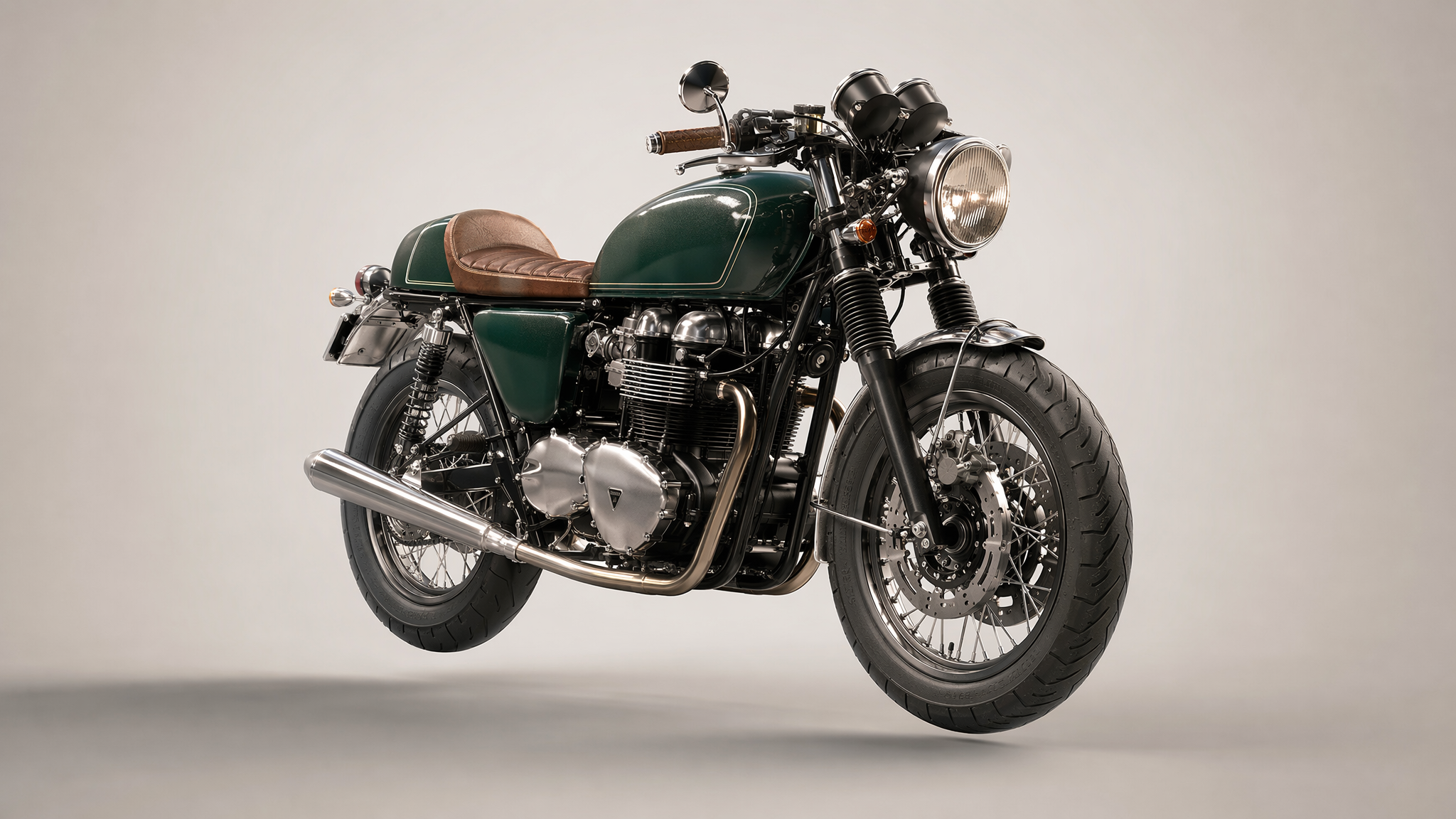
每个模型默认都会生成 PBR 材质,使表面在实时引擎中能够正确响应光照。纹理生成可以开启或关闭;当你需要更高分辨率贴图时,纹理质量可从 standard 提升到 detailed。对于占据屏幕主体的 hero assets,选择 detailed;对于渲染预算比毛孔级细节更重要的背景道具,选择 standard。
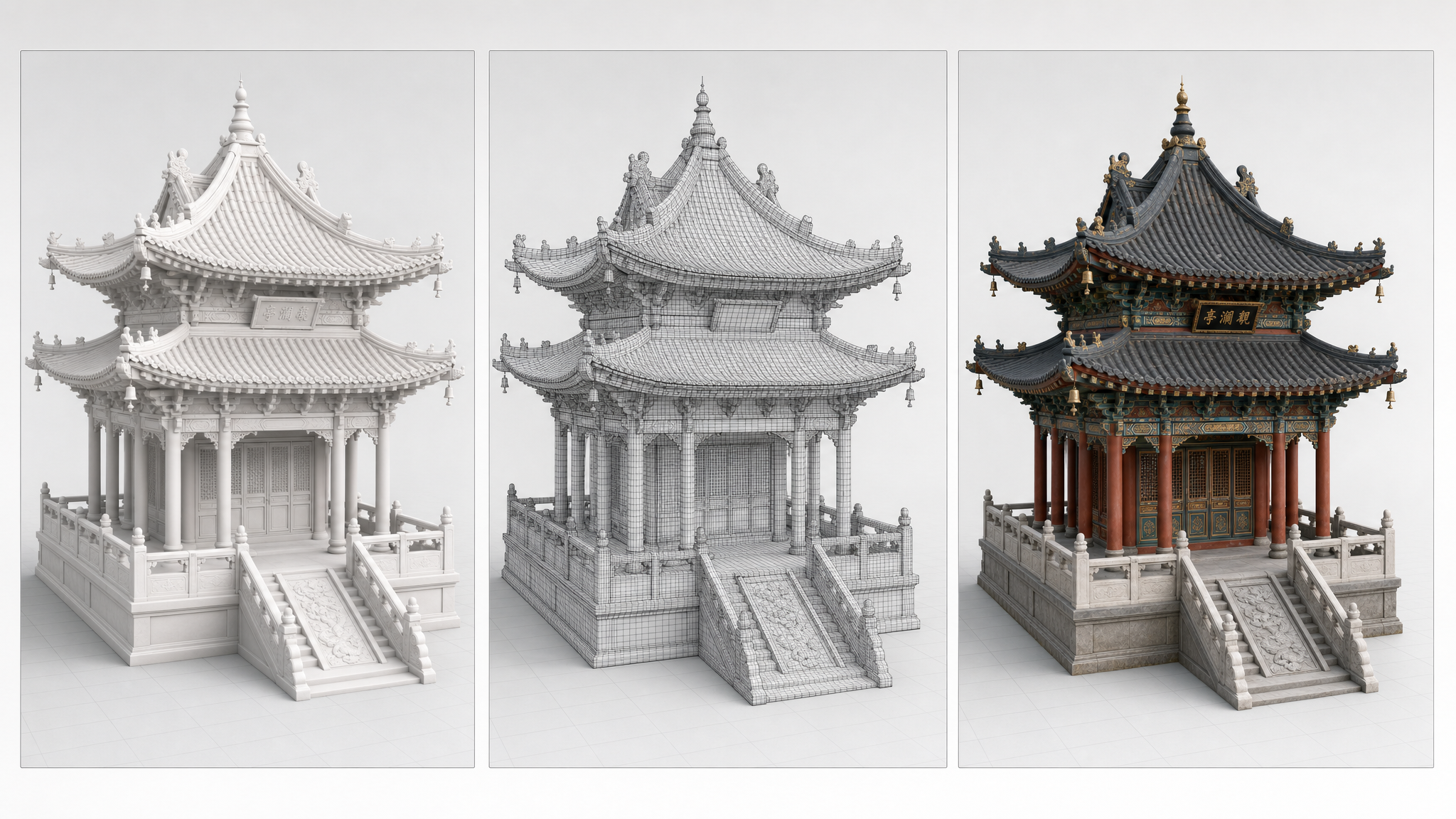
网格应该有多密?你可以将目标面数设置在 1,000 到 2,000,000 faces 之间,也可以留空,让 H3.1 自适应决定。几何质量可在 standard 和 detailed 之间切换;启用 quad mode 后,会用四边面拓扑替代三角面,并导出为 FBX。干净的四边面对雕刻和动画很重要,而受限的面数可以让 game-ready assets 保持在严格的多边形预算内。
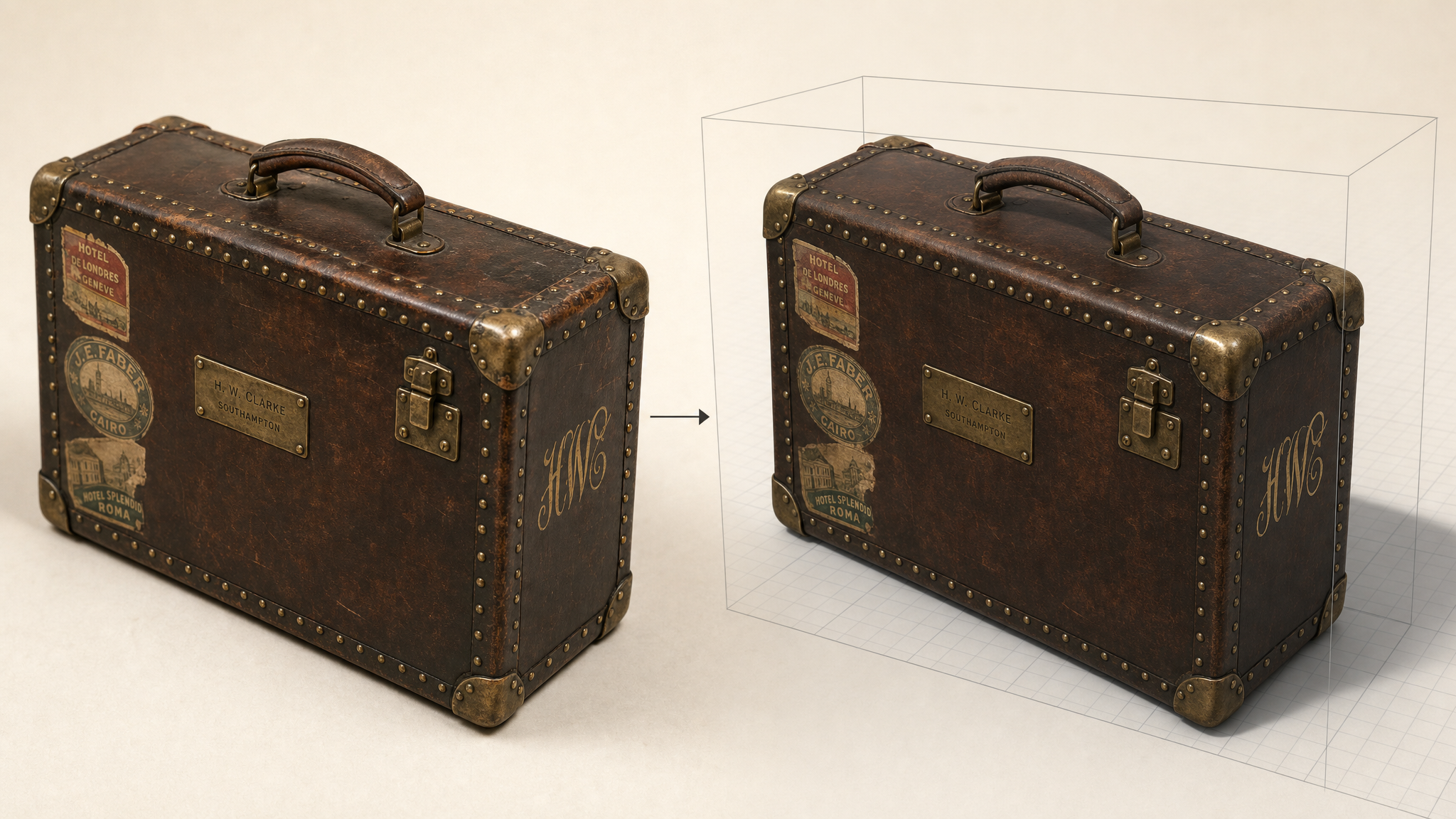
转换照片时,Tripo API 允许你将纹理对齐到原始图像或生成的几何体,朝向也可以自动匹配输入,而不是使用默认姿态。这些控制能让 logo、标签和正面细节准确保留在源图中对应的位置。最终得到的网格会被识别为客户已经熟悉的同一个物体,而不是一个宽泛的近似版本。
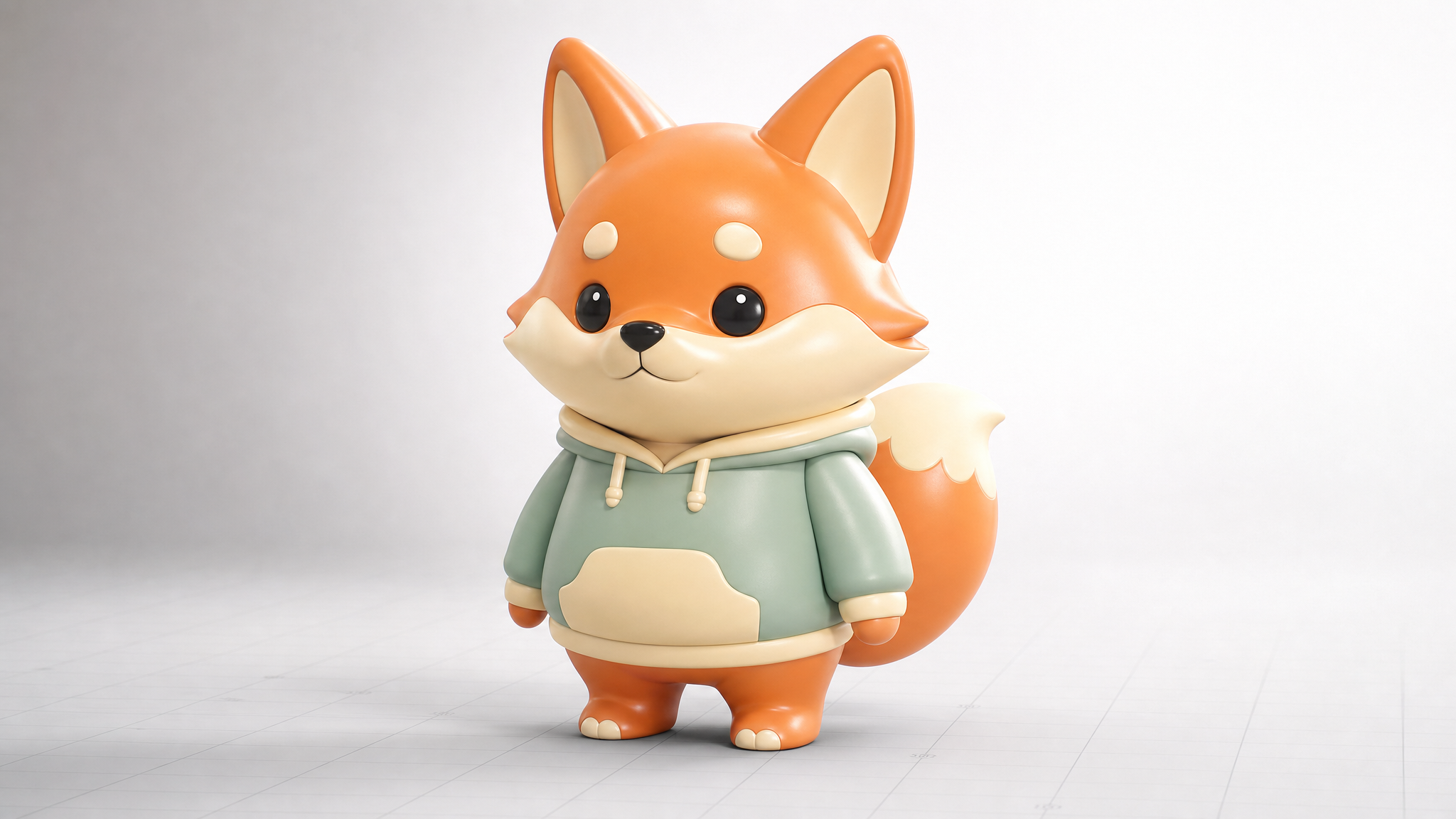
可复现性通过几何、text-to-image 步骤和纹理生成的独立种子内置实现,因此保存的种子可以按需重新生成相同结果。Auto-size 可以将网格缩放到以米为单位的真实世界尺寸,而不是任意单位。结合起来,这些能力让 Tripo API 适用于资产必须重新生成、版本化或按真实比例放入场景的生产管线。
将同一张参考图分别输入 Tripo API、Seed3D 2.0 和 Hunyuan 3D Rapid,对比各引擎将同一物体重建为带纹理 3D 网格的还原度。
一个威尼斯手工吹制玻璃章鱼摆件,放置在小巧的透明玻璃底座上;圆鼓鼓的外套膜呈现琥珀金与深海蓝 Murano glass 交织的渐变,半透明的身体内部密布被困气泡,并散布着悬浮的金箔碎片。八条触手从底座向外盘旋伸展,卷曲并逐渐变细,末端如羽毛般纤薄、近乎透明地弯卷;每条内侧触臂都排列着凸起的圆形吸盘,折射出细小的彩虹光晕。玻璃厚度不均,使厚处色调深邃,边缘几乎透光。来自后方的柔和轮廓逆光加上轻微的底部补光,让精致的触手尖端发亮并显现漂浮气泡;正面主光勾勒出流动的表面纹理和湿润的高光光泽。真实的体积感与折射效果,略高于物体的 3/4 视角。单个物体,居中,完整视图,干净柔和的中性影棚背景,照片级真实产品摄影
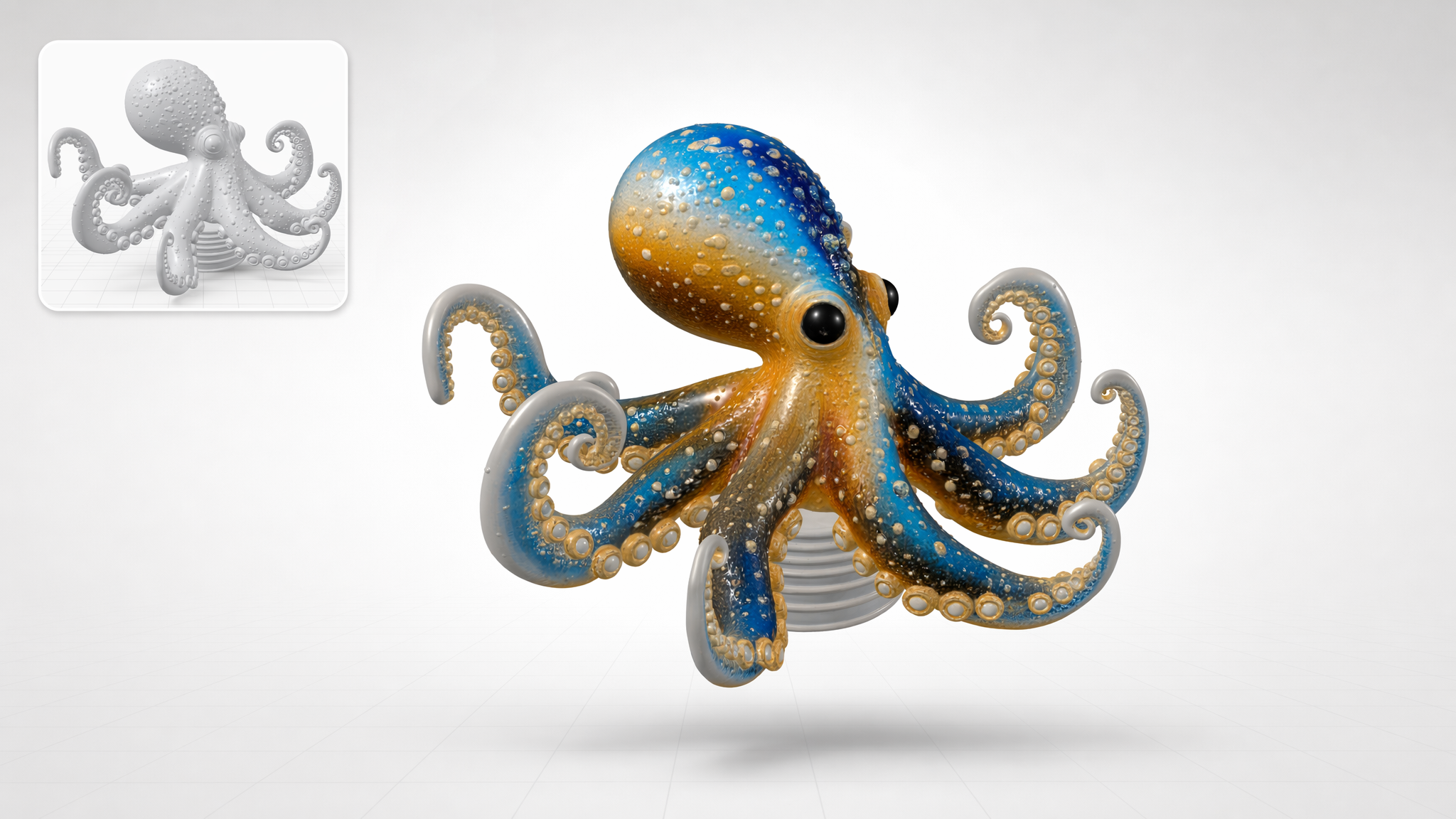
Generated with Tripo H3.1 Image-to-3D on Atlas Cloud
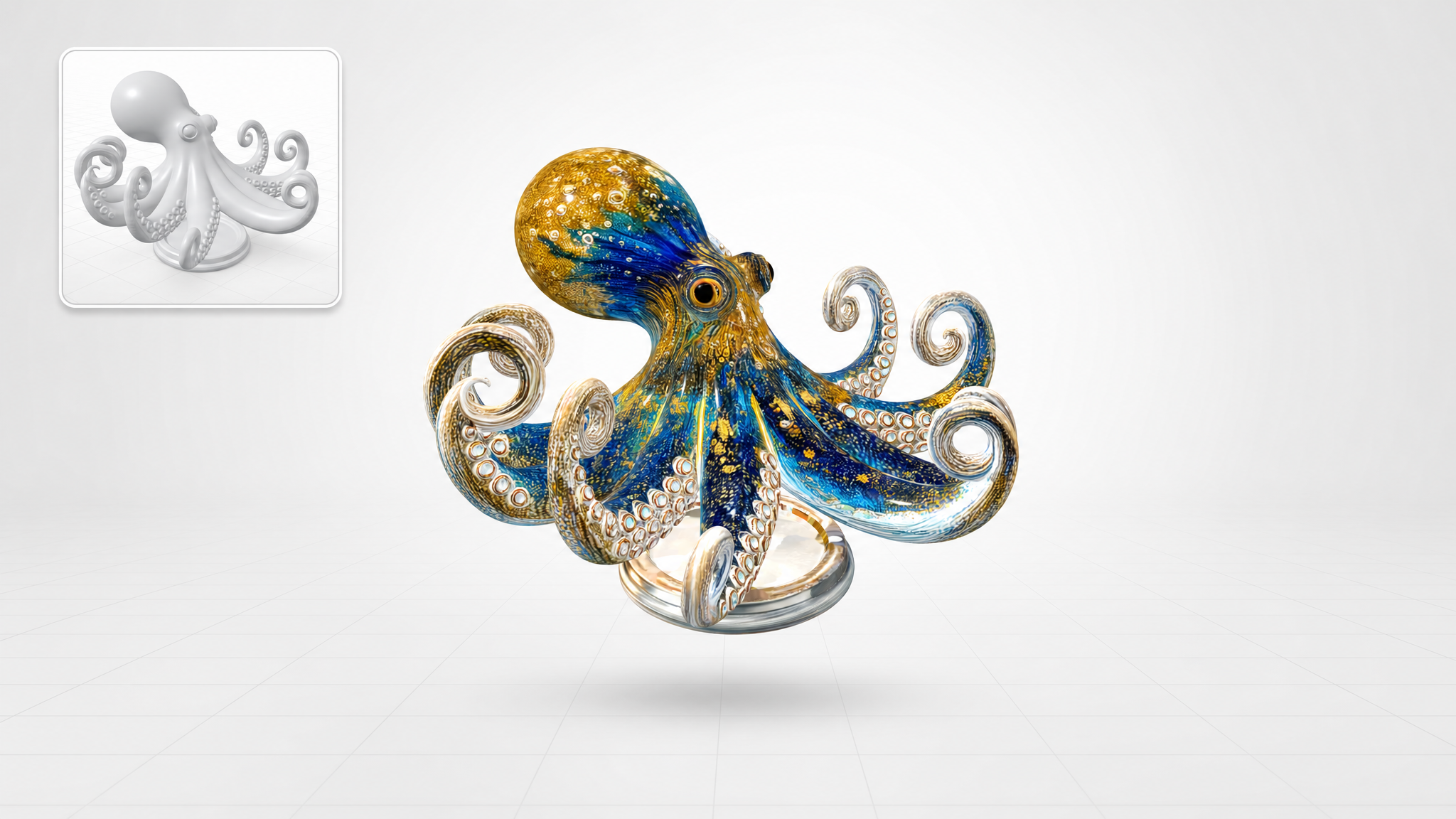
Generated with Seed3D 2.0 Image-to-3D on Atlas Cloud
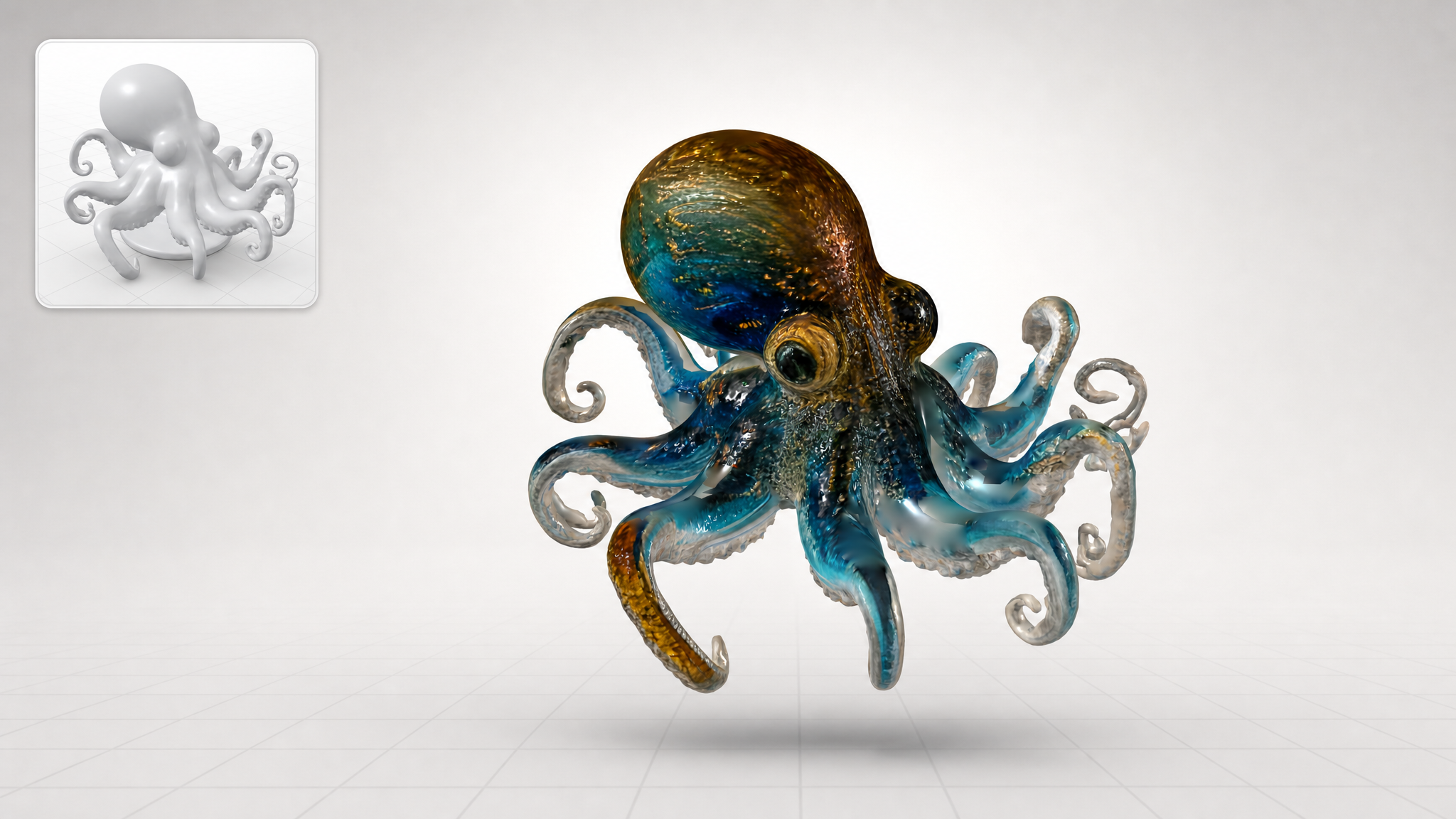
Generated with Hunyuan 3D Rapid Image-to-3D on Atlas Cloud
一个质朴的手拉坯陶瓷碗,盛满层次丰富的多肉植物组合;柴烧炻器呈现斑驳的灰釉窑变火痕和哑光颗粒质感,土壤表面覆盖浅色火山砾石与细密绿苔;碗中簇拥着七八个品种——覆有白色粉霜的粉蓝色 echeveria 莲座、叶尖透出光感的半透明果冻状 Haworthia cooperi 窗、垂落出碗沿的珍珠吊兰、珊瑚红边的 sedum,以及带紫色调的尖刺形品种——它们厚实多汁的叶片在密集而柔和的半透明曲线中相互交叠。柔和的定向影棚光掠过蜡质高光、丝绒般的霜感和叶片内部发光的次表面质感,略高的三分之四视角,单个物体,居中,完整视图,干净柔和的中性影棚背景,照片级真实产品摄影
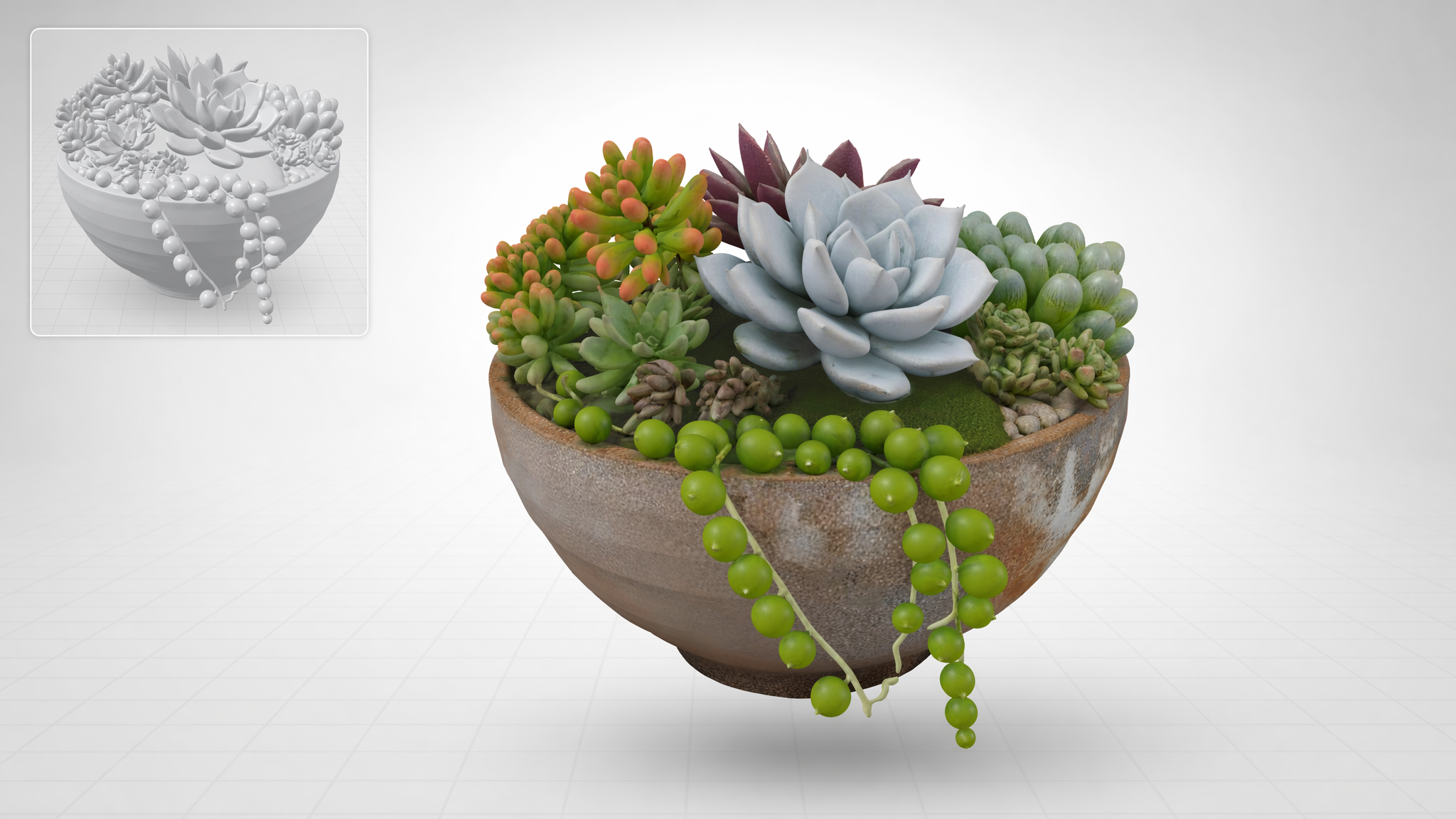
Generated with Tripo H3.1 Image-to-3D on Atlas Cloud
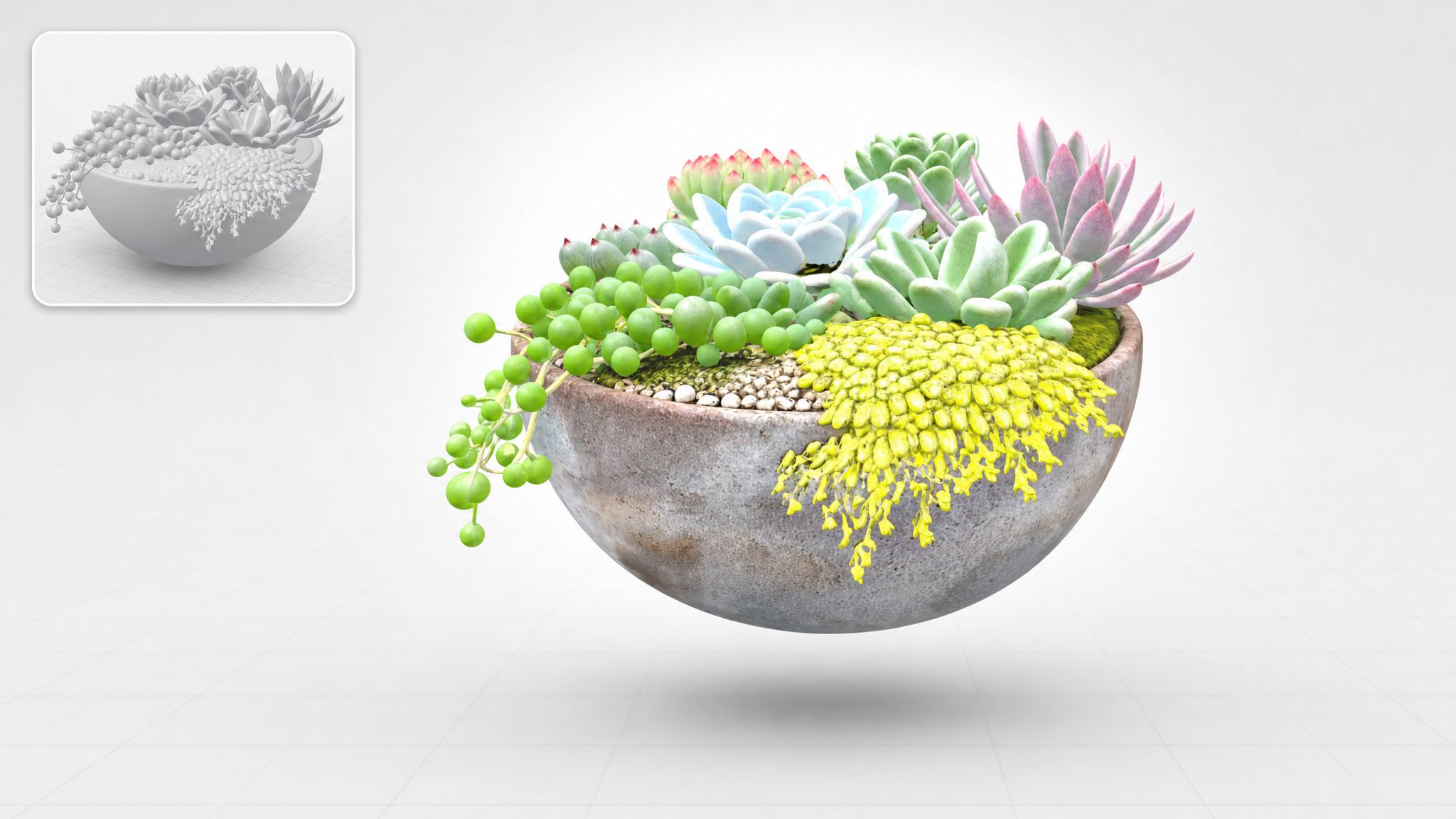
Generated with Seed3D 2.0 Image-to-3D on Atlas Cloud
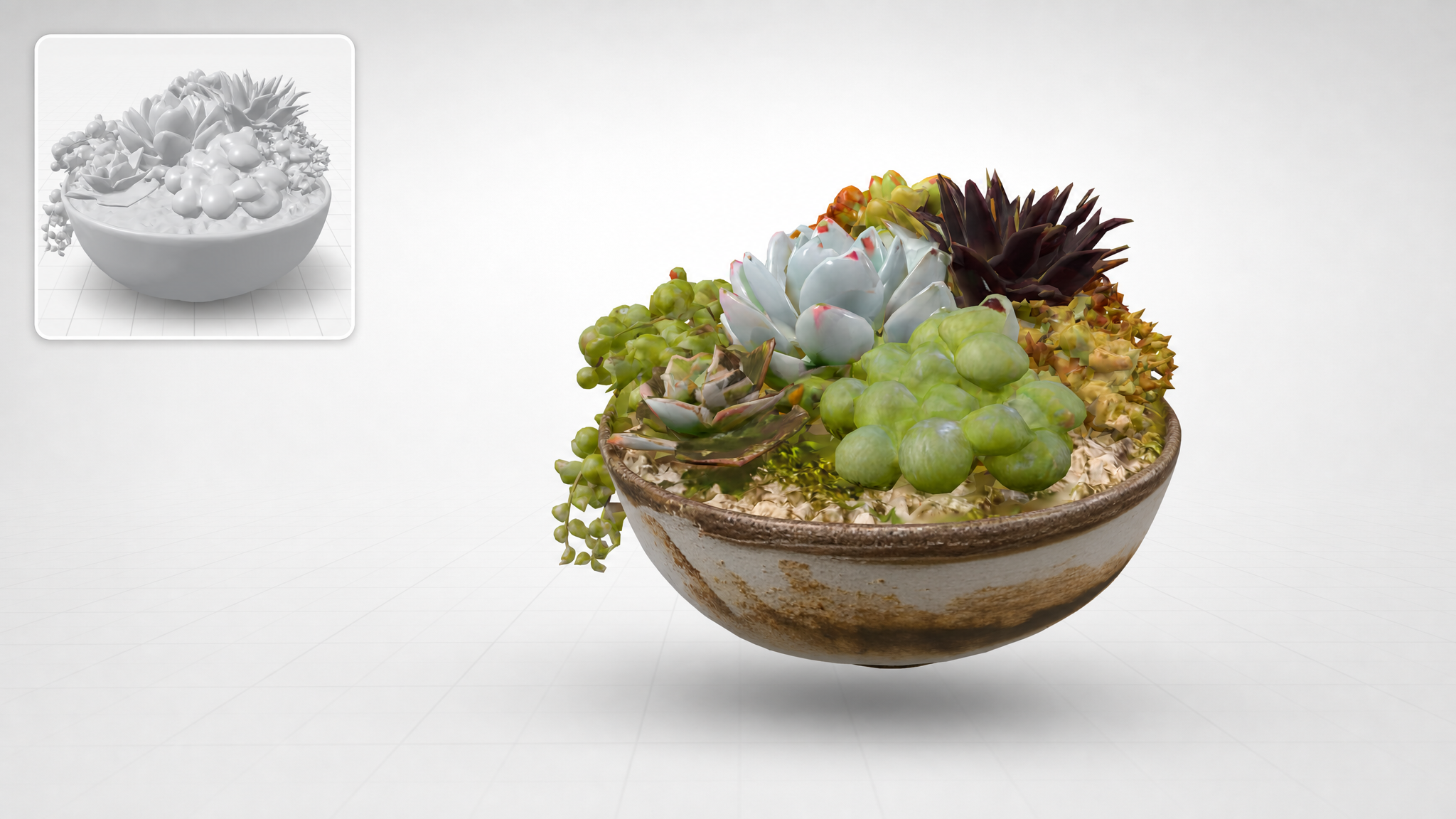
Generated with Hunyuan 3D Rapid Image-to-3D on Atlas Cloud
从游戏道具、可用于动画的绑定模型、AR 场景、电商查看器到可直接打印的零件,Tripo API 覆盖了从文本提示或单张参考图到完整 3D 工作流的全过程。

将目标面数设定在 1,000 到 2,000,000 之间,生成适用于实时引擎的带纹理网格。工作室用它快速为关卡填充道具、武器和背景物体。

通过 Tripo API,一张产品照片即可生成带 PBR 纹理的 3D 模型。在线商店可将这些资产用于 360 查看器和 AR 试用体验,从而提升买家信心并减少退货。

启用四边面输出后,每个模型都会以 FBX 导出,并具备干净的四边面拓扑,适合绑定。动画师可将这些网格直接导入 Blender 或 Maya,无需手动重新拓扑。

PBR 材质以及按真实世界米制单位自动缩放,让生成的物体能够干净地落入 AR 和 VR 场景中。开发者无需任何手动调整尺寸步骤,即可放置逼真的家具、装备和角色。

一个想法能多快变成 3D 物体?Tripo API 可根据单条文本提示渲染出完整的带纹理模型,让设计师在开始任何手工雕刻之前测试轮廓和形态。

精细的几何质量结合可调面数限制,可为打印工作流生成干净且多边形数量可控的网格。创作者可以把照片或提示词变成人偶、复刻道具和定制零件。
了解 Tripo API 在输入支持、几何细节、导出格式和单模型定价方面与 Tencent Hunyuan 3D 和 ByteDance Seed3D 的差异,所有模型都可通过一个 Atlas Cloud key 访问。
| 模型 | 提供方 | 输入类型 | 最大几何规模 | 输出格式 | 价格 |
|---|---|---|---|---|---|
| Tripo H3.1 Text-to-3D | Tripo | 文本 | 最高 2M 面 | GLB, FBX | $0.10 / 模型 |
| Tripo H3.1 Image-to-3D | Tripo | 图像 | 最高 2M 面 | GLB, FBX | $0.10 / 模型 |
| Hunyuan 3D Pro | 腾讯 | 文本、图像 | 最高 1.5M 面 | GLB, USDZ | $0.02 / 模型 |
| Hunyuan 3D Rapid | 腾讯 | 文本、图像 | - | GLB, USDZ | $0.02 / 模型 |
| Seed3D 2.0 Image-to-3D | 字节跳动 | 图像 | - | GLB, OBJ, FBX, STL, USDZ | $0.353 / 模型 |
几分钟即可上手 — 按照以下简单步骤,通过 Atlas Cloud 平台集成和部署模型。
在 atlascloud.ai 注册并完成验证。新用户可获得免费额度,用于探索平台和测试模型。
将先进的 Tripo 模型与 Atlas Cloud 的 GPU 加速平台相结合,提供无与伦比的性能、可扩展性和开发体验。
低延迟:
GPU 优化推理,实现实时响应。
统一 API:
一次集成,畅用 Tripo、GPT、Gemini 和 DeepSeek。
透明定价:
按 Token 计费,支持 Serverless 模式。
开发者体验:
SDK、数据分析、微调工具和模板一应俱全。
可靠性:
99.99% 可用性、RBAC 权限控制、合规日志。
安全与合规:
SOC 2 Type II 认证、HIPAA 合规、美国数据主权。
The Tripo API is Tripo AI's interface for turning text prompts and single images into production-ready 3D models. On Atlas Cloud it powers the Tripo H3.1 Text-to-3D and Image-to-3D endpoints, each returning a textured mesh with PBR materials. You reach both through one Atlas Cloud API key with pay-as-you-go pricing.
From a single sentence or one reference image, Tripo generates game characters, mechanical parts, props, and product visuals as complete 3D meshes. Because the output ships with PBR textures, assets move straight into game engines, AR scenes, and 3D commerce pipelines without a manual rebuild.
Sign in to Atlas Cloud, create your API key, and send a prompt or image to the Tripo H3.1 endpoint through the same interface you use for other models. Generation runs asynchronously, and the response returns a downloadable GLB file once the model is ready. Start building today.
Both endpoints accept text descriptions or a single image, with the Text-to-3D model taking prompts up to 1024 characters. Results return as GLB, the glTF 2.0 based binary format that opens directly in Blender, Unity, Unreal Engine, and Three.js.
Tripo H3.1 Text-to-3D and Image-to-3D each cost $0.10 per generation on Atlas Cloud, and you are billed only for the calls you make. There are no subscriptions or seat fees, so spend scales directly with how much you generate.
Several parameters let you tune the result: PBR materials, texture quality set to standard or detailed, and geometry quality for finer surfaces. Quad mesh topology is available too when animation or sculpting workflows need clean edge loops rather than a triangle mesh.
Latency depends on the settings you choose, since detailed textures and higher geometry quality take longer than standard runs. Improved generation speed was one of the core upgrades in H3.1, and because requests process asynchronously your app can submit a job and poll for the finished model.
Rather than generating geometry token by token, H3.1 builds shapes natively in 3D probabilistic space, which keeps structure coherent and edges sharp. Against earlier releases it improves input alignment, geometry precision, and texture consistency, reducing the manual cleanup needed before assets reach production.
Seedance 2.5 API 现已在 Atlas Cloud 上线!它为开发者提供了 ByteDance 最新的视频模型。该模型可通过文本、单张图像或多达 50 个多模态参考,一次性生成长达 30 秒的原生视频,并包含同步音频和画面内的多语言文本。在 Atlas Cloud 上,您可以通过单个密钥访问它,其主体一致性和改进的物理特性能够保持长镜头的连贯性。

Wan 3.0 API 是阿里巴巴 Wan 视频系列的下一代产品,旨在将长视频生成、多参考控制和音视频质量推向新的高度。Atlas Cloud 已经托管了 Wan 2.7、2.6 和 2.5,而 Wan 3.0 使用相同的统一密钥运行,无需额外设置。立即开始构建吧。向下滚动至展示区,查看 Wan 3.0 的创作能力。
MiniMax H3 是 MiniMax 的多模态视频系列,支持文本、图像和参考内容引导创作。在支持的路由中,它能够保留参考媒体中的主体,提供灵活的宽高比,并通过 H3 Developer 将生成的声音与画面结合;输出配置则由 endpoint 选择。Atlas Cloud 通过一个 OpenAI 兼容密钥统一接入整个系列,并提供透明的按量付费定价,标准费率为每秒 $0.038。立即开始构建。
OpenAI 的 gpt-image-2.5 系列为开发者提供 Flare 和 Sunburst 两种选择,满足生产级图像工作流需求。支持最高 3840x2160 的任意分辨率渲染,并提供包括 xhigh 和 max 在内的五档质量等级,以匹配特定的输出要求。Atlas Cloud 提供开箱即用的 REST 推理服务,无冷启动,每次生成起价 $0.004,采用标准定价。立即开始构建。
Seedream 5.0 Pro API 为开发者在 Atlas Cloud 上提供了字节跳动的可控图像编辑模型。它通过锚点和坐标精确定位编辑,将图像分离为可编辑图层,融合多个参考,并精准匹配颜色和材质,支持 2K 和 3K 分辨率的多语言文本。在 Atlas Cloud 上,您只需一个密钥即可访问!
Seedance 2.0 是 ByteDance 面向生产环境的视频模型,专用于精准镜头创作。将提示词转换为视频,使用首帧图像生成动画并可选用尾帧引导,或结合参考媒体和可选的联网搜索来塑造结果。Atlas Cloud 将这些工作流整合到统一的 API 中,提供透明的按量付费定价和一个兼容 OpenAI 的密钥。立即开始构建。
Kling 3.0 API 通过一个 OpenAI 兼容的密钥,将 Kuaishou 的旗舰视频套件引入 Atlas Cloud。它包含两个模型:Kling 3.0 用于 AI Director 叙事、多语言唇形同步和精准的屏幕文本;Kling 3.0 Omni (O3) 用于通过短视频或图像进行主体和声音克隆。两者都能在同一次处理中生成原生音频,最高支持 4K 输出。在可靠的基础设施上构建电影级叙事、全球营销、多语言广告和系列化角色内容。
Grok Imagine Video 为开发者提供访问 xAI 视频模型家族的能力,用于创建、制作动画、延展和编辑视频片段。通过提示词生成 1 至 15 秒的视频,使用最多 7 张参考图像引导人物、物体或风格,并支持 480p 或 720p。Atlas Cloud 通过兼容 OpenAI 的端点整合这些能力,并提供透明的按需付费定价。立即开始构建。
Vidu Q4 是 Vidu 最新的旗舰视频模型,专为图像转视频和参考图转视频生成而设计。它可以让单张静态图像动起来,并自动创建场景转场,为不同的产品工作流提供两种输入路径。Atlas Cloud 提供专用 API 端点,并以经验证的标准价格 $0.04/second 发布参数 schema。立即开始构建。
Gemini Omni 1.1 Flash 是 Google DeepMind 推出的原生多模态视频系列,适用于灵活的生产工作流。通过文本指令编辑现有素材,借助最多 10 张参考图像和 3 段视频片段保持视觉一致性,或以可串联的片段延长镜头,最长可达 40 秒。在 Atlas Cloud 上使用一个 OpenAI-compatible API key 即可访问所有工作流,按量付费,并支持 Day-0 上线。立即开始构建。
Nano Banana 2.1 是 Google 基于 Gemini 3.6 Flash 打造的图像模型系列。它以 Flash 级速度提供 Pro 级生成与编辑能力,支持通过自然语言对 1 到 14 张输入图像进行编辑和融合,并可保持最多 4 个角色和 10 个对象的一致性。通过 Atlas Cloud,开发者只需使用一个 OpenAI-compatible 密钥,即可访问该系列模型,享受可靠的运行时间保障和 Day-0 可用性。立即开始构建。
使用由 Google 的 Gemini 3.1 Flash Image 模型驱动的 Nano Banana 2 API 进行构建。它可生成分辨率高达 4096x2304 的原生 4K 视觉效果,具备准确的文本渲染能力,并在生成和编辑过程中支持多达 14 张参考图像的角色一致性。在 Atlas Cloud 上,您可以通过一个统一的 API 访问它以及其他 300 多个模型,价格低至每张图像 0.04 美元,提供 99.99% 的正常运行时间,并附赠免费额度供您开始使用。



