
 Atlas Cloud is now an authorized U.S. reseller of Dreamina Seedance 2.5 and Seedream 5.0 Pro.Atlas Cloud is now an authorized U.S. reseller of Dreamina Seedance 2.5 and Seedream 5.0 Pro.
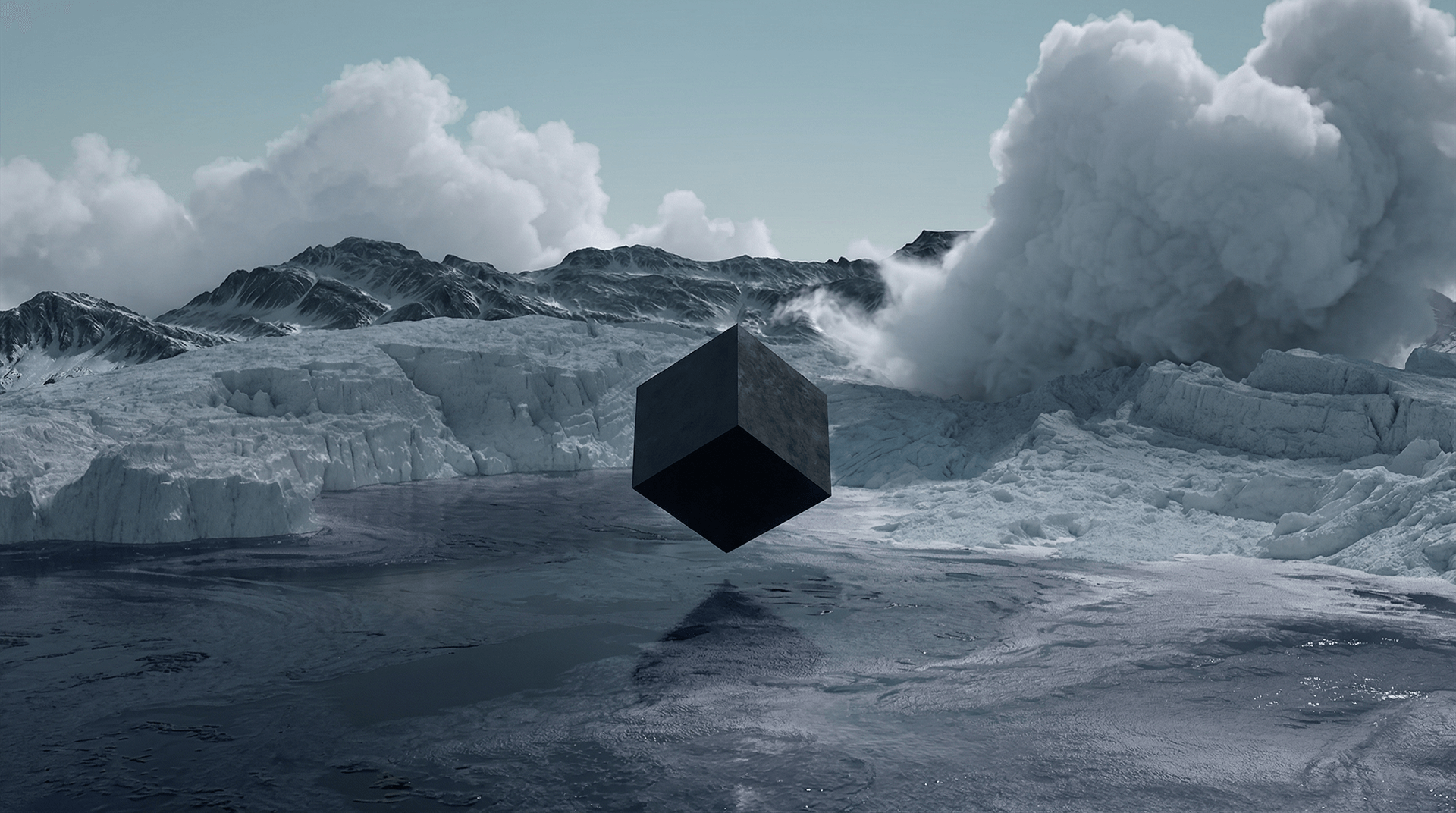

Nano Banana brings Google’s Gemini image generation and editing models to developers through Atlas Cloud. Create visuals from text or revise existing images, then deliver them in PNG or JPEG across square, portrait, landscape, and ultrawide layouts. Optional Base64 output supports API workflows. Atlas Cloud adds an OpenAI-compatible interface, Day-0 access, and transparent pay-as-you-go pricing. Start building today.
Nano Banana is developed by Google. Atlas Cloud (operated by Atlas Cloud AI LLC) provides access to it and does not own it. All trademarks belong to their respective owners.
Atlas Cloud provides you with the latest industry-leading creative models.
Compare Nano Banana text-to-image and editing modalities, endpoint profiles, and standard per-call pricing.
| Modality | Description |
|---|---|
| Nano Banana Text-to-Image Developer API | Turn text prompts into images through an endpoint profiled for open, advanced large-scale image generation. Its standard price is $0.038 per image, making it suitable for concept exploration, web graphics, and repeatable content workflows. |
| Nano Banana Edit Developer API | Provide an existing image and editing instructions to produce a revised visual with the Developer endpoint. Built for open, advanced large-scale image generation workflows, it supports iterative asset updates at a standard price of $0.038 per edit. |
| Nano Banana Text-to-Image API | Create new visual output directly from a text prompt using Google's image generation model. At the verified standard price of $0.038 per image, this endpoint fits social assets, marketing visuals, and rapid creative production. |
| Nano Banana Edit API | When an existing visual needs revision, send the image to this endpoint with instructions for the desired edit. The $0.038 standard per-edit price supports product asset updates, creative variations, and ongoing content refinement. |
Nano Banana combines prompt-based image generation, natural-language editing, multi-image inputs, flexible formats, developer controls, and transparent Atlas Cloud access in one production-ready workflow.
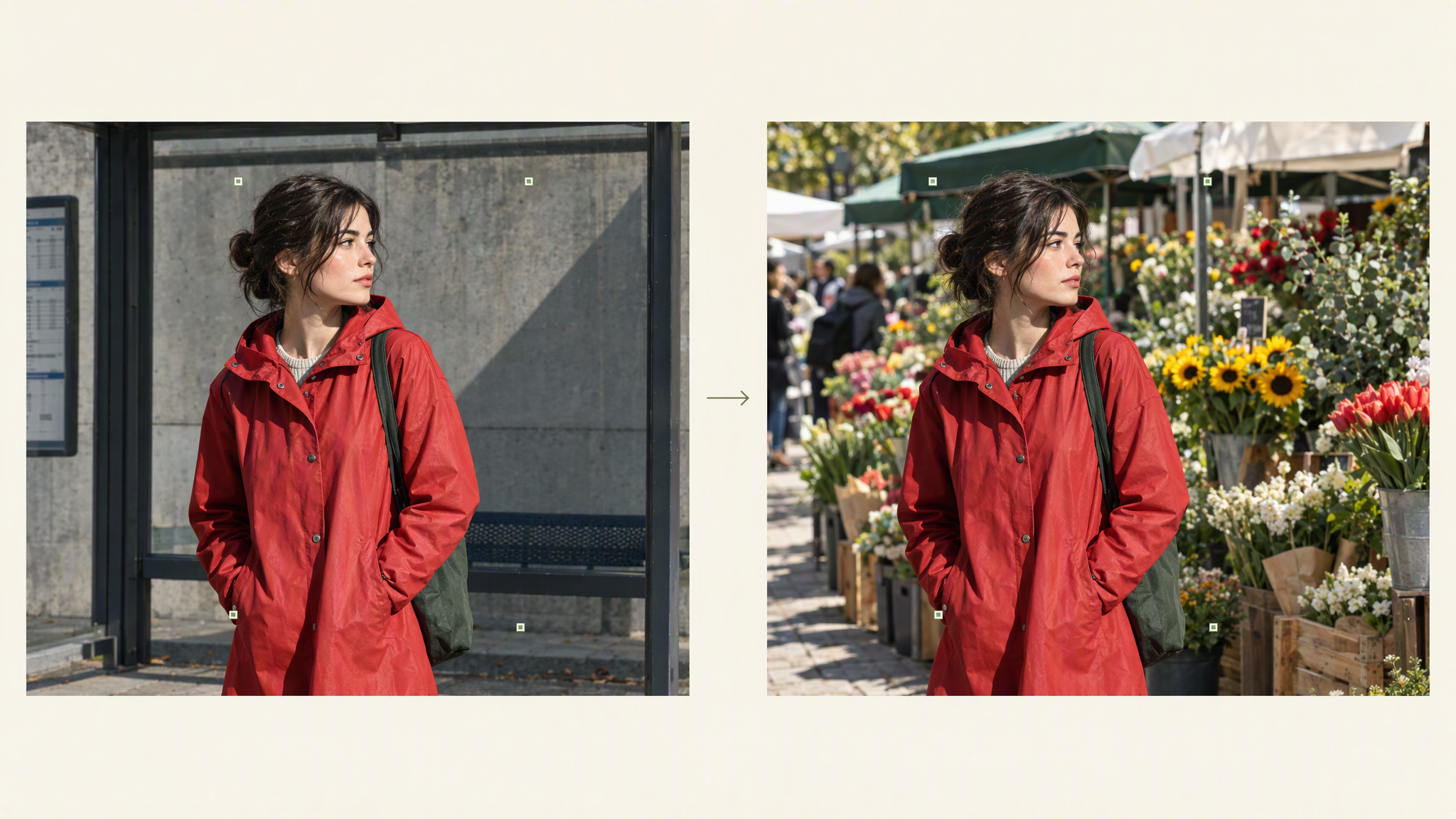
Nano Banana turns text prompts into images and applies natural-language changes to existing visuals through separate generation and editing model slugs. Editing requires only a prompt and source images, with no mask field in the request schema. Request background, object, or compositional changes through the same image API workflow. This suits product refreshes, social assets, and rapid creative iteration.
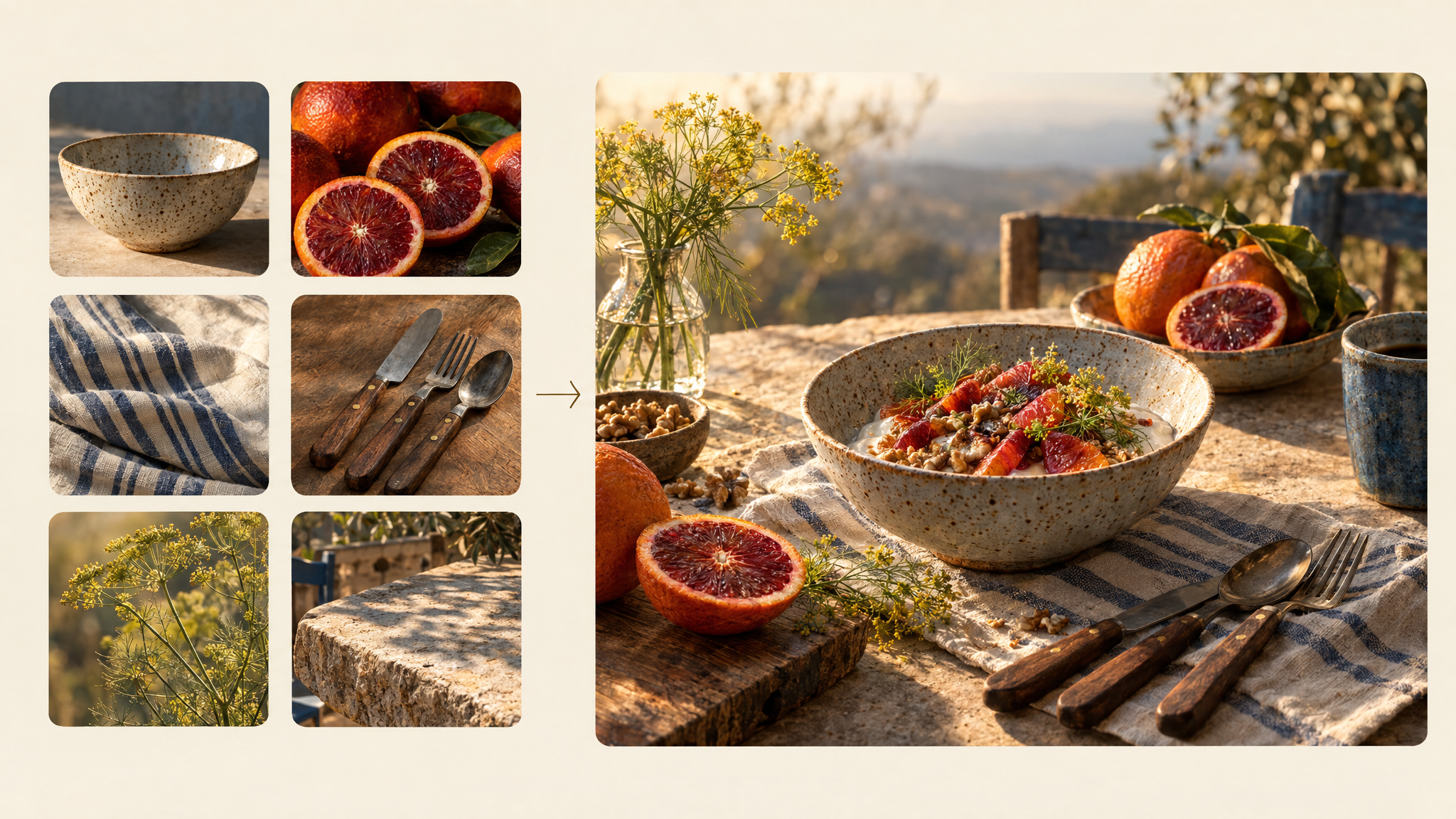
Submit between one and ten source images to the Nano Banana editing endpoint, then describe how they should inform the result. The schema accepts image URLs alongside a positive prompt and a selected aspect ratio. Developers can organize reference-driven transformations without adding masks or layer files. It is a practical fit for product combinations, wardrobe concepts, and scene variations built from several visual inputs.

Choose from ten output ratios spanning 1:1, portrait, landscape, and 21:9, then request PNG or JPEG delivery. The same ratio set is available for text-to-image generation and image editing. Compose each asset for its final placement instead of relying on a single fixed canvas. Campaign teams can prepare square posts, vertical stories, standard banners, and cinematic panoramas through one workflow.
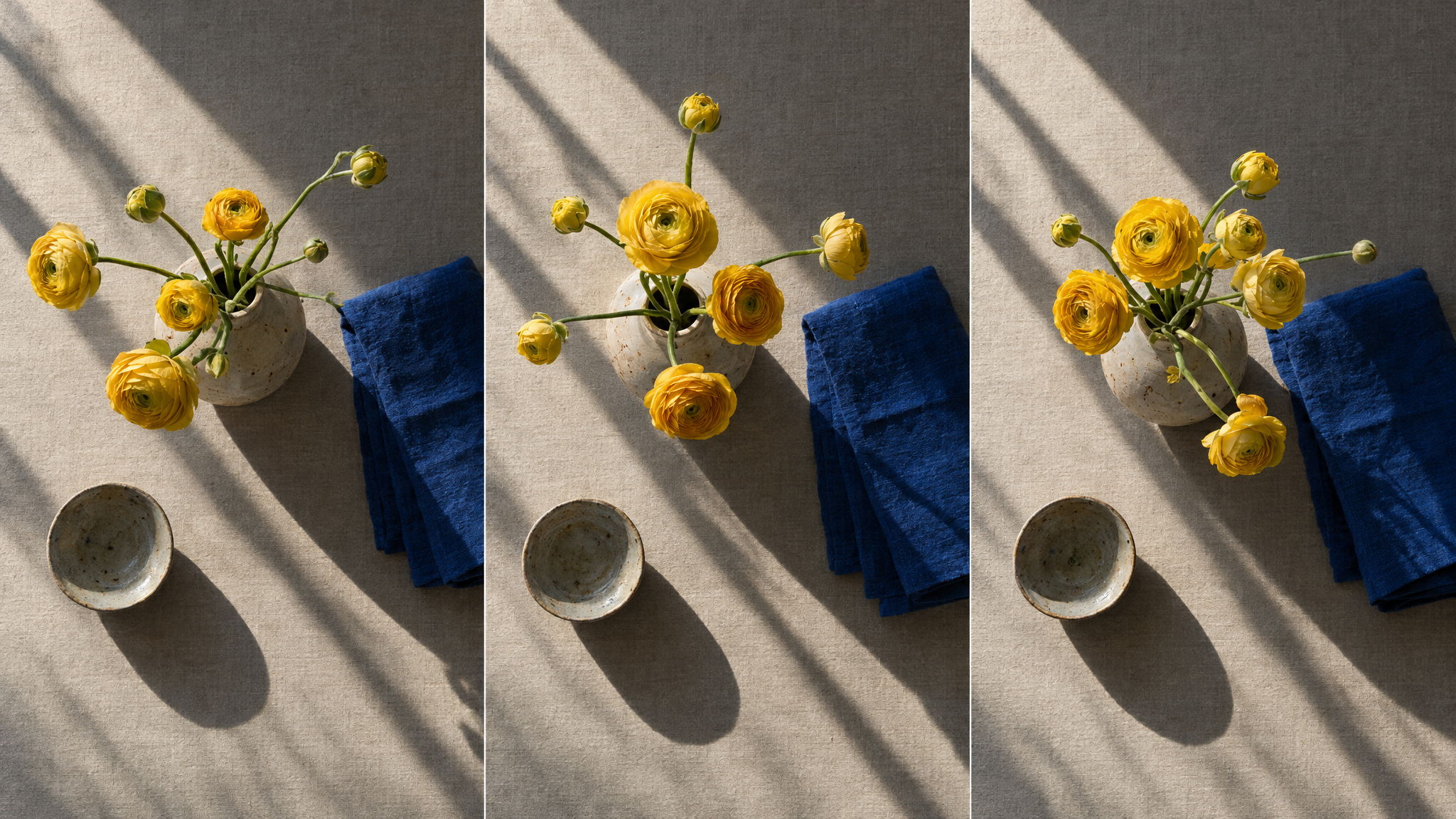
For structured experimentation, the Developer endpoints expose seed, top_p, and temperature controls. The default seed is -1, top_p is 0.95, and temperature is 1.0, while the documentation notes that a seed may improve repeatability without guaranteeing identical results. Tune sampling behavior without changing your integration. These controls help teams organize prompt tests and compare creative directions more systematically.

Both standard workflows can return PNG or JPEG files, wait for uploaded results with synchronous mode, or encode outputs as Base64 for API-only delivery. Editing also exposes low, medium, and high media-resolution settings for controlling how input media is processed. Match transport and input detail to the needs of your application. This flexibility supports server pipelines, previews, and automated asset processing.
Atlas Cloud serves Nano Banana generation and editing under one OpenAI-compatible key with transparent pay-as-you-go billing. Standard pricing is $0.038 per generated or edited image, using the verified origin price rather than a temporary discount. Switch between the text-to-image and edit model slugs while keeping the same authentication and request endpoint. This keeps integration overhead predictable for prototypes, production services, and recurring content workloads.
Compare how Nano Banana and two Atlas Cloud alternatives interpret identical prompts across typography driven design and cinematic street photography.
A decisive-moment fashion photograph seen through the storefront window of a vintage clothing shop moments before closing on a rainy night: a stylish young shop assistant snaps open a scarlet fringed cape, the fabric sweeping dramatically past the lens with slight authentic motion blur, accidentally startling a tabby cat hidden atop the clothing rail—the cat recoils mid-leap with arched body, splayed paws, alert ears, and wide eyes. Layer complex yet spatially coherent reflections across the glass: a passing streetcar and umbrella-carrying pedestrians outside, while every subject inside remains clearly separated and anatomically consistent. Handwritten directly on the window in crisp, perfectly legible lettering: “SECOND CHANCE, FIRST IMPRESSION”. Wide horizontal frame-within-a-frame composition using the storefront architecture, repeating rows of metal hangers creating graphic rhythm and leading lines, and a tall mirror on the right extending the shop into convincing depth; softly defocused raindrops cling to the near glass. Strong direct on-camera flash in the style of a bold 1990s fashion magazine editorial, balanced against warm directional tungsten light inside and cool cyan-blue rainy street light outside, controlled blue-orange contrast with the scarlet cape as the visual accent. Tactile, photorealistic surfaces: cracked old leather jackets, worn velvet with flattened nap, scratched chrome hangers, wet glass, damp pavement, individual cat hairs, and sharply resolved flying fringe. Candid, energetic, slightly imperfect analog film character, fine grain, restrained highlights, natural youthful skin texture, realistic reflections and perspective, no greasy over-rendering, no HDR look, no plastic skin, no muddy colors, no ubiquitous glow, no cheap cinematic epic effect. 35mm film photography, 28mm wide-angle lens, close storefront viewpoint, direct flash, subtle film halation, editorial realism, full-frame environmental storytelling, wide 16:9 aspect ratio, full-bleed.
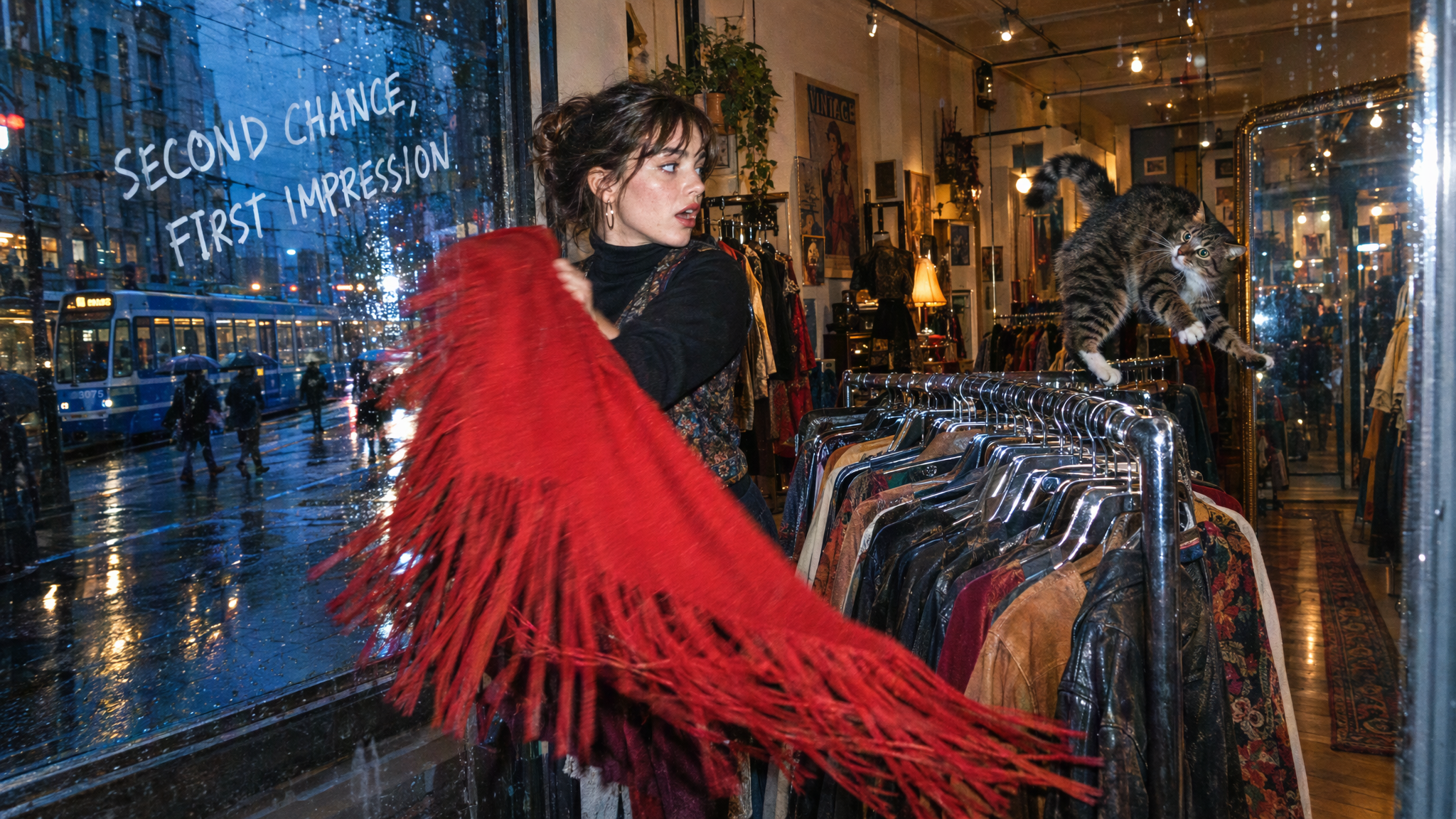
Generated with Nano Banana 2 Text-to-Image on Atlas Cloud
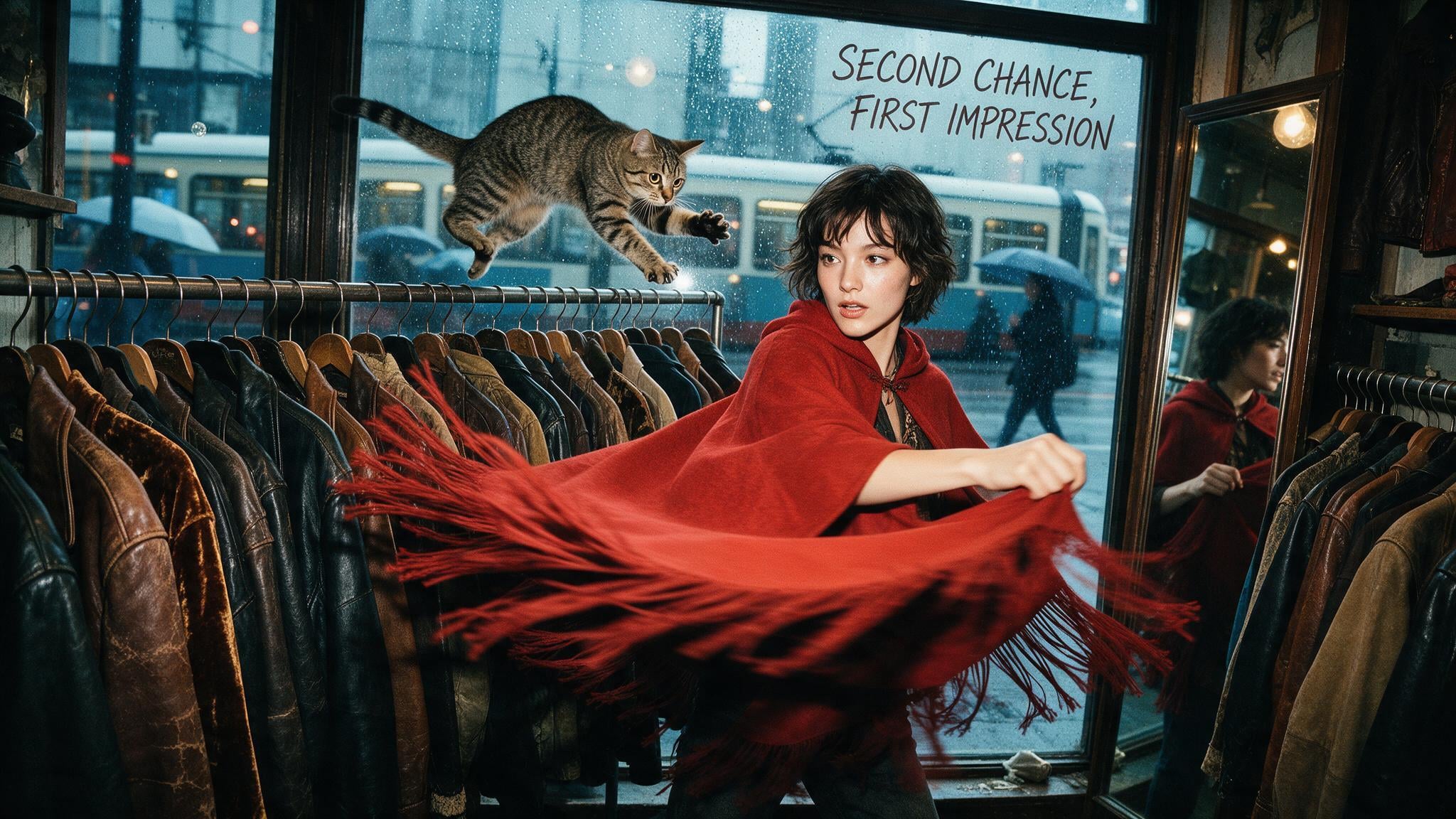
Generated with Seedream v5.0 Pro Text-to-Image on Atlas Cloud
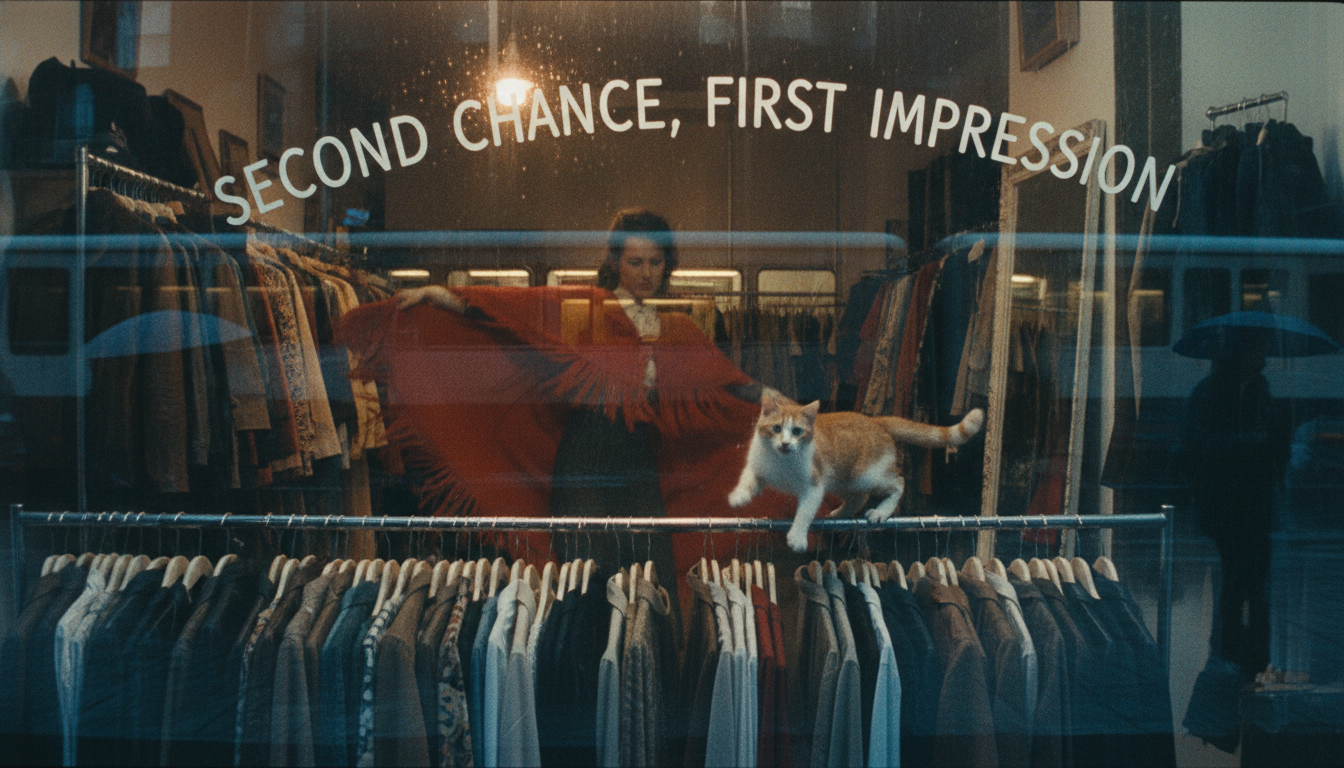
Generated with Nano Banana Text-to-image on Atlas Cloud
An abandoned indoor diving hall transformed into a floating library, captured at the decisive instant when a precarious stack of books tumbles from a high diving platform: a young librarian balances on a narrow wooden punt gliding between shallow-water bookshelves, reaching upward in startled determination to catch the falling volumes, their expression surprised with a touch of absurd comedy, while dozens of loose ivory pages burst outward like startled white birds, each sheet preserving consistent paper weight, scale, folds, and believable gravity-driven motion. Intricate stop-motion animation aesthetic with handcrafted paper-diorama construction, visibly tactile paper fibers, softened water stains, chipped pool paint, cracked vintage ceramic tiles, damp book cloth, warped page edges, tiny model seams, subtle glue marks, and delicate imperfections—never glossy or plastic. Tall clerestory windows cast crisp diagonal shafts of cool indoor daylight through suspended dust, creating clean directional highlights and long-edged shadows; the shallow turquoise water produces a lucid reflection that overlays the librarian, boat, shelves, diving platforms, and grand arches into a poetic double-layered image. Use faded swimming-lane lines as strong leading lines through the complex space, with softly out-of-focus book spines in the near foreground forming a natural frame-within-a-frame; cinematic wide-angle depth, clear spatial hierarchy, controlled detail, and slight motion blur only on the fastest pages. Strict limited palette of swimming-pool cyan, paper ivory, and lifebuoy vermilion, with no muddy colors and no additional dominant hues. Sophisticated handcrafted miniature cinematography, whimsical yet restrained, tactile and photographic, subtle film grain, no oily over-rendering, no HDR look, no plastic skin, no ubiquitous glow, no cheap epic atmosphere, no dark underwater or space-ruin imagery, wide horizontal 16:9 aspect ratio, full-bleed composition.

Generated with Nano Banana 2 Text-to-Image on Atlas Cloud

Generated with Seedream v5.0 Pro Text-to-Image on Atlas Cloud
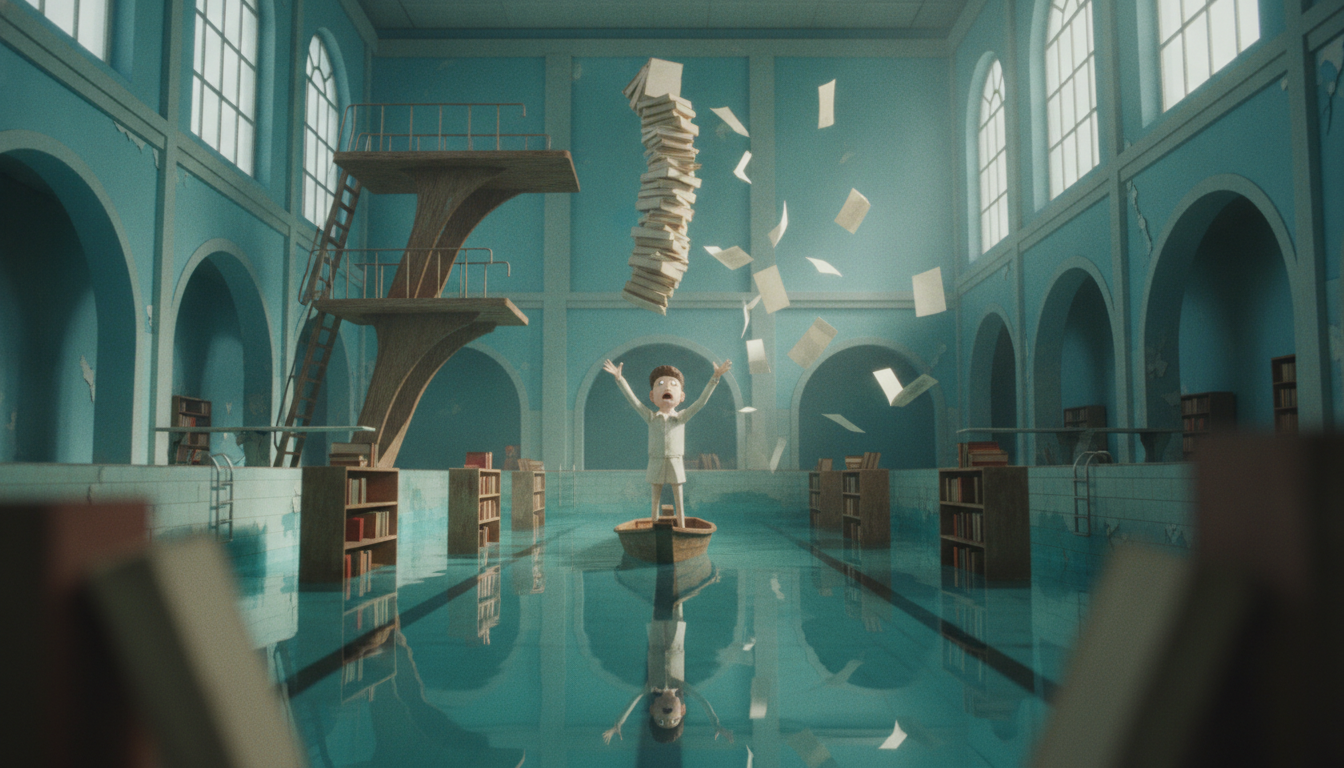
Generated with Nano Banana Text-to-image on Atlas Cloud
Across storytelling, commerce, design, and creator tools, Nano Banana turns text and reference images into consistent visual series, targeted edits, style variations, and campaign assets through Atlas Cloud.

Nano Banana preserves a character’s likeness while changing outfits, poses, lighting, or surroundings across successive images. Story teams can build coherent storyboards, comics, and campaign narratives without recreating the cast for every frame.

Blend product references with new settings through the Nano Banana API, then direct composition and context in natural language. Commerce teams can create lifestyle scenes, catalog variations, and seasonal campaign concepts from existing assets.

Describe an object replacement, background change, or localized adjustment, and the model edits the supplied image without manual masks. Designers produce polished variants and fast revisions while preserving the broader scene.

Transform a portrait, pet, or subject into a different visual style while retaining recognizable likeness across edits. Creator apps can offer personalized avatars, themed portraits, and shareable transformations from one reference.

Choose from ten supported aspect ratios, spanning square, portrait, landscape, and ultrawide formats for generated images. Marketing teams can prepare social posts, banners, thumbnails, and web graphics for varied placements.

Designed for speed and efficient large volume generation, Nano Banana turns text prompts into images through a production API. Product teams can prototype visual features, test creative directions, and automate recurring asset production.
Compare Nano Banana with Qwen and Grok endpoints by workflow, input format, resolution, reference capacity, and standard Atlas Cloud pricing.
| Model | Provider | Workflow | Max Resolution | Reference Images | Standard Price |
|---|---|---|---|---|---|
| Nano Banana Text-to-image | Text to image | 1024px | - | $0.038 per image | |
| Nano Banana Edit | Image editing | 1024px | Up to 3 recommended | $0.038 per image | |
| Qwen Image 3.0 Pro Text-to-Image | Qwen | Text to image | 2048 × 2048 | - | $0.04 per image |
| Qwen Image 3.0 Pro Edit | Qwen | Image editing | 2048 × 2048 | Up to 3 | $0.04 per image |
| Grok Imagine Image 2.0 Text-to-Image | xAI | Text to image | 2K | - | $0.04 per image |
| Grok Imagine Image 2.0 Edit | xAI | Image editing | 2K | Up to 5 | $0.04 per image |
Get started in minutes — follow these simple steps to integrate and deploy models through Atlas Cloud's platform.
Sign up at atlascloud.ai and complete verification. New users receive free credits to explore the platform and test models.
Combining the advanced Nano Banana models with Atlas Cloud's GPU-accelerated platform provides unmatched performance, scalability, and developer experience.

Low Latency:
GPU-optimized inference for real-time reasoning.
Unified API:
Run Nano Banana, GPT, Gemini, and DeepSeek with one integration.
Transparent Pricing:
Predictable per-token billing with serverless options.
Developer Experience:
SDKs, analytics, fine-tuning tools, and templates.
Reliability:
99.99% uptime, RBAC, and compliance-ready logging.
Security & Compliance:
SOC 2 Type II, HIPAA alignment, data sovereignty in US.
Nano Banana is Google's name for Gemini 2.5 Flash Image, a model that generates images from text and edits existing images with natural language instructions. Atlas Cloud provides separate text-to-image and editing endpoints through one API account.
Create new visuals from prompts or modify uploaded images by describing changes to subjects, backgrounds, composition, and style. The model is designed for high-volume generation, conversational editing, and creative workflows where speed and efficiency matter.
Start by sending an authenticated POST request to `/api/v1/model/generateImage` with your Atlas Cloud API key, model identifier, and prompt. Use `google/nano-banana/text-to-image` for generation or `google/nano-banana/edit` with an `images` array for editing. The response includes a prediction ID, status, and output data.
Generation requests support a prompt, aspect ratio, output format, media resolution setting, seed, temperature, and top-p sampling. You can also request synchronous or Base64 output. Editing uses similar controls and additionally requires an array of input image URLs.
Choose from 1:1, 3:2, 2:3, 3:4, 4:3, 4:5, 5:4, 9:16, 16:9, and 21:9. Atlas Cloud can return the default format, PNG, or JPEG, while Google's documentation lists 1024 by 1024 pixels for square output and corresponding dimensions for the other ratios.
Atlas Cloud accepts between one and ten image URLs in an editing request. Google notes that the underlying Gemini 2.5 Flash Image model works best with up to three input images, so accepting more files does not guarantee equal fidelity across every reference.
The standard list price is $0.038 per call for each of the four listed Atlas Cloud endpoints, including the text-to-image, edit, and Developer variants. Billing is pay-as-you-go, with no subscription required for these per-call rates.
A fixed seed may improve repeatability, but Atlas Cloud does not guarantee deterministic output. Leave the seed at its default value of `-1` when you want a random seed, and store prompts, parameters, and source images when tracking production results.
The original model prioritizes fast, efficient generation and produces images at approximately 1024-pixel resolution. Nano Banana Pro is intended for complex professional asset creation, with stronger creative control, greater world knowledge, and output up to 4K.
Google applies built-in safety policies to image generation, so restricted prompts may be blocked even when the request is technically valid. Check the returned status, outputs, and `has_nsfw_contents` field before retrying. If filtering is involved, revise the prompt to remove ambiguous or restricted content instead of repeatedly submitting the same request.
Seedance 2.5 API is now available on Atlas Cloud! It gives developers ByteDance's newest video model. It generates up to 30 seconds of native video in a single pass from text, a single image, or as many as 50 multimodal references, with synchronized audio and in-frame multilingual text. On Atlas Cloud you reach it through one key, with subject consistency and improved physics keeping long shots coherent. (Update: Seedance 2.5 1080P API Is Available NOW!)

Wan 3.0 API is the next generation of Alibaba's Wan video family, built to push long-form generation, multi-reference control, and audiovisual quality to new heights. Atlas Cloud already hosts Wan 2.7, 2.6, and 2.5, and Wan 3.0 runs on the same unified key with no separate setup. Start building today. Scroll down to the showcase to see what Wan 3.0 can create.
MiniMax H3 is MiniMax's multimodal video family for text, image, and reference guided creation. Across supported routes, it preserves subjects from reference media, offers flexible aspect ratios, and pairs generated sound with visuals through H3 Developer, with output profiles selected by endpoint. Atlas Cloud unifies the family behind one OpenAI-compatible key with transparent pay-as-you-go pricing from the standard rate of $0.038 per second. Start building today.
Seedream 5.0 Pro API gives developers ByteDance's controllable image editing model on Atlas Cloud. It places edits precisely with anchors and coordinates, separates images into editable layers, fuses multiple references, and matches exact colors and materials, with multilingual text at 2K and 3K. On Atlas Cloud you reach it through one key!
Seedance 2.0 is ByteDance’s production video model for precise shot creation. Turn prompts into video, animate a first-frame image with optional last-frame guidance, or shape results with reference media and optional web search. Atlas Cloud brings these workflows into one unified API with transparent pay-as-you-go pricing and one OpenAI-compatible key. Start building today.
The gpt-image-2.5 family from OpenAI gives developers a choice of Flare and Sunburst for production image workflows. Render at arbitrary resolutions up to 3840x2160 and select from five quality tiers, including xhigh and max, to match specific output requirements. Atlas Cloud provides ready-to-use REST inference with no cold starts and standard pricing from $0.004 per generation. Start building today.
The GPT Image 2 API gives developers access to OpenAI's latest image model, the successor to GPT Image 1.5. It generates and edits images with accurate text rendering across Latin and CJK scripts, plus strong composition for posters, mockups, and infographics. On Atlas Cloud you reach it through one unified API alongside 300+ models, with free credits, 99.99% uptime, and no OpenAI organization verification required.
Gemini Omni is Google DeepMind's natively multimodal video family for prompt guided creation and editing. Generate from text, animate still images, or revise existing footage with optional visual references while preserving untouched content. Flexible resolution, aspect ratio, and duration controls support varied production workflows. Atlas Cloud unifies access with transparent pay-as-you-go pricing. Start building today.
Grok Imagine Image is xAI's family for generating polished visuals and revising one or more reference images through natural language instructions. Its standard and quality endpoints cover text to image creation, single image changes, and indexed multi-image composition. Atlas Cloud brings these workflows into one API, with standard generation and editing priced at $0.02 per image. Start building today.
Google's most powerful creative models are all available on Atlas Cloud. Veo 3.1 delivers cinematic video generation, Nano Banana 2 powers high-fidelity image creation, and Gemini brings multimodal intelligence to every workflow. Access the full Google model suite through one API key with Day-0 availability and pay-as-you-go pricing.
The Seedance 2.0 Mini API is the lightest, lowest-cost tier of ByteDance's Seedance video line, built for teams where throughput and unit cost matter more than maximum polish. Use it for batch generation, rapid prototyping, and draft passes, all through one OpenAI-compatible key on Atlas Cloud.
From cinematic video generation to high-fidelity image creation, ByteDance's most powerful models are live on Atlas Cloud. Run Seedance and Seedream at scale with the lowest inference pricing and zero infrastructure overhead.
Guides, tutorials, and product updates to help you get the most out of Atlas Cloud.



