
 Atlas Cloud is now an authorized U.S. reseller of Dreamina Seedance 2.5 and Seedream 5.0 Pro.Atlas Cloud is now an authorized U.S. reseller of Dreamina Seedance 2.5 and Seedream 5.0 Pro.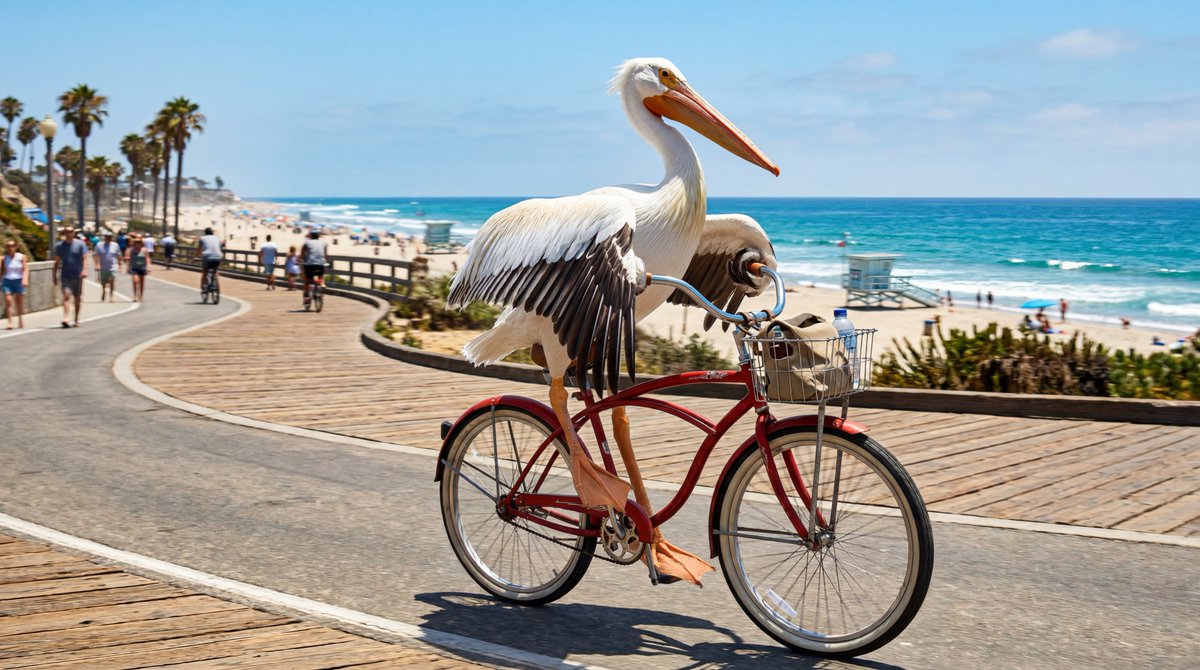




Build with the Nano Banana 2 API, powered by Google's Gemini 3.1 Flash Image model. It generates native 4K visuals up to 4096x2304 with accurate text rendering and consistent characters across up to 14 reference images for both generation and editing. On Atlas Cloud you reach it through one unified API alongside 300+ models, with pricing from $0.04 per image, 99.99% uptime, and free credits to start.
Nano Banana 2 is developed by Google. Atlas Cloud (operated by Atlas Cloud AI LLC) provides access to it and does not own it. All trademarks belong to their respective owners.
Atlas Cloud provides you with the latest industry-leading creative models.
Access text to image, image editing, and reference to image through the Nano Banana 2 API on Atlas Cloud, all with one key and one base URL.
| Modality | Description |
|---|---|
| Nano Banana 2 T2I API (Text to Image) | The Nano Banana 2 Text to Image API empowers developers to transform text prompts into stunning, cinematic-grade visuals with native 4K precision. By leveraging advanced scene-control logic, it generates exquisite details and complex multi-character compositions for high-concurrency creative workflows. |
| Nano Banana 2 Edit API (Image to Image) | The Nano Banana 2 Edit API empowers developers to transform existing images into refined or reimagined masterpieces with seamless consistency. By utilizing state-of-the-art guided diffusion, it generates precise stylistic transfers and structural modifications for professional-grade asset iteration and marketing design. |
| Nano Banana 2 R2I API (Reference to Image) | The Nano Banana 2 Reference to Image API empowers developers to generate new visuals guided by up to 14 reference images of subjects, characters, products, or styles. By anchoring generation to your visual inputs, it maintains consistent identity and composition across complex, multi-character scenes in native 4K for production-ready creative and marketing workflows. |
Explore what the Nano Banana 2 API delivers, from native 4K generation and accurate in-image text to consistent multi-character scenes, up to 14 reference images, and precise image editing.

Nano Banana 2 generates native 4K imagery with a focus on structural accuracy. By capturing subtle details like realistic light reflections and complex human anatomy, it ensures visual consistency across the entire frame. Even challenging elements, such as precise text rendering within images, are handled with clarity and sharpness.
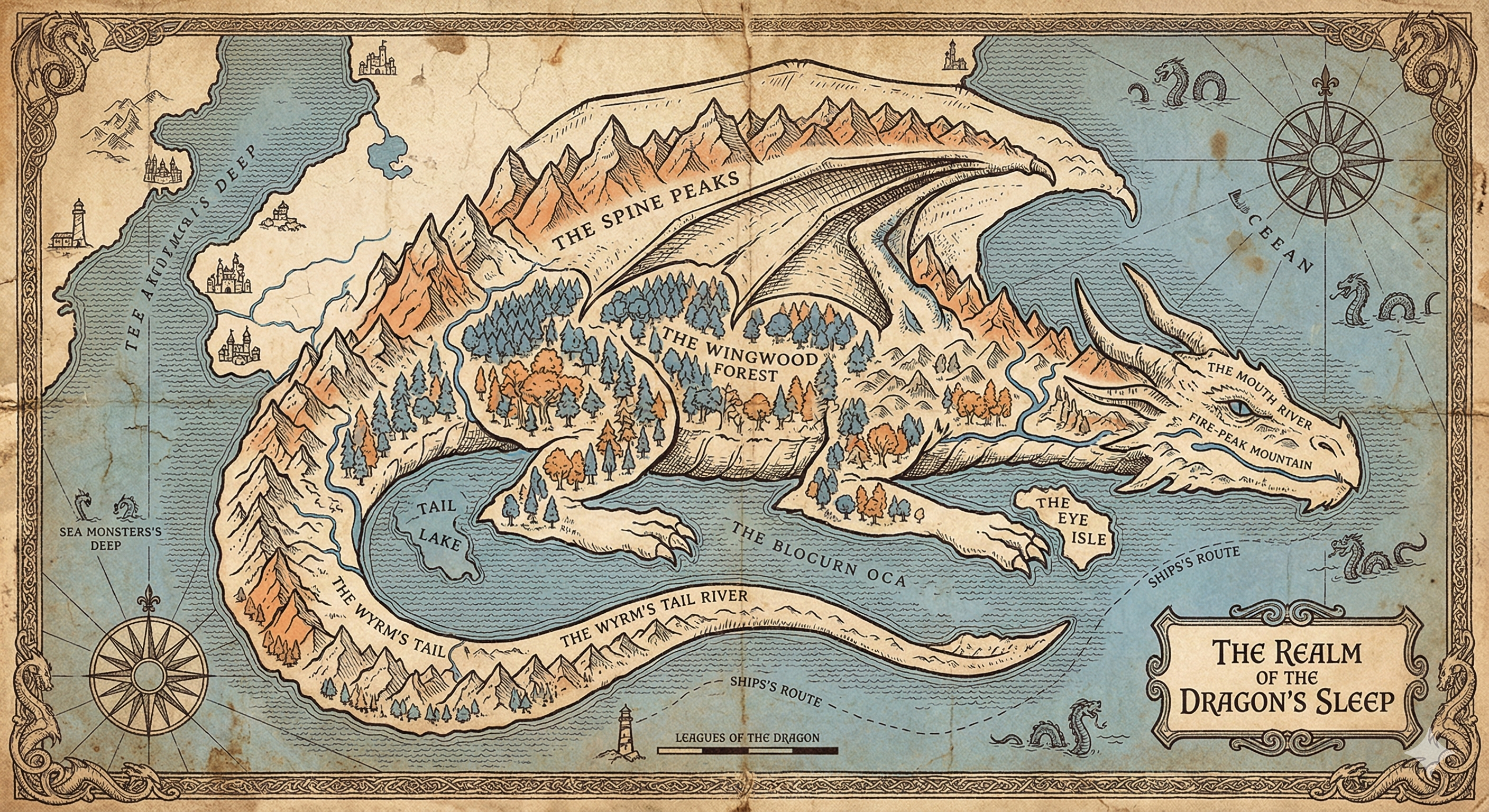
Designed for efficiency, Nano Banana 2 balances high-quality output with significantly reduced rendering times. This performance allows for a more fluid creative process, making it particularly effective for high-volume industries like e-commerce and social media marketing, where project delivery cycles are tight. It is perfectly suited for e-commerce advertising and social media operations that demand rapid iteration.
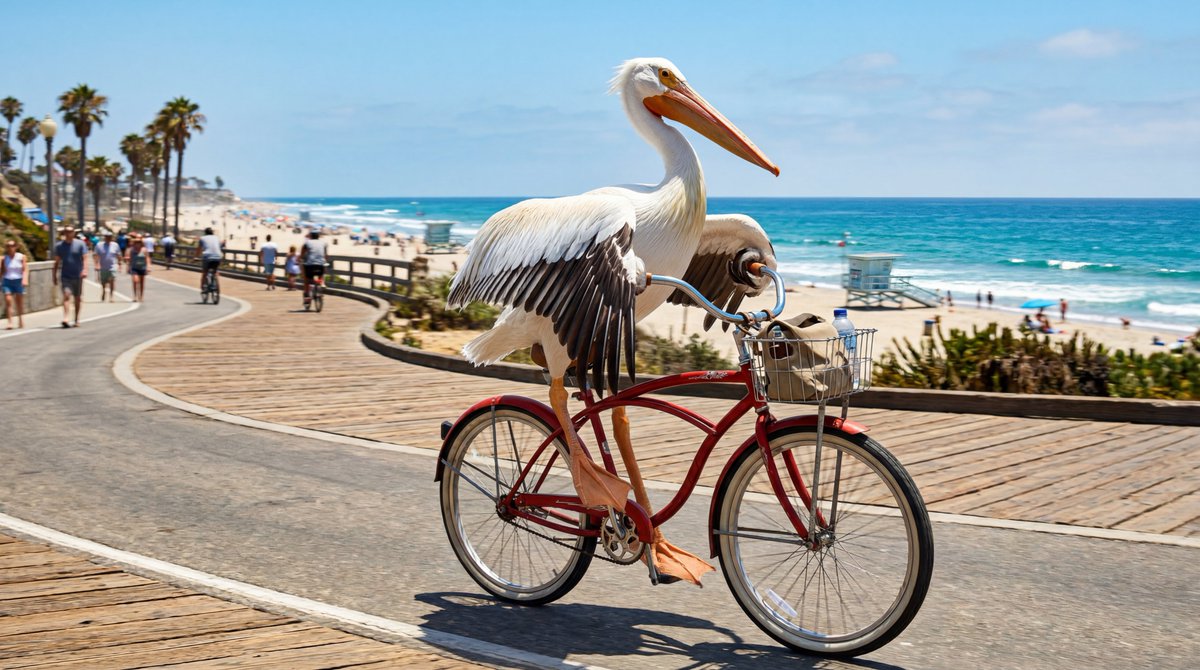
Nano Banana 2 provides stable control over multi-subject interactions and intricate backgrounds. It maintains logical spatial relationships and character consistency within a single prompt, allowing users to create sophisticated, multi-layered compositions without losing the central narrative of the image.
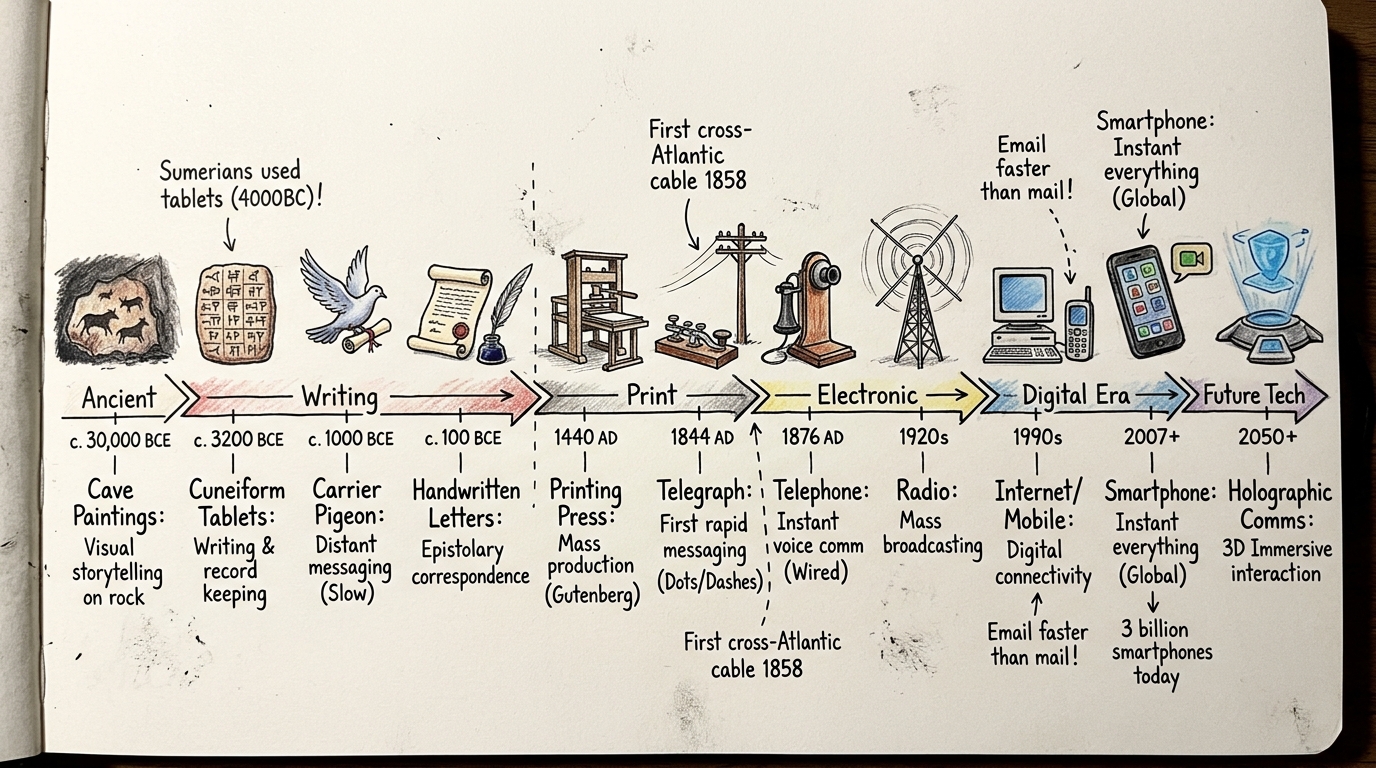
Nano Banana 2 renders legible, correctly spelled text directly inside generated images, making it reliable for logos, posters, packaging, and marketing assets. It preserves font style, color, and layout, and can translate or localize text within the same image, keeping typography clean and readable even at 4K resolution.
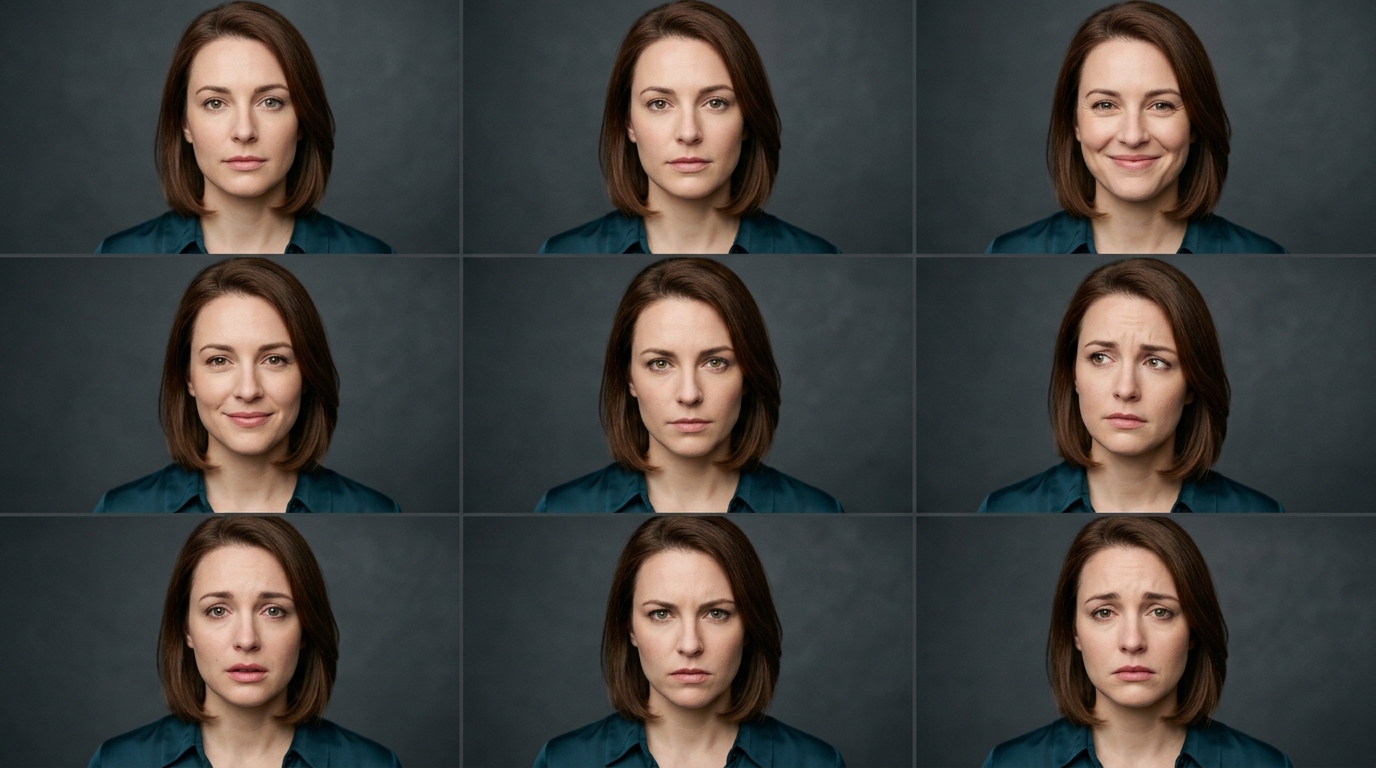
Nano Banana 2 accepts up to 14 reference images in a single request, letting you guide generation and editing with real subjects, products, characters, or style samples. This supports consistent character identity and complex multi-image compositions, so the model follows your visual context instead of relying on text prompts alone.
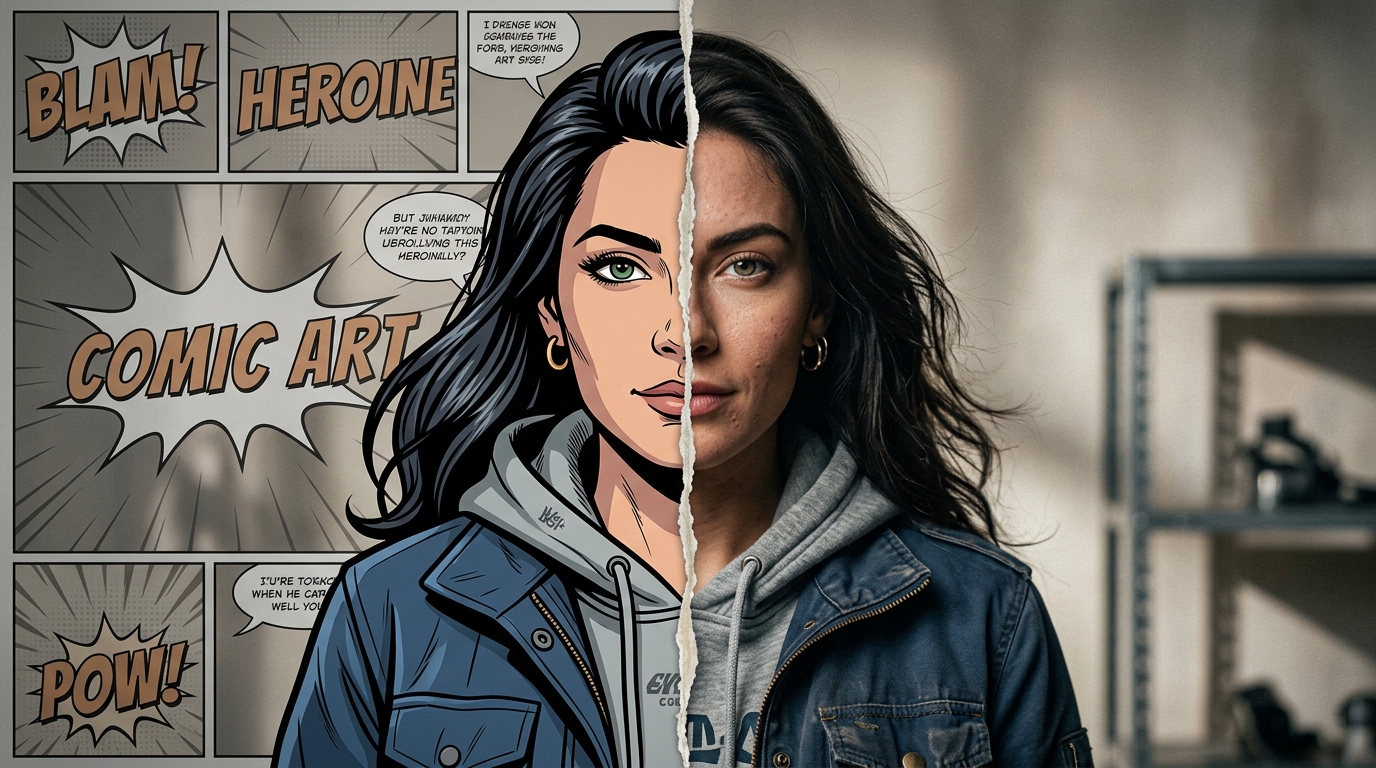
Beyond text to image, the Edit API lets you modify existing images with simple text instructions. Nano Banana 2 applies stylistic transfers and structural changes while preserving the rest of the frame, following edit prompts precisely and returning results at up to 4K, ideal for iterative production workflows.
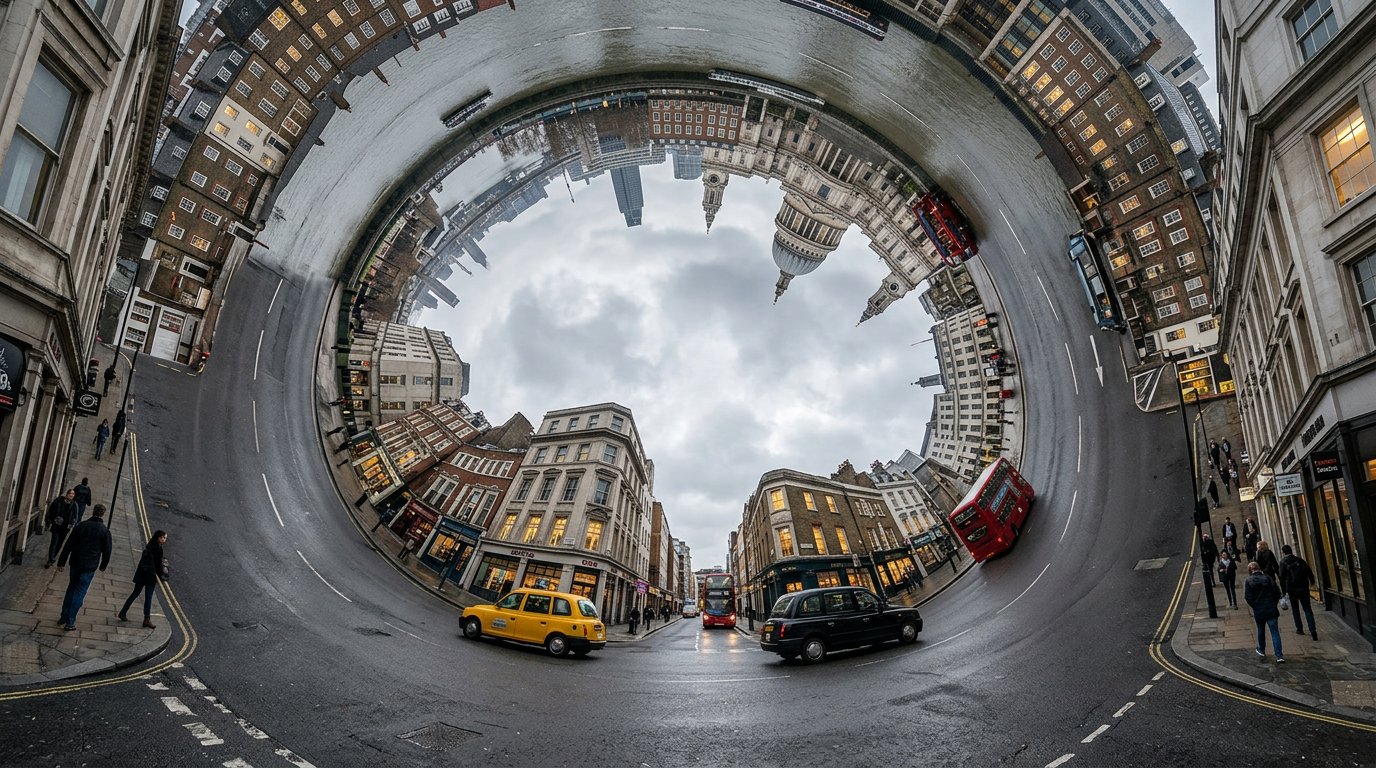
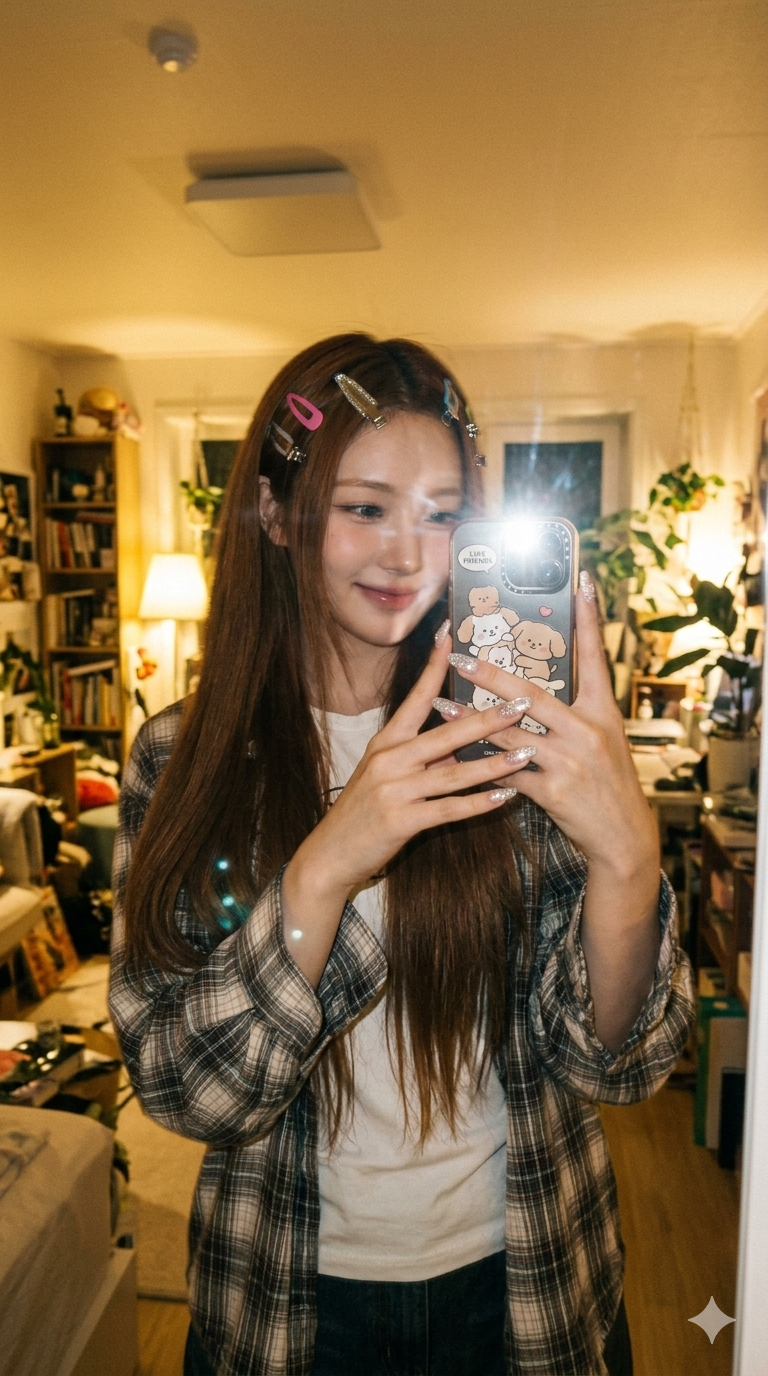
Nano Banana 2 can ground generation in real-world knowledge by retrieving current information and reference images from web search, then using them as visual context. This improves factual accuracy for real places, products, logos, and people, helping outputs reflect how subjects actually look rather than approximations.
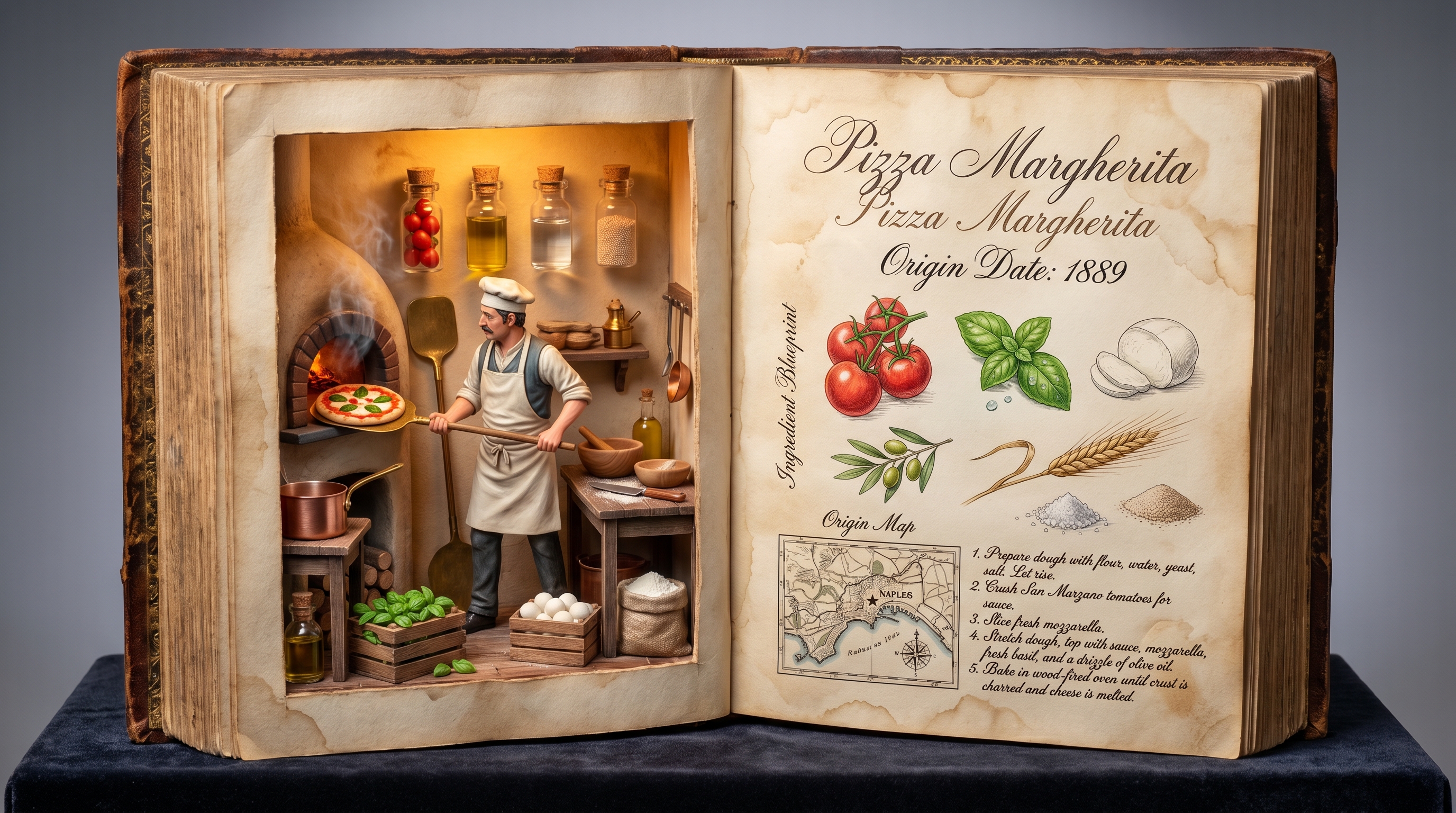
Task: A hyper-realistic 16:9 macro photograph of an oversized, open antique culinary codex resting on a dark velvet museum plinth. Left Page (The Living Diorama): The left side of the book is hollowed out like a secret compartment. Inside is a breathtaking 3D miniature scene. A highly detailed figurine of the dish’s inventor is captured mid-motion in a period-accurate kitchen. Around them are microscopic versions of the 10-15 key ingredients, each in its own tiny hand-blown glass vial or micro-wooden crate. Include miniature brass cooking tools specific to the era. The scene is lit from within the "pages" by a warm, magical amber glow. Right Page (The Technical Recipe): The right page is flat, aged parchment featuring elegant, faded Spencerian calligraphy and hand-painted watercolor illustrations. 1. Top: The dish name in both English and its native language, with the bold "Origin Date." 2. Middle: A vertical "Ingredient Blueprint" with hyper-detailed sketches of each raw component. 3. Bottom: A small, detailed "Origin Map" showing the specific city of birth, styled like a 19th-century cartographic inset. 4. Text: Visible, legible recipe steps written in ink that looks slightly raised on the paper. Style: Museum specimen photography. 85mm macro lens. The lighting should be a mix of cool gallery spotlights and the warm "internal" glow of the book's diorama. Extreme texture on the weathered leather binding and the tooth of the paper.
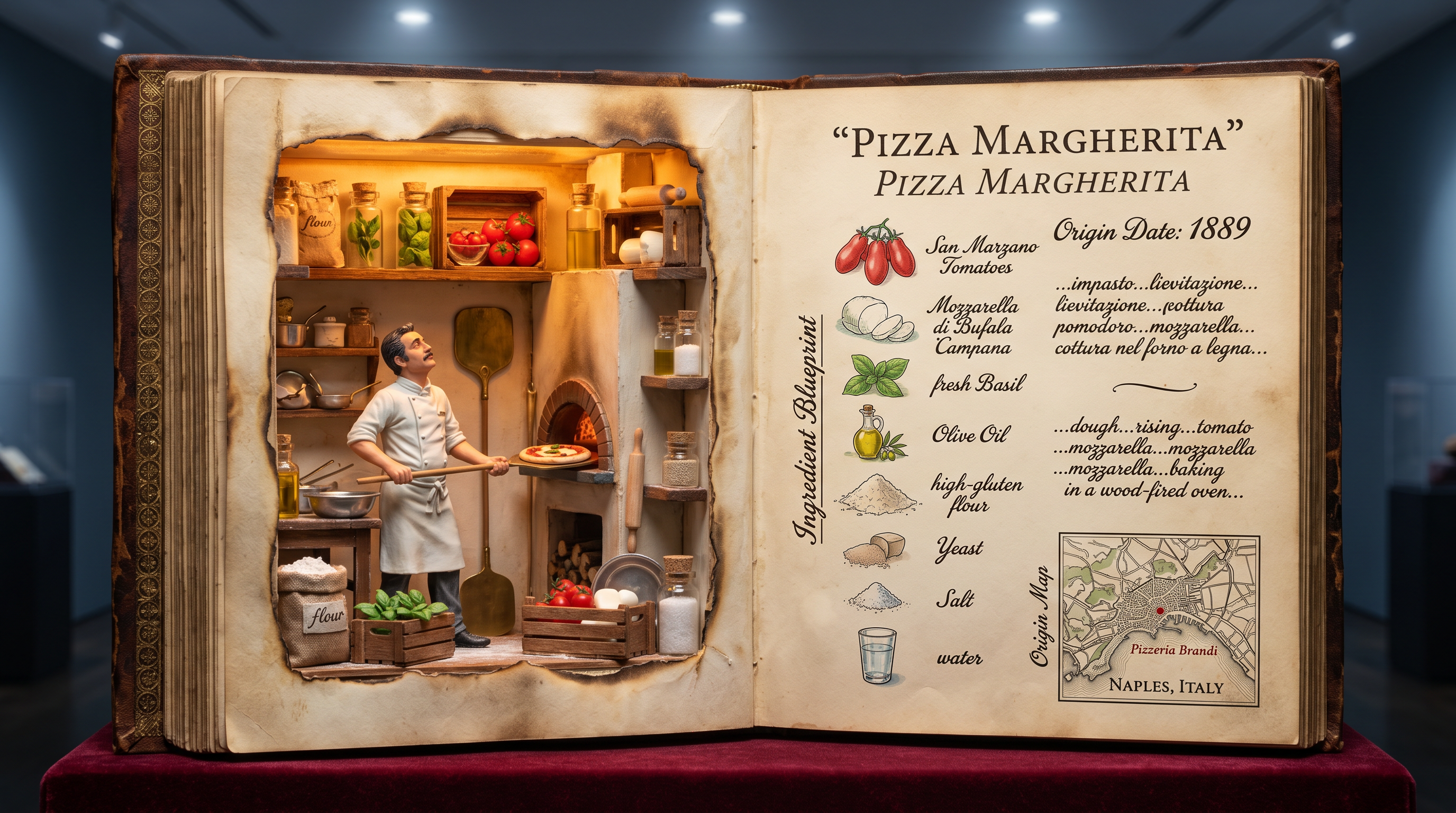
Generated with Nano Banana 2 on Atlas Cloud
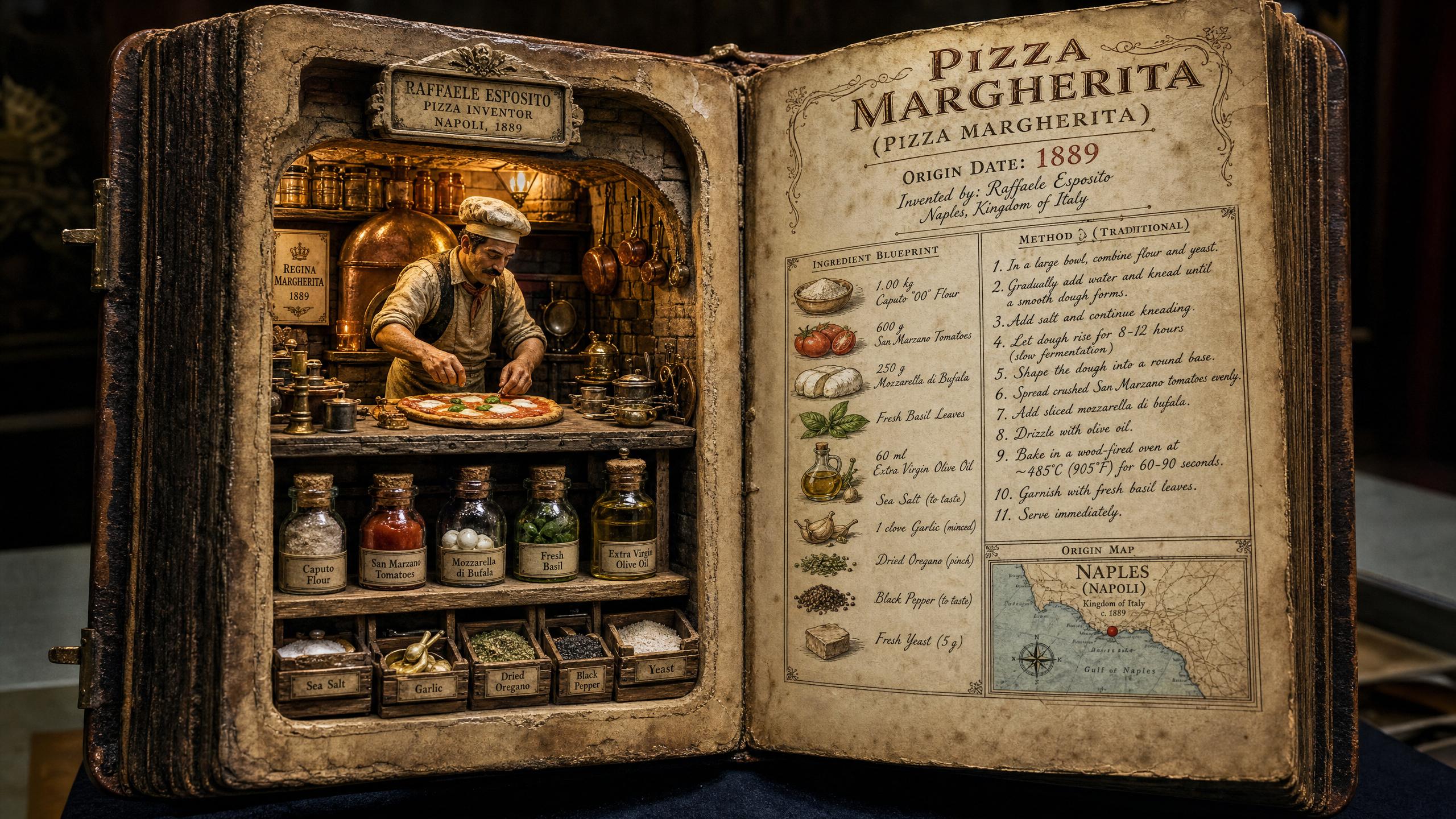
Generated with GPT-Image 2 on Atlas Cloud
Generated with Nano Banana Pro on Atlas Cloud
From cinematic 4K visuals and e-commerce assets to marketing posters, UI mockups, and infographics, see what the Nano Banana 2 API can build.

The Nano Banana 2 API enables creators to generate native 4K imagery with unparalleled precision in light and shadow. Ideal for high-end brand advertising and concept art, the API ensures structural accuracy in complex anatomical renderings and crystal-clear text integration. By maintaining high-fidelity textures across the entire frame, it provides a robust foundation for professional-grade creative workflows and large-format digital assets.

For rapid marketing cycles, the Nano Banana 2 API delivers industry-leading generation speeds without compromising output quality. Perfectly suited for e-commerce campaigns and social media operations, it allows brands to iterate on product-centric visuals instantly. This optimized performance drastically shortens project delivery cycles, making it an essential tool for high-volume digital storefronts requiring both speed and visual excellence.

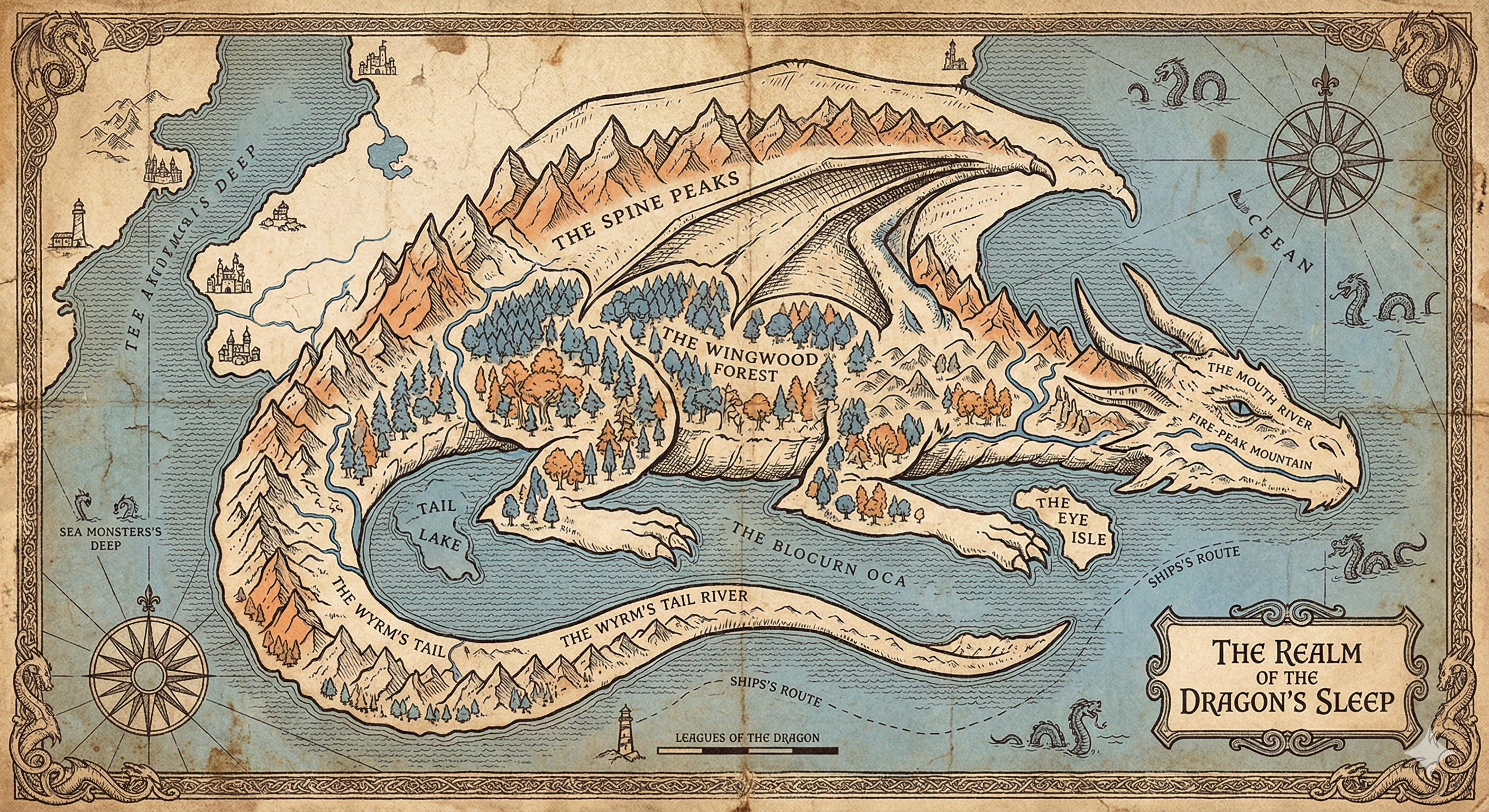
Nano Banana 2 excels at managing intricate spatial relationships and multi-subject storytelling within a single prompt. By leveraging superior scene-control logic, the API maintains visual coherence and character consistency across complex environments. This use case is ideal for narrative illustrations, world-building, and sophisticated marketing designs that require precise coordination of multiple elements within a unified, high-resolution scene.

The Nano Banana 2 API renders crisp headlines, ad copy, and packaging text directly inside native 4K visuals. Built for marketing teams, it places typography accurately within layouts while keeping brand colors, fonts, and composition intact. This makes it well suited for posters, advertisements, and product packaging that need clear, legible text without a separate design pass.

The Nano Banana 2 API generates realistic interface mockups with legible UI copy, buttons, and labels in a single pass. By rendering readable text directly inside the design, it lets product and engineering teams visualize app screens before any handoff. This is ideal for early-stage concepts, design reviews, and rapid prototyping where accurate on-screen text matters.

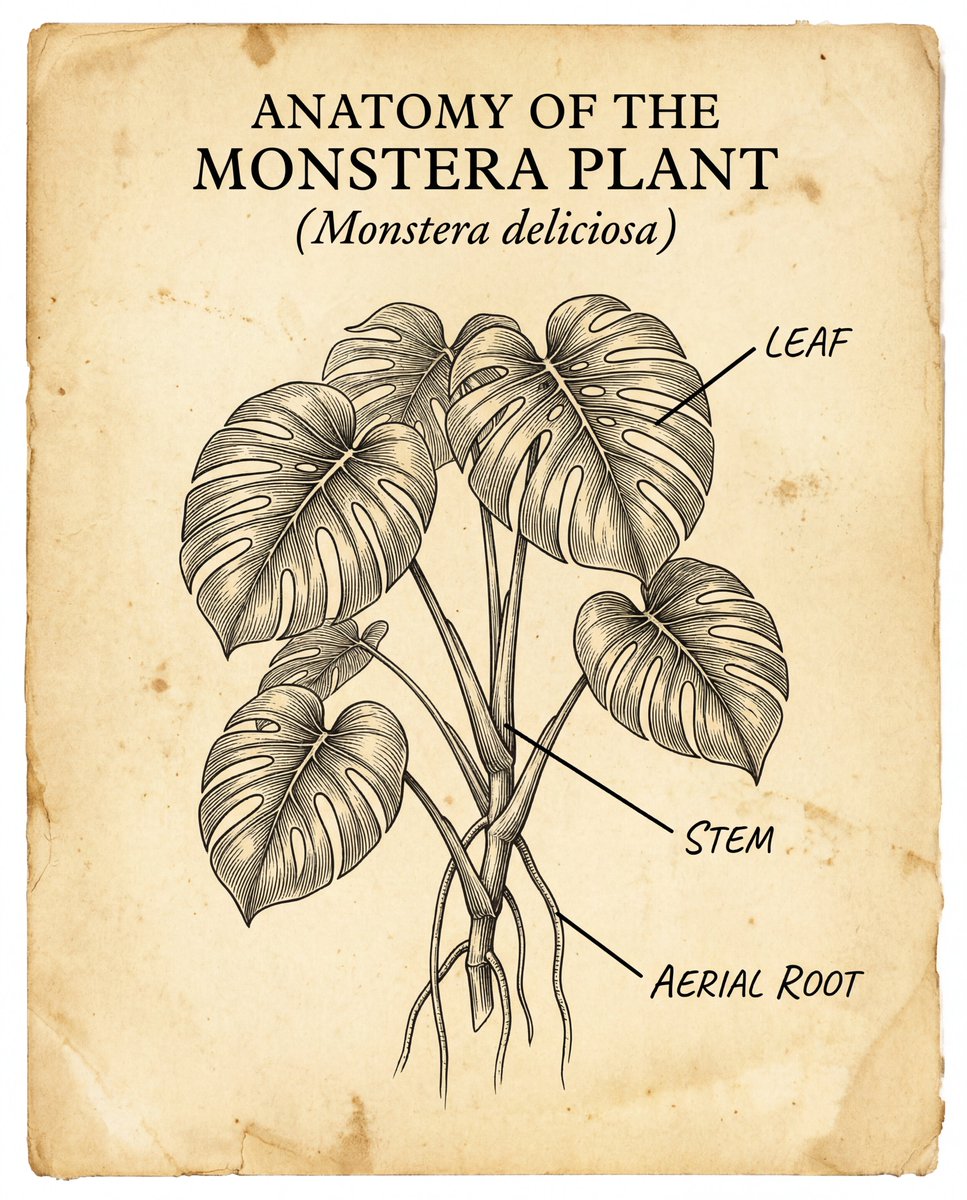
The Nano Banana 2 API produces clear infographics, charts, and diagrams with accurate labels and readable body text. By combining precise text rendering with native 4K output, it turns complex topics into structured, easy-to-follow visuals. This suits educational content, data explainers, and social posts that depend on legible captions and well-organized information.
See how models from different providers stack up — compare performance, pricing, and unique strengths to make an informed decision.
| Model | Reference Image Limit | Output Num | Resolution | Aspect Ratio |
|---|---|---|---|---|
| Nano Banana 2 | 14 | 1 | 4K, 2K, 1K | 1:1 3:2 2:3 3:4 4:3 4:5 5:4 9:16 16:9 21:9 |
| Nano Banana Pro | 10 | 1 | 4K, 2K, 1K | 1:1 3:2 2:3 3:4 4:3 4:5 5:4 9:16 16:9 21:9 |
| Seedream 5.0 Lite | 14 | 1~15 | 2K~4K+ | 1:1 3:2 2:3 3:4 4:3 4:5 5:4 9:16 16:9 21:9 |
| Qwen-image | 3 | 1~6 | 512P~2K | 1:1 16:9 9:16 4:3 3:4 3:2 2:3 |
Get started in minutes — follow these simple steps to integrate and deploy models through Atlas Cloud's platform.
Sign up at atlascloud.ai and complete verification. New users receive free credits to explore the platform and test models.
Combining the advanced Nano Banana 2 models with Atlas Cloud's GPU-accelerated platform provides unmatched performance, scalability, and developer experience.
Low Latency:
GPU-optimized inference for real-time reasoning.
Unified API:
Run Nano Banana 2, GPT, Gemini, and DeepSeek with one integration.
Transparent Pricing:
Predictable per-token billing with serverless options.
Developer Experience:
SDKs, analytics, fine-tuning tools, and templates.
Reliability:
99.99% uptime, RBAC, and compliance-ready logging.
Security & Compliance:
SOC 2 Type II, HIPAA alignment, data sovereignty in US.
The Nano Banana 2 API is an interface for Google's Nano Banana 2 image model, built on Gemini 3.1 Flash Image, that generates and edits images from text or reference inputs. It delivers native 4K output, accurate in-image text, and consistent characters at high speed. On Atlas Cloud you access it through one unified API alongside 300+ other models, with transparent per-image pricing and free credits to start.
Sign up at atlascloud.ai, complete verification, and you receive free credits to test the model right away. Create an API key and make your first Nano Banana 2 API call in under two minutes, with no Google Cloud setup required. Because the endpoint is OpenAI-compatible, you can point the OpenAI SDK at the Atlas Cloud base URL and start generating with your existing code.
Yes. The Nano Banana 2 API renders legible, correctly spelled text directly inside generated images, which makes it reliable for posters, packaging, UI mockups, and marketing assets. It preserves font style, color, and layout, and keeps typography sharp even at native 4K resolution.
Nano Banana 2 is the speed and cost optimized tier built on Gemini 3.1 Flash Image, tuned for fast, high-volume generation and editing. Nano Banana Pro targets maximum fidelity and more advanced control for the most demanding, detail-heavy work. For most production workloads the Nano Banana 2 API offers the better price-to-performance balance, and on Atlas Cloud both tiers are reachable through the same unified API.
Use the Nano Banana 2 API as your default for everyday generation, editing, and high-volume work where speed and cost matter most. Switch to Nano Banana Pro for final-pass, text-heavy, or highly detailed compositions that need the highest possible fidelity. Since Atlas Cloud serves both models through one API and one key, you can route between them without changing your integration.
On Atlas Cloud the Nano Banana 2 API costs $0.08 per image on the standard tier and $0.04 per image on the developer tier, a 50% reduction. Pricing is transparent and charged per image with no subscription required, and new users get free credits to test before they spend. You only pay for what you generate.
No. Using Google's official API typically requires a Google Cloud billing account and an international credit card, which is a common barrier for individual developers. With the Nano Banana 2 API on Atlas Cloud you only need an Atlas Cloud account, so you can get a key and start building in minutes without any Google Cloud setup.
The Nano Banana 2 API supports 1K, 2K, and native 4K output, with native 4K reaching up to 4096x2304. Native 4K means images are generated directly at high resolution rather than upscaled, so detail stays sharp across the frame. Output size and aspect ratio are configurable, so you can target everything from square social posts to wide cinematic frames.
The Edit API brings image to image editing to the Nano Banana 2 API, using guided diffusion for precise stylistic transfers and structural modifications. You can adjust existing images with simple text instructions while the model preserves the parts you want to keep, and it accepts up to 14 reference images for complex compositions. Results return at up to native 4K, which suits iterative production and retouching workflows.
Seedance 2.5 API is now available on Atlas Cloud! It gives developers ByteDance's newest video model. It generates up to 30 seconds of native video in a single pass from text, a single image, or as many as 50 multimodal references, with synchronized audio and in-frame multilingual text. On Atlas Cloud you reach it through one key, with subject consistency and improved physics keeping long shots coherent. (Update: Seedance 2.5 1080P API Is Available NOW!)

Wan 3.0 API is the next generation of Alibaba's Wan video family, built to push long-form generation, multi-reference control, and audiovisual quality to new heights. Atlas Cloud already hosts Wan 2.7, 2.6, and 2.5, and Wan 3.0 runs on the same unified key with no separate setup. Start building today. Scroll down to the showcase to see what Wan 3.0 can create.
MiniMax H3 is MiniMax's multimodal video family for text, image, and reference guided creation. Across supported routes, it preserves subjects from reference media, offers flexible aspect ratios, and pairs generated sound with visuals through H3 Developer, with output profiles selected by endpoint. Atlas Cloud unifies the family behind one OpenAI-compatible key with transparent pay-as-you-go pricing from the standard rate of $0.038 per second. Start building today.
The gpt-image-2.5 family from OpenAI gives developers a choice of Flare and Sunburst for production image workflows. Render at arbitrary resolutions up to 3840x2160 and select from five quality tiers, including xhigh and max, to match specific output requirements. Atlas Cloud provides ready-to-use REST inference with no cold starts and standard pricing from $0.004 per generation. Start building today.
Seedream 5.0 Pro API gives developers ByteDance's controllable image editing model on Atlas Cloud. It places edits precisely with anchors and coordinates, separates images into editable layers, fuses multiple references, and matches exact colors and materials, with multilingual text at 2K and 3K. On Atlas Cloud you reach it through one key!
Seedance 2.0 is ByteDance’s production video model for precise shot creation. Turn prompts into video, animate a first-frame image with optional last-frame guidance, or shape results with reference media and optional web search. Atlas Cloud brings these workflows into one unified API with transparent pay-as-you-go pricing and one OpenAI-compatible key. Start building today.
The Kling 3.0 API brings Kuaishou's flagship video suite to Atlas Cloud through one OpenAI-compatible key. It spans two models, Kling 3.0 for AI Director storytelling, multilingual lip-sync, and precise on-screen text, and Kling 3.0 Omni (O3) for subject and voice cloning from a short video or image. Both generate native audio in the same pass, with output up to 4K. Build cinematic narratives, global marketing, multilingual ads, and serialized character content on reliable infrastructure.
Grok Imagine Video gives developers access to xAI’s video family for creating, animating, extending, and editing clips. Generate 1 to 15 second videos from prompts, guide people, objects, or styles with up to seven reference images, and work at 480p or 720p. Atlas Cloud brings these capabilities together through OpenAI-compatible endpoints with transparent pay-as-you-go pricing. Start building today.
Vidu Q4 is Vidu's latest flagship video model, designed for image-to-video and reference-to-video generation. It can animate a single still image and create automatic scene transitions, giving developers two input paths for different product workflows. Atlas Cloud provides dedicated API endpoints with published parameter schemas at the verified standard price of $0.04 per second. Start building today.
Gemini Omni 1.1 Flash is Google DeepMind’s natively multimodal video family for flexible production workflows. Edit existing footage through text instructions, maintain visual consistency with up to 10 reference images and 3 video clips, or extend a shot in chainable segments to 40 seconds. Access every workflow on Atlas Cloud with one OpenAI-compatible API key, pay-as-you-go pricing, and Day-0 availability. Start building today.
Nano Banana 2.1 is Google's image model family built on Gemini 3.6 Flash. It delivers Pro-level generation and editing at Flash-level speed, supports natural-language edits and merges across 1 to 14 input images, and maintains consistency for up to 4 characters and 10 objects. Through Atlas Cloud, developers can access the family with one OpenAI-compatible key, reliable uptime, and Day-0 availability. Start building today.
Build with the Nano Banana 2 API, powered by Google's Gemini 3.1 Flash Image model. It generates native 4K visuals up to 4096x2304 with accurate text rendering and consistent characters across up to 14 reference images for both generation and editing. On Atlas Cloud you reach it through one unified API alongside 300+ models, with pricing from $0.04 per image, 99.99% uptime, and free credits to start.
Guides, tutorials, and product updates to help you get the most out of Atlas Cloud.



