
 Atlas Cloud は Dreamina Seedance 2.5 および Seedream 5.0 Pro の米国認定リセラーになりました。Atlas Cloud は Dreamina Seedance 2.5 および Seedream 5.0 Pro の米国認定リセラーになりました。
Qwen は Alibaba Cloud の大規模言語モデルファミリーであり、Qwen API はその全ラインナップを開発者に開放します。高度な推論とコーディングに対応するフラッグシップモデル Qwen3.7 Max、多様なスケールで展開される効率的な mixture-of-experts モデル、即時かつ大規模なレスポンスに適した Qwen3.5 Flash を利用できます。Atlas Cloud では、すべてのモデルを 1 つのエンドポイントから利用でき、透明性の高い従量課金制と新リリースへの Day-0 アクセスを提供します。今すぐ開発を始めましょう。
Qwen は Alibaba が開発したモデルです。Atlas Cloud(運営:Atlas Cloud AI LLC)は本モデルへのアクセスを提供するものであり、その所有者ではありません。すべての商標は各所有者に帰属します。
Atlas Cloudは、業界をリードする最新のクリエイティブモデルを提供します。
各 Qwen API endpoint がテキストプロンプトをどのように生成テキストへ変換するかを、軽量で高速なアシスタントからフラッグシップの推論モデルまで確認し、ワークロードに最適なモデルを選べます。
| モダリティ | 説明 |
|---|---|
| Qwen3.6 35B A3B(テキストからテキスト) | ラインアップで最新の推論モデルです。この 35B mixture-of-experts endpoint は、トークンごとに約 3B パラメータを有効化するため、深い推論を手頃なコストで利用できます。生の速度よりも chain-of-thought の品質が重要な、多段階の数学、論理、分析タスクに適しています。 |
| Qwen3.6 Plus(テキストからテキスト) | チャットや生産性向上ワークフロー全般で汎用性が高く、Qwen3.6 Plus は高品質な対話性能に加え、prompt caching と 256K tokens を超える範囲まで対応する段階的な料金体系を備えています。長いドキュメントや長時間のマルチターンセッションでも、アシスタントに一貫性を保たせたい場合に適しています。 |
| Qwen3.5 122B A10B(テキストからテキスト) | トークンごとにおよそ 10B のアクティブパラメータで動作する、この 122B mixture-of-experts model は、少しスケールを抑える代わりに、より高速で低コストな推論を実現します。中価格帯のコストで大規模モデル級の品質を求める一般的なテキスト生成、要約、推論に適しています。 |
| Qwen3.5 35B A3B(テキストからテキスト) | スループットと予算の両方が重要な場合、この 35B MoE endpoint はトークンごとに有効化するパラメータを約 3B のみに抑えます。フラッグシップモデルで実行すると過剰になりがちな、大量のチャット、下書き作成、分類に利用できます。 |
| Qwen3.5 27B(テキストからテキスト) | Dense な 27B model である Qwen3.5 27B は、mixture-of-experts routing を使わず、予測しやすいレイテンシと安定した品質を提供します。コンパクトで信頼性の高いバックボーンが有効な、素直な生成タスクや指示追従タスクに適しています。 |
| Qwen3.5 397B A17B(テキストからテキスト) | 3.5 tier で最大のモデルです。この 397B mixture-of-experts endpoint は、トークンごとに約 17B パラメータを有効化し、prompt caching によって繰り返しコンテキストのコストを削減できます。ファミリー内で最も深い能力を必要とする、高度な推論や生成ジョブに向いています。 |
| Qwen3.7 Max(テキストからテキスト) | フラッグシップである Qwen3.7 Max は、高度な推論、コーディング、複雑な多段階タスクを対象としており、prompt caching によって繰り返しコンテキストのコストを抑えられます。agentic pipeline、難しいコーディング課題、価格よりも精度を重視するワークロードに選んでください。 |
| Qwen3.5 Plus(テキストからテキスト) | 効率性を重視して設計された Qwen3.5 Plus は、日常的なタスクや AI アシスタントを支え、prompt caching と 256K tokens を超える入力に対応します。扱いやすいコストで安定した品質を必要とする本番環境のアシスタントにとって、信頼できるデフォルトです。 |
| Qwen3.7 Plus(テキストからテキスト) | 能力、速度、効率を 1 つのモデルで求めていますか? Qwen3.7 Plus はその 3 つをバランスよく備え、prompt caching を追加し、256K tokens を超えるプロンプトには段階的な料金体系を適用します。迅速な応答も求められる、大規模アシスタントやドキュメント中心のワークフローにデプロイできます。 |
| Qwen3.5 Flash(テキストからテキスト) | 即時応答と大規模利用に最適化された Qwen3.5 Flash は、ファミリー内で最速かつ最も経済的な選択肢です。低レイテンシが最優先となる、高トラフィックのチャット、オートコンプリート、リアルタイム機能に組み込めます。 |
| Qwen3 VL 235B A22B Thinking(テキストからテキスト) | この推論向けにチューニングされた endpoint は、約 22B のアクティブパラメータを持つ 235B mixture-of-experts architecture と、専用の thinking mode で動作します。明示的な段階的推論が効果を発揮する、構造化された問題解決や分析に適しています。 |
| Qwen3-235B-A22B-Instruct-2507(テキストからテキスト) | 合計 235B パラメータ、トークンごとにおよそ 22B のアクティブパラメータを持つ、Qwen3 series の instruction-tuned MoE model です。幅広いテキスト生成と推論に対応します。2507 release により、Qwen API 上の汎用アシスタントやコンテンツパイプラインに堅実な選択肢となっています。 |
Qwen API は、デュアルモード思考、ネイティブな function calling、256K tokens 超のコンテキスト、119 languages への対応、prompt caching を、OpenAI-compatible な 1 つのキーの背後に統合し、Qwen3.5 Flash から Qwen3.7 Max までをカバーします。
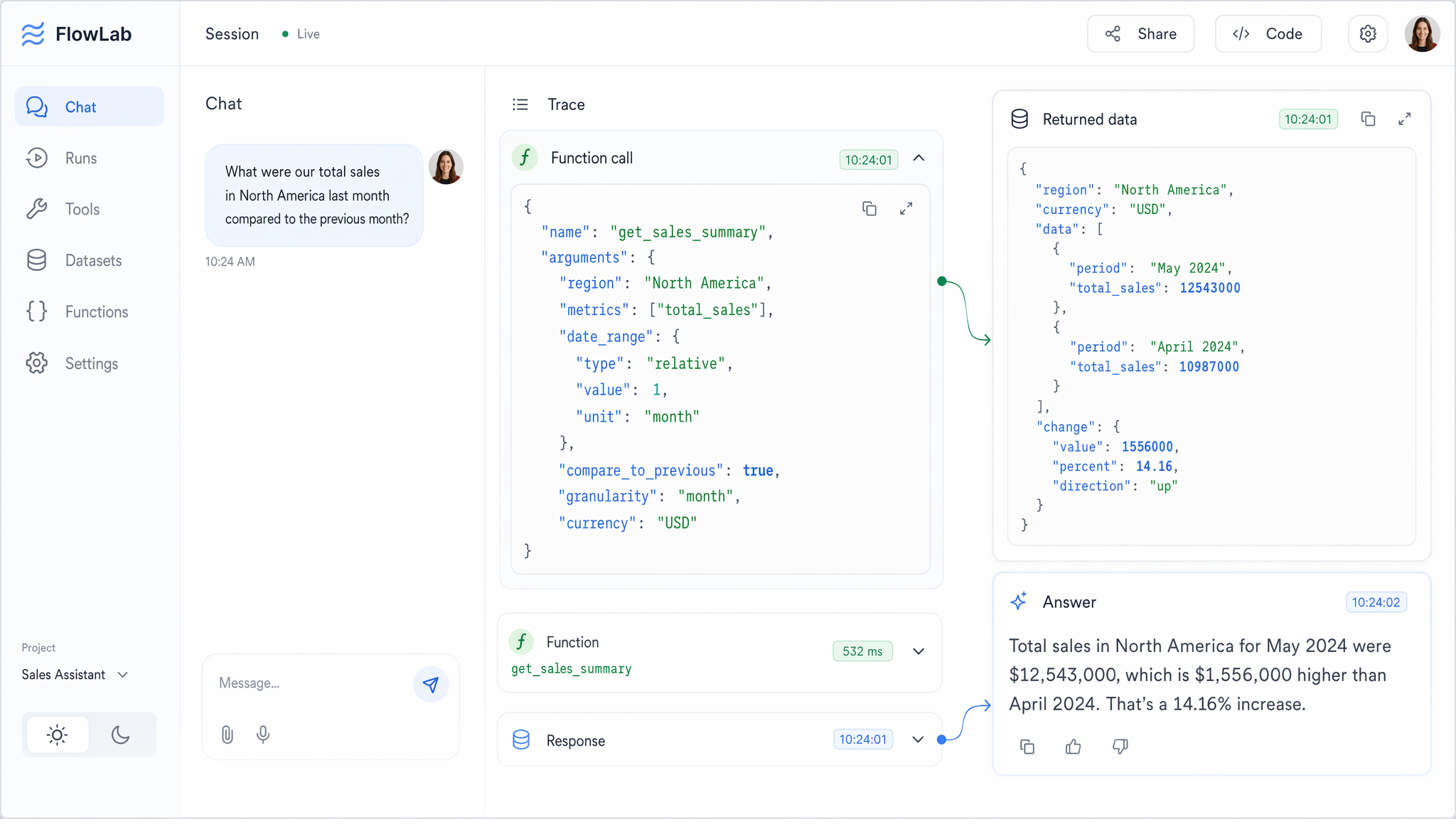
Function calling により、Qwen models は構造化されたツール呼び出しを出力でき、それを自社の APIs、databases、MCP servers にそのまま接続できます。モデルは関数を呼び出すタイミングを判断し、引数を整形したうえで、その結果を回答に組み込みます。OpenAI-compatible endpoint と組み合わせることで、既存の SDK コードを自律型エージェント、検索パイプライン、ワークフロー自動化へと発展させられます。
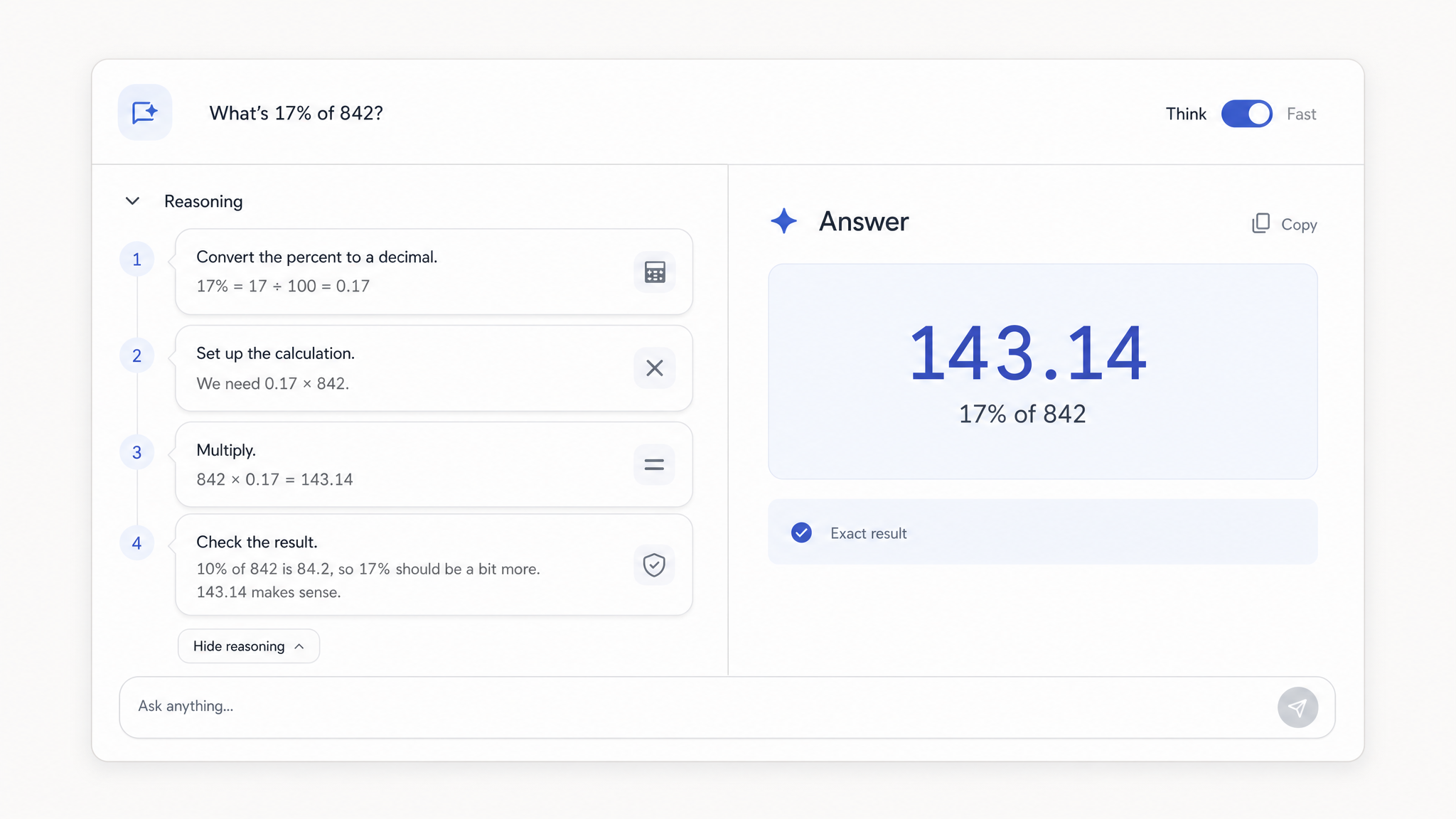
1 つのモデルを、数学・論理・コーディング向けの熟考する thinking mode と、日常会話向けの高速な non-thinking mode の間で切り替えられます。Qwen3.6 35B A3B やフラッグシップの Qwen3.7 Max などの reasoning models は、この深い推論能力を 1 つの endpoint から提供します。タスクに段階的な演繹が必要なときは thinking を有効にし、レイテンシが重要なときは無効にできます。モデルやキーを切り替える必要はありません。
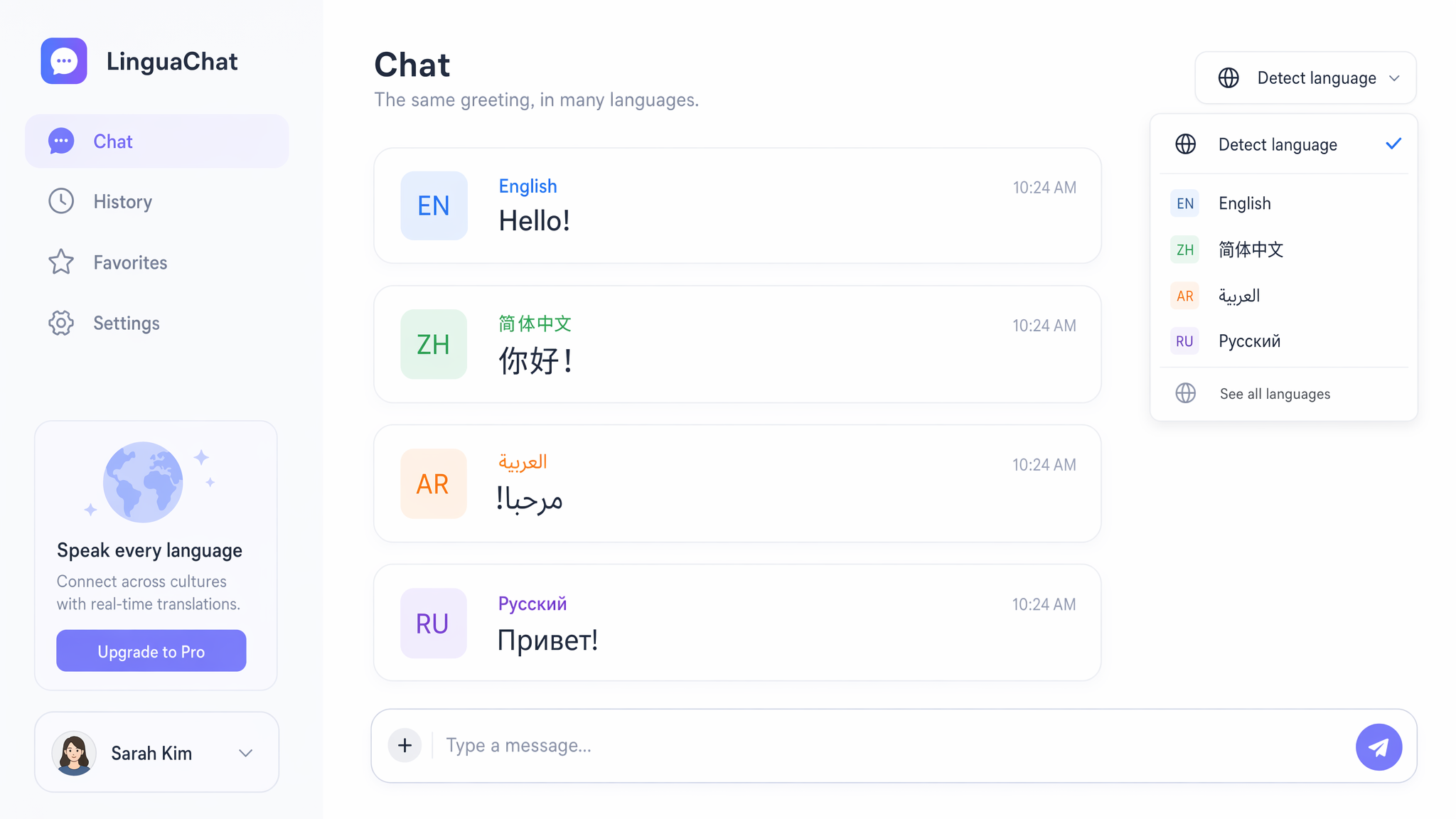
119 languages and dialects でトレーニングされた Qwen は、多言語の指示追従と翻訳を、中国語と英語の双方で同じように流暢に処理します。1 つのプロンプトで、別の翻訳サービスを使わずに言語間を行き来できます。グローバル向けに展開するチームは、ローカライズされたチャット、クロスリンガル検索、各ターゲット市場で自然に読めるコピーのために Qwen を活用しています。

低レイテンシの Qwen3.5 Flash からフラッグシップの Qwen3.7 Max まで、ファミリー全体を 1 つの OpenAI-compatible なキーで利用できます。397B A17B や 235B A22B などの効率的な mixture-of-experts 設計では、token ごとにパラメータの一部だけを有効化し、すべての tier で同じリクエスト形式を共有します。統合コードを 1 行も書き換えずに、単純な呼び出しは Flash へ、難しい推論は Max へルーティングできます。
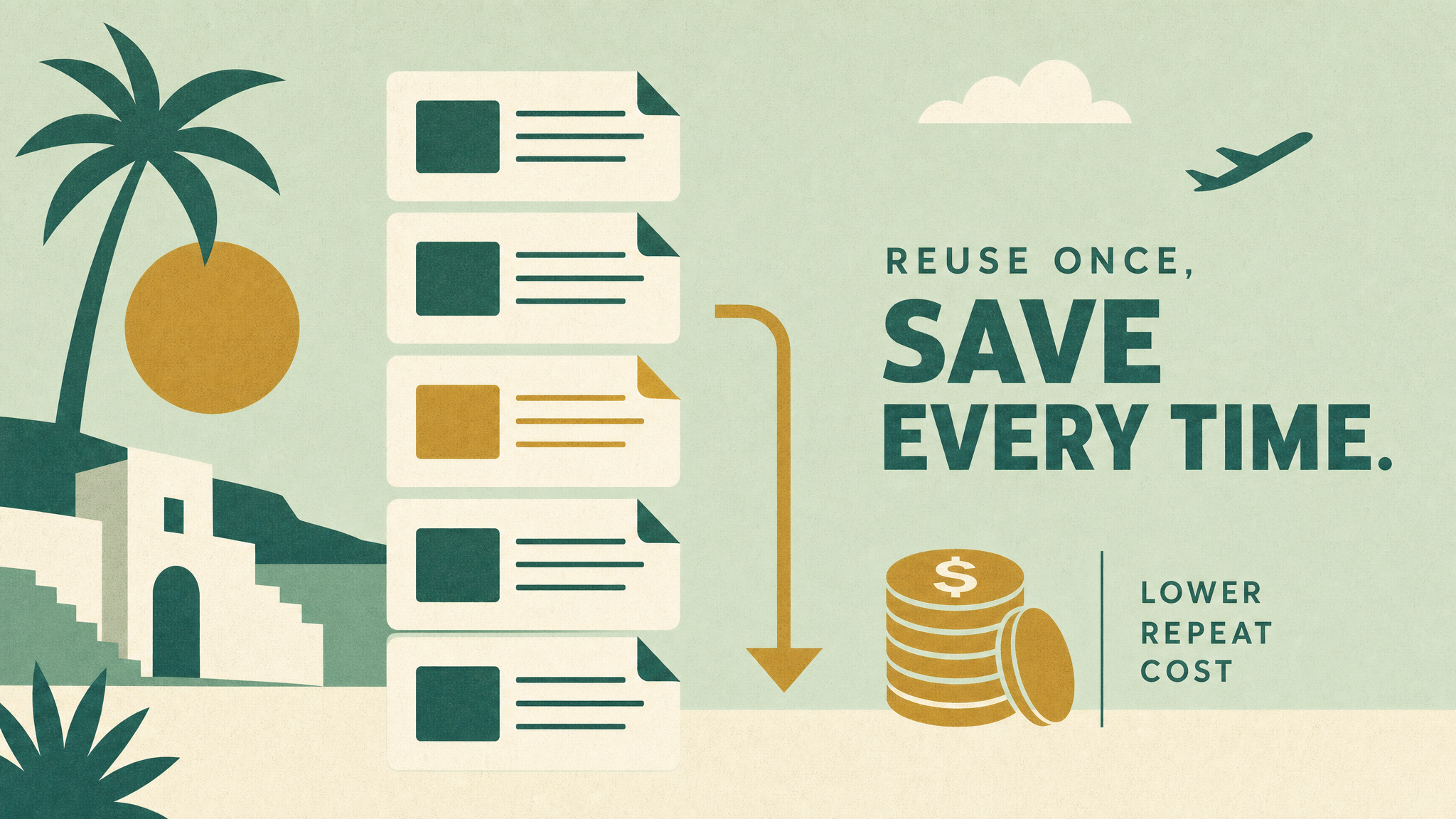
繰り返し使われるコンテキストは、標準の入力価格を大きく下回るキャッシュ済みレートで課金されるため、system prompts や共有ドキュメントはフォローアップ呼び出しのたびに安くなります。料金は pay-as-you-go で透明性が高く、token あたりの公開単価があり、サブスクリプションは不要です。高トラフィックのアシスタント、RAG stacks、長い会話では、同じ prefix が何度も送信されるため、特に大きな効果が得られます。
Hand one identical brief to the Qwen API and to rival engines, then watch each model turn the very same instruction into a working single file web page you can open and click right away.
Build a complete, single-file, self-contained HTML page (all CSS and JavaScript inlined in one .html file) that renders an interactive "Late-Night French Patisserie Window" — a boutique dessert display case, still glowing with warm light after closing hours. Absolute constraint: NO external resources of any kind — no CDNs, no linked stylesheets or scripts, no web fonts, no `<img>` tags, no SVG files, no base64 photos, no emoji as art. Every visual must be constructed purely from HTML elements styled with CSS: layered linear/radial/conic gradients, stacked and inset box-shadows, border-radius, blur/backdrop-filter, transforms, and canvas or DOM-drawn shapes only. This is a test of rendering faux-realistic material and light with vector CSS alone. The scene: a front-on, eye-level view into a glass patisserie window, shelves arranged in a calm rule-of-thirds composition. On the shelf sits a row of at least four distinct, meticulously crafted desserts, each built entirely from gradients and shadows: (1) a glossy chocolate-cocoa mousse dome with a mirror-glaze finish that shows a soft specular highlight and reflected light; (2) a mille-feuille with many crisp, visibly separated puff-pastry layers; (3) a tiered macaron tower with sugar-frosted, slightly matte shells; (4) a lemon tart on a slowly rotating turntable plate. Model believable depth: warm golden spotlight from above (the window's display lamp) contrasted against a cool blue ambient night, with cast shadows, rim light on edges, and gentle glossy reflections. A subtle glass layer floats in front of everything — faint reflections, streaks, and a scatter of condensation droplets — and there is a soft reflection of each dessert on the shelf surface below it. Interactions (all smooth, spring-like CSS/JS transitions): - HOVER a dessert: it lifts gently, its spotlight and shadow intensify, and a cross-section "cutaway" animation reveals its internal structure — the layered cream, ganache, curd, and biscuit/pastry base drawn as stacked gradient bands with a label. - CLICK a dessert to enter a "Customize" mode: an elegant panel appears with sliders and toggles that let the user add and adjust decorative elements in real time — sprinkled sugar pearls (density slider), drizzled pulled caramel (amount + strand thickness), and a mirror-glaze/glossy pectin coat (glossiness slider), plus an accent-berry-red drizzle. The dessert must repaint live as values change, with the highlight/gloss responding to the glossiness value. Provide a "Reset" and an "Exit" control. Persist each dessert's customization while switching between them. - Optional ambient touches: a faint animated flicker on the warm lamp, drifting condensation, and the lemon tart's turntable rotating on a loop. Visual style: refined, cozy, seductive late-night mood; palette of caramel brown, cream white, and berry red, accented with mint green, over a deep cool-blue night background. Typography should feel like a chic patisserie — set headings and dessert names in an elegant CSS-only serif stack with generous letter-spacing; keep the layout tidy, ordered, and responsive so it looks good from mobile to widescreen. Prioritize tasteful micro-animations, layered depth, and material realism over clutter. Include everything needed to open the file directly in a browser and immediately interact with it. Output only the full HTML document, nothing else.
Generated with Qwen3.7 Max on Atlas Cloud
Generated with Grok 4.5 on Atlas Cloud
Generated with Qwen3.5 397BA17B on Atlas Cloud
Create a single self-contained HTML file (all CSS and JavaScript inline, absolutely no external libraries, CDNs, images, fonts, or network requests) that renders a real-time, playable whitewater kayaking game called "Rapid Run" entirely on a single HTML5 Canvas element that fills the browser window and stays responsive on resize. The view is a third-person top-down camera with slight forward perspective, looking down a procedurally generated alpine mountain stream that scrolls continuously from top to bottom and never repeats: seed the level with a noise/pseudo-random generator so each run carves a different braided channel with narrowing chutes, midstream boulders, swirling whirlpools, small waterfall drops, and churning white-foam wave trains. The player pilots a single crimson-and-amber kayak that holds near the lower third of the screen while the river rushes past; steer with Left/Right arrow keys (or A/D) to edge and carve, and let the mouse act as a paddle — the kayak leans and pulls toward the horizontal mouse position, with a click or held button to plant a hard paddle stroke that snaps the boat onto a tighter line. Simulate the water as a live flow field driven by layered scrolling noise: the current pushes the kayak downstream and sideways, faster in the tongues and slower in eddies, so the player must read the water and fight for the racing line. Emit a rich GPU-friendly particle system — a fan of spray bursting off the bow when it slaps a wave, a trailing turbulence wake churning off the stern, foam sheets exploding on impacts, and rings rippling out of whirlpools. Hitting a rock spins the boat out with a jarring wobble, momentary loss of control, and a shudder of the camera. Render in a crisp flat-illustration style fused with light fluid realism: the water surface shows animated ripples and refractive highlight glints from the flow field, noon high-plateau top light, cool white speculars on the spray, and deep pools graded from turquoise green into inky teal. Color palette is glacier cyan-blue dominant, with the kayak's vermilion-orange-yellow as the punchy accent, banks dressed in grey stone and pine green. Include an on-screen HUD: distance traveled, current speed, a stability/health meter that drains on rock hits, and a live score; show a start screen with brief controls, a game-over screen when stability is depleted with a Restart option, and gradually ramp difficulty (faster current, denser hazards) the farther you descend. Target a smooth 60fps game loop using requestAnimationFrame with delta-time physics, all tuned for a genuinely tense, satisfying feel where nailing a clean line through a foaming chute feels earned.
Generated with Qwen3.7 Max on Atlas Cloud
Generated with Grok 4.5 on Atlas Cloud
Generated with Qwen3.7 Max on Atlas Cloud
Atlas Cloud上で、コンテキスト長、出力上限、対応入力タイプ、透明性の高いコール単位の料金において、Qwen APIが他の主力テキストモデルと比べてどう位置づけられるかをご覧ください。
| モデル | コンテキストウィンドウ | 最大出力トークン数 | 入力タイプ | 入力料金($/1M) | 出力料金($/1M) |
|---|---|---|---|---|---|
| Qwen3.7 Max | 1M | 67,072 | テキスト | $2.50 | $7.50 |
| Qwen3.7 Plus | 1M | 67,072 | テキスト | $0.40 (≤256K) / $1.20 (>256K) | $1.60 / $4.80 |
| Qwen3.6 35B A3B | 256K | 65,536 | テキスト、画像、動画 | $0.248 | $1.485 |
| Qwen3.5 Flash | 1M | 67,072 | テキスト | $0.10 | $0.40 |
| DeepSeek V4 Pro | 1M | 393,216 | テキスト | $1.74 | $3.45 |
| Grok 4.5 | 500K | 500,000 | テキスト | $2.00 | $6.00 |
| GLM 5.2 | 1M | 131,072 | テキスト | $1.40 | $4.40 |
数分で始められます — 以下の簡単なステップに従って、Atlas Cloud プラットフォームでモデルを統合・デプロイしましょう。
atlascloud.ai でサインアップし、認証を完了します。新規ユーザーには無料クレジットが付与され、プラットフォームの探索やモデルのテストに使用できます。
高度なQwenモデルとAtlas CloudのGPU加速プラットフォームを組み合わせることで、比類のないパフォーマンス、スケーラビリティ、開発者エクスペリエンスを提供。
低レイテンシ:
リアルタイム推論のためのGPU最適化推論。
統合API:
1つの統合でQwen、GPT、Gemini、DeepSeekを実行。
透明な料金:
サーバーレスオプション付きの予測可能なtoken単位の課金。
開発者エクスペリエンス:
SDK、分析、ファインチューニングツール、テンプレート。
信頼性:
99.99%の稼働率、RBAC、コンプライアンス対応ロギング。
セキュリティとコンプライアンス:
SOC 2 Type II、HIPAA準拠、米国内のデータ主権。
Qwen API は、テキスト生成、推論、コーディング、多言語タスク向けに、Alibaba Cloud の大規模言語モデルファミリー Qwen へプログラムからアクセスできる API です。Atlas Cloud では、OpenAI 互換の単一エンドポイントから全ラインアップを利用できるため、1 つのキーであらゆる Qwen モデルを扱えます。
Atlas Cloud では、高速かつ低コストな Qwen3.5 Flash から、汎用性の高い Plus ティア、さらに高度な推論とコーディング向けに設計されたフラッグシップの Qwen3.7 Max まで、幅広いラインアップを提供しています。Qwen3.6 35B A3B のような推論特化モデルや、Qwen3.5 397B A17B のような大規模 mixture-of-experts バリアントも、より重いワークロード向けに利用できます。
使い始めるまでの手順は簡単です。Atlas Cloud アカウントを作成し、API キーを生成して、既存の OpenAI 互換クライアントの接続先を Atlas エンドポイントに向けるだけです。料金は従量課金制で、呼び出しごとの料金が明確に示されています。また Day-0 access により、新しい Qwen リリースも公開と同時に利用できます。今すぐ開発を始めましょう。
はい。Atlas Cloud の Qwen API は OpenAI chat completions 形式に準拠しているため、ほとんどの SDK は base URL とキーを差し替えるだけで動作します。既存のツール環境をそのまま使いながら、統合を書き直すことなく任意の Qwen モデルを呼び出せます。
Atlas Cloud の Qwen モデルは、サブスクリプション不要の明確な従量課金制で、トークン単位で課金されます。料金は Qwen3.5 Flash の入力 100 万トークンあたり $0.1、出力 100 万トークンあたり $0.4 から始まり、フラッグシップの Qwen3.7 Max では 100 万トークンあたり $2.5 および $7.5 まで上がります。ワークロードごとにコストを最適化できます。
Qwen3.7 Max などのフラッグシップモデルは、最大 100 万トークンのコンテキストウィンドウを提供し、長大なドキュメント、大規模なコードベース、長期間の会話履歴に適しています。また、Qwen3-VL のようなテキストおよび vision-language バリアントも揃っているため、単純なプロンプトを超えるタスクにも選択肢があります。
通常のチャットに加えて、Qwen モデルは標準 API パラメータを通じて、ストリーミング応答、function calling、構造化されたツール利用をサポートしています。Qwen3.7 Max や Qwen3.6 35B A3B などの推論専用モデルでは、数学、コーディング、複雑なエージェント型タスクに向けた段階的な問題解決能力が追加されています。
選択のポイントは、速度、コスト、性能のバランスです。低レイテンシと大規模な処理量が重要な場合は Qwen3.5 Flash、日常的なアシスタントや生産性向上ワークフローには Plus ティア、最強クラスの推論とコーディングが求められるタスクには Qwen3.7 Max が適しています。すべてのモデルが同じエンドポイントを共有しているため、モデルの切り替えは 1 つのパラメータ変更だけで完了します。
Seedance 2.5 APIがAtlas Cloudで利用可能になりました!これにより、開発者はByteDanceの最新の動画モデルを利用できます。テキスト、単一の画像、または最大50のマルチモーダルな参照から、同期されたオーディオとフレーム内の多言語テキストを含む最大30秒のネイティブ動画をシングルパスで生成します。Atlas Cloudでは1つのキーでアクセスでき、被写体の一貫性と改善された物理演算により、ロングショットの整合性が保たれます。

Wan 3.0 APIは、AlibabaのWanビデオファミリーの次世代モデルであり、長尺動画生成、マルチリファレンス制御、およびオーディオビジュアル品質を新たな高みへと押し上げるために構築されました。Atlas CloudはすでにWan 2.7、2.6、2.5をホストしており、Wan 3.0は追加のセットアップなしで同じ統合キーで実行されます。今日から開発を始めましょう。Wan 3.0で何を作成できるかを確認するには、下のショーケースまでスクロールしてください。
MiniMax H3は、テキスト、画像、リファレンスによる生成に対応したMiniMaxのマルチモーダル動画ファミリーです。対応するルート全体で参照メディアの被写体を保持し、柔軟なアスペクト比を提供します。また、H3 Developerを通じて生成音声と映像を組み合わせ、出力プロファイルはエンドポイントごとに選択されます。Atlas Cloudは、1つのOpenAI互換キーのもとでこのファミリーを統合し、標準料金である1秒あたり$0.038からの明瞭な従量課金制を提供します。今すぐ開発を始めましょう。
OpenAIのgpt-image-2.5ファミリーでは、本番の画像ワークフロー向けにFlareとSunburstを選択できます。最大3840x2160までの任意の解像度でレンダリングし、xhighやmaxを含む5段階の品質ティアから、具体的な出力要件に合ったものを選択できます。Atlas Cloudでは、コールドスタートなしですぐに使えるREST推論を、生成1回あたり$0.004からの標準料金で提供しています。今すぐ開発を始めましょう。
Seedream 5.0 Pro API は、開発者に Atlas Cloud 上で ByteDance の制御可能な画像編集モデルを提供します。アンカーと座標を使用して編集を正確に配置し、画像を編集可能なレイヤーに分離し、複数の参照を融合し、正確な色と素材を一致させ、2K および 3K での多言語テキストをサポートします。Atlas Cloud では、単一のキーでアクセスできます!
Seedance 2.0は、正確なショット作成に対応したByteDanceの本番向け動画モデルです。プロンプトから動画を生成したり、オプションの最終フレームガイダンスを使って先頭フレームの画像をアニメーション化したり、参照メディアとオプションのウェブ検索で結果を形作ったりできます。Atlas Cloudは、これらのワークフローを透明性の高い従量課金と1つのOpenAI互換キーで、統合されたAPIにまとめます。今すぐ開発を始めましょう。
Kling 3.0 APIは、OpenAI互換の1つのキーを通じて、Kuaishouの旗艦ビデオスイートをAtlas Cloudにもたらします。これには2つのモデルが含まれます。AI Directorによるストーリーテリング、多言語のリップシンク、正確なオンスクリーンテキスト用のKling 3.0と、短い動画や画像からの被写体および音声クローニング用のKling 3.0 Omni(O3)です。どちらも同じパスでネイティブオーディオを生成し、最大4Kの出力に対応しています。信頼性の高いインフラストラクチャ上で、映画のような物語、グローバルマーケティング、多言語広告、連続したキャラクターコンテンツを構築します。
Grok Imagine Video は、開発者が xAI の動画ファミリーにアクセスし、クリップの作成、アニメーション化、拡張、編集を行えるようにします。プロンプトから 1~15 秒の動画を生成し、最大 7 枚の参照画像を使って人物、オブジェクト、スタイルを指定できます。また、480p または 720p で利用できます。Atlas Cloud は、透明性の高い従量課金制の料金体系と OpenAI 互換エンドポイントを通じて、これらの機能を一つにまとめます。今すぐ開発を始めましょう。
Vidu Q4は、画像から動画およびリファレンスから動画を生成するために設計された、Viduの最新フラッグシップ動画モデルです。1枚の静止画をアニメーション化し、シーン間のトランジションを自動で作成できるため、さまざまなプロダクトワークフローに対応する2つの入力パスを開発者に提供します。Atlas Cloudでは、公開済みのパラメータスキーマを備えた専用APIエンドポイントを、確認済みの標準価格である1秒あたり$0.04で利用できます。今すぐ開発を始めましょう。
Gemini Omni 1.1 Flashは、柔軟な制作ワークフローに対応するGoogle DeepMindのネイティブマルチモーダル動画ファミリーです。テキスト指示で既存の映像を編集したり、最大10枚の参照画像と3本の動画クリップでビジュアルの一貫性を維持したり、ショットを連結可能なセグメントとして拡張して最大40秒の映像を作成したりできます。OpenAI互換APIキー1つで、Atlas Cloud上のすべてのワークフローにアクセスできます。従量課金制で、Day-0から利用可能です。今すぐ開発を始めましょう。
Nano Banana 2.1は、Gemini 3.6 Flashを基盤にGoogleが構築した画像モデルファミリーです。Flashレベルの速度でProレベルの生成・編集を実現し、1〜14枚の入力画像をまたいだ自然言語による編集や合成に対応しています。また、最大4人のキャラクターと10個のオブジェクトの一貫性を維持できます。Atlas Cloudを通じて、開発者は1つのOpenAI互換キーでこのモデルファミリーにアクセスでき、安定した稼働率とDay-0での利用開始が可能です。今すぐ開発を始めましょう。
Google の Gemini 3.1 Flash Image モデルを搭載した Nano Banana 2 API で構築しましょう。生成と編集の両方で最大14枚の参照画像にわたり、正確なテキストレンダリングと一貫したキャラクターを維持しながら、最大 4096x2304 のネイティブ 4K ビジュアルを生成します。Atlas Cloud では、300以上のモデルとともに1つの統合 API を通じてアクセスでき、料金は画像1枚あたり0.04ドルから、99.99%の稼働率、そして開始用の無料クレジットが提供されます。
Atlas Cloud を最大限に活用するためのガイド、チュートリアル、製品アップデート。



