Qwen Image 2.0 Native 2K
Qwen Image 2.0 is the next generation image model from the Qwen team at Alibaba Cloud. Built for text and image inputs, it delivers native 2K output, stronger semantic adherence, realistic detail, and precise instruction following across creation and revision workflows. Atlas Cloud provides ready to use REST endpoints for both modes with no cold starts and a standard price of $0.035 per image. Start building today.
Qwen Image 2.0 is developed by Alibaba. Atlas Cloud (operated by Atlas Cloud AI LLC) provides access to it and does not own it. All trademarks belong to their respective owners.
Explore the Leading Qwen Image 2.0
Atlas Cloud provides you with the latest industry-leading creative models.


Qwen Image 2.0 Generation and Editing Modes
Compare two Qwen Image 2.0 endpoints for creating and refining images at resolutions up to 2K.
| Modality | Description |
|---|---|
| Qwen Image 2.0 Text to Image API | Turn text prompts into images at resolutions up to 2K with enhanced prompt understanding and image quality. Use this endpoint for concept art, product imagery, marketing assets, and other prompt based visual workflows. |
| Qwen Image 2.0 Edit API | Designed for image editing, this endpoint applies written instructions to existing visuals and produces results at resolutions up to 2K. It suits asset refinement, creative variations, targeted visual changes, and iterative production workflows. |
Qwen Image 2.0: From Prompt to Precise Finish
Qwen Image 2.0 combines output up to 2K, stronger prompt understanding, bilingual text rendering, reference guided editing, reproducible seeds, and Atlas Cloud REST access with transparent pay as you go pricing.
Qwen Image 2.0 2K Detail
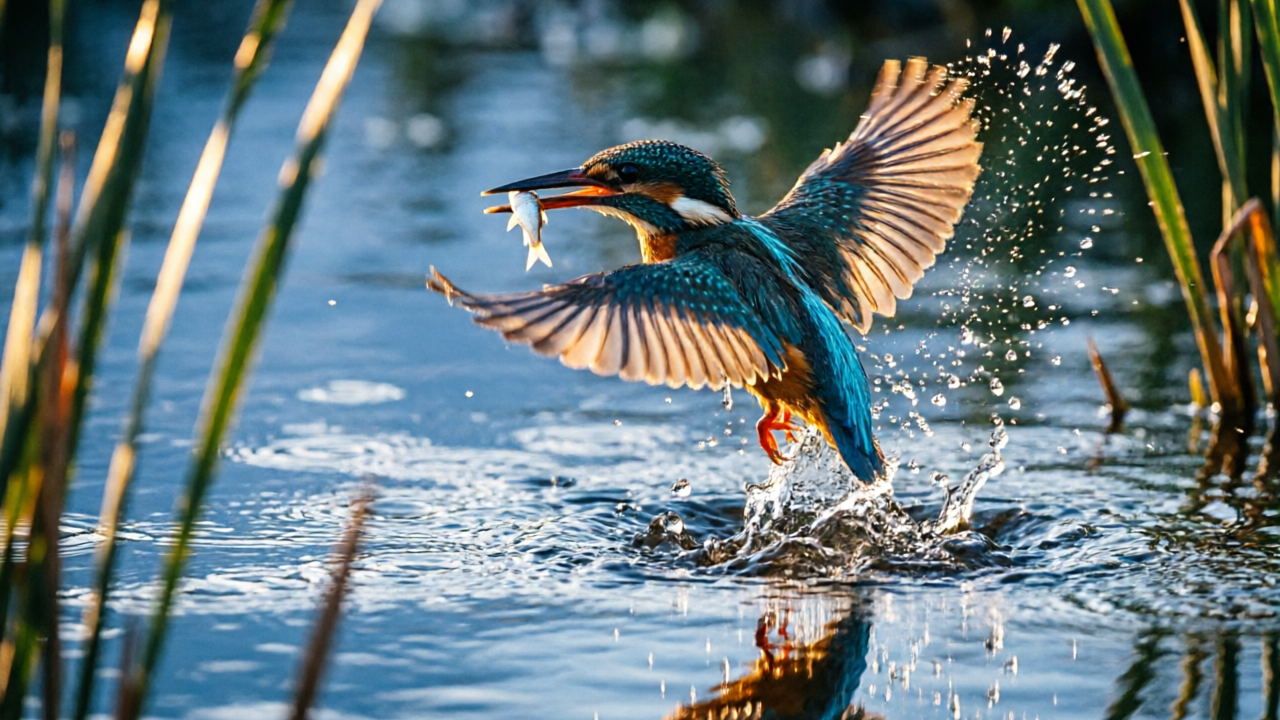
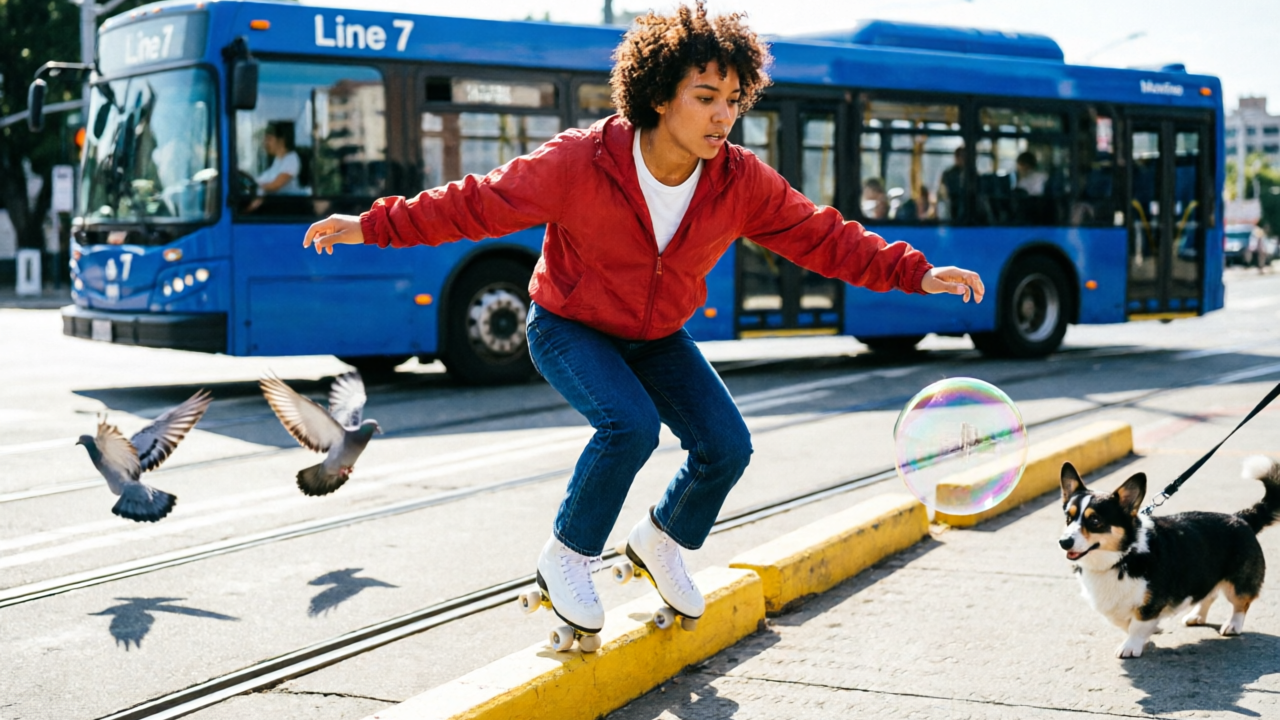
Qwen Image 2.0 renders images at sizes from 512 to 2048 pixels per dimension, with output up to 2K. Its enhanced image quality preserves fine surfaces, layered scenery, and small visual accents across the frame. Choose the dimensions that match your delivery format. This makes the model a strong fit for product visuals, editorial photography, and detailed concept art.
Qwen Image 2.0 Prompt Control
Structured briefs stay manageable with prompts of up to 800 characters in English or Chinese. Describe the subject, lighting, composition, materials, and action in one instruction, then use a fixed seed when you need reproducible iterations. Improved prompt understanding helps preserve relationships among multiple requested elements. Complex concepts become more predictable for campaigns, architectural scenes, and directed creative workflows.
Bilingual Typography
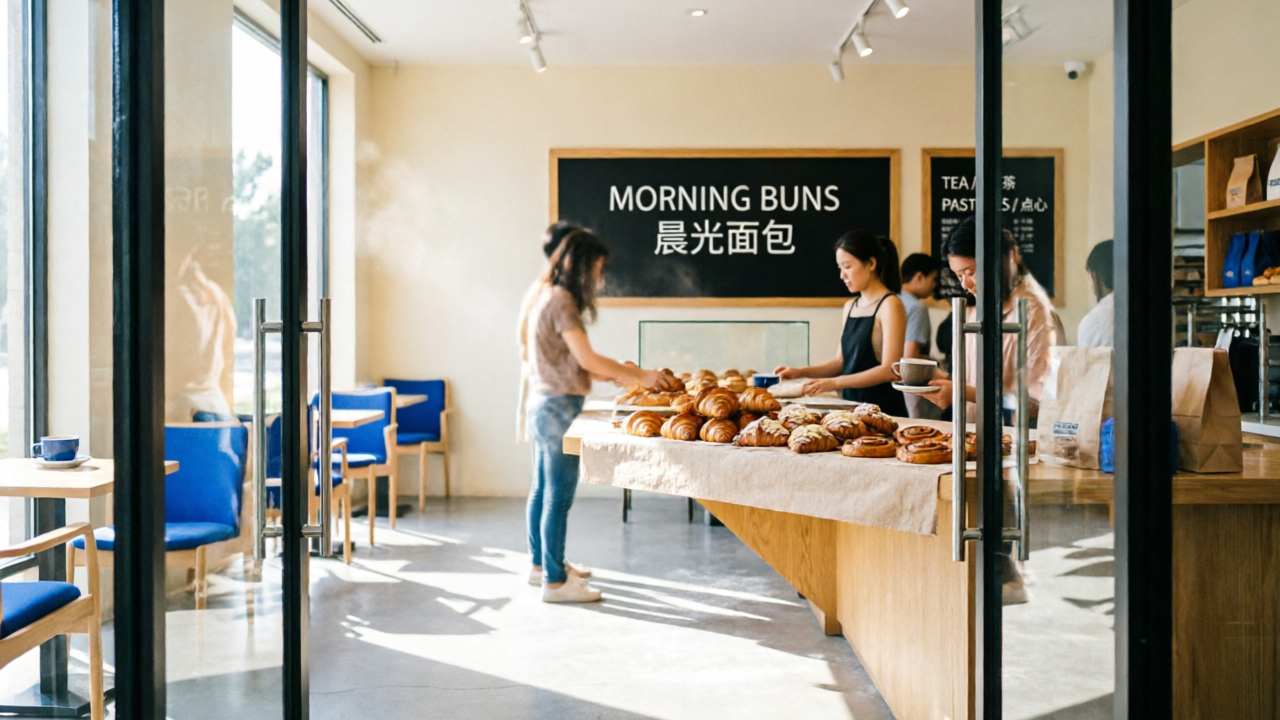
Readable English and Chinese text can appear inside dense, carefully composed visuals. The model pairs multilingual rendering with reliable composition, helping labels, signs, headlines, and supporting graphics stay aligned with the surrounding scene. Bilingual direction can remain part of the image rather than a separate overlay. Use it for wide promotional graphics, presentation visuals, menus, and information rich artwork that would otherwise require extensive manual cleanup.
Reference Guided Editing
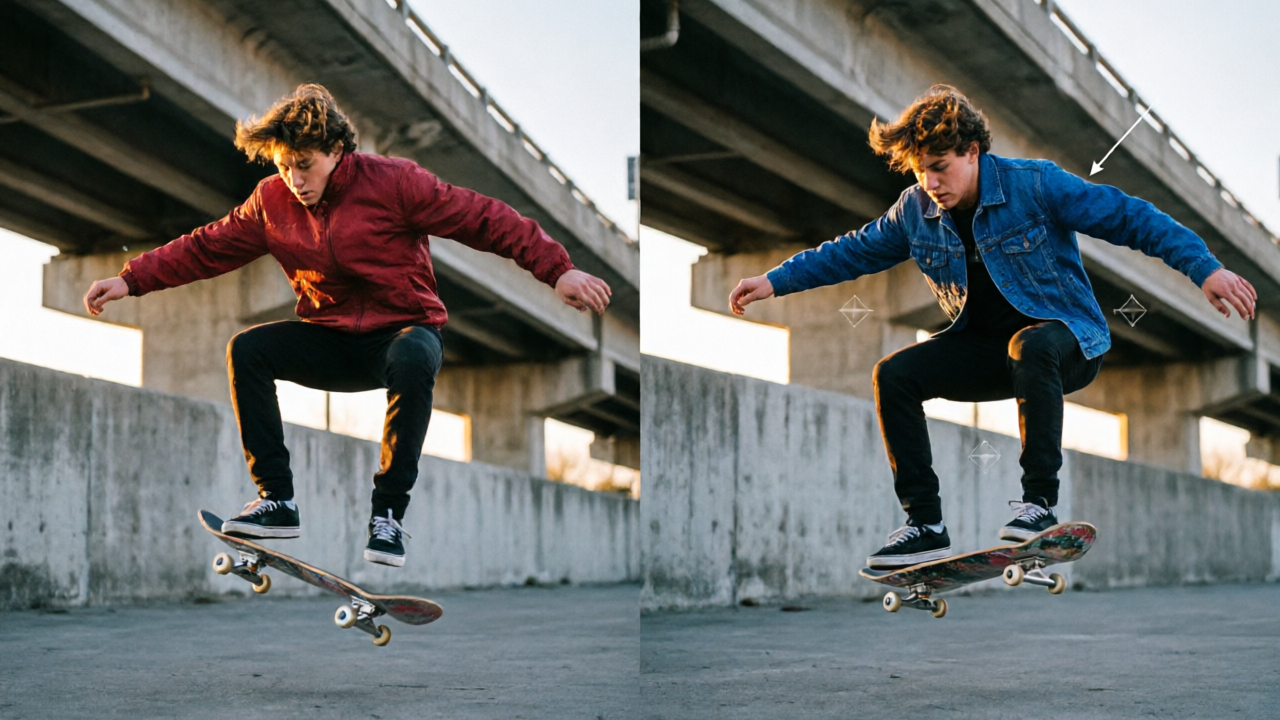
Start with one to three reference images, then describe the desired edit in natural language. The edit endpoint accepts instructions of up to 800 characters and can return images up to 2K while using a seed for repeatable runs. This controlled workflow suits product revisions, visual restyling, and iterative creative development without rebuilding the source composition from scratch.
Repeatable Canvas Control
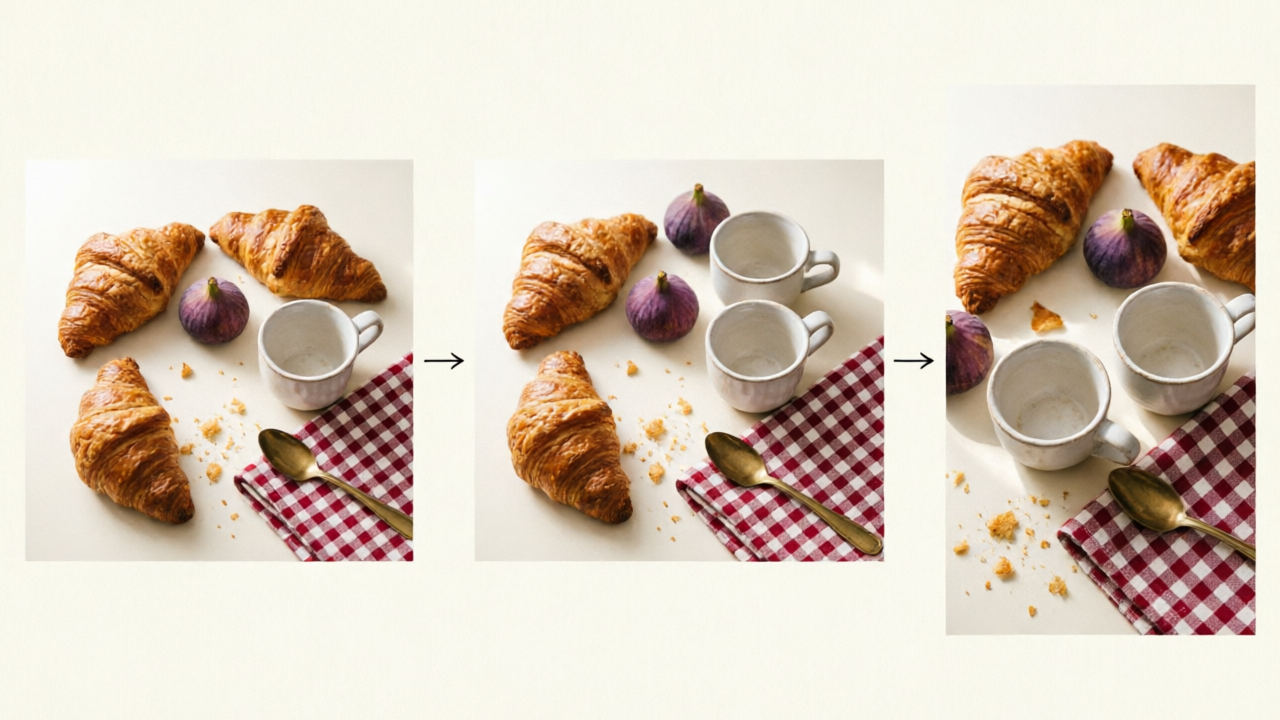
Output dimensions can range from 512 to 2048 pixels per side, and seeds accept values from 0 to 2147483647. A random seed remains available with the default value of negative one. Match the canvas to square, landscape, or portrait needs while preserving a repeatable starting point. These controls simplify systematic testing and consistent asset production across multiple placements.
Qwen Image 2.0 REST Access
Atlas Cloud exposes text to image generation and image editing through REST endpoints at the standard price of $0.035 per image. Ready to use inference, no cold starts, and Day 0 access remove model hosting work, while one unified API keeps integration consistent across the family. The setup supports prototypes, production tools, and scalable image pipelines with transparent pay as you go billing.
Qwen Image 2.0: One Prompt Across Three Image Models
See how Qwen Image 2.0 and two comparable image models interpret identical prompts across precise graphic design and fast moving documentary photography.
A cinematic “tabletop disaster movie behind-the-scenes” captured at the decisive instant: a young model maker’s realistic hand reaches into frame to steady a miniature lighthouse knocked sideways by a sudden towering wave erupting from a cream-white teacup, while several tiny film-crew figures flee in panic carrying a navy-blue camera, tripod, cables, and lighting equipment; one sharply legible miniature clapperboard reads exactly “THE LAST TEACUP” and “TAKE 07” in clean, correctly spelled lettering. Handmade stop-motion animation tactility blended with photorealistic macro photography, emphasizing the humorous collision of human and miniature scales. Low camera position grazing the tabletop; tangled electrical cables and glistening water trails form strong leading lines toward the tilted lighthouse and teacup; an out-of-focus metal screw partially obscures the extreme foreground for layered depth and scale confusion. Hard directional noon sunlight cuts through venetian blinds, casting crisp striped shadows across the set, with sparkling suspended droplets and subtle motion blur on the escaping crew. Strict limited palette of cream white, navy blue, and safety orange. Highly convincing old wood grain, soaked and buckled paper pulp, chipped miniature paint, scratched metal, damp fabric, transparent water with physically accurate refraction, surface tension, splashes, and spatial relationships. Dense action around the central disaster balanced by quieter negative space near the frame edges, handcrafted imperfections, restrained fine film grain, shallow depth of field, macro lens, close focus, realistic optical falloff, premium practical-effects photography, no oily over-rendering, no HDR-like wall-to-wall detail, no plastic-looking skin, no muddy or dirty color cast, no ubiquitous glow, no cheap epic fantasy lighting, no dark underwater or space-ruin aesthetic, wide horizontal 16:9 aspect ratio, full-bleed.

Generated with Qwen Image 2.0 Text-to-image on Atlas Cloud
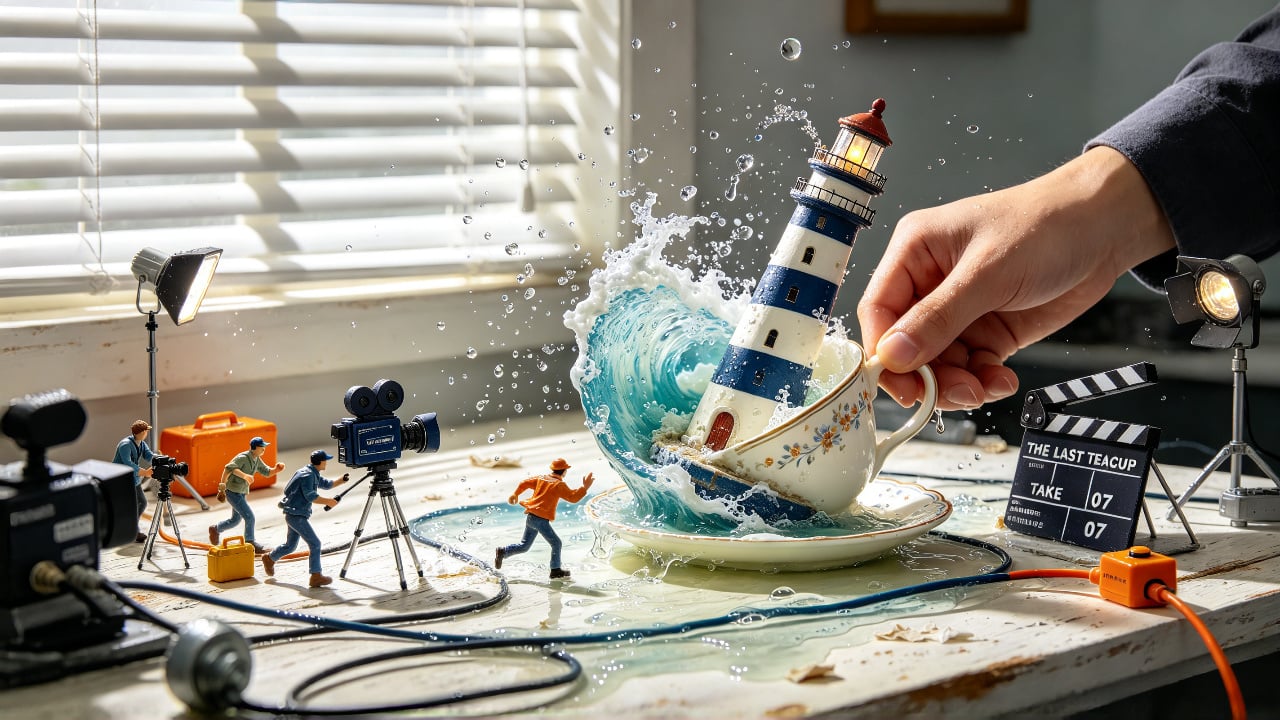
Generated with Seedream v4.7 Text-to-Image on Atlas Cloud
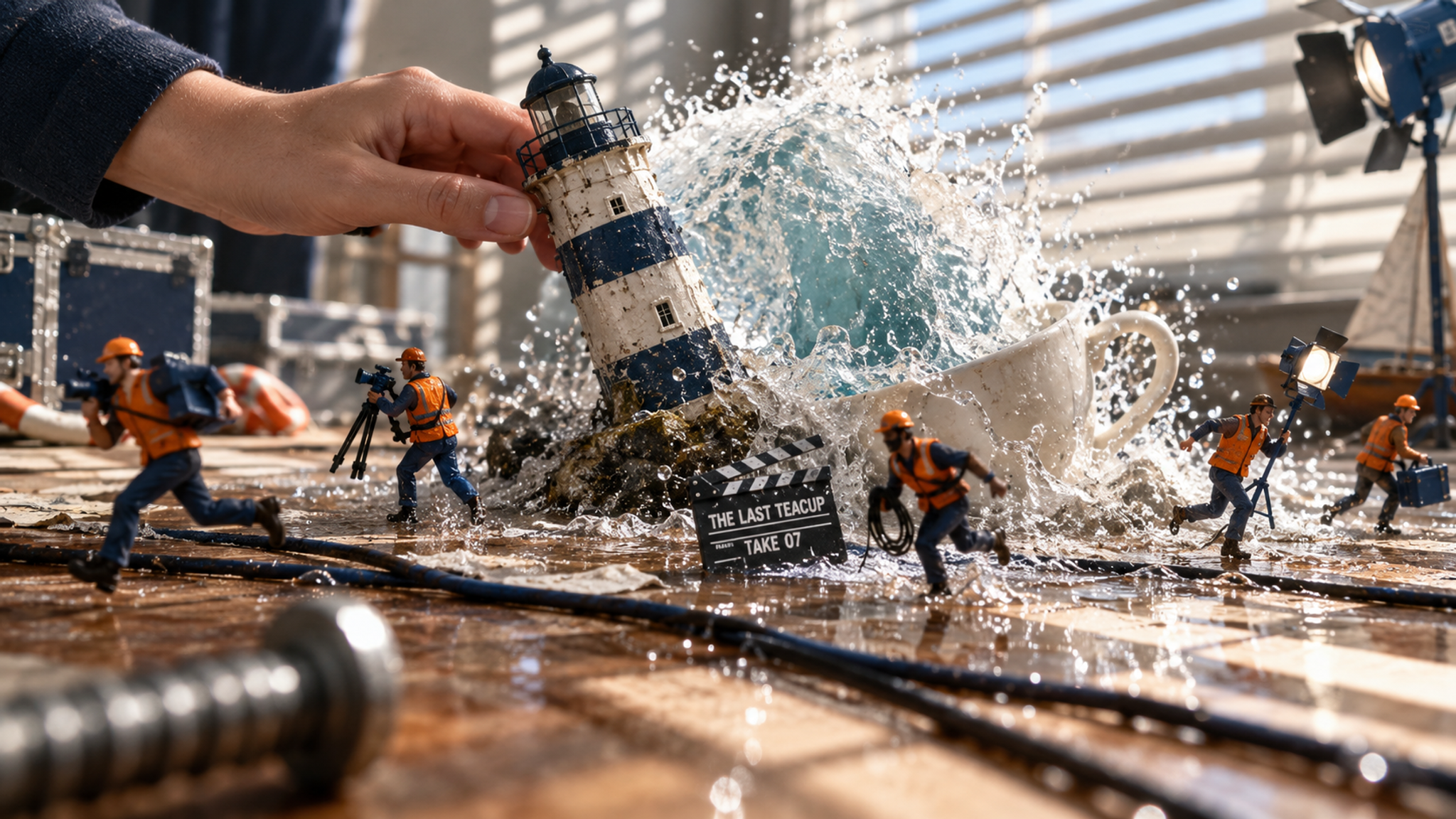
Generated with Wan-2.7 Text-to-image on Atlas Cloud
A miniature jailbreak unfolds on a figurine maker’s workbench at the exact decisive moment the creator has stepped away: a team of tiny unpainted white-clay figures has ingeniously folded a paper inspection tag—bearing the small, crisp, perfectly legible words “FINAL INSPECTION”—into a makeshift hot-air balloon; one figure has just sliced through the last tether, the paper balloon jerking upward with a hint of motion blur while its companions recoil, cheer, and gaze up in astonishment. A toppled paint jar spills a winding ultramarine river through the scene, edged with small vermilion footprints and improvised bridges. Precise miniature spatial storytelling, with every character performing a distinct action. The wooden tool rack creates a strong frame-within-a-frame; tweezers, sculpting picks, and craft knives form radial leading lines toward the rising balloon; preserve clean, uncluttered negative space in the upper right. Directional window light enters diagonally from the left, producing soft-edged elongated shadows and illuminating fingerprints pressed into raw clay, worn wood grain, folded paper fibers, scratched metal tools, and the tacky skin of half-dried paint. Strict three-color palette only: clay white, ultramarine blue, and vermilion red, with restrained natural tonal variation—no additional accent colors. Exquisite stop-motion animation blended with photorealistic macro cinematography, tactile handmade imperfections, selective shallow depth of field, softly blurred foreground tools, sharply resolved central action, subtle analog film grain, 100mm macro lens, cinematic yet intimate, sophisticated practical-effects realism, no glossy plastic surfaces, no greasy over-rendering, no HDR, no muddy colors, no pervasive glow, no cheap epic fantasy styling, no dark underwater or space-ruin atmosphere, wide horizontal 16:9 composition, full-bleed edge-to-edge frame.
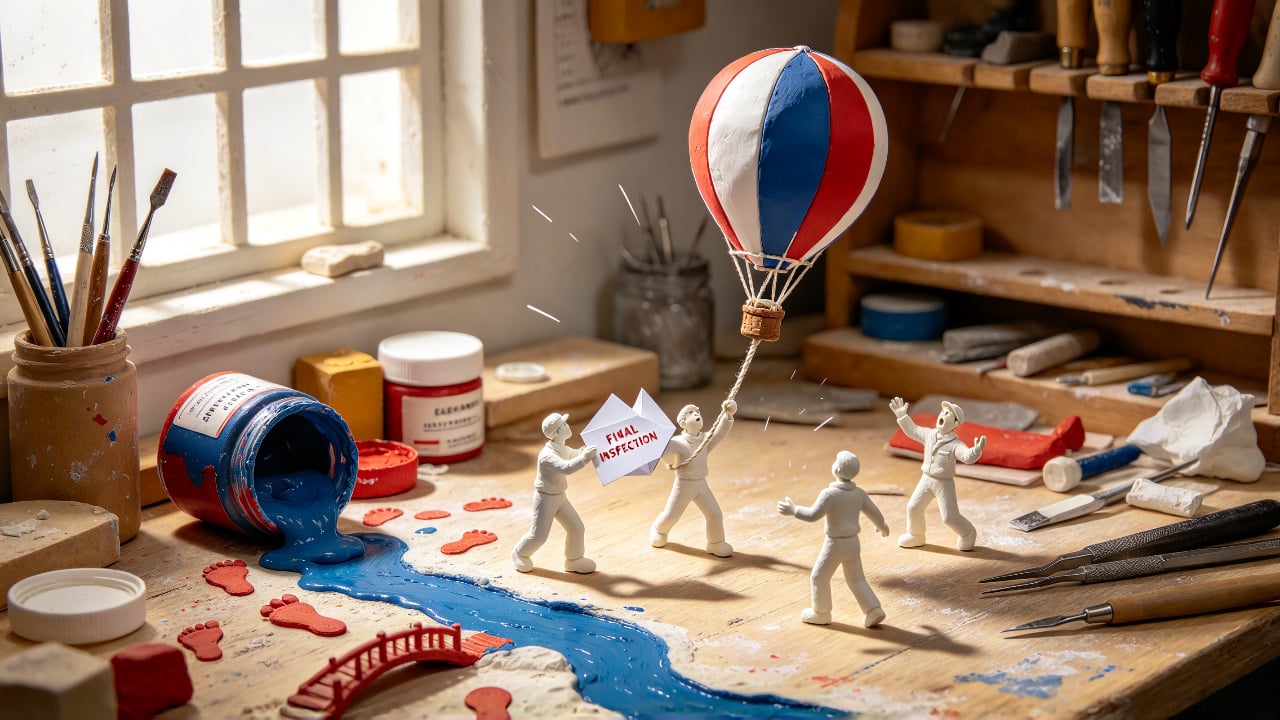
Generated with Qwen Image 2.0 Text-to-image on Atlas Cloud

Generated with Seedream v4.7 Text-to-Image on Atlas Cloud
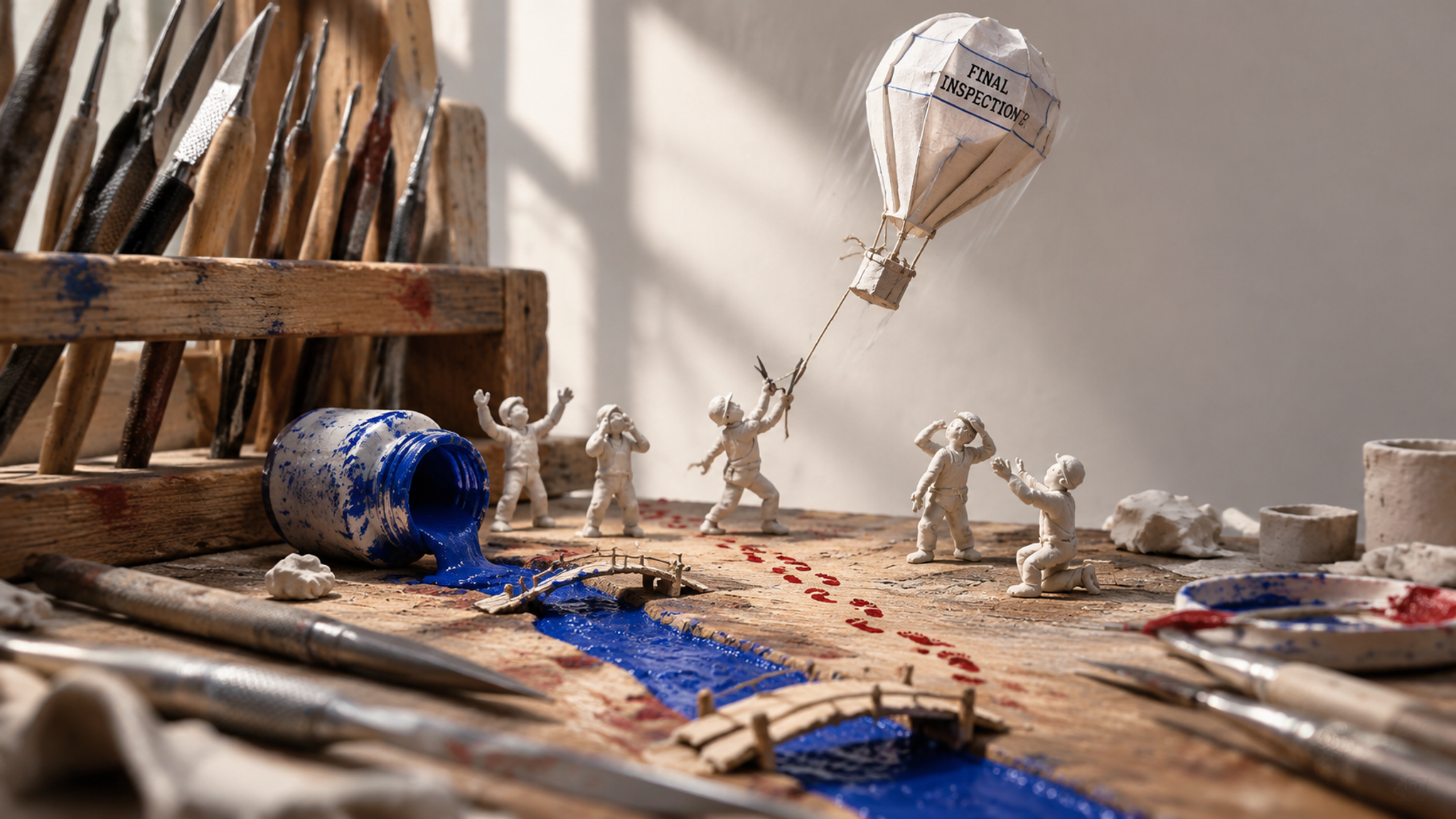
Generated with Wan-2.7 Text-to-image on Atlas Cloud
From Brief to Finished Visuals with Qwen Image 2.0
Qwen Image 2.0 turns detailed prompts and existing images into presentation graphics, campaign assets, product scenes, storyboards, localized visuals, and precise edits at resolutions up to 2K.

Qwen Image 2.0 Presentation Design
Turn detailed prompts into polished presentation visuals with structured layouts and readable in-image text. Product teams can produce concept slides, explainers, and internal pitch assets at resolutions up to 2K.

Typography for Campaign Assets
Professionally rendered typography brings clarity to posters, social graphics, and campaign concepts built from detailed prompts. Marketing teams gain adaptable visual directions for launches, promotions, and branded communications without rebuilding every composition manually.

Product Scenes with Qwen Image 2.0
When product scenes need detail, generate them from descriptive prompts at resolutions up to 2K. Retailers and creative studios can refine backgrounds, surrounding objects, or campaign context through clear editing instructions for varied placements.

Precise Image Revision
Need to change an existing visual without starting over? Give the editing endpoint clear instructions to update text, objects, poses, or styling for client feedback and iterative production workflows at scale.

Localized Posters and Guides
Text-rich posters and guides can combine visual storytelling with multilingual typography. Global content teams can shape localized travel materials, event graphics, and regional campaign concepts in a single composed image.

Qwen Image 2.0 Storyboards
Detailed prompts can map narratives into comics, calendars, or storyboard panels with structured visual composition. Creators can explore sequences, educational explainers, and campaign concepts before committing resources to full production.
Qwen Image 2.0 Against Comparable Image APIs
Compare Qwen Image 2.0 endpoints with Microsoft alternatives by task, maximum output resolution, and standard per-image pricing.
| Model | Task | Max Resolution | Standard Price |
|---|---|---|---|
| Qwen Image 2.0 Text-to-image | Text to image | 2048 × 2048 | $0.035/image |
| Qwen Image 2.0 Edit | Image editing | 2048 × 2048 | $0.035/image |
| MAI-Image-2.6-Flash Text-to-image | Text to image | 2.36 MP maximum, 1536 × 1536 equivalent | $0.044/image |
| MAI-Image-2.6-Flash Edit | Image editing | 2.36 MP maximum, 1536 × 1536 equivalent | $0.047/image |
How to Use Qwen Image 2.0 on Atlas Cloud
Get started in minutes — follow these simple steps to integrate and deploy models through Atlas Cloud's platform.
Create an Atlas Cloud Account
Sign up at atlascloud.ai and complete verification. New users receive free credits to explore the platform and test models.
Why Use Qwen Image 2.0 on Atlas Cloud
Combining the advanced Qwen Image 2.0 models with Atlas Cloud's GPU-accelerated platform provides unmatched performance, scalability, and developer experience.
Performance & flexibility
Low Latency:
GPU-optimized inference for real-time reasoning.
Unified API:
Run Qwen Image 2.0, GPT, Gemini, and DeepSeek with one integration.
Transparent Pricing:
Predictable per-token billing with serverless options.
Enterprise & Scale
Developer Experience:
SDKs, analytics, fine-tuning tools, and templates.
Reliability:
99.99% uptime, RBAC, and compliance-ready logging.
Security & Compliance:
SOC 2 Type II, HIPAA alignment, data sovereignty in US.
Qwen Image 2.0 API FAQ
Qwen Image 2.0 is an image model from Alibaba's Qwen team for generating visuals from text and editing existing images with instructions. Atlas Cloud provides dedicated REST API endpoints for both tasks, with output resolutions up to 2K.
Use the model to generate images from detailed descriptions or modify existing visuals through natural language instructions. Its improved prompt understanding supports workflows such as marketing graphics, concept art, product imagery, infographics, and visual design.
Yes. Atlas Cloud highlights readable in-image text and support for complex prompts, making the model suitable for infographics, posters, marketing materials, and other structured layouts. Keep wording and layout instructions explicit within the API's 800-character prompt limit.
Create an API key in the Atlas Cloud dashboard, choose the generation or editing model ID, and submit a REST request. Hosted inference means you do not need to configure a local GPU or deploy model weights.
Send an authenticated POST request to https://api.atlascloud.ai/api/v1/model/generateImage with your model ID and inputs in the JSON body. The asynchronous request returns a prediction ID, which you can poll through the prediction endpoint until processing finishes.
Choose qwen/qwen-image-2.0/text-to-image when creating a new image from a prompt. For instruction-based changes to reference images, select qwen/qwen-image-2.0/edit instead.
Text generation requires a prompt and accepts optional size and seed values. Editing also requires an images array, while size and seed remain optional. Both endpoints accept Chinese and English prompts up to 800 characters.
The editing endpoint accepts one to three reference image URLs, with each image measuring between 384 and 3072 pixels per dimension. Output dimensions can range from 512 to 2048 pixels, and the model profile lists support for resolutions up to 2K.
Atlas Cloud lists a standard base price of $0.035 per request for both the text generation and editing endpoints. This is the original pay-as-you-go price, excluding temporary discounts.
Set seed to a specific integer from 0 to 2147483647 when you need repeatable testing, while the default value of -1 selects a random seed. Keep the model ID, prompt, and size unchanged when comparing outputs or isolating unexpected variation.
Explore More Families
Seedance 2.5
Seedance 2.5 API is now available on Atlas Cloud! It gives developers ByteDance's newest video model. It generates up to 30 seconds of native video in a single pass from text, a single image, or as many as 50 multimodal references, with synchronized audio and in-frame multilingual text. On Atlas Cloud you reach it through one key, with subject consistency and improved physics keeping long shots coherent. (Update: Seedance 2.5 1080P API Is Available NOW!)

Wan 3.0
Wan 3.0 API is the next generation of Alibaba's Wan video family, built to push long-form generation, multi-reference control, and audiovisual quality to new heights. Atlas Cloud already hosts Wan 2.7, 2.6, and 2.5, and Wan 3.0 runs on the same unified key with no separate setup. Start building today. Scroll down to the showcase to see what Wan 3.0 can create.
MiniMax H3
MiniMax H3 is MiniMax's multimodal video family for text, image, and reference guided creation. Across supported routes, it preserves subjects from reference media, offers flexible aspect ratios, and pairs generated sound with visuals through H3 Developer, with output profiles selected by endpoint. Atlas Cloud unifies the family behind one OpenAI-compatible key with transparent pay-as-you-go pricing from the standard rate of $0.038 per second. Start building today.
Seedream 5.0 Pro
Seedream 5.0 Pro API gives developers ByteDance's controllable image editing model on Atlas Cloud. It places edits precisely with anchors and coordinates, separates images into editable layers, fuses multiple references, and matches exact colors and materials, with multilingual text at 2K and 3K. On Atlas Cloud you reach it through one key!
Seedance 2.0
Seedance 2.0 is ByteDance’s production video model for precise shot creation. Turn prompts into video, animate a first-frame image with optional last-frame guidance, or shape results with reference media and optional web search. Atlas Cloud brings these workflows into one unified API with transparent pay-as-you-go pricing and one OpenAI-compatible key. Start building today.
GPT Image 2.5
The gpt-image-2.5 family from OpenAI gives developers a choice of Flare and Sunburst for production image workflows. Render at arbitrary resolutions up to 3840x2160 and select from five quality tiers, including xhigh and max, to match specific output requirements. Atlas Cloud provides ready-to-use REST inference with no cold starts and standard pricing from $0.004 per generation. Start building today.
GPT Image 2
The GPT Image 2 API gives developers access to OpenAI's latest image model, the successor to GPT Image 1.5. It generates and edits images with accurate text rendering across Latin and CJK scripts, plus strong composition for posters, mockups, and infographics. On Atlas Cloud you reach it through one unified API alongside 300+ models, with free credits, 99.99% uptime, and no OpenAI organization verification required.
Gemini Omni Flash
The gemini omni API brings Google DeepMind's natively multimodal Gemini Omni Flash family, including Gemini Omni 1.1 Flash, to developers. Create cinematic video with synchronized native audio, animate still images with precise start and end frame control, or revise existing footage through text guided edits that preserve untouched content. Atlas Cloud provides one OpenAI-compatible key, unified access, and transparent pay-as-you-go pricing. Start building today.
Grok Imagine
Grok Imagine Image is xAI's family for generating polished visuals and revising one or more reference images through natural language instructions. Its standard and quality endpoints cover text to image creation, single image changes, and indexed multi-image composition. Atlas Cloud brings these workflows into one API, with standard generation and editing priced at $0.02 per image. Start building today.
Google's most powerful creative models are all available on Atlas Cloud. Veo 3.1 delivers cinematic video generation, Nano Banana 2 powers high-fidelity image creation, and Gemini brings multimodal intelligence to every workflow. Access the full Google model suite through one API key with Day-0 availability and pay-as-you-go pricing.
Seedance 2.0 Mini
The Seedance 2.0 Mini API is the lightest, lowest-cost tier of ByteDance's Seedance video line, built for teams where throughput and unit cost matter more than maximum polish. Use it for batch generation, rapid prototyping, and draft passes, all through one OpenAI-compatible key on Atlas Cloud.
ByteDance
From cinematic video generation to high-fidelity image creation, ByteDance's most powerful models are live on Atlas Cloud. Run Seedance and Seedream at scale with the lowest inference pricing and zero infrastructure overhead.
Recommended Articles
Guides, tutorials, and product updates to help you get the most out of Atlas Cloud.


