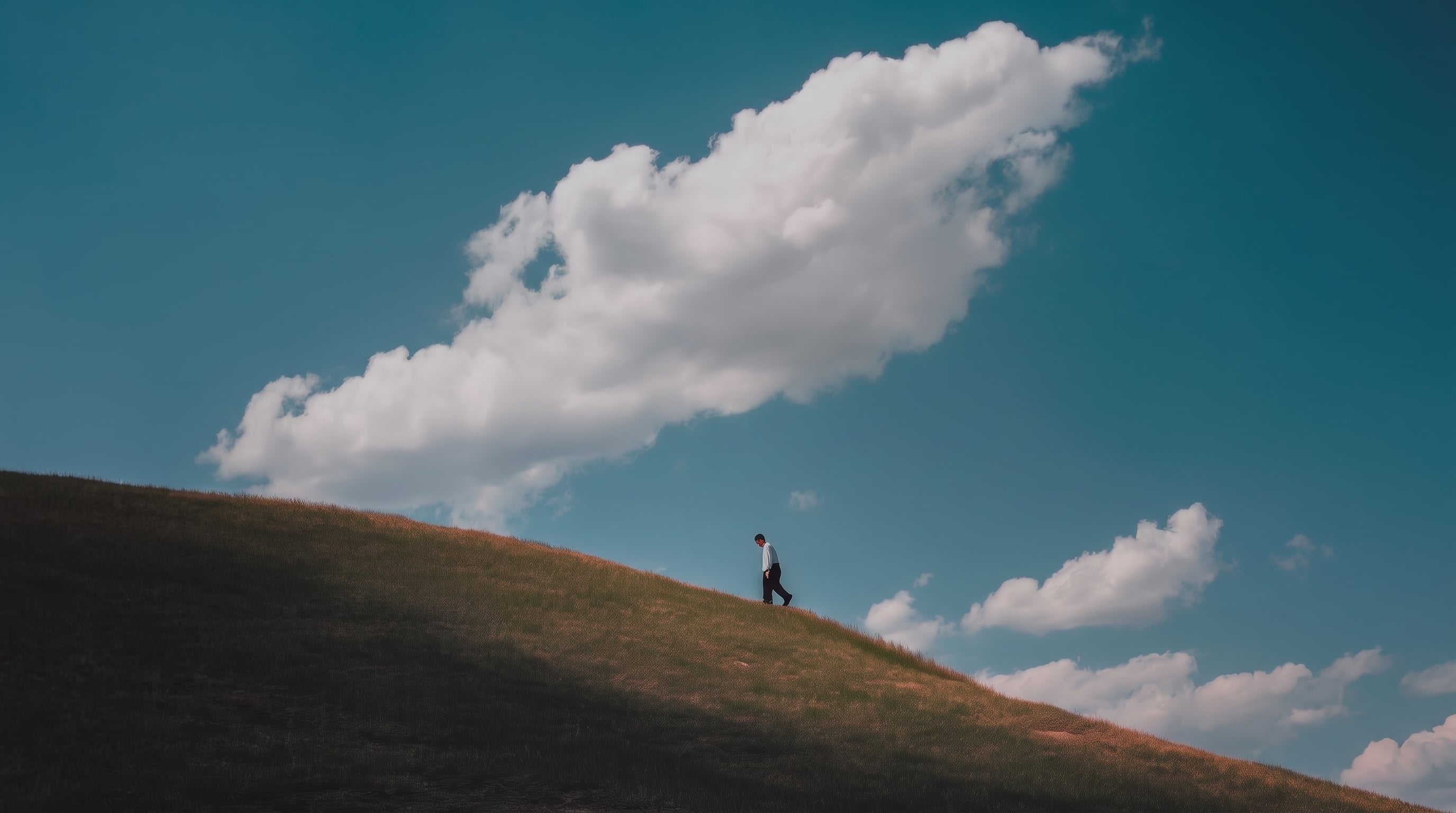
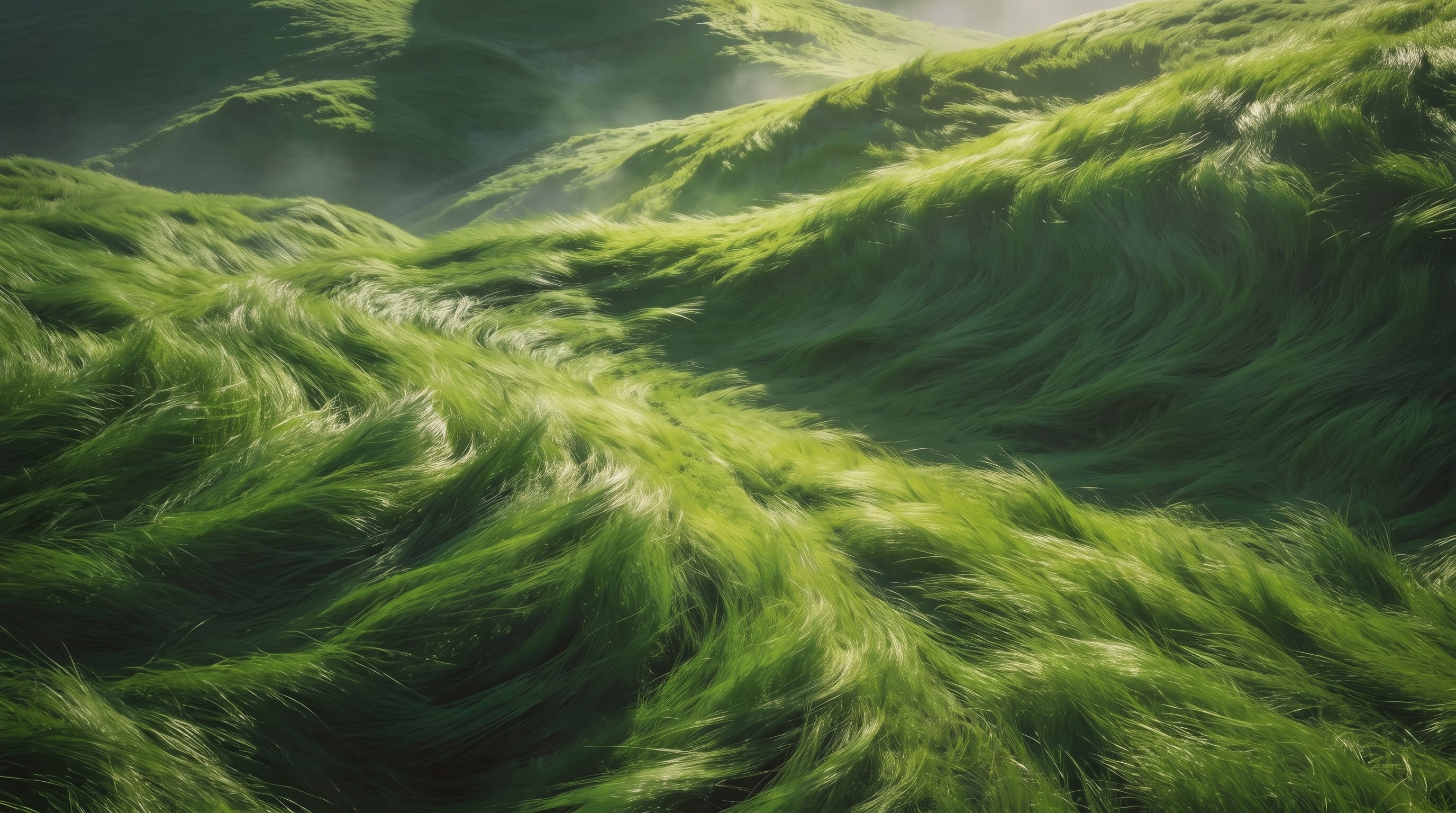
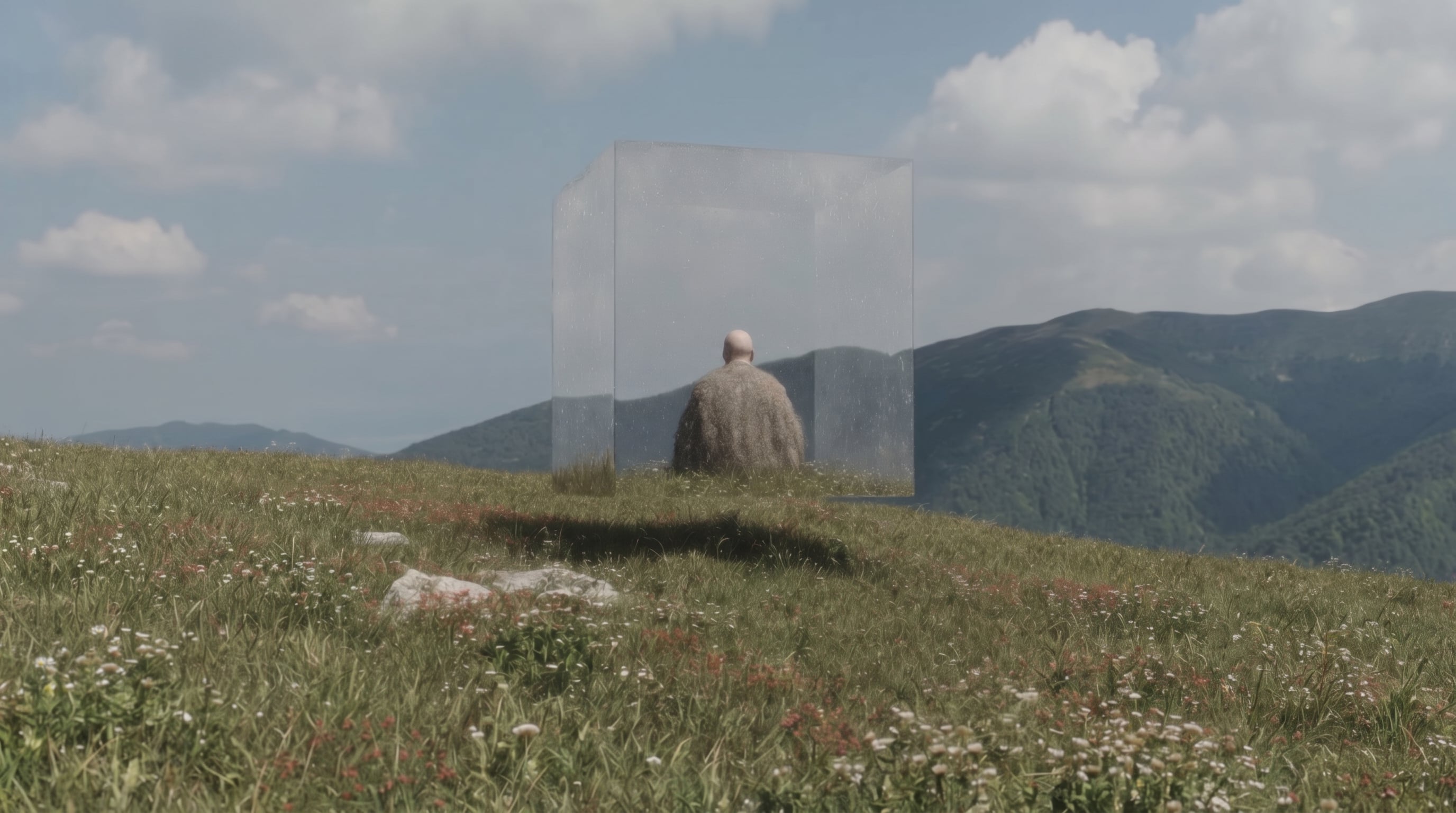
Qwen Image 3.0 Precise Text Rendering
Qwen Image 3.0 is Qwen's image generation and editing family for developers building visual products. It combines precise prompt adherence and complex text rendering with automatic prompt rewriting and prompt guided resolution selection. Through Atlas Cloud, developers can access both generation and editing models with standard pay as you go pricing of $0.03 per call. Start building today.
Qwen Image 3.0 is developed by Alibaba. Atlas Cloud (operated by Atlas Cloud AI LLC) provides access to it and does not own it. All trademarks belong to their respective owners.
Explore the Leading Qwen Image 3.0
Atlas Cloud provides you with the latest industry-leading creative models.


Qwen Image 3.0: Generation and Editing Compared
Compare Qwen Image 3.0 endpoints by input method, verified capabilities, ideal workflows, and standard pricing.
| Modality | Description |
|---|---|
| Qwen Image 3.0 Text-to-Image API (Text to Image) | Turn a text prompt into an image at resolutions up to 2048×2048, with automatic prompt rewriting and prompt-guided resolution selection. Its complex text rendering and precise prompt adherence suit posters, product visuals, concept art, and other prompt-led workflows. Atlas Cloud lists a standard base price of $0.03. |
| Qwen Image 3.0 Edit API (Image Editing) | Supply one to three reference images with a natural language instruction to produce an edited image while preserving important details such as facial features and identity. Use it for controlled restyling, targeted changes, character consistency, and iterative visual refinement. Atlas Cloud lists a standard base price of $0.03. |
Qwen Image 3.0: Precision From Prompt to Edit
Qwen Image 3.0 combines complex text rendering, adaptive output up to 2048 × 2048, intelligent prompt rewriting, edits guided by one to three references, and controllable generation through one Atlas Cloud API at $0.03 per image.

Complex Text with Qwen Image 3.0
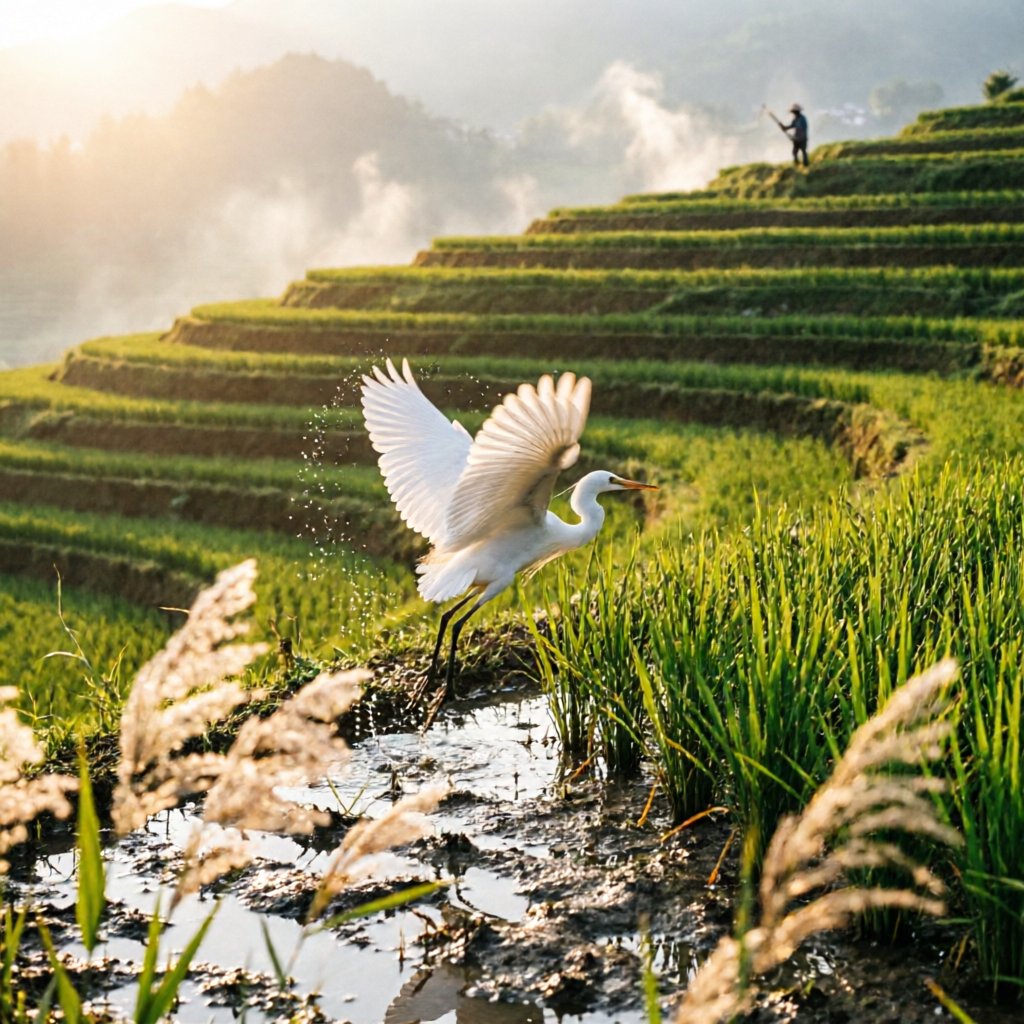
Qwen Image 3.0 turns detailed prompts into images with precise instruction adherence and strong complex text rendering. Specify hierarchy, placement, and visual style in natural language, then let the model organize the composition around those constraints. It is a practical choice for wide campaign graphics, information rich illustrations, and product visuals where words and imagery must work together.
Adaptive 2048 Pixel Output
Generate at resolutions from 512 × 512 up to 2048 × 2048, or omit the size and let Qwen Image 3.0 select it from the prompt. Automatic resolution guidance aligns the canvas with the requested scene instead of forcing every idea into one preset. Use it for detailed landscapes, horizontal banners, square assets, and other delivery formats that need production ready clarity.
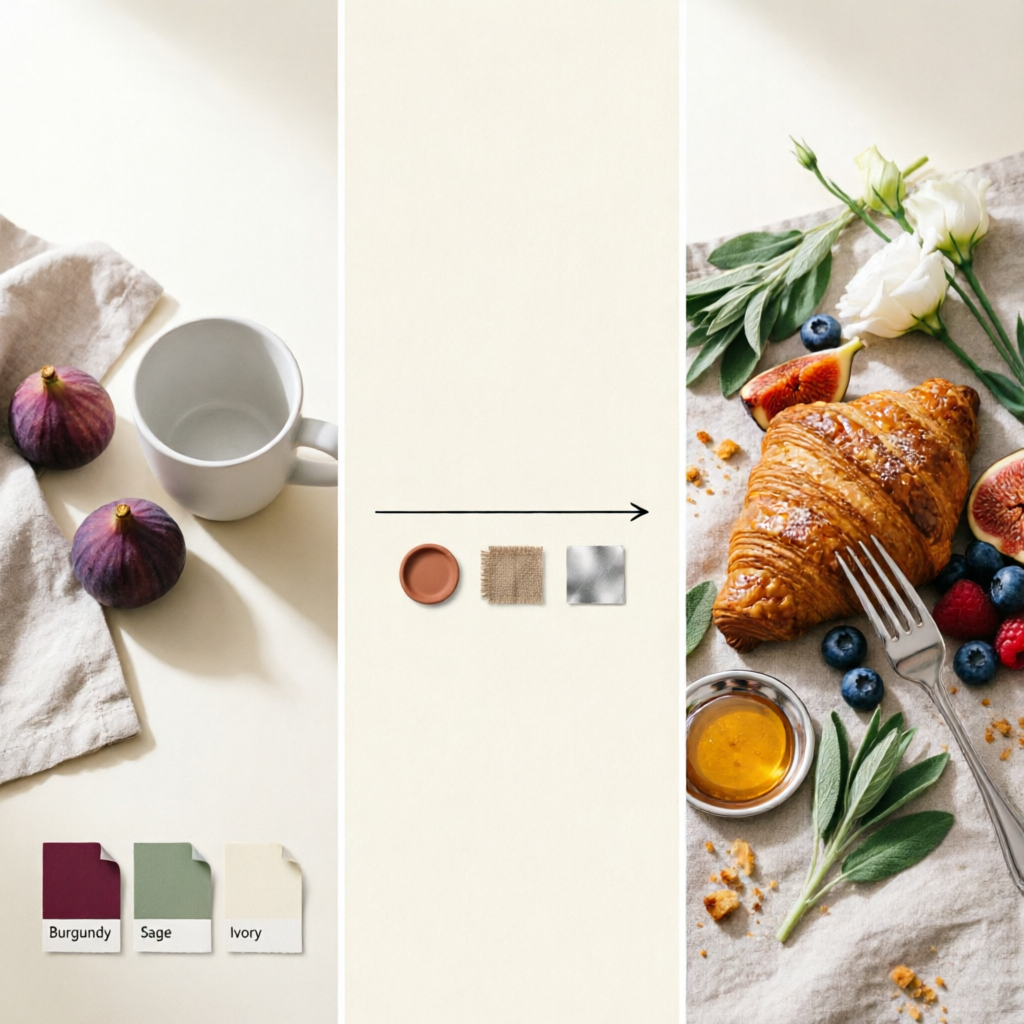
Two Prompt Expansion Paths
Short prompts can be expanded automatically before Qwen Image 3.0 generates the image. Choose direct mode for a single pass rewrite or agent mode for an agentic rewrite pipeline, while retaining the option to disable expansion for full manual control. This flexibility helps teams move quickly from a compact brief to richer scenes without locking expert users into one prompting method.
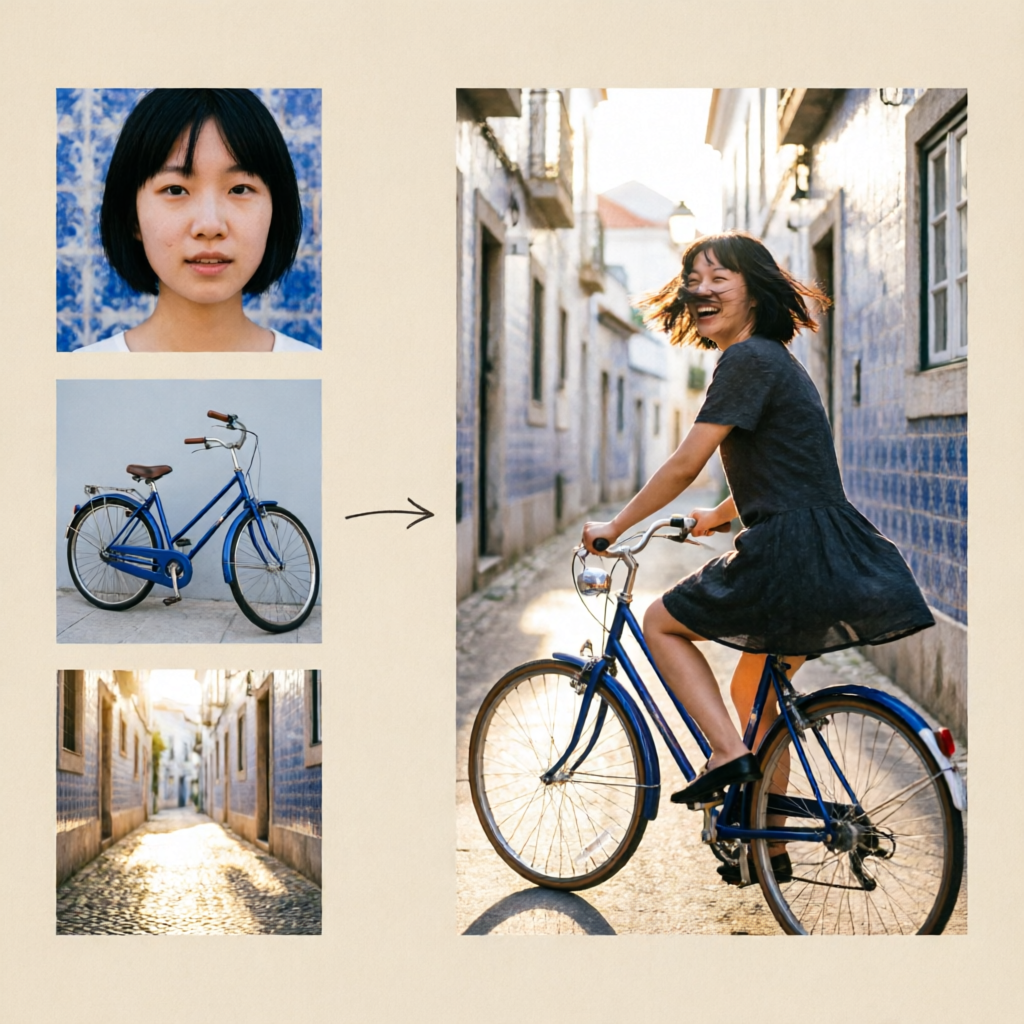
Qwen Image 3.0 Multi-Reference Editing
Edit with one, two, or three reference images plus a natural language instruction. Qwen Image 3.0 preserves key identity details, including facial features, while applying the requested transformation across the new result. Combine a person, product, and setting as references, or refine one source image. The workflow suits campaign variants, character continuity, and controlled visual recomposition.
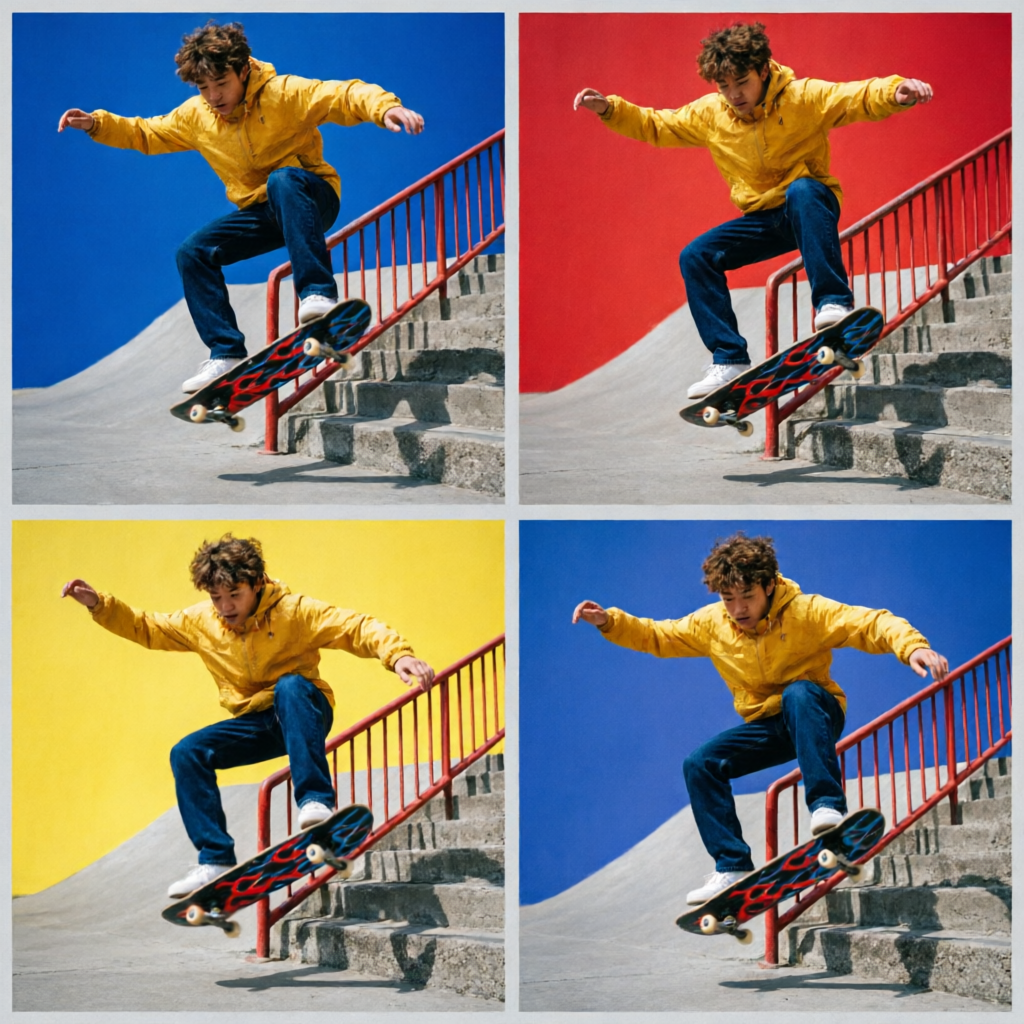
Batch and Seed Control
Create as many as four images in one request, guide exclusions with a negative prompt, and set a seed from 0 to 2147483647 when repeatability matters. Leave the seed unset whenever you want fresh variation. These controls make comparison and iteration easier for art direction, asset batches, and testing workflows that need either stable reruns or deliberate diversity.

One Key, $0.03 per Image
Both Qwen Image 3.0 generation and editing are available at the verified standard price of $0.03 per image on Atlas Cloud. A single API key reaches both model routes, so products can move between creating new visuals and revising references without separate provider accounts. Transparent per image billing keeps prototypes, batch production, and iterative editing under one predictable workflow.
Qwen Image 3.0 One Prompt Image Comparison
See how Qwen Image 3.0 and two comparable image models interpret the same production-ready prompts across typography, human detail, lighting, composition, and material realism.
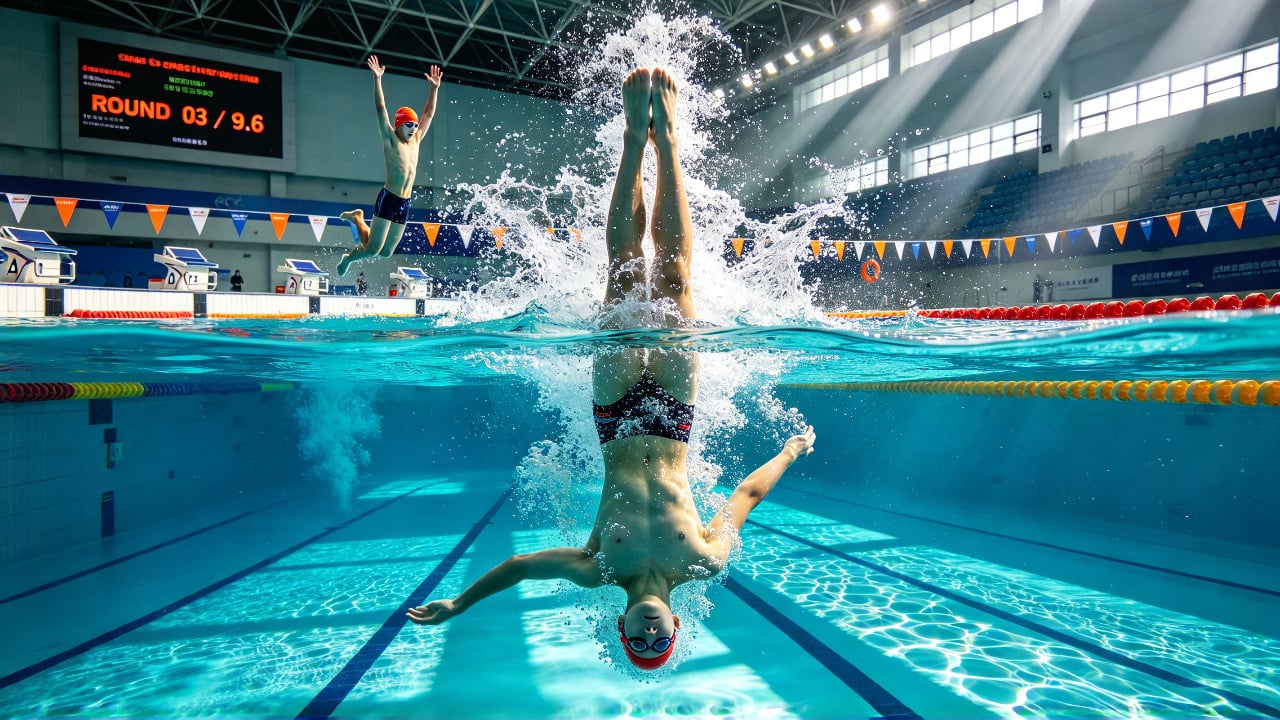
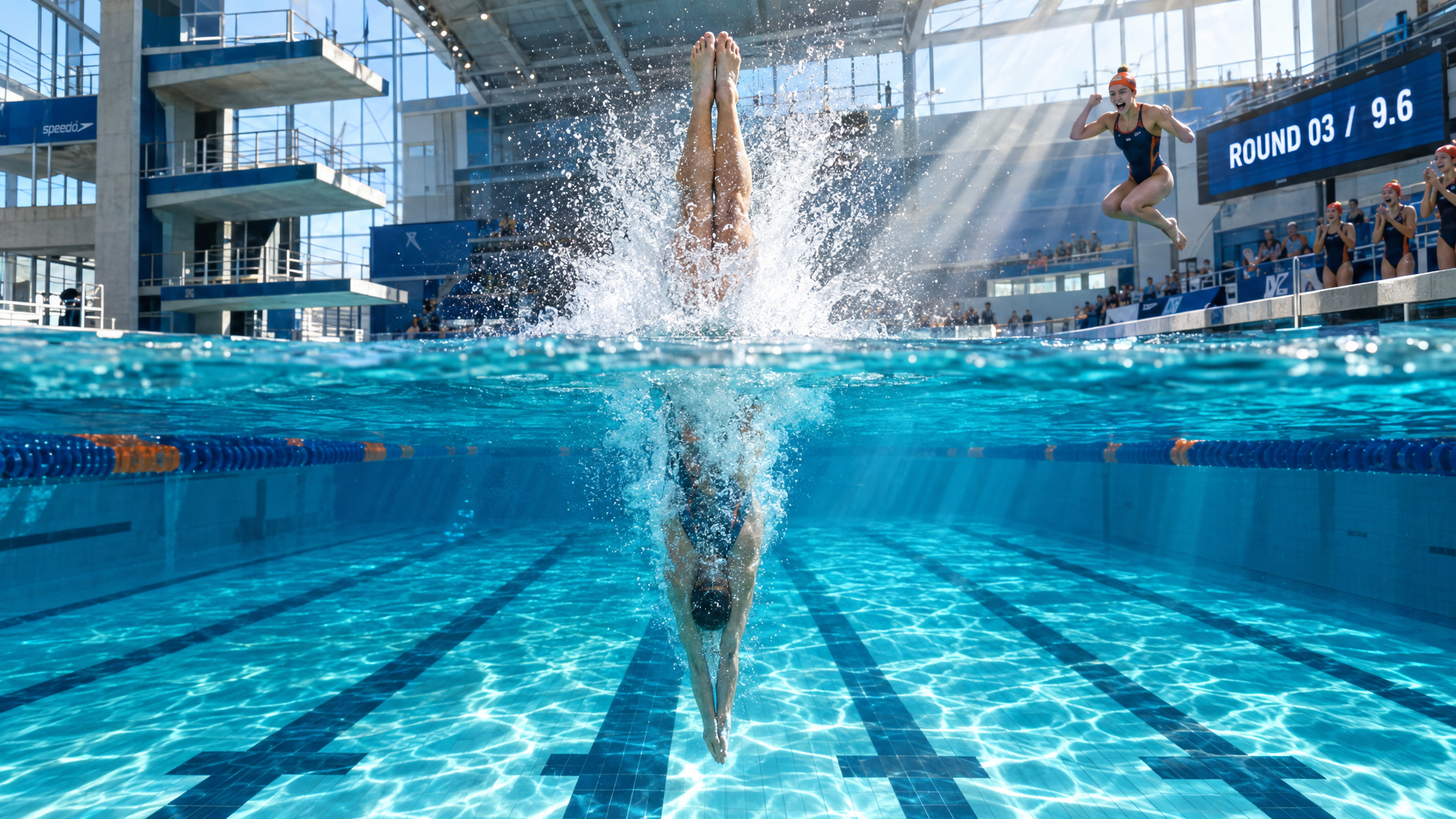
High-speed split-level sports photography inside a contemporary indoor diving arena, captured at the decisive instant a young elite diver pierces the water: above the razor-sharp waterline, only perfectly extended feet and pointed toes remain visible amid an explosive crown of crisp white spray; below the surface, reveal the athlete’s complete streamlined body descending through layered turquoise water, surrounded by turbulent bubble trails, refracted anatomy, shimmering distorted reflections, and clearly visible pool-floor lane markings. On the pool deck, an electronic scoreboard must display the exact, perfectly legible text “ROUND 03 / 9.6”, while a teammate in an orange-red swim cap leaps upward in genuine surprise and celebration. Hard directional noon sunlight slices diagonally through skylights, creating clean volumetric shafts, sharp-edged shadows, luminous rippled caustics, and transparent depth without artificial glow. Compose with the waterline running horizontally across the entire frame and repeating pool lanes forming strong leading lines toward the diver; expansive cyan and deep aqua tones accented sparingly by orange-red caps, disciplined blue-orange color contrast. Photorealistic water refraction, natural youthful skin texture, precise athletic anatomy, suspended droplets, layered transparency, subtle motion blur only at the spray edges, slight analog film grain, authentic editorial sports photography, underwater housing with split-shot dome port, fast shutter speed, 24mm wide-angle lens, crisp focal hierarchy. Avoid overprocessed HDR, excessive micro-detail, plastic skin, muddy colors, fantasy glow, murky deep-sea darkness, cinematic teal-orange grading, malformed limbs, duplicate bodies, garbled typography, borders, frames, or letterboxing; wide horizontal 16:9 aspect ratio, full-bleed.
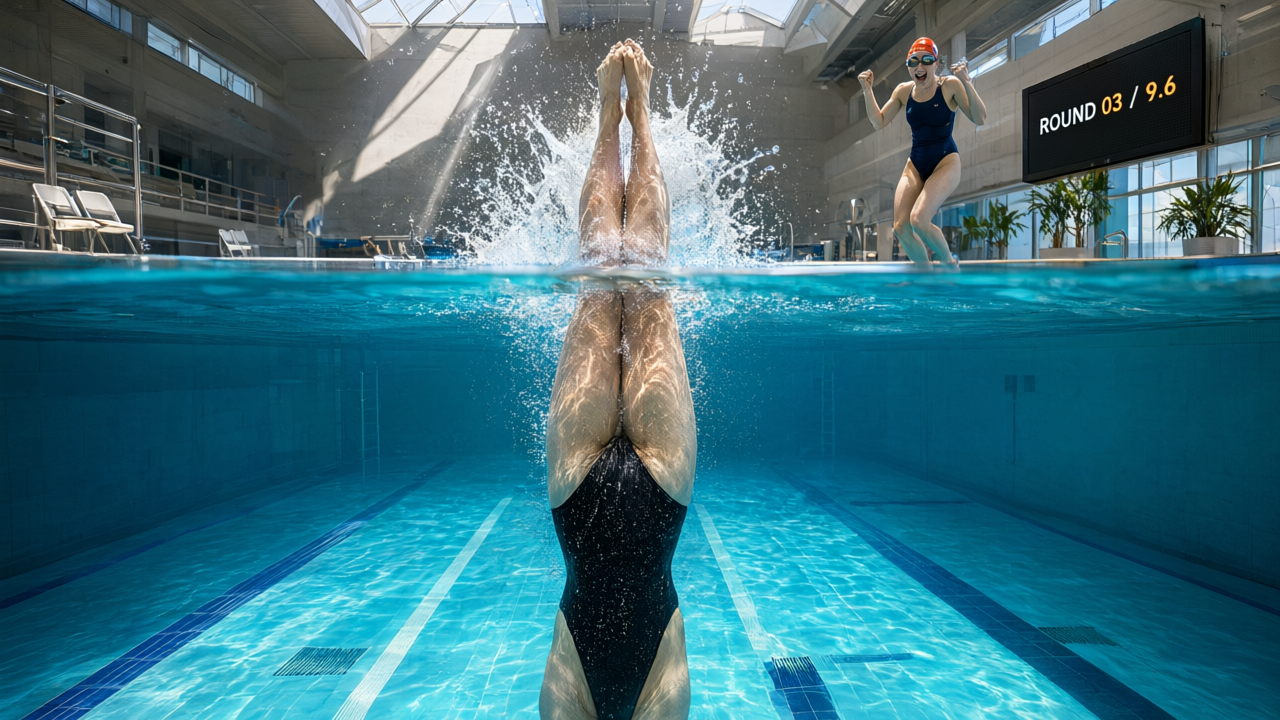
Generated with Qwen Image 3.0 Pro Text-to-Image on Atlas Cloud
Generated with Seedream v5.0 Pro Text-to-Image on Atlas Cloud
Generated with Qwen Image 3.0 Text-to-Image on Atlas Cloud
Ultra-wide-angle professional sports photography inside a sunlit indoor diving arena at midsummer, capturing the decisive split second just after two young adult mixed synchronized divers leave the platform: their timing is subtly misaligned, creating a striking mirrored pose—one athlete upright, the other inverted—both anatomically accurate, visibly airborne, with wet hair, taut muscles, pointed toes, and authentic competitive swimwear; poolside teammates look upward and gasp in spontaneous alarm. A clearly legible electronic scoreboard reads exactly “FINAL DIVE / 9.8”. Cold white diagonal daylight streams through high clerestory windows, cutting through fine humid mist, while cobalt-blue ripples reflected from the pool climb across raw concrete walls. Use the diving-platform structure as a strong frame-within-a-frame and the water surface as a second reflected composition, with crisp architectural perspective, believable scale, and generous horizontal spatial tension. Restrained cobalt blue, warm natural skin tones, and small accents of safety orange; realistic water vapor, droplets, damp fabric, subtle film grain, and slight directional motion blur on the divers’ limbs and disturbed air. Editorial Olympic-level sports photojournalism, dramatic yet natural, low wide-angle viewpoint, 18mm lens, fast shutter with controlled motion trace, sharp focal plane, nuanced highlight roll-off, true-to-life skin texture. No greasy over-rendering, no excessive HDR detail, no plastic skin, no muddy colors, no ubiquitous glow, no cheap epic fantasy look, no staged posing, no distorted anatomy, no duplicated limbs, no unreadable or misspelled scoreboard text. Wide landscape composition, 16:9 aspect ratio, full-bleed.
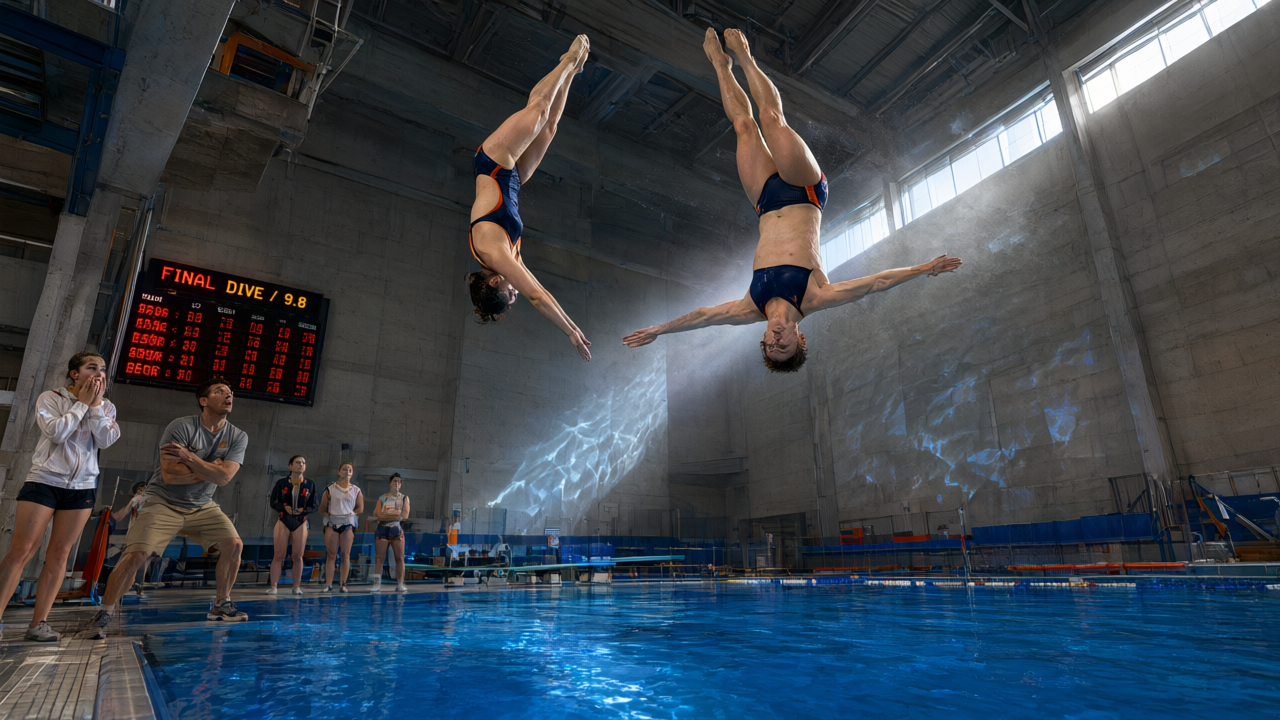
Generated with Qwen Image 3.0 Pro Text-to-Image on Atlas Cloud
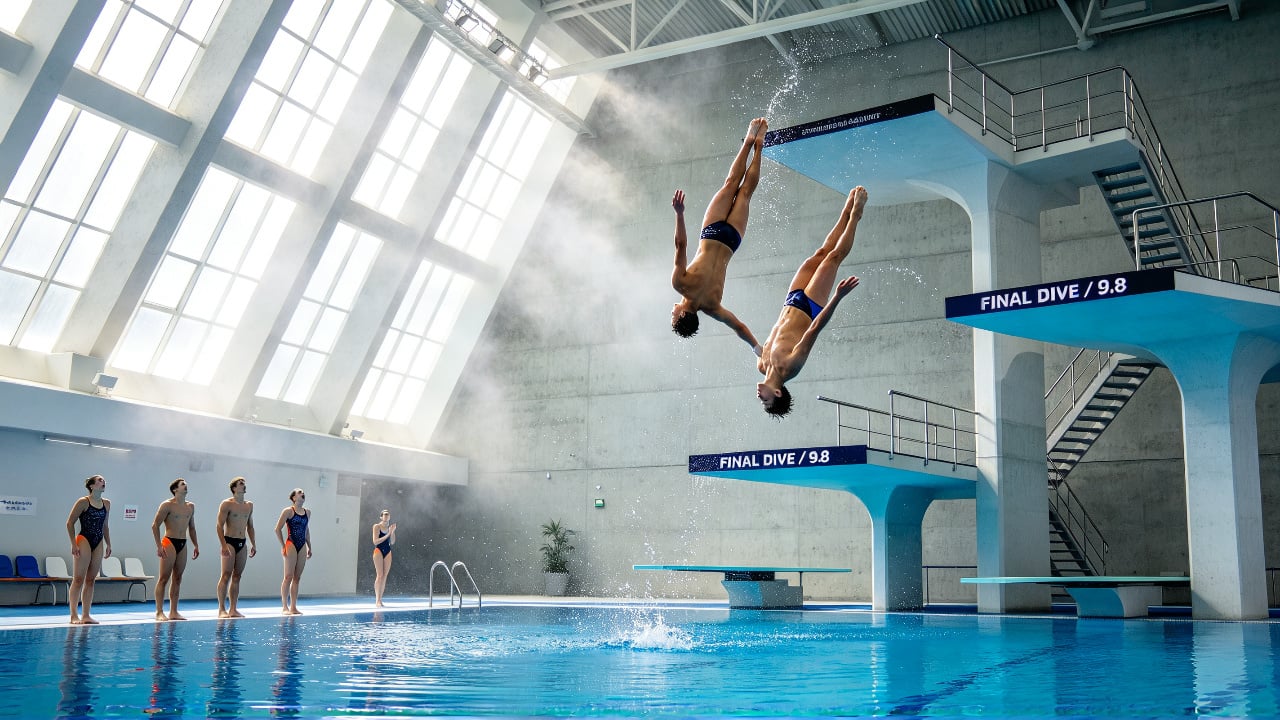
Generated with Seedream v5.0 Pro Text-to-Image on Atlas Cloud
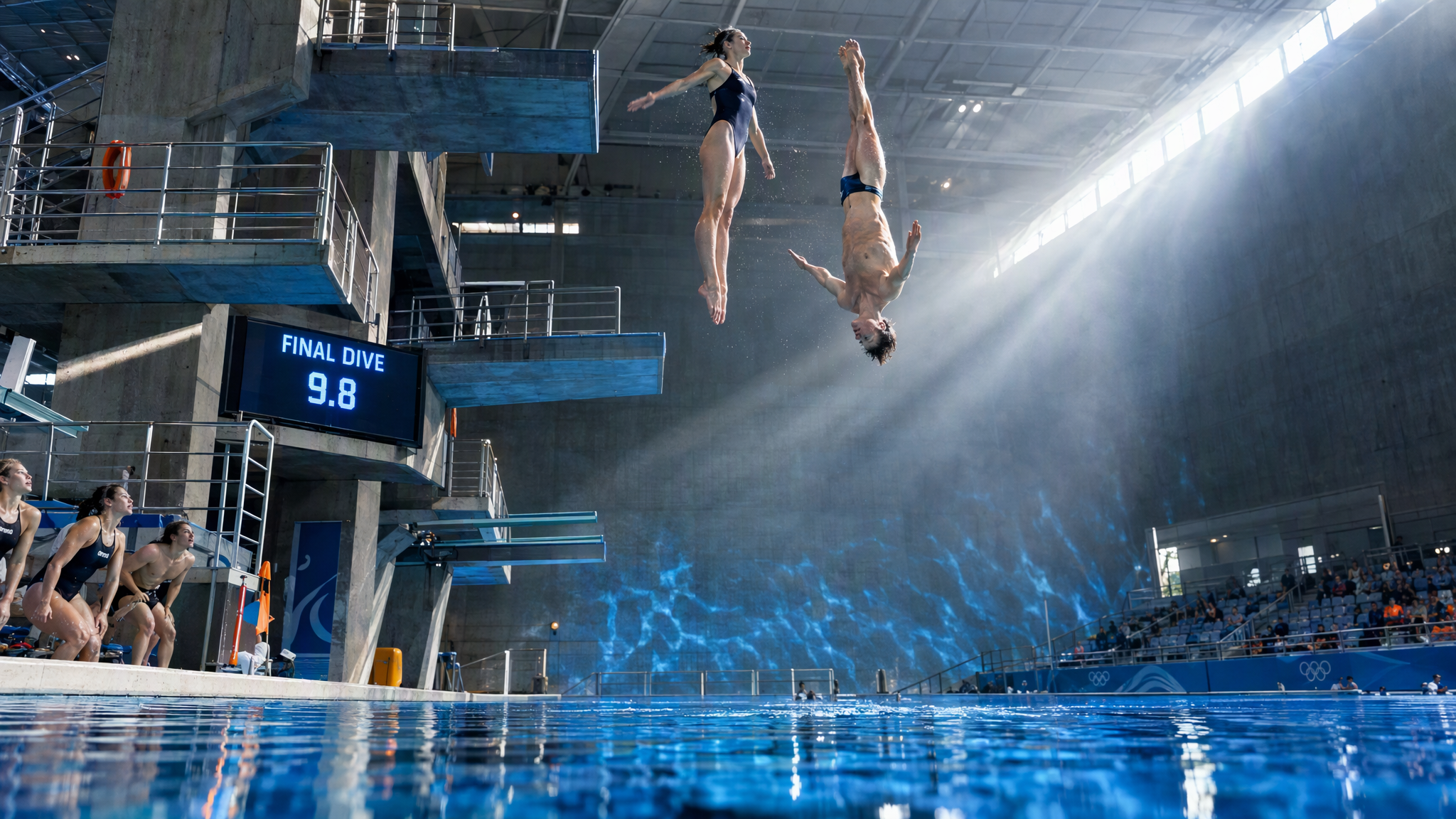
Generated with Qwen Image 3.0 Text-to-Image on Atlas Cloud
Build Production Visuals with Qwen Image 3.0
Qwen Image 3.0 moves from text-led campaign graphics and product concepts to identity-preserving edits and multi-reference art direction, producing images up to 2048×2048 for marketing teams, storefronts, design studios, and creative applications.

Qwen Image 3.0 Campaign Graphics
Create campaign images from detailed prompts, using precise prompt adherence and strong complex text rendering. Marketing teams can produce posters, launch graphics, and social assets at resolutions up to 2048×2048 for multichannel releases.

Product Concept Visualization
Turn product briefs into detailed concept images with automatic prompt rewriting and prompt-guided resolution selection. Designers can explore packaging, merchandise, and scene directions before committing resources to production or photography.

Identity-Preserving Portrait Edits
Restyle portraits through natural-language instructions while preserving facial features and identity from the source. Creative studios can update wardrobe, setting, or visual treatment without rebuilding the subject from scratch each time.

Qwen Image 3.0 Multi-Reference Editing
Guide an edit with one to three reference images and a natural-language instruction. Agencies can preserve essential identities and details while adapting compositions across campaign, catalog, and branded content variants.

Text-Rich Interface Mockups
Need a text-heavy interface concept? Translate detailed instructions into image mockups with strong complex text rendering, giving product teams clearer material for early reviews, design exploration, and stakeholder alignment before development begins.

Qwen Image 3.0 Visual Variations
Start with an existing image, then describe precise changes while keeping key visual details intact. Developers can build revision tools for creator platforms, content pipelines, and rapid asset iteration across projects.
Qwen Image 3.0 Across Generation and Editing Rivals
Compare Qwen Image 3.0 with leading image generation and editing models by workflow, resolution, reference capacity, and standard per-image price.
| Model | Provider | Workflow | Max Output Resolution | Max Reference Images | Standard Price |
|---|---|---|---|---|---|
| Qwen Image 3.0 Text-to-Image | Qwen | Text to image | 2048×2048 | - | $0.03 / image |
| Qwen Image 3.0 Edit | Qwen | Image editing | 2048×2048 | 3 | $0.03 / image |
| Seedream v5.0 Flash Text-to-Image | ByteDance | Text to image | 2K | - | $0.018 / image |
| Seedream v5.0 Flash Edit | ByteDance | Image editing | 2K | 10 | $0.018 / image |
| Grok Imagine Image 2.0 Text-to-Image | xAI | Text to image | 2K | - | $0.04 / image |
| Grok Imagine Image 2.0 Edit | xAI | Image editing | 2K | 5 | $0.04 / image |
How to Use Qwen Image 3.0 on Atlas Cloud
Get started in minutes — follow these simple steps to integrate and deploy models through Atlas Cloud's platform.
Create an Atlas Cloud Account
Sign up at atlascloud.ai and complete verification. New users receive free credits to explore the platform and test models.
Why Use Qwen Image 3.0 on Atlas Cloud
Combining the advanced Qwen Image 3.0 models with Atlas Cloud's GPU-accelerated platform provides unmatched performance, scalability, and developer experience.
Performance & flexibility
Low Latency:
GPU-optimized inference for real-time reasoning.
Unified API:
Run Qwen Image 3.0, GPT, Gemini, and DeepSeek with one integration.
Transparent Pricing:
Predictable per-token billing with serverless options.
Enterprise & Scale
Developer Experience:
SDKs, analytics, fine-tuning tools, and templates.
Reliability:
99.99% uptime, RBAC, and compliance-ready logging.
Security & Compliance:
SOC 2 Type II, HIPAA alignment, data sovereignty in US.
Qwen Image 3.0 API: Developer FAQ
Qwen Image 3.0 is Alibaba's third-generation image generation model, available through Atlas Cloud as hosted text generation and editing endpoints. It focuses on complex text rendering, detailed visual composition, and precise prompt adherence. Developers can integrate these capabilities without managing model infrastructure.
Generate images from text prompts, including detailed compositions and visuals containing complex text. For existing assets, the Edit endpoint applies natural-language changes while preserving important details such as facial features and subject identity.
Create an Atlas Cloud API key and choose the generation or editing endpoint for your workflow. Send the required inputs according to the endpoint's playground schema. Testing prompts and parameters in the playground can help you refine requests before integrating them into an application.
Use qwen-image-3.0/text-to-image when creating an image from a written prompt. Choose qwen-image-3.0/edit when transforming existing images with natural-language instructions and up to three references.
Atlas Cloud lists a standard base price of $0.03 for the Text-to-Image endpoint and $0.03 for the Edit endpoint. Pricing is pay-as-you-go, so no subscription is required for these API calls. Check the current endpoint page before estimating production costs.
The Text-to-Image endpoint generates images at resolutions up to 2048×2048 and supports prompt-guided resolution selection. Consult the current Atlas Cloud playground schema when choosing accepted resolution values for a request.
The Edit endpoint accepts one to three reference images together with a natural-language instruction. It is designed to retain key visual details, including facial features and identity, while applying the requested changes.
Describe the subject, composition, visible text, and required changes explicitly. The Text-to-Image endpoint supports automatic prompt rewriting and prompt-guided resolution selection. For edits, state both what should change and which details must remain intact.
No, not when using Atlas Cloud. The hosted endpoints provide access through one OpenAI-compatible API key, so you do not need to run model weights or maintain inference infrastructure.
Explore More Families
Seedance 2.5
Seedance 2.5 API is now available on Atlas Cloud! It gives developers ByteDance's newest video model. It generates up to 30 seconds of native video in a single pass from text, a single image, or as many as 50 multimodal references, with synchronized audio and in-frame multilingual text. On Atlas Cloud you reach it through one key, with subject consistency and improved physics keeping long shots coherent. (Update: Seedance 2.5 1080P API Is Available NOW!)

Wan 3.0
Wan 3.0 API is the next generation of Alibaba's Wan video family, built to push long-form generation, multi-reference control, and audiovisual quality to new heights. Atlas Cloud already hosts Wan 2.7, 2.6, and 2.5, and Wan 3.0 runs on the same unified key with no separate setup. Start building today. Scroll down to the showcase to see what Wan 3.0 can create.
MiniMax H3
MiniMax H3 is MiniMax's multimodal video family for text, image, and reference guided creation. Across supported routes, it preserves subjects from reference media, offers flexible aspect ratios, and pairs generated sound with visuals through H3 Developer, with output profiles selected by endpoint. Atlas Cloud unifies the family behind one OpenAI-compatible key with transparent pay-as-you-go pricing from the standard rate of $0.038 per second. Start building today.
Seedream 5.0 Pro
Seedream 5.0 Pro API gives developers ByteDance's controllable image editing model on Atlas Cloud. It places edits precisely with anchors and coordinates, separates images into editable layers, fuses multiple references, and matches exact colors and materials, with multilingual text at 2K and 3K. On Atlas Cloud you reach it through one key!
Seedance 2.0
Seedance 2.0 is ByteDance’s production video model for precise shot creation. Turn prompts into video, animate a first-frame image with optional last-frame guidance, or shape results with reference media and optional web search. Atlas Cloud brings these workflows into one unified API with transparent pay-as-you-go pricing and one OpenAI-compatible key. Start building today.
GPT Image 2.5
The gpt-image-2.5 family from OpenAI gives developers a choice of Flare and Sunburst for production image workflows. Render at arbitrary resolutions up to 3840x2160 and select from five quality tiers, including xhigh and max, to match specific output requirements. Atlas Cloud provides ready-to-use REST inference with no cold starts and standard pricing from $0.004 per generation. Start building today.
GPT Image 2
The GPT Image 2 API gives developers access to OpenAI's latest image model, the successor to GPT Image 1.5. It generates and edits images with accurate text rendering across Latin and CJK scripts, plus strong composition for posters, mockups, and infographics. On Atlas Cloud you reach it through one unified API alongside 300+ models, with free credits, 99.99% uptime, and no OpenAI organization verification required.
Gemini Omni Flash
The gemini omni API brings Google DeepMind's natively multimodal Gemini Omni Flash family, including Gemini Omni 1.1 Flash, to developers. Create cinematic video with synchronized native audio, animate still images with precise start and end frame control, or revise existing footage through text guided edits that preserve untouched content. Atlas Cloud provides one OpenAI-compatible key, unified access, and transparent pay-as-you-go pricing. Start building today.
Grok Imagine
Grok Imagine Image is xAI's family for generating polished visuals and revising one or more reference images through natural language instructions. Its standard and quality endpoints cover text to image creation, single image changes, and indexed multi-image composition. Atlas Cloud brings these workflows into one API, with standard generation and editing priced at $0.02 per image. Start building today.
Google's most powerful creative models are all available on Atlas Cloud. Veo 3.1 delivers cinematic video generation, Nano Banana 2 powers high-fidelity image creation, and Gemini brings multimodal intelligence to every workflow. Access the full Google model suite through one API key with Day-0 availability and pay-as-you-go pricing.
Seedance 2.0 Mini
The Seedance 2.0 Mini API is the lightest, lowest-cost tier of ByteDance's Seedance video line, built for teams where throughput and unit cost matter more than maximum polish. Use it for batch generation, rapid prototyping, and draft passes, all through one OpenAI-compatible key on Atlas Cloud.
ByteDance
From cinematic video generation to high-fidelity image creation, ByteDance's most powerful models are live on Atlas Cloud. Run Seedance and Seedream at scale with the lowest inference pricing and zero infrastructure overhead.
Recommended Articles
Guides, tutorials, and product updates to help you get the most out of Atlas Cloud.





