
SAM 3 Image: Promptable Object Segmentation
Built on Meta's Segment Anything Model 3, SAM 3 Image identifies and isolates objects in still images. The family also provides image embeddings as NumPy .npy files for caching and running your own segmentation workflows. Atlas Cloud offers dedicated segmentation and embedding models at a standard price of $0.006 per request across all three endpoints. Start building today.
Atlas Cloud (gestita da Atlas Cloud AI LLC) fornisce l’accesso a modelli di IA di terze parti sviluppati e di proprietà dei rispettivi fornitori. Atlas Cloud non è proprietaria di tali modelli e tutti i nomi di modelli e prodotti e i marchi appartengono ai rispettivi titolari.
Esplora i Modelli di Punta(3)


SAM 3 Image: ritagli di oggetti, maschere RLE ed embedding
Confronta tre endpoint SAM 3 Image in base al formato di output e al flusso di lavoro di segmentazione.
| Modalità | Descrizione |
|---|---|
| SAM 3 Image Segmentation | Trasforma un’immagine fissa in ritagli di oggetti usando prompt testuali, punti o riquadri. Ogni oggetto rilevato viene restituito come PNG separato, pronto per l’editing delle immagini e la preparazione degli asset. Il prezzo standard è di $0.006 per richiesta. |
| SAM 3 Image Segmentation (RLE) | Se la tua pipeline elabora le maschere tramite codice, questo endpoint converte un’immagine in maschere di segmentazione salvate in un file JSON con codifica run-length (RLE). I punteggi e i riquadri opzionali per ciascuna maschera forniscono dati aggiuntivi per le elaborazioni successive. Al prezzo standard, ogni richiesta costa $0.006. |
| SAM 3 Image Embedding | SAM 3 Image Embedding calcola l’embedding di un’immagine di input e restituisce un file NumPy .npy. Salva l’embedding in cache e usalo come base per il tuo flusso di lavoro di segmentazione. Il prezzo standard è di $0.006 per richiesta. |
SAM 3 Image: Select Subjects, Export Masks
From text, point, and box guidance to individual PNG cutouts, RLE JSON masks, and reusable NumPy embeddings, SAM 3 Image brings Meta's segmentation tools to Atlas Cloud's unified API.
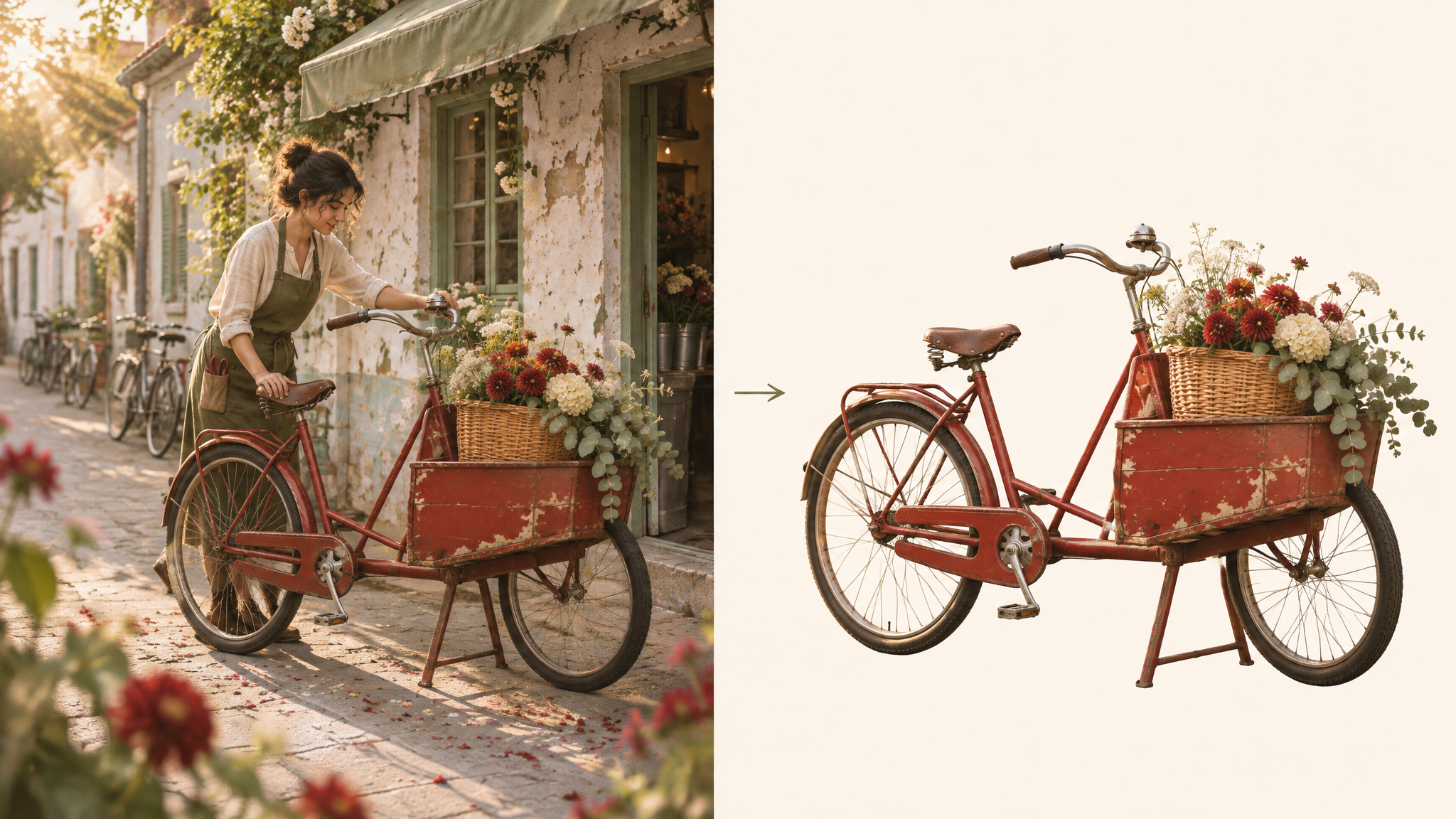
SAM 3 Image Text Selection
SAM 3 Image locates objects in a still image from a natural language description. Provide the source image and describe the subject you want to isolate. This makes text a practical starting point when selecting a recognizable object without manually tracing its outline. Use it to prepare targeted extractions for product assets, creative layouts, or image annotation.
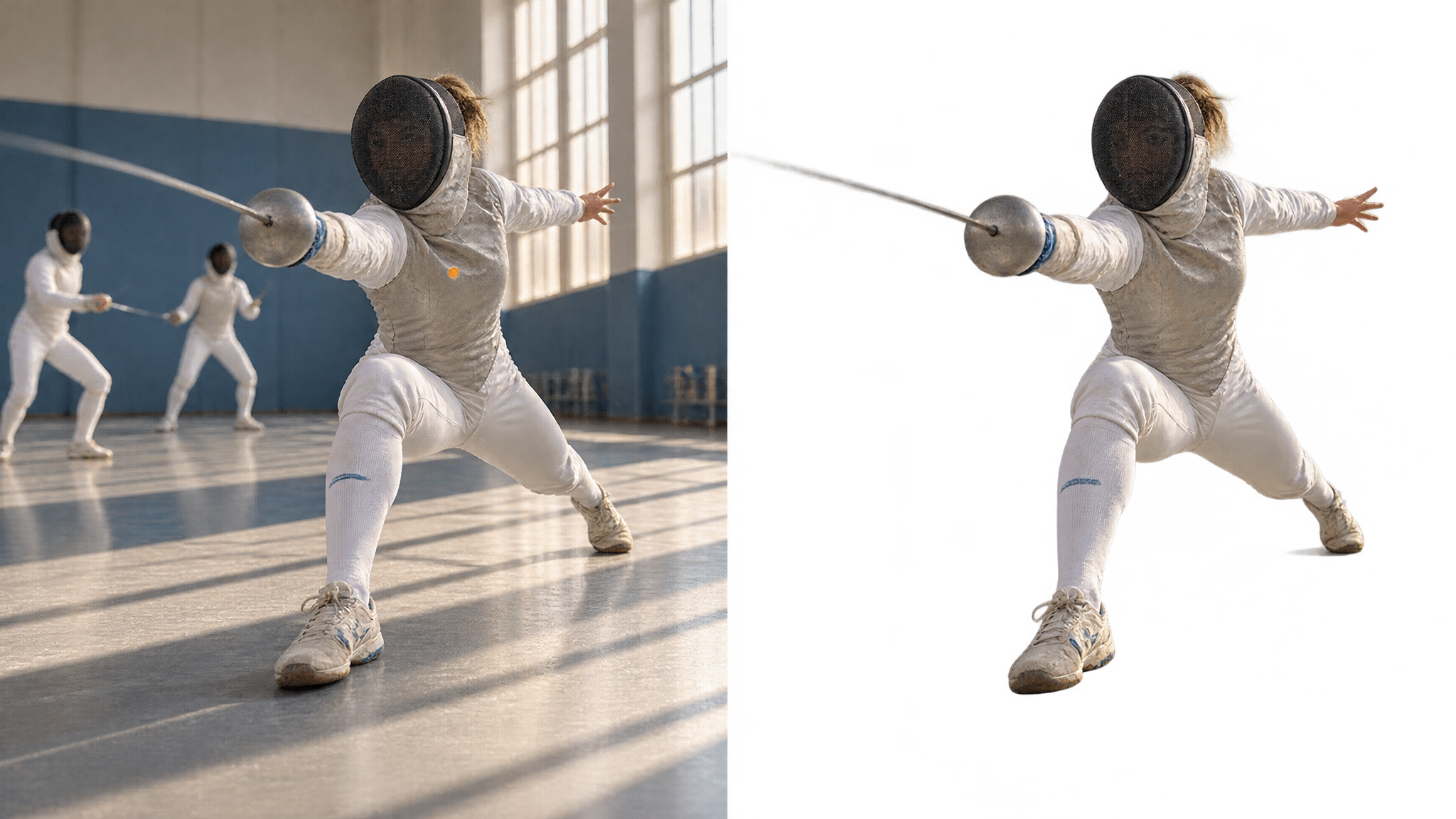
Point and Box Guidance
When words leave the target ambiguous, guide segmentation with points or bounding boxes. Mark the subject with point coordinates, or define a box around the object you want to select. These two visual input methods provide alternatives to text descriptions when working with crowded scenes. They suit annotation tools and editing workflows that need explicit control over which object is selected.
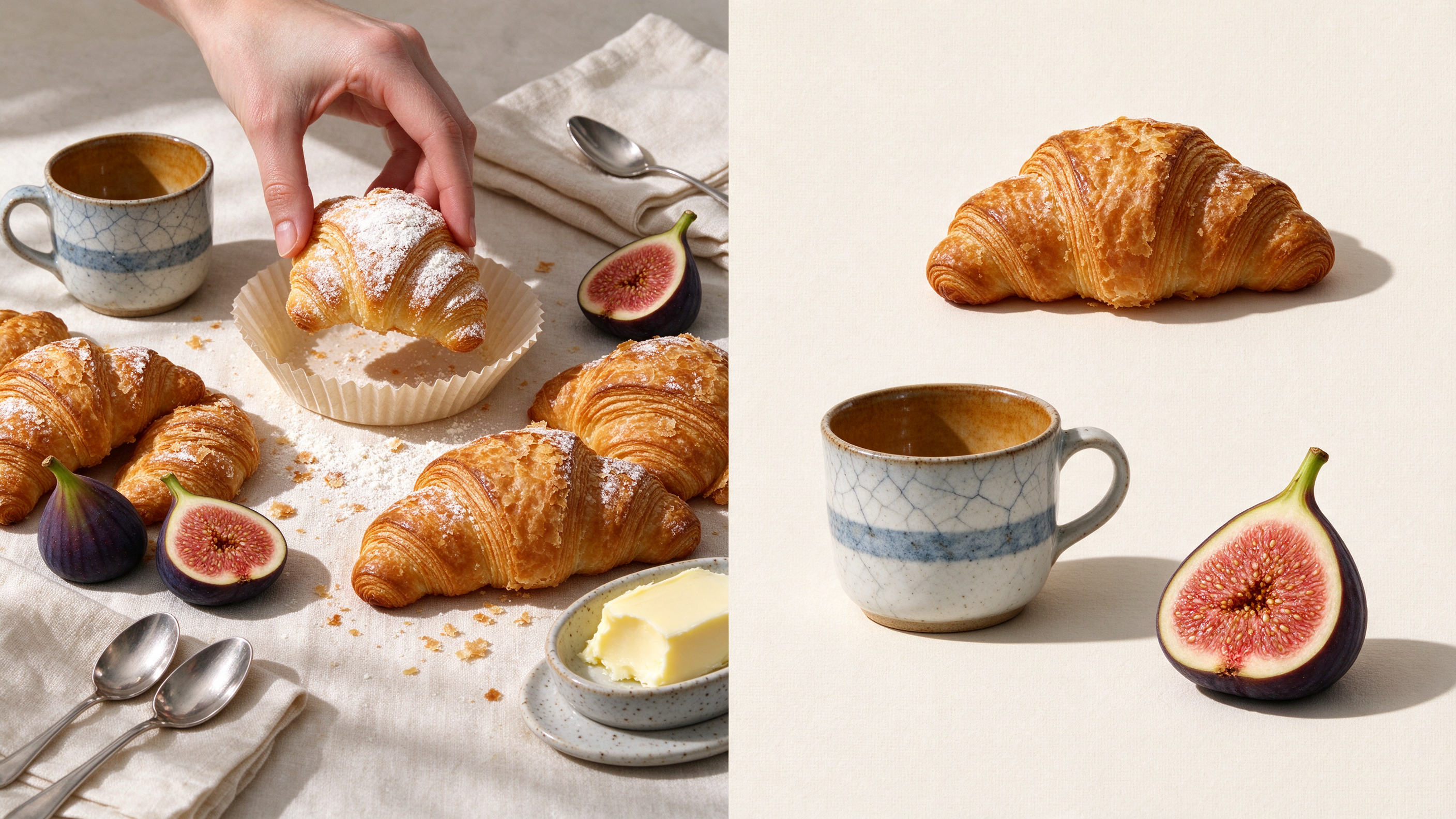
Separate PNG Cutouts
Each detected object comes back as its own PNG through the image segmentation endpoint. You can organize the returned files separately and choose which extracted subjects to carry into the next stage of your workflow. Bring those files into your existing editing or asset management tools. Separate cutouts are useful when preparing product collections, assembling compositions, or organizing reusable visual assets.

SAM 3 Image RLE Masks
Need mask data your application can process directly? The SAM 3 Image RLE endpoint returns segmentation masks as run-length encoding in a JSON file instead of images. Optional scores and bounding boxes provide additional information for each mask. Parse the result in code and pass the mask data into annotation systems, automated image processing, or custom computer vision pipelines.

Reusable NumPy Embeddings
For custom segmentation workflows, extract an image embedding as a NumPy .npy file. The embedding endpoint computes Meta SAM 3 visual features without returning finished object cutouts. Cache that file and run your own compatible segmentation implementation on top of the stored representation. This separates feature extraction from mask generation when building annotation tools or experimenting with downstream segmentation logic.
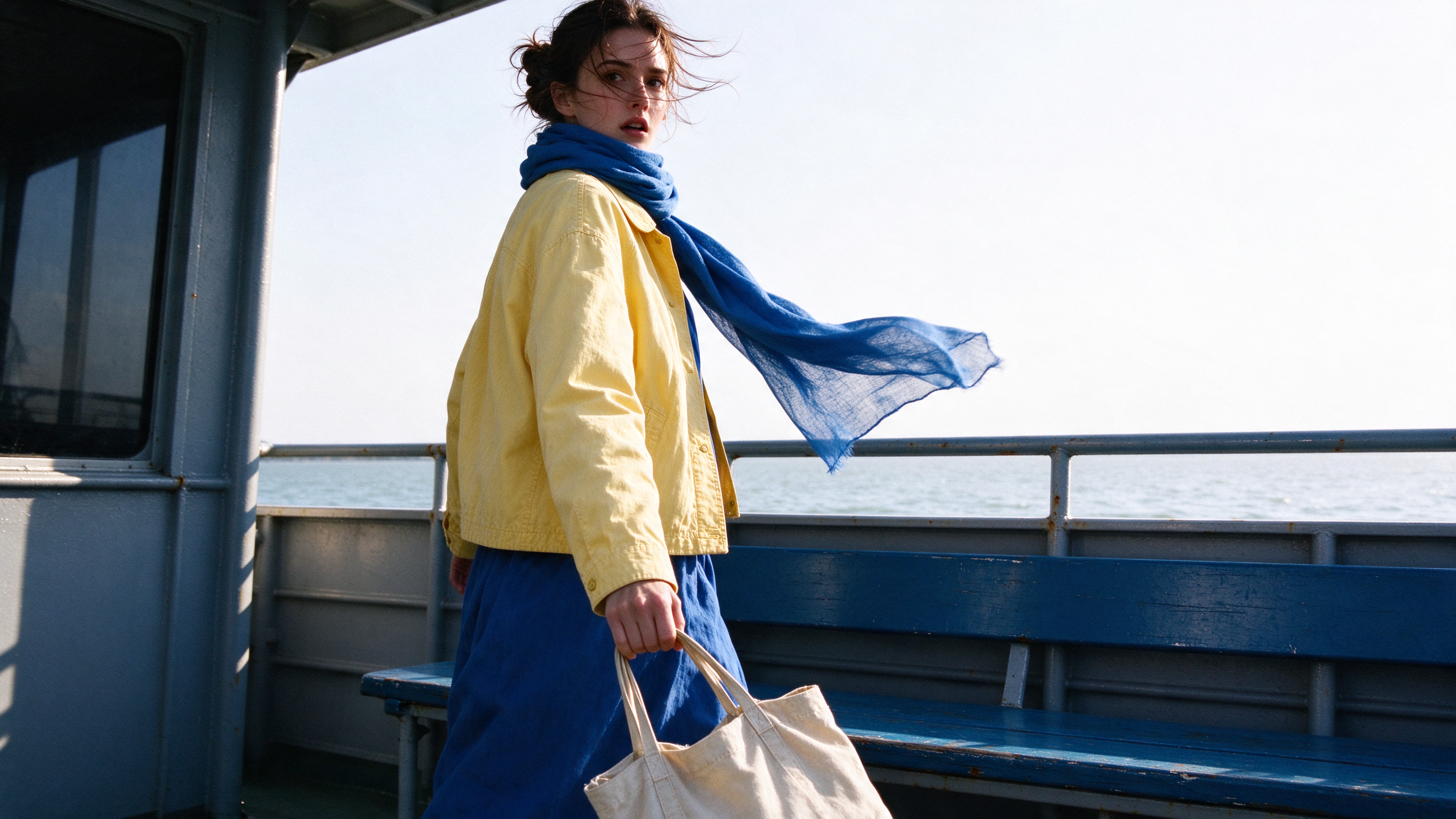
SAM 3 Image at $0.006 per Request
Atlas Cloud lists all three SAM 3 Image endpoints at a standard price of $0.006 per request. Access PNG segmentation, RLE segmentation, and image embeddings through its unified image API. Submit a task, retain its prediction ID, and poll for the completed result. This shared integration pattern makes it easier to add segmentation tools to an existing application and plan request costs.
SAM 3 Image: Confronto dell’estrazione del soggetto
Confronta l’estrazione del soggetto usando la stessa immagine di riferimento e lo stesso prompt di selezione, prestando attenzione ai contorni degli oggetti e ai dettagli conservati.
Usando la fotografia fornita, isola il whippet bianco mentre salta sopra l’ostacolo rosso. Conserva la silhouette visibile, il pelo fine, le zampe e la coda senza aggiungere o ricostruire dettagli. La fotografia di riferimento dovrebbe cogliere il salto con una calda luce laterale, erba sfocata in primo piano, una palette sobria di rossi e verdi e la naturale resa materica della fotografia sportiva. Usa un formato panoramico 16:9 e un’immagine di riferimento a pieno formato, senza margini.
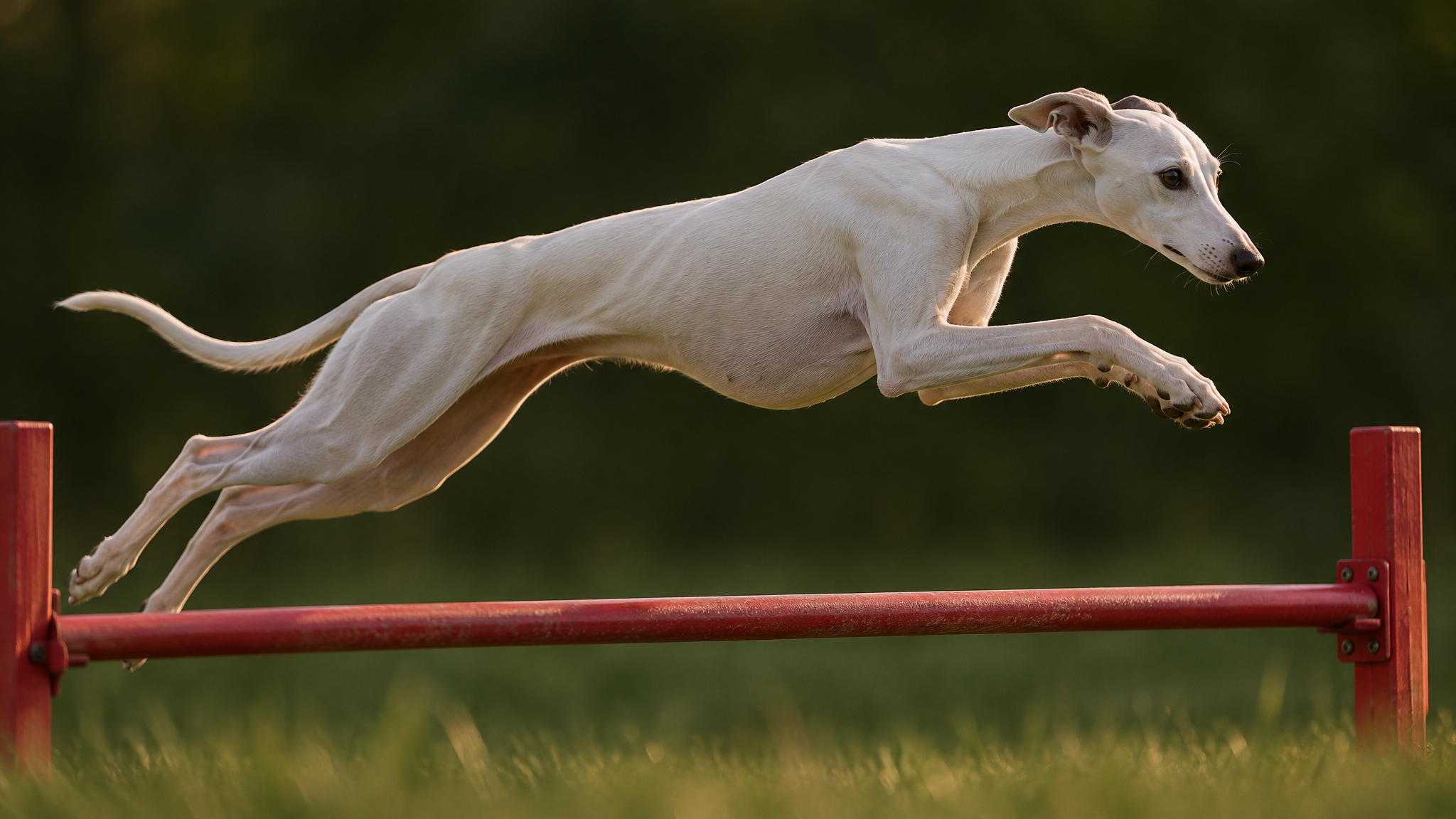
Generated with SAM 3 Image Segmentation on Atlas Cloud
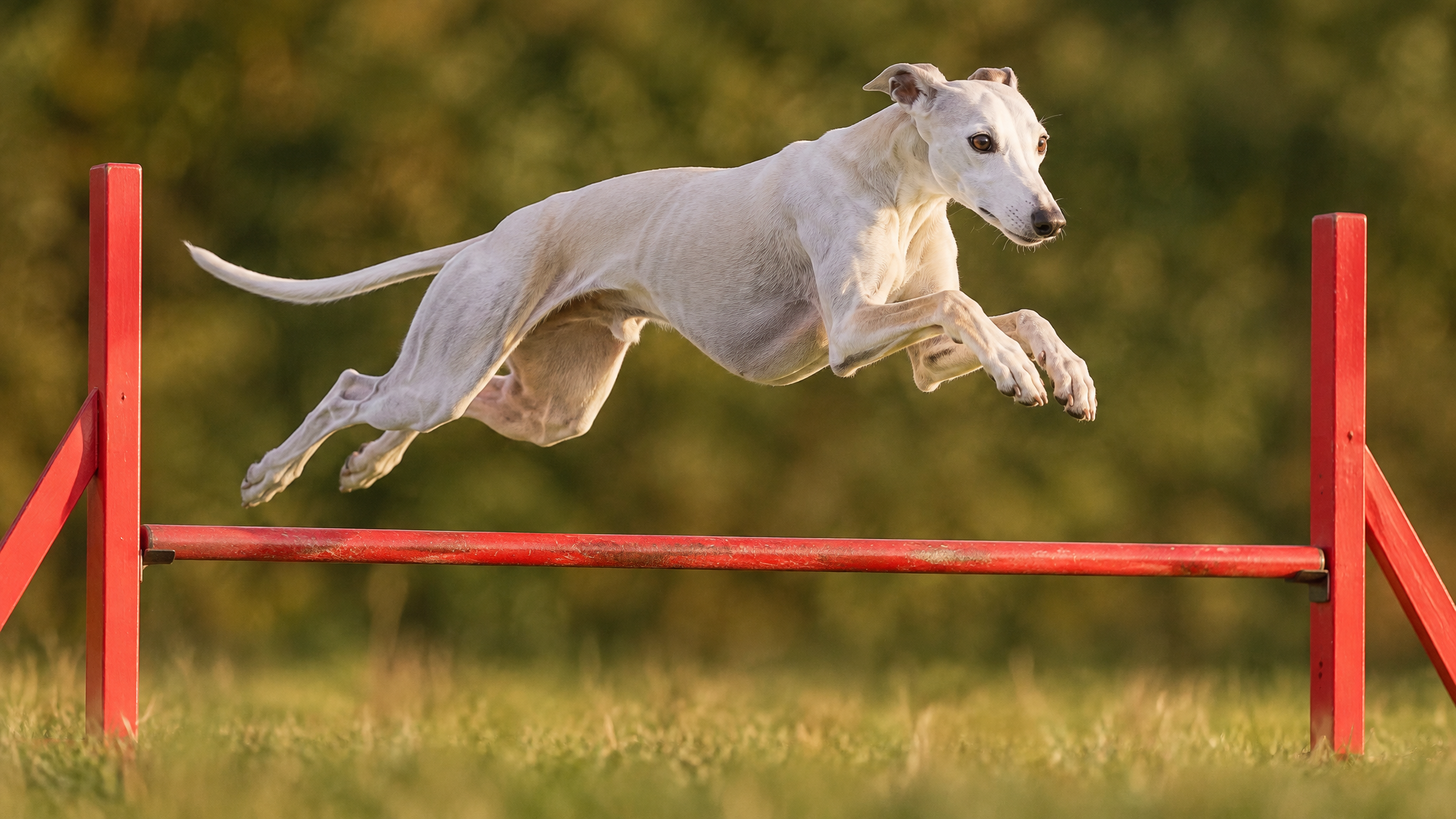
Generated with Seedream v5.0 Pro Layer Decomposition on Atlas Cloud
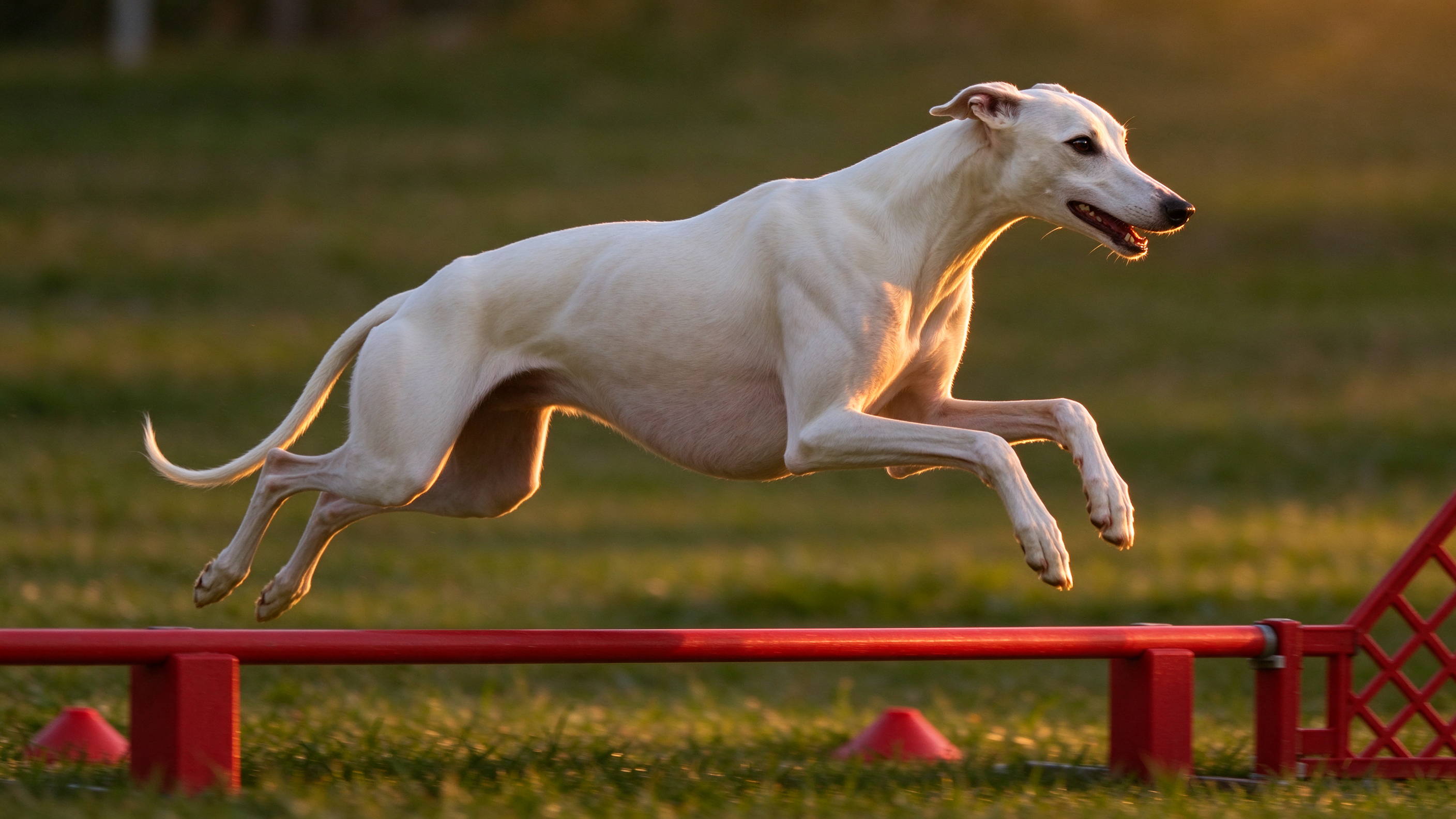
Generated with Seedream 2.0 on Atlas Cloud
Seleziona i limoni gialli nella fotografia di natura morta fornita, mantenendo ogni frutto visibile separato dagli oggetti circostanti. Conserva i contorni originali senza inventare superfici nascoste. Prepara l’immagine di riferimento con una composizione dall’alto di limoni, piatti in ceramica blu, lino piegato e foglie sparse, ampio spazio negativo e una luce nitida proveniente da sinistra, come quella di una finestra. Usa un formato panoramico 16:9 e un’immagine di riferimento a pieno formato, senza margini.
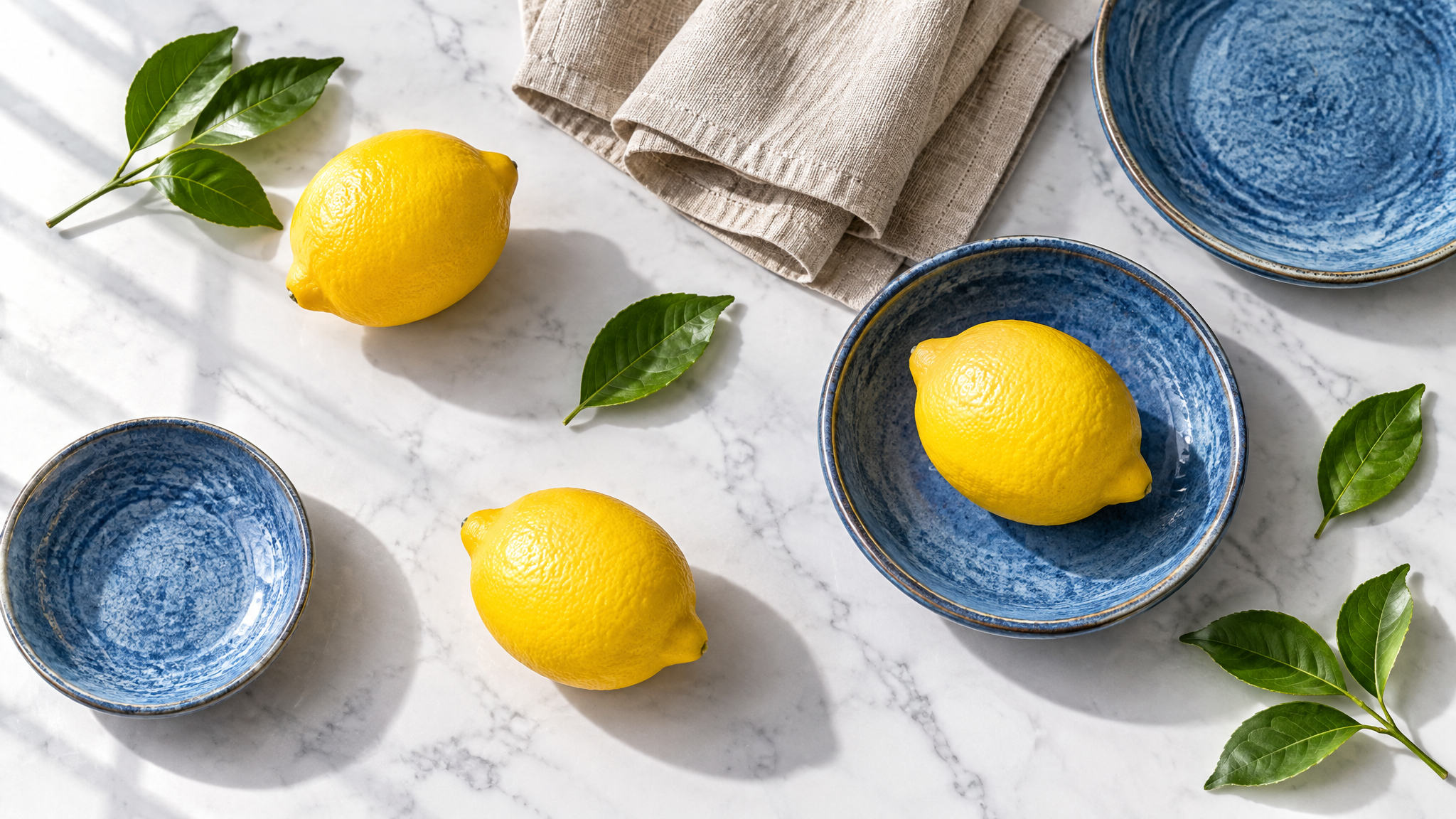
Generated with SAM 3 Image Segmentation on Atlas Cloud
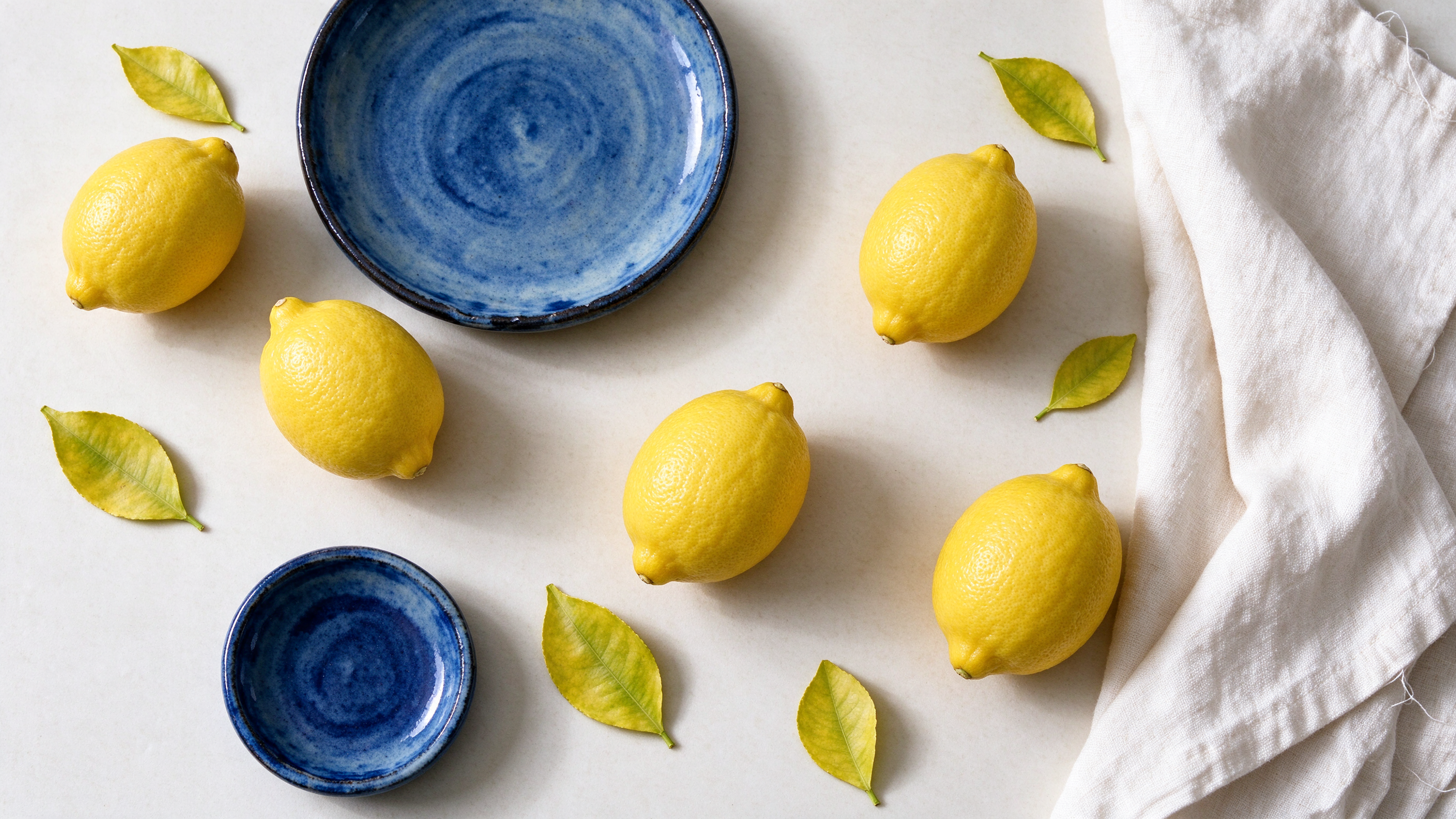
Generated with Seedream v5.0 Pro Layer Decomposition on Atlas Cloud
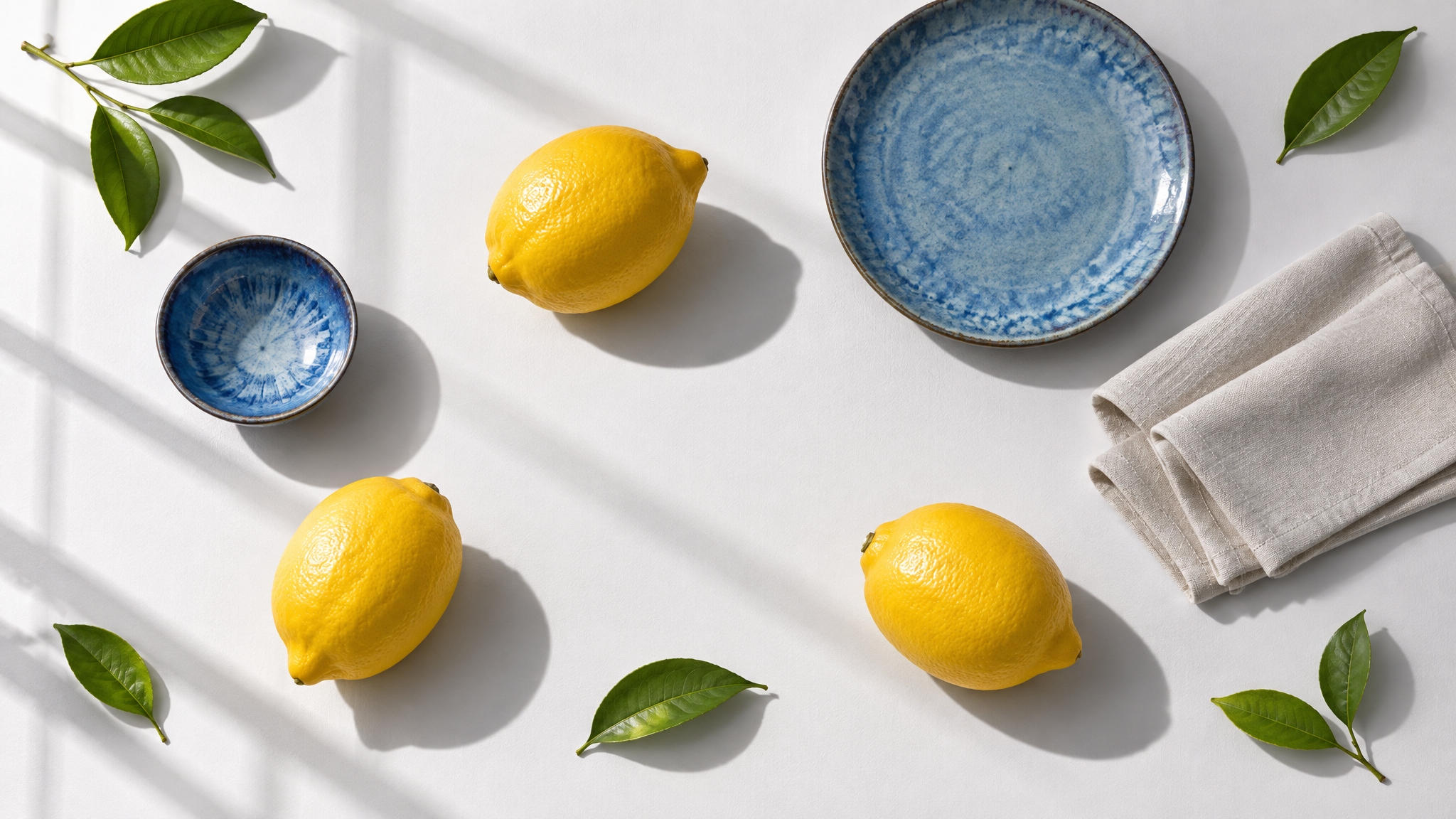
Generated with Seedream 2.0 on Atlas Cloud
Dai ritagli di prodotto alle pipeline di dati con SAM 3 Image
Per gli sviluppatori che usano SAM 3 Image, i ritagli PNG separati sono utili per le immagini dei prodotti e l’editing, le maschere RLE alimentano gli strumenti di annotazione e revisione e gli embedding NumPy memorizzabili nella cache forniscono input per pipeline di segmentazione personalizzate.

Ritagli di prodotto con SAM 3 Image
Descrivi un prodotto a parole e SAM 3 Image restituisce ogni elemento rilevato come PNG separato. Usa questi ritagli per preparare layout di catalogo e schede prodotto per marketplace nel tuo flusso di progettazione.

Selezioni interattive nelle foto
Quando una foto contiene più soggetti, i prompt basati su punti o riquadri guidano la segmentazione verso l’oggetto desiderato. Il PNG restituito fornisce agli sviluppatori di editor fotografici un elemento isolato da modificare ulteriormente nei propri strumenti.

Risorse per la composizione di campagne
Estrai persone, prodotti o oggetti di scena dalle foto originali come singole risorse PNG, usando prompt basati su testo, punti o riquadri. I designer possono assemblare gli elementi estratti nelle grafiche delle campagne con il software di composizione che già utilizzano.

Annotazione di dataset con SAM 3 Image
Per preparare i dataset, l’endpoint RLE restituisce le maschere di segmentazione in un file JSON anziché come immagini. I team di annotazione possono importare questi risultati negli strumenti di etichettatura compatibili e verificare i contorni prima di approvare i dati di addestramento.

Dashboard per la revisione della segmentazione
Su richiesta degli sviluppatori, alle maschere RLE possono essere aggiunti punteggi e riquadri di delimitazione per esaminare i risultati della segmentazione. Mostra questi campi accanto alle maschere decodificate nelle dashboard interne, così chi revisiona può controllare i singoli rilevamenti prima dell’esportazione.

Flussi di lavoro con gli embedding di SAM 3 Image
Memorizza nella cache l’embedding dell’immagine generato da SAM 3 Image in un file NumPy NPY per i flussi di lavoro di segmentazione personalizzati. Riutilizza questa rappresentazione nella tua pipeline quando un’applicazione deve selezionare elementi diversi dalla stessa immagine.
SAM 3 Image a confronto per attività, output e costo
Confronta gli endpoint SAM 3 Image con i modelli di decomposizione in livelli e rimozione dello sfondo per scegliere gli output necessari al tuo flusso di elaborazione delle immagini.
| Modello | Attività principale | Risorse restituite | Prezzo standard |
|---|---|---|---|
| SAM 3 Image Segmentation | Segmentazione degli oggetti tramite testo, punti o riquadri | Un file PNG separato per ogni oggetto rilevato | $0.006 / richiesta |
| SAM 3 Image Segmentation (RLE) | Segmentazione degli oggetti con output delle maschere codificato | JSON contenente maschere RLE, con punteggi e riquadri opzionali | $0.006 / richiesta |
| SAM 3 Image Embedding | Estrazione degli embedding dell’immagine per la memorizzazione nella cache e la segmentazione personalizzata | File NumPy .npy | $0.006 / richiesta |
| Seedream v5.0 Flash Layer Decomposition | Decomposizione dell’immagine in livelli modificabili | Immagine di base, livelli PNG trasparenti e metadati dei livelli | $0.018 / immagine |
| Midjourney V8.2 Remove Background | Rimozione automatica dello sfondo | Un file PNG con sfondo trasparente | $0.086 / immagine |
Come Utilizzare SAM 3 Image su Atlas Cloud
Inizia in pochi minuti — segui questi semplici passaggi per integrare e distribuire i modelli tramite la piattaforma Atlas Cloud.
Crea un Account Atlas Cloud
Registrati su atlascloud.ai e completa la verifica. I nuovi utenti ricevono crediti gratuiti per esplorare la piattaforma e testare i modelli.
Perché Usare SAM 3 Image su Atlas Cloud
Combinando i modelli avanzati di SAM 3 Image con la piattaforma GPU-accelerata di Atlas Cloud, ottieni prestazioni, scalabilità ed esperienza di sviluppo senza pari.
Prestazioni e Flessibilità
Bassa Latenza:
Inferenza ottimizzata su GPU per elaborazione in tempo reale.
API Unificata:
Esegui SAM 3 Image, GPT, Gemini e DeepSeek con un'unica integrazione.
Prezzi Trasparenti:
Fatturazione prevedibile per token con opzioni Serverless.
Enterprise e Scalabilità
Esperienza Sviluppatore:
SDK, analytics, strumenti di fine-tuning e template.
Affidabilità:
99,99% di uptime, RBAC e logging conforme alle normative.
Sicurezza e Conformità:
SOC 2 Type II, allineamento HIPAA, sovranità dei dati negli USA.
SAM 3 Image FAQ: From Object Cutouts to Mask Pipelines
SAM 3 Image is an Atlas Cloud model family based on Meta's Segment Anything Model 3 for still image segmentation and image embeddings. Its endpoints return individual object PNGs, segmentation masks encoded as RLE in JSON, or image embeddings saved as NumPy .npy files.
Object cutouts and segmentation masks can support product image editing, compositing, and dataset annotation tools. Developers building custom segmentation workflows can also extract image embeddings for caching and later processing.
Create an Atlas Cloud account and API key, then choose the endpoint that matches your output needs. For object cutouts, select meta/sam-3/image-segmentation and provide a source image with a text, point, or box prompt.
Atlas Cloud's standard price is $0.006 per request for image segmentation, including the PNG and RLE variants. Image Embedding uses the same standard rate of $0.006 per request.
Submit the selected model ID and required inputs to POST https://api.atlascloud.ai/api/v1/model/generateImage using your Atlas Cloud API key. Poll GET https://api.atlascloud.ai/api/v1/model/prediction/{id} with the returned prediction ID, then retrieve the output once the task completes or inspect error details if it fails.
Describe the target in text, mark it with points, or draw a box around it. When a text description is ambiguous, use a point or box to indicate the intended object.
The standard segmentation endpoint returns each detected object as a separate PNG for visual editing workflows. Choose the RLE variant for masks encoded in a JSON file, with optional scores and bounding boxes for processing in code.
Choose this endpoint when your application needs image features for caching or for your own segmentation pipeline. It returns a NumPy .npy file containing the image embedding rather than object cutouts or final masks.
Native text prompting is a key difference: SAM 3 can identify and segment instances that match a short concept description. Visual prompts are also supported, letting you select objects with points or boxes.
If a target is missed, confirm that it is visible in the source image and try a short, specific description. Points or boxes can guide selection when text is ambiguous. Check the prediction status and any error details before retrying the request.
Esplora Altre Famiglie
Seedance 2.5
L'API Seedance 2.5 fornisce agli sviluppatori il modello congiunto audio e video di ByteDance Seed, generando da 4 a 30 secondi in un solo passaggio fino a 4K nativo partendo da testo, da un primo fotogramma o da un massimo di 50 riferimenti tra immagini, video e audio. Consente di modificare regioni selezionate, estendere clip e segue gli input di modelli bianchi e green screen.

Seedance 2.5 Flash
La Seedance 2.5 Flash API offre agli sviluppatori il livello più veloce e a basso costo di Seedance 2.5 di ByteDance Seed, rilasciato il 12 novembre 2026. Genera video a quasi il doppio della velocità di Seedance 2.5, renderizza fino a 30 secondi per clip a 480p o 720p e acquisisce fino a 10 immagini, 5 video e 5 clip audio per richiesta, con editing video per varianti rapide.
Kling 4.0
L'API Kling 4 offre Kling 4.0, il modello video rilasciato da Kuaishou il 15 ottobre 2026. Genera fino a 30 secondi in un singolo passaggio, segue fino a 10 fotogrammi chiave, fonde 15 immagini, video e soggetti tramite Omni Reference e aggiunge audio stereo con sincronizzazione labiale. Atlas Cloud serve tutti e quattro gli endpoint, incluso l'editing video, su un'unica chiave compatibile con OpenAI a partire da $ 0,11 al secondo. Inizia a costruire oggi stesso.
Seedream 5.5
Seedream 5.5 è la famiglia di generazione e modifica di immagini di ByteDance Seed. Guida le modifiche con un massimo di 10 immagini di riferimento, oppure dividi un'immagine in un'immagine di base e fino a 99 livelli modificabili, con OCR opzionale per i livelli di testo. Su Atlas Cloud, la generazione, la modifica e la scomposizione dei livelli costano ciascuna 0,02 $ per immagine, aiutando gli sviluppatori a pianificare i budget per il flusso di lavoro delle immagini. Inizia a creare oggi stesso.
Kling 4.0 Flash
L'API Kling 4.0 Flash offre agli sviluppatori una versione rapida e a basso costo del modello video Kling 4.0 di Kuaishou. Genera clip 720p da 3 a 20 secondi in quattro rapporti d'aspetto, segue fino a 15 riferimenti tra immagini, video ed elementi Kling tramite Omni Reference e modifica i filmati esistenti tramite testo mentre genera audio nativo. Atlas Cloud serve tutti e quattro gli endpoint con un'unica chiave a partire da 0,0571 $ al secondo e le richieste non riuscite non vengono addebitate.
Wan 3.0
Wan 3.0 è il nuovo modello video di Alibaba, in grado di produrre fino a 30 secondi di video a 1080p a 30fps con audio in una singola generazione. Guidalo con un prompt di testo, un primo fotogramma, fino a 10 immagini di riferimento o un documento. Standard ha un costo inferiore al secondo, mentre Prime mantiene le stesse capacità e restituisce i risultati più velocemente. Entrambi funzionano sulla stessa chiave Atlas Cloud di Wan 2.7, 2.6 e 2.5.
GPT Image 2.6
L'API GPT Image 2.6 offre agli sviluppatori il modello di immagini di OpenAI rilasciato il 4 novembre 2026, in due versioni: Flare per un'iterazione rapida e Sunburst per lavori visivi dettagliati. Genera immagini il 50% più velocemente rispetto a prima e aggiunge l'output GIF animato, l'esportazione SVG, modifiche di markup mirate all'area cerchiata e un'impostazione di complessità. Atlas Cloud serve entrambi i modelli con un'unica chiave compatibile con OpenAI e prezzi a consumo.
Kling Image 4.0
Kling Image 4.0 è il modello di generazione di immagini di Kling AI per un design visivo dettagliato. Le immagini di riferimento guidano le composizioni, mentre i layout lunghi integrano le immagini dei prodotti e i messaggi del marchio in visuali di pagina complete. L'output ad alta risoluzione offre spazio per il ritaglio e la visualizzazione. Atlas Cloud semplifica l'integrazione con un'API unificata e prezzi trasparenti a consumo. Inizia a creare oggi stesso.
MiniMax H3 Image
MiniMax H3 Image si basa sulla famiglia H3 di MiniMax, combinando la generazione e la modifica delle immagini in un singolo checkpoint. Prompt dettagliati guidano personaggi, scene e composizione, mentre gli input di riferimento indirizzano i cambiamenti visivi. Atlas Cloud offre un accesso in hosting con fatturazione a consumo (pay-as-you-go), aiutandoti a integrare i flussi di lavoro delle immagini senza dover gestire l'infrastruttura del modello. Inizia a costruire oggi stesso.
MiniMax H3
MiniMax H3 è la famiglia di modelli video multimodali di MiniMax per la creazione guidata da testo, immagini e riferimenti. Sulle route supportate, mantiene i soggetti presenti nei media di riferimento, offre rapporti d’aspetto flessibili e abbina l’audio generato alle immagini tramite H3 Developer, con profili di output selezionati in base all’endpoint. Atlas Cloud riunisce l’intera famiglia dietro un’unica chiave compatibile con OpenAI, con prezzi trasparenti a consumo a partire dalla tariffa standard di $0.038 al secondo. Inizia a sviluppare oggi stesso.
GPT Image 2.5
GPT Image 2.5 è il modello di generazione e modifica di immagini di OpenAI, rilasciato l'8 settembre 2026 in due versioni API. Flare è quello predefinito, con una latenza fino al 50% inferiore rispetto a GPT Image 2, mentre Sunburst richiede più tempo per offrire un controllo più preciso sulle modifiche dettagliate. Entrambi supportano fino a 16 immagini di riferimento, cinque livelli di qualità, sfondi trasparenti e dimensioni personalizzate fino a 3840px. Atlas Cloud fornisce l'API di GPT Image 2.5 alle tariffe per token di OpenAI, o a un prezzo fisso per immagine in base al livello 1K, 2K o 4K.
Seedream 5.0 Pro
L'API Seedream 5.0 Pro offre agli sviluppatori il modello di editing delle immagini controllabile di ByteDance su Atlas Cloud. Posiziona le modifiche con precisione tramite ancore e coordinate, separa le immagini in livelli modificabili, fonde più riferimenti e abbina colori e materiali esatti, con testo multilingue a 2K e 3K. Su Atlas Cloud puoi accedervi tramite una sola chiave!
Articoli consigliati
Guide, tutorial e novità di prodotto per sfruttare al meglio Atlas Cloud.





