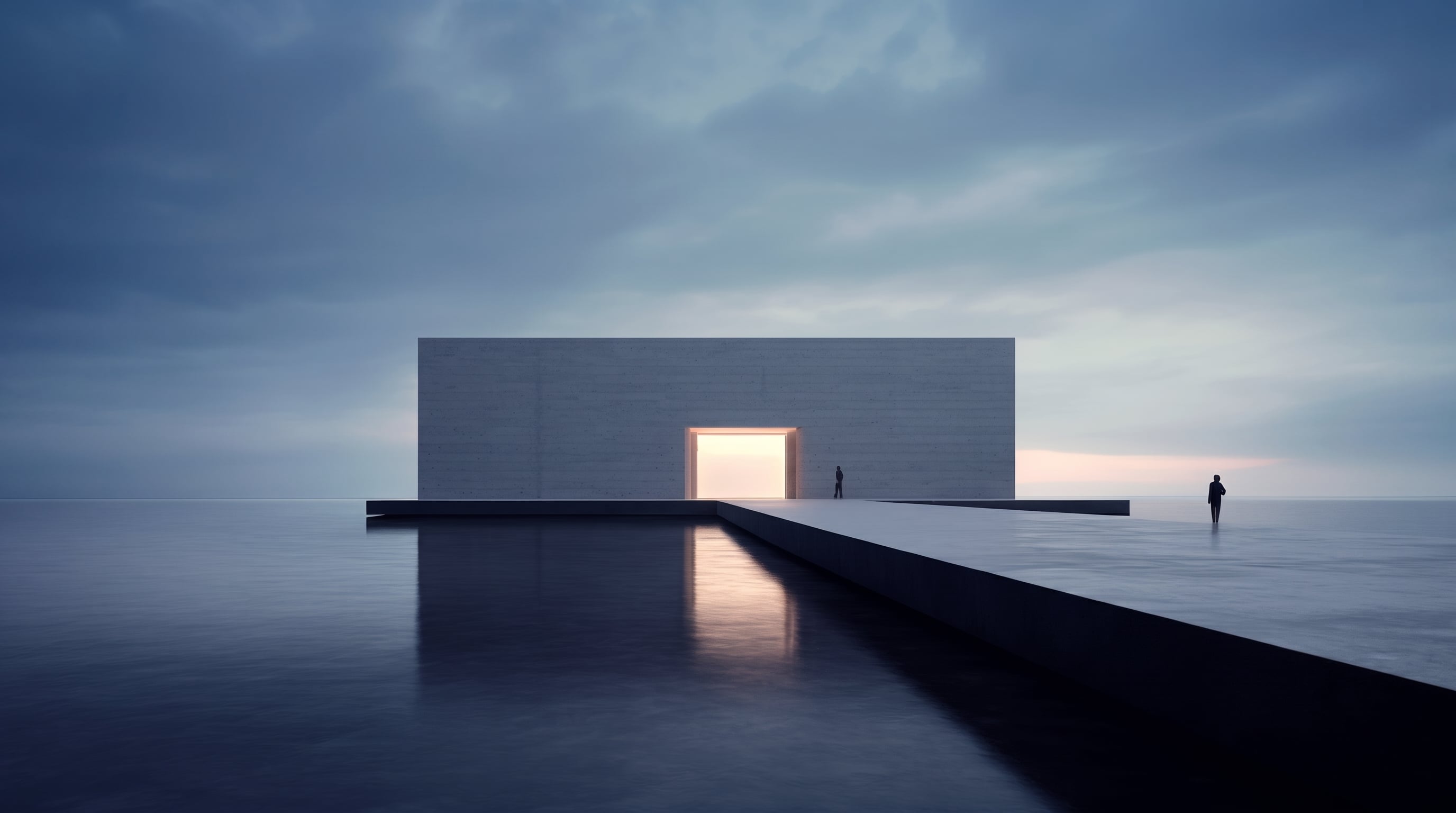


Qwen Image 2.0 pro Prompt Intelligence
Qwen Image 2.0 pro comes from the Qwen model family and serves professional image generation and editing workflows. Advanced prompt and instruction understanding turns detailed creative direction into high quality new images or precise edits. Atlas Cloud provides ready-to-use REST inference endpoints for both models at the standard price of $0.075 per call, simplifying integration and cost planning. Start building today.
Qwen Image 2.0 Pro is developed by Alibaba. Atlas Cloud (operated by Atlas Cloud AI LLC) provides access to it and does not own it. All trademarks belong to their respective owners.
Explore the Leading Qwen Image 2.0 Pro
Atlas Cloud provides you with the latest industry-leading creative models.


Qwen Image 2.0 pro: Generation and Editing Compared
Compare Qwen Image 2.0 pro endpoints by input, output, verified 2K capability, and practical use case.
| Modality | Description |
|---|---|
| Qwen Image 2.0 Pro Text to Image API (Text to Image) | Turn text prompts into professional grade images with advanced prompt understanding. Output up to 2K supports detailed visual creation. Use this REST inference endpoint for concept art, marketing assets, and product visuals. |
| Qwen Image 2.0 Pro Edit API (Image Editing) | Starting from an existing image and editing instructions, this endpoint produces a revised image with advanced instruction understanding. Results support output up to 2K. Choose it for retouching, visual variations, and controlled asset updates through a ready to use REST API. |
Inside the Qwen Image 2.0 pro Production Toolkit
Qwen Image 2.0 pro brings native 2K generation, bilingual typography, complex prompt handling, multi-reference editing, flexible size and seed controls, plus no-cold-start REST access on Atlas Cloud at a standard $0.075 per image.
Native 2K Detail with Qwen Image 2.0 pro
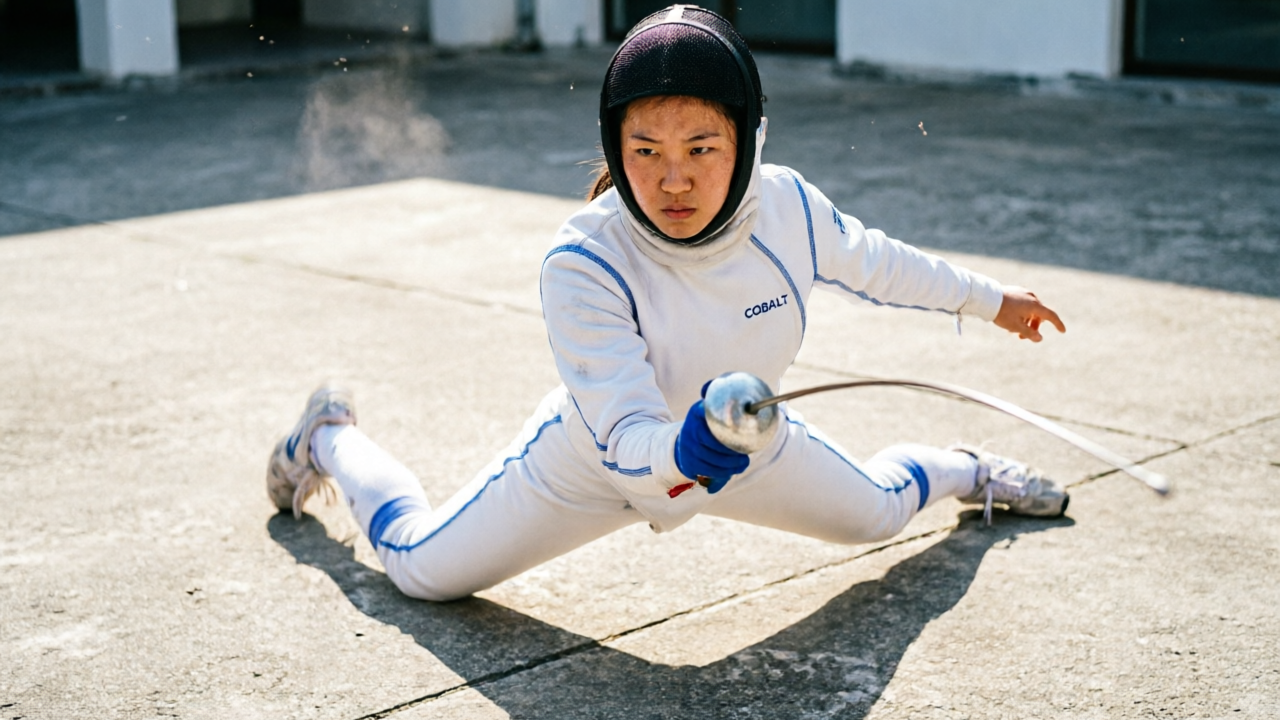
Generate at sizes from 512 to 2048 pixels, with native 2K output available for detailed scenes. The Pro tier prioritizes visual fidelity, preserving fabric, architecture, foliage, and other fine textures at delivery scale. Use it when campaign art, product imagery, or polished concept work must remain convincing under close inspection, across final exports and tightly cropped placements.

Professional Bilingual Typography
Create text-rich visuals from Chinese or English prompts up to 800 characters through the Atlas endpoint. Professional typography handling supports infographics, presentation slides, posters, and comics, with legible Chinese and English text integrated into the composition. This makes the model a practical choice for bilingual campaigns, editorial layouts, and information-rich design workflows at production scale.

Complex Prompts, Cleaner Composition
Describe multiple subjects, attributes, spatial relationships, and visual direction in one prompt. Advanced prompt understanding helps the model translate complex instructions into coherent compositions while retaining key requested elements across varied styles. When creative briefs carry several constraints, developers can move from detailed direction to production-ready imagery with fewer manual corrections before handing assets to designers or downstream systems.
Reference Editing in Qwen Image 2.0 pro
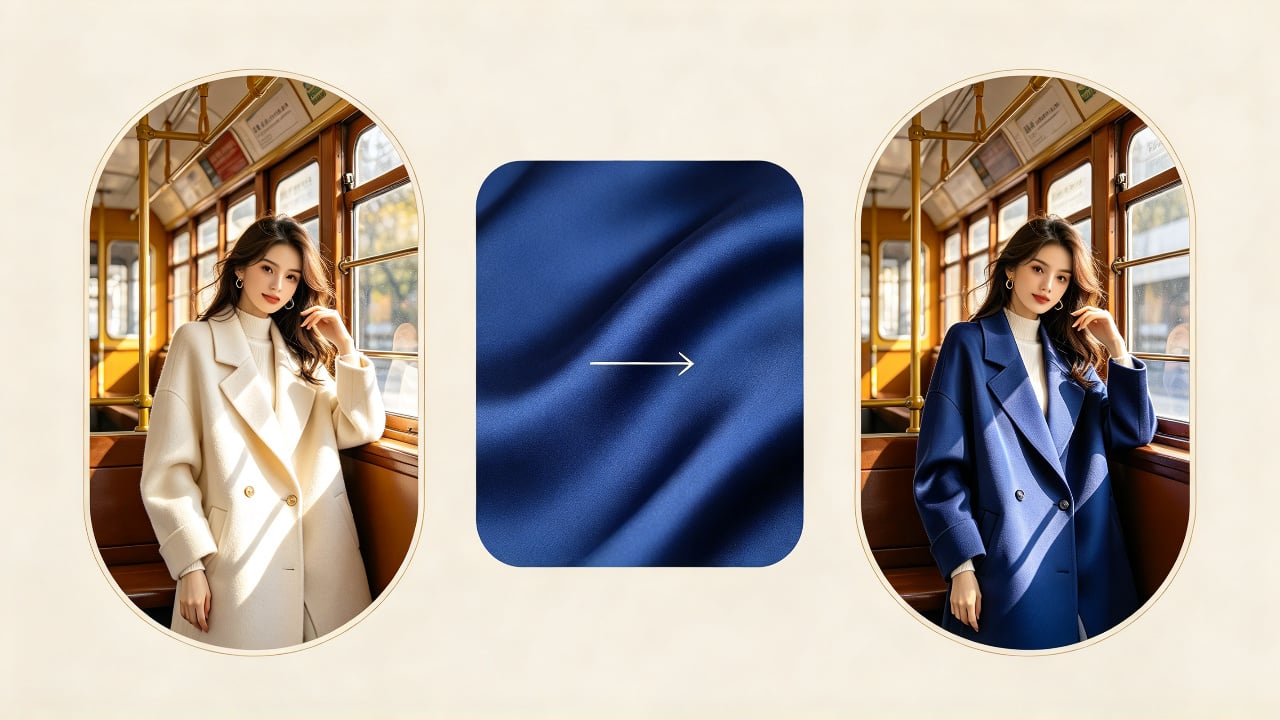
Start with one to three reference images and an editing prompt in Chinese or English. The Edit endpoint applies natural-language instructions while supporting output dimensions up to 2048 pixels and an optional reproducible seed. This workflow suits product variations, art direction, and controlled visual revisions through a compact request built from prompt, images, size, and seed.
Flexible Size and Seed Control
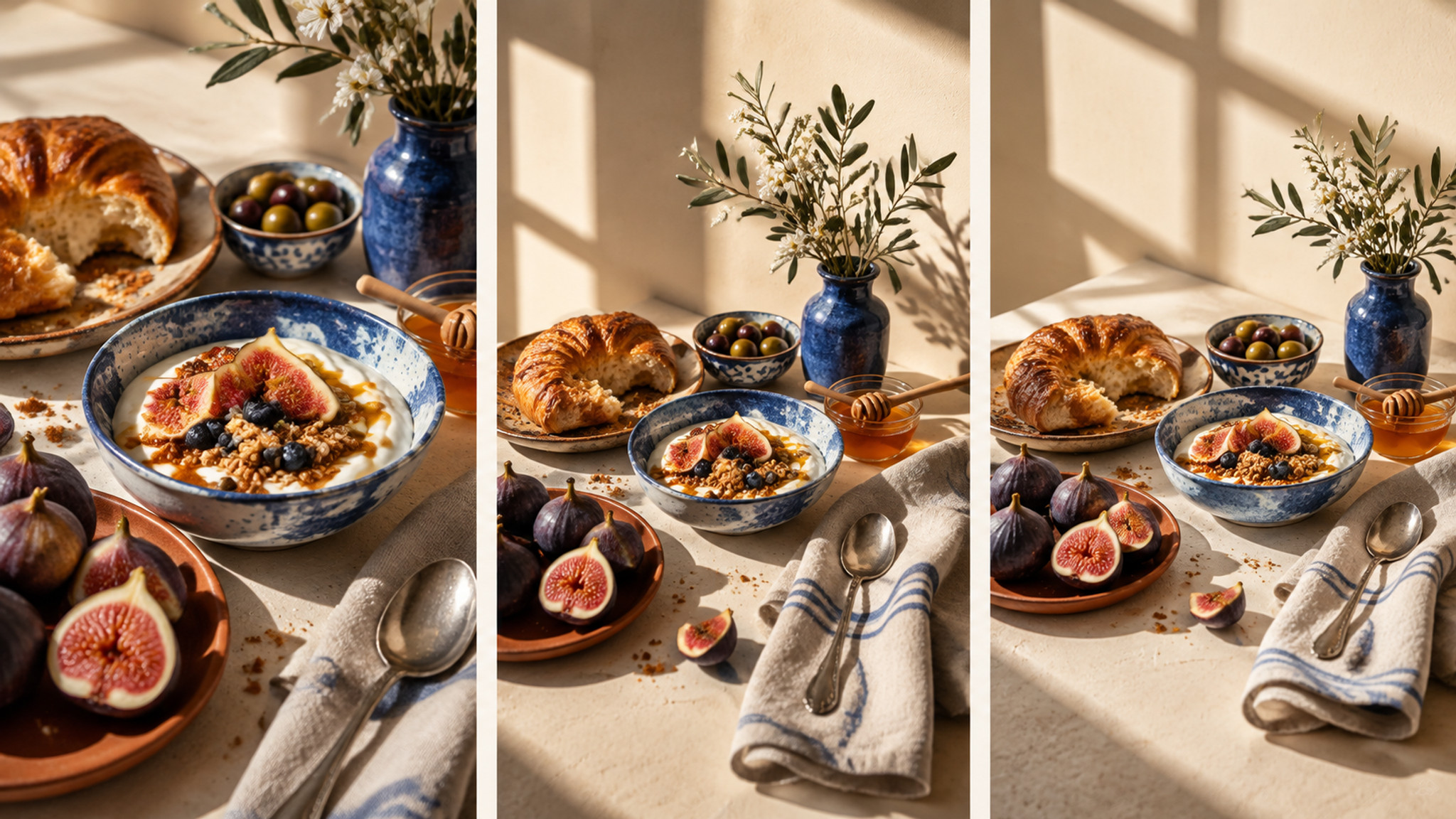
Choose image dimensions from 512 to 2048 pixels, then set a seed from 0 to 2,147,483,647 when repeatable exploration matters. A value of minus one keeps seed selection random. Build landscape, square, or portrait assets for different placements while retaining a consistent request pattern across iterative production runs, batch experiments, and structured creative review cycles.
Production REST Access
Call both Pro endpoints through Atlas Cloud’s ready-to-use REST inference API with no cold starts. Standard pricing is $0.075 per image, and pay-as-you-go access keeps per-call costs visible. Developers can connect text generation and reference editing to production workflows through one Atlas Cloud key while preserving a consistent integration pattern from prototype testing to scaled deployment.
One Prompt, Three Visions: Qwen Image 2.0 pro Compared
Compare how Qwen Image 2.0 pro and two Atlas Cloud alternatives interpret the same detailed prompt across editorial photography and richly textured still life.
Japanese overexposed film fashion photography, a decisive backstage moment in the wings of a ballet theater: a young female dancer kneels on one knee tying her pointe shoe as a sudden cross-draft snatches away her decorative white-feather headpiece; she lunges to catch it with one anatomically accurate outstretched hand, fingers naturally articulated, while her other pointe shoe hangs loose with untied ivory satin ribbons suspended in motion. A large backstage mirror precisely and consistently reflects blurred silhouettes of the corps de ballet sweeping across the lit stage and a clearly readable countdown sign displaying exactly “03 MINUTES”. Heavy burgundy-red velvet curtains create a dramatic frame-within-a-frame; the long wooden bench and floorboard seams form strong diagonal leading lines toward the dancer and airborne headpiece. Bold high-key backlight cuts in from stage right, deliberately overexposing the highlights while producing luminous rim light on flying feathers, loose hair strands, and translucent layers of tulle; subtle motion blur on the dancers and ribbons, sharp focus on her expression, hands, and shoe. Restrained palette of wine red, warm ivory, and muted mint green; realistic skin texture, worn satin pointe shoes, visible velvet pile, delicate gauze weave, aged wood grain, soft halation, fine analog grain, slight color bloom, poetic imperfections. Candid Japanese editorial fashion image, emotionally tense and graceful, 35mm film aesthetic, 50mm lens, shallow depth of field, natural proportions, coherent mirror geometry, no posing, no glossy plastic skin, no greasy over-rendering, no HDR, no muddy colors, no excessive detail, no ubiquitous glow, no cheap epic fantasy styling — wide horizontal 16:9 aspect ratio, full-bleed edge-to-edge composition.
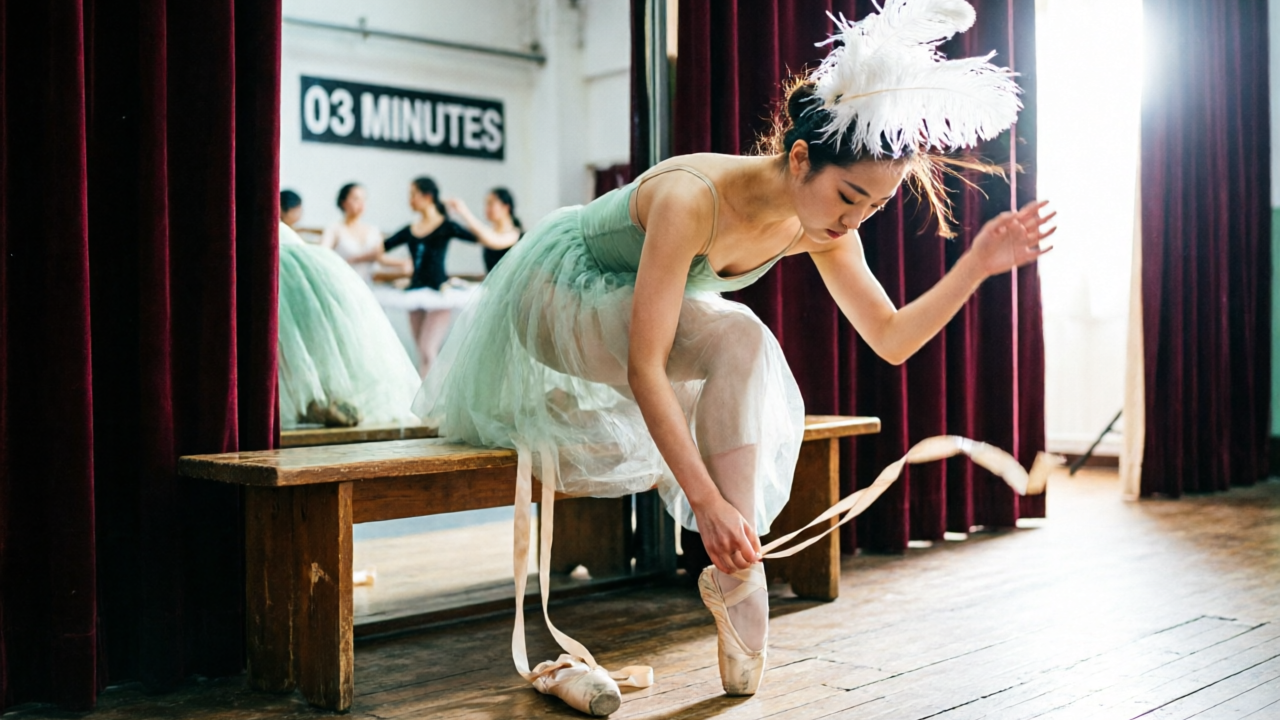
Generated with Qwen Image 2.0 Pro Text-to-Image on Atlas Cloud
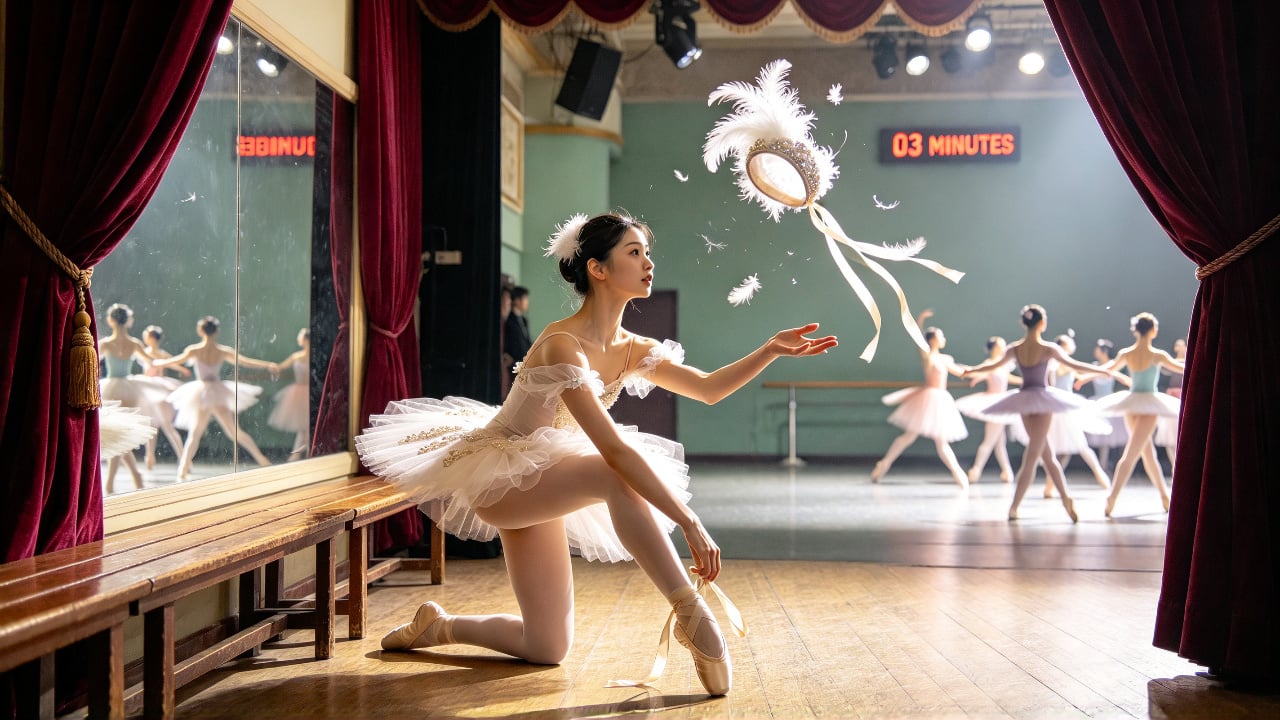
Generated with Nano Banana 2 Text-to-Image on Atlas Cloud
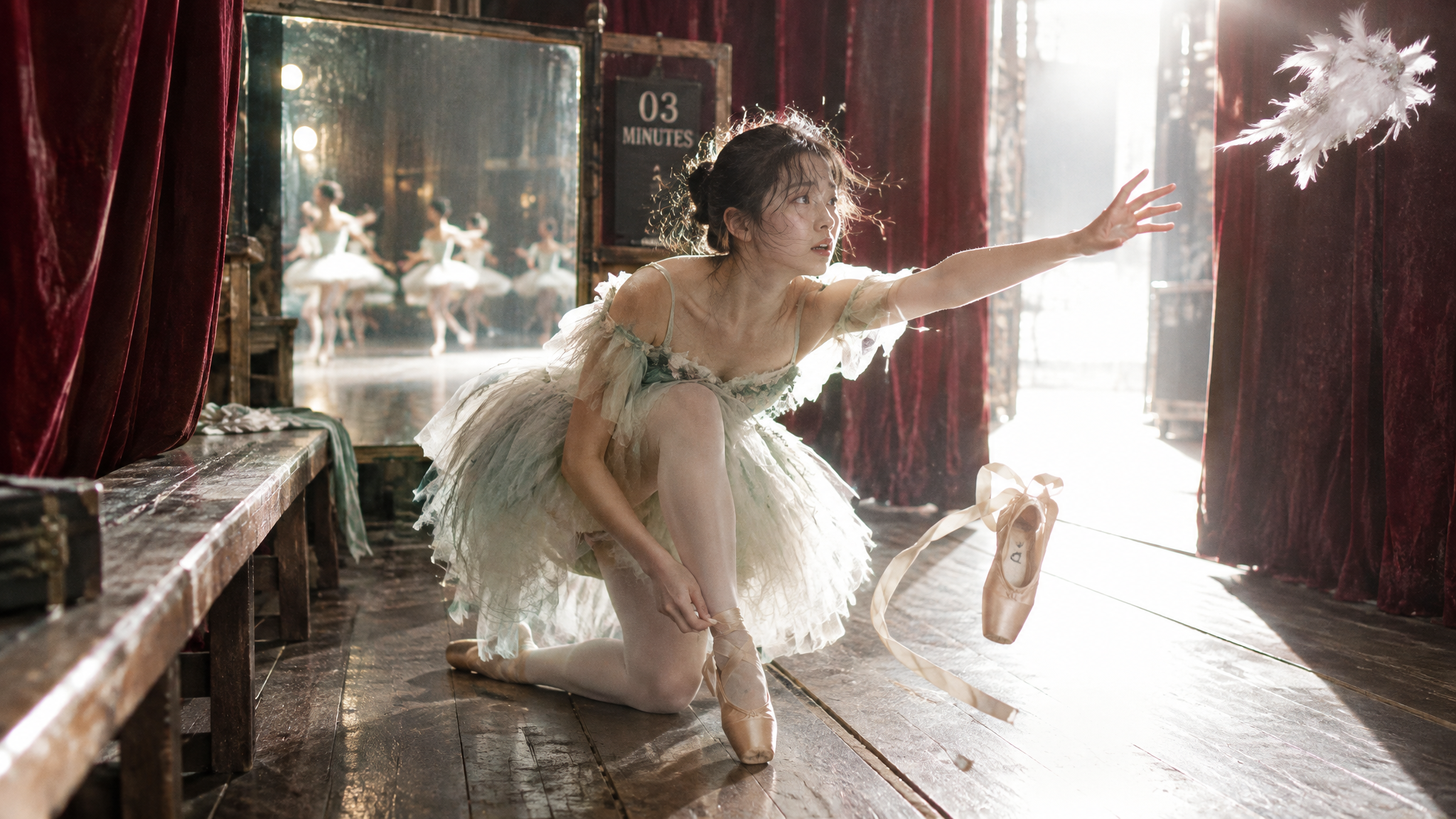
Generated with Qwen Image 3.0 Text-to-Image on Atlas Cloud
Inside a still-operating antique letterpress workshop, capture the decisive instant when a young female typesetter pulls a damp, elongated proof sheet from the press rollers; the freshly printed headline must be perfectly legible and spelled exactly: “MIDNIGHT EDITION / No. 27”. A flock of ink-black swallows seamlessly transforms from flat printed silhouettes on the paper into real birds in mid-flight, sweeping upward through a high skylight as she tilts her head with genuine wide-eyed delight; the long proof curls and billows dramatically in their wake. Restrained magical-realist editorial photography, grounded and believable rather than fantastical spectacle. Low-angle 24mm wide-lens perspective; strong leading lines from the press rails draw the eye horizontally across intricate cast-iron machinery, the woman, the unfurling paper, and the birds; subtle frame-within-a-frame created by the skylight. Directional cold-white window light cuts diagonally through the workshop, while focused amber task lamps rim the paper fibers, worn lead-type edges, rusted mechanisms, wet ink sheen, and lightly smudged fingertips. Strict limited palette of deep indigo, warm paper ivory, and oxidized machinery red, with controlled cool-warm balance. Authentic youthful skin texture, practical work clothes, finely resolved gears and rollers, tactile cotton paper, tiny ink imperfections, restrained film grain, slight motion blur only on wing tips and the airborne edge of the proof. Sophisticated cinematic realism, natural tonal range, quiet wonder, no posing, no oily over-rendering, no HDR, no plastic skin, no muddy colors, no excessive glow, no cheap epic fantasy aesthetic, wide horizontal 16:9 aspect ratio, full-bleed edge-to-edge composition.
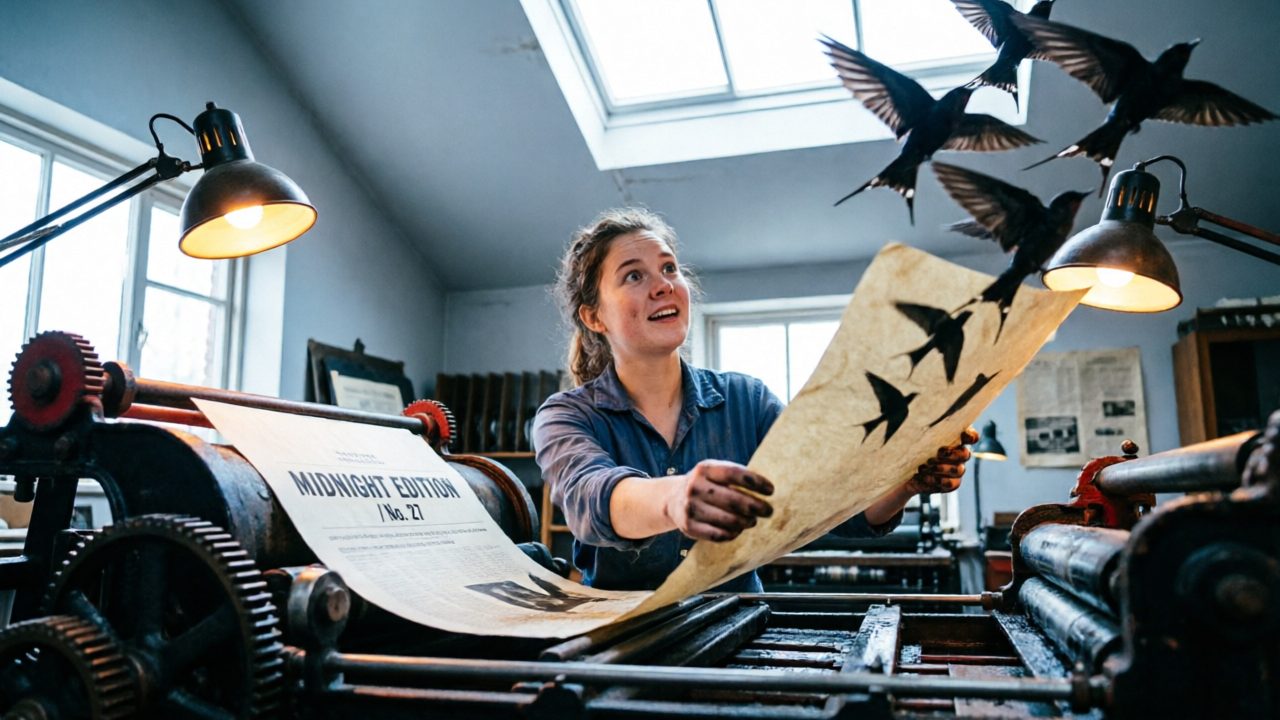
Generated with Qwen Image 2.0 Pro Text-to-Image on Atlas Cloud

Generated with Nano Banana 2 Text-to-Image on Atlas Cloud
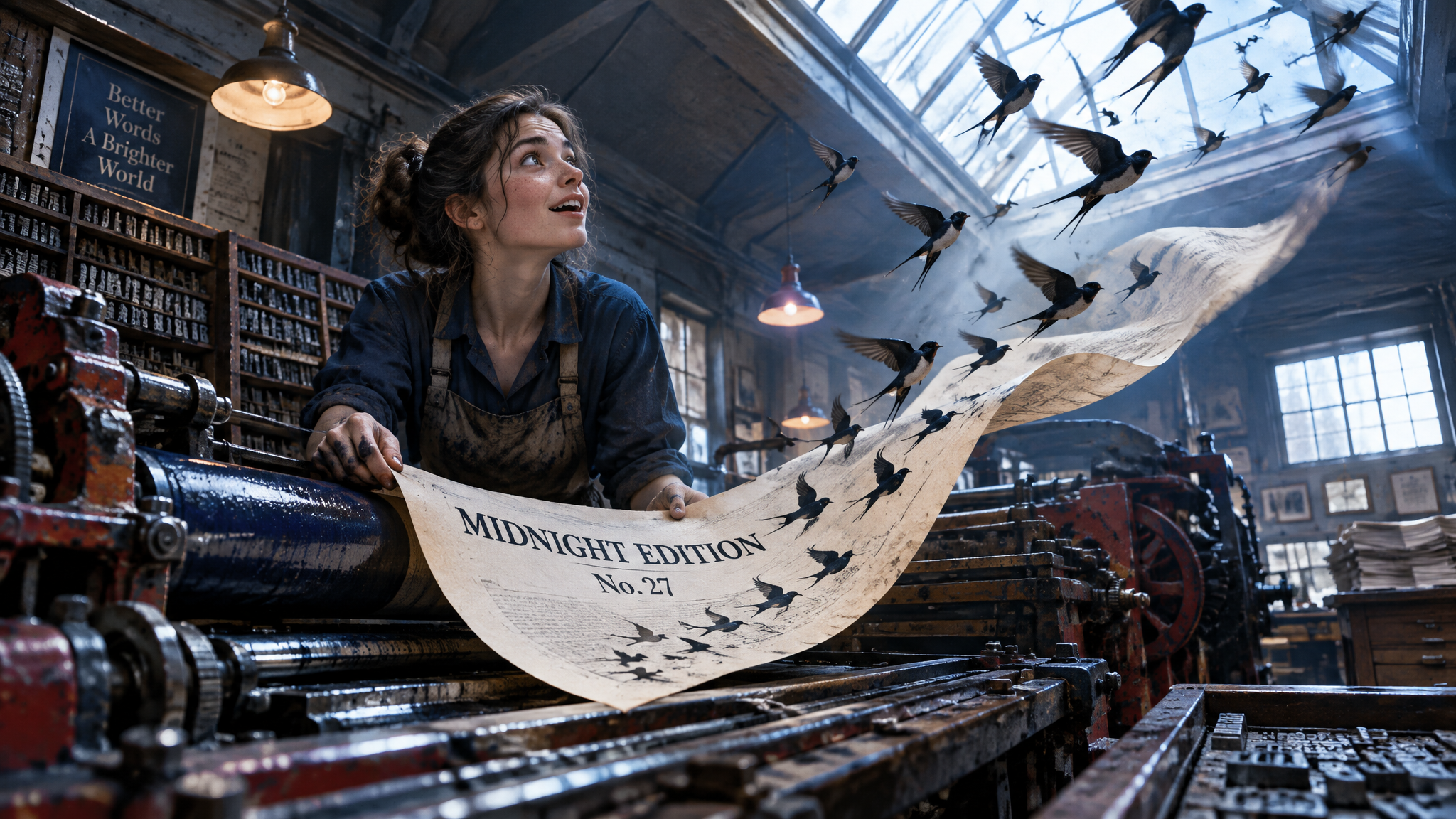
Generated with Qwen Image 3.0 Text-to-Image on Atlas Cloud
Qwen Image 2.0 pro: From Brief to Final Visual
Across campaign design, product exploration, concept art, publishing, and image refinement, Qwen Image 2.0 pro brings professional-grade generation and editing to developers through ready-to-use REST endpoints with output up to 2K and no cold starts.

Campaign Visuals with Qwen Image 2.0 pro
Qwen Image 2.0 Pro turns detailed prompts into professional-grade campaign imagery with output up to 2K. Marketing teams can produce polished hero art, launch graphics, and social visuals through a ready-to-use REST API.

Product Image Variations
Start with a product concept and use advanced prompt understanding to create high-quality visual directions at up to 2K. E-commerce teams can explore polished catalog imagery, promotional scenes, and launch concepts before production.

Qwen Image 2.0 pro Concept Art
Complex briefs become high-quality concept images because Qwen Image 2.0 Pro understands detailed prompts and renders up to 2K. Game, animation, and design teams can develop characters, environments, and visual directions.

Editorial and Presentation Imagery
Need a polished visual for an article, pitch, or report? Advanced prompt understanding helps translate detailed creative direction into professional-grade imagery, giving publishers and business teams assets sized up to 2K.

Instruction-Led Image Refinement
Edit existing images from detailed instructions with Qwen Image 2.0 Pro Edit, producing professional-grade results up to 2K. Creative teams can refine campaign assets, product imagery, or client deliverables through its ready-to-use REST API.

Qwen Image 2.0 pro Creative Tools
Build image products around professional-grade generation and editing endpoints, both supporting output up to 2K. Developers can add visual creation and instruction-based refinement to their applications without managing model hosting or cold starts.
Qwen Image 2.0 pro API Across Leading Image Models
Compare Qwen Image 2.0 pro endpoints with Seedream v5.0 Pro and Nano Banana 2 across generation, editing, resolution, and standard per-image pricing.
| Model | Provider | Text-to-Image | Image Editing | Maximum Resolution | Standard Price |
|---|---|---|---|---|---|
| Qwen Image 2.0 Pro Text-to-image | Qwen | √ | - | Up to 2K | $0.075/image |
| Qwen Image 2.0 Pro Edit | Qwen | - | √ | Up to 2K | $0.075/image |
| Seedream v5.0 Pro Text-to-Image | ByteDance | √ | - | Up to 2K | $0.045/image |
| Seedream v5.0 Pro Edit | ByteDance | - | √ | Up to 2K | $0.045/image |
| Nano Banana 2 Text-to-Image | √ | - | Up to 4K | $0.08/image | |
| Nano Banana 2 Edit | - | √ | Up to 4K | $0.08/image |
How to Use Qwen Image 2.0 Pro on Atlas Cloud
Get started in minutes — follow these simple steps to integrate and deploy models through Atlas Cloud's platform.
Create an Atlas Cloud Account
Sign up at atlascloud.ai and complete verification. New users receive free credits to explore the platform and test models.
Why Use Qwen Image 2.0 Pro on Atlas Cloud
Combining the advanced Qwen Image 2.0 Pro models with Atlas Cloud's GPU-accelerated platform provides unmatched performance, scalability, and developer experience.
Performance & flexibility
Low Latency:
GPU-optimized inference for real-time reasoning.
Unified API:
Run Qwen Image 2.0 Pro, GPT, Gemini, and DeepSeek with one integration.
Transparent Pricing:
Predictable per-token billing with serverless options.
Enterprise & Scale
Developer Experience:
SDKs, analytics, fine-tuning tools, and templates.
Reliability:
99.99% uptime, RBAC, and compliance-ready logging.
Security & Compliance:
SOC 2 Type II, HIPAA alignment, data sovereignty in US.
Qwen Image 2.0 Pro API Questions, Answered
Qwen Image 2.0 Pro is Alibaba's professional image model for high quality text to image generation and instruction based editing. Atlas Cloud provides separate REST models for both tasks, with output support up to 2K.
It can create original images from text prompts or modify existing images using written instructions. Verified strengths include advanced prompt understanding, stronger text rendering, realistic textures, and close adherence to the requested content.
Create an Atlas Cloud API key, choose the generation or editing model, and submit the fields defined by its Playground schema. The ready to use REST inference service runs without cold starts.
Use `qwen/qwen-image-2.0-pro/text-to-image` when generating an image from a prompt. Select `qwen/qwen-image-2.0-pro/edit` when applying instructions to an existing image.
Atlas Cloud lists a standard price of $0.075 per image for both generation and editing. Usage follows pay as you go billing, so this FAQ does not rely on temporary promotional discounts.
Both Atlas Cloud backend profiles specify output support up to 2K. Check the current Playground schema for the selected model before setting dimensions, since accepted values can differ between endpoints and providers.
The generation model starts with a text prompt and creates a new image. For editing, send the source image and the requested change through the dedicated Edit model.
Choose Pro when text rendering, realistic texture, detailed scenes, and semantic adherence matter more than rapid iteration. Official Qwen documentation positions the standard model as the option that balances quality with response speed.
First confirm the model ID, authentication, and request body against the relevant Atlas Cloud Playground schema. Make sure editing requests use the Edit model and include the required source input. If the payload is valid but still fails, retain the request ID and complete error response for troubleshooting.
Explore More Families
Seedance 2.5
Seedance 2.5 API is now available on Atlas Cloud! It gives developers ByteDance's newest video model. It generates up to 30 seconds of native video in a single pass from text, a single image, or as many as 50 multimodal references, with synchronized audio and in-frame multilingual text. On Atlas Cloud you reach it through one key, with subject consistency and improved physics keeping long shots coherent. (Update: Seedance 2.5 1080P API Is Available NOW!)

Wan 3.0
Wan 3.0 API is the next generation of Alibaba's Wan video family, built to push long-form generation, multi-reference control, and audiovisual quality to new heights. Atlas Cloud already hosts Wan 2.7, 2.6, and 2.5, and Wan 3.0 runs on the same unified key with no separate setup. Start building today. Scroll down to the showcase to see what Wan 3.0 can create.
MiniMax H3
MiniMax H3 is MiniMax's multimodal video family for text, image, and reference guided creation. Across supported routes, it preserves subjects from reference media, offers flexible aspect ratios, and pairs generated sound with visuals through H3 Developer, with output profiles selected by endpoint. Atlas Cloud unifies the family behind one OpenAI-compatible key with transparent pay-as-you-go pricing from the standard rate of $0.038 per second. Start building today.
Seedream 5.0 Pro
Seedream 5.0 Pro API gives developers ByteDance's controllable image editing model on Atlas Cloud. It places edits precisely with anchors and coordinates, separates images into editable layers, fuses multiple references, and matches exact colors and materials, with multilingual text at 2K and 3K. On Atlas Cloud you reach it through one key!
Seedance 2.0
Seedance 2.0 is ByteDance’s production video model for precise shot creation. Turn prompts into video, animate a first-frame image with optional last-frame guidance, or shape results with reference media and optional web search. Atlas Cloud brings these workflows into one unified API with transparent pay-as-you-go pricing and one OpenAI-compatible key. Start building today.
GPT Image 2.5
The gpt-image-2.5 family from OpenAI gives developers a choice of Flare and Sunburst for production image workflows. Render at arbitrary resolutions up to 3840x2160 and select from five quality tiers, including xhigh and max, to match specific output requirements. Atlas Cloud provides ready-to-use REST inference with no cold starts and standard pricing from $0.004 per generation. Start building today.
GPT Image 2
The GPT Image 2 API gives developers access to OpenAI's latest image model, the successor to GPT Image 1.5. It generates and edits images with accurate text rendering across Latin and CJK scripts, plus strong composition for posters, mockups, and infographics. On Atlas Cloud you reach it through one unified API alongside 300+ models, with free credits, 99.99% uptime, and no OpenAI organization verification required.
Gemini Omni Flash
The gemini omni API brings Google DeepMind's natively multimodal Gemini Omni Flash family, including Gemini Omni 1.1 Flash, to developers. Create cinematic video with synchronized native audio, animate still images with precise start and end frame control, or revise existing footage through text guided edits that preserve untouched content. Atlas Cloud provides one OpenAI-compatible key, unified access, and transparent pay-as-you-go pricing. Start building today.
Grok Imagine
Grok Imagine Image is xAI's family for generating polished visuals and revising one or more reference images through natural language instructions. Its standard and quality endpoints cover text to image creation, single image changes, and indexed multi-image composition. Atlas Cloud brings these workflows into one API, with standard generation and editing priced at $0.02 per image. Start building today.
Google's most powerful creative models are all available on Atlas Cloud. Veo 3.1 delivers cinematic video generation, Nano Banana 2 powers high-fidelity image creation, and Gemini brings multimodal intelligence to every workflow. Access the full Google model suite through one API key with Day-0 availability and pay-as-you-go pricing.
Seedance 2.0 Mini
The Seedance 2.0 Mini API is the lightest, lowest-cost tier of ByteDance's Seedance video line, built for teams where throughput and unit cost matter more than maximum polish. Use it for batch generation, rapid prototyping, and draft passes, all through one OpenAI-compatible key on Atlas Cloud.
ByteDance
From cinematic video generation to high-fidelity image creation, ByteDance's most powerful models are live on Atlas Cloud. Run Seedance and Seedream at scale with the lowest inference pricing and zero infrastructure overhead.
Recommended Articles
Guides, tutorials, and product updates to help you get the most out of Atlas Cloud.





