
SAM 3 Image: Promptable Object Segmentation
Built on Meta's Segment Anything Model 3, SAM 3 Image identifies and isolates objects in still images. The family also provides image embeddings as NumPy .npy files for caching and running your own segmentation workflows. Atlas Cloud offers dedicated segmentation and embedding models at a standard price of $0.006 per request across all three endpoints. Start building today.
Atlas Cloud (operated by Atlas Cloud AI LLC) provides access to third-party AI models developed and owned by their respective providers. Atlas Cloud does not own these models, and all model names, product names, and trademarks belong to their respective owners.
Explore the Leading SAM 3 Image(3)


SAM 3 Image: Object Cutouts, RLE Masks, and Embeddings
Compare three SAM 3 Image endpoints by output format and segmentation workflow.
| Modality | Description |
|---|---|
| SAM 3 Image Segmentation | Turn a still image into object cutouts using text, point, or box prompts. Each detected object is returned as a separate PNG for image editing and asset preparation. Standard pricing is $0.006 per request. |
| SAM 3 Image Segmentation (RLE) | If your pipeline processes masks in code, this endpoint converts an image into segmentation masks stored as run-length encoding (RLE) in a JSON file. Optional per-mask scores and boxes provide additional data for downstream processing. Each request costs $0.006 at the standard rate. |
| SAM 3 Image Embedding | SAM 3 Image Embedding computes an image embedding from an input image and returns a NumPy .npy file. Cache the embedding and use it as the foundation for your own segmentation workflow. The standard price per request is $0.006. |
SAM 3 Image: Select Subjects, Export Masks
From text, point, and box guidance to individual PNG cutouts, RLE JSON masks, and reusable NumPy embeddings, SAM 3 Image brings Meta's segmentation tools to Atlas Cloud's unified API.
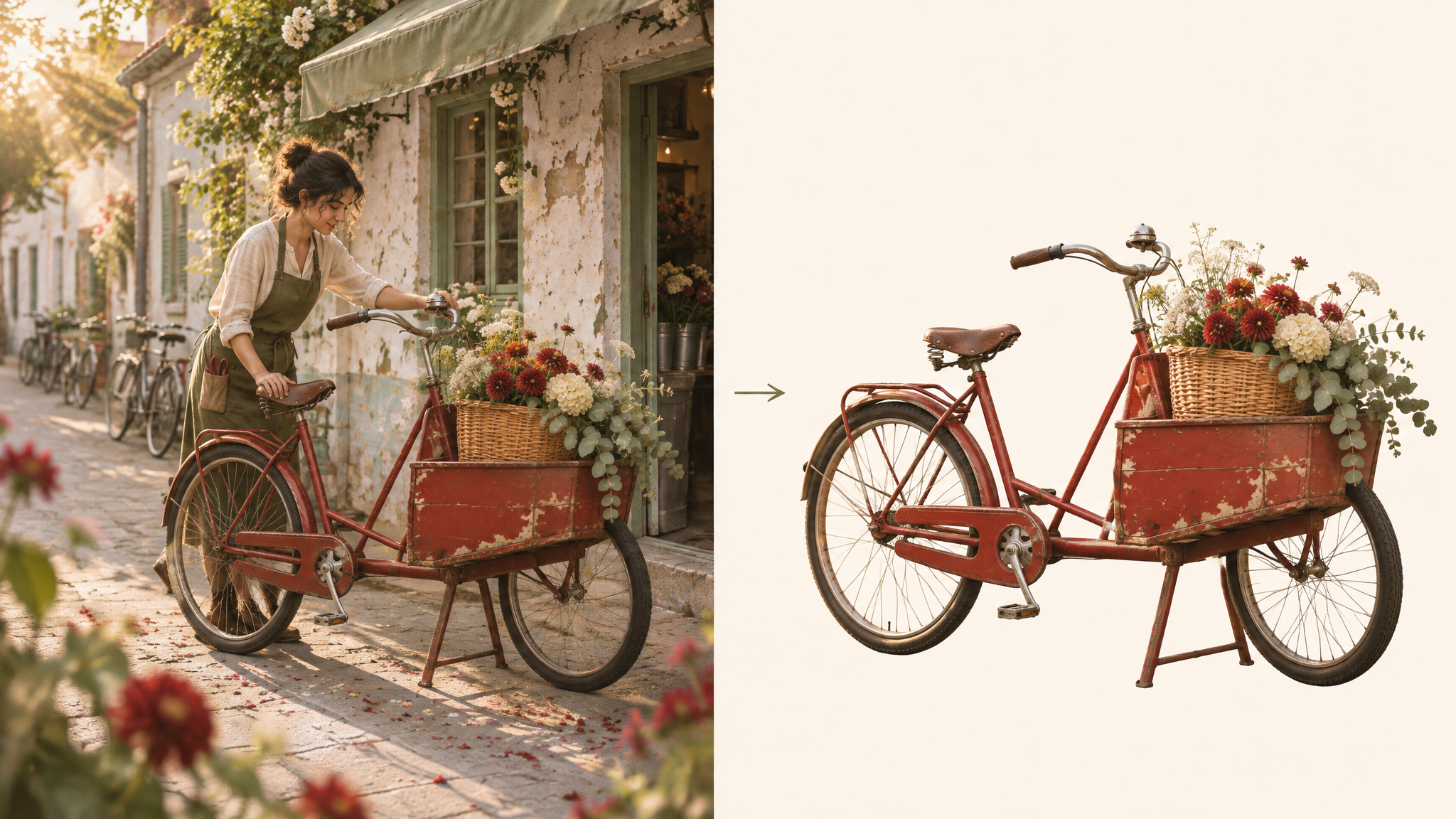
SAM 3 Image Text Selection
SAM 3 Image locates objects in a still image from a natural language description. Provide the source image and describe the subject you want to isolate. This makes text a practical starting point when selecting a recognizable object without manually tracing its outline. Use it to prepare targeted extractions for product assets, creative layouts, or image annotation.
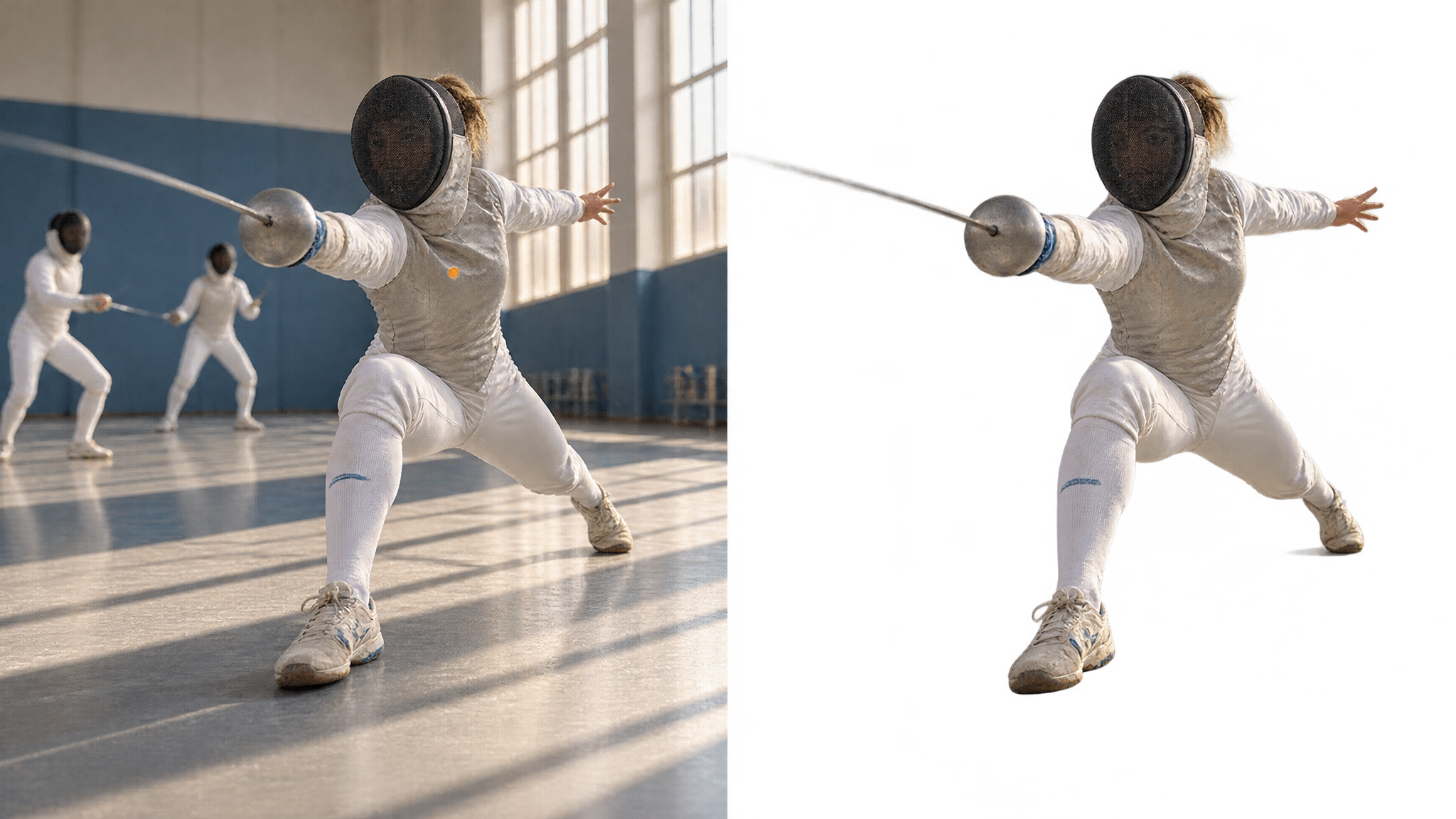
Point and Box Guidance
When words leave the target ambiguous, guide segmentation with points or bounding boxes. Mark the subject with point coordinates, or define a box around the object you want to select. These two visual input methods provide alternatives to text descriptions when working with crowded scenes. They suit annotation tools and editing workflows that need explicit control over which object is selected.
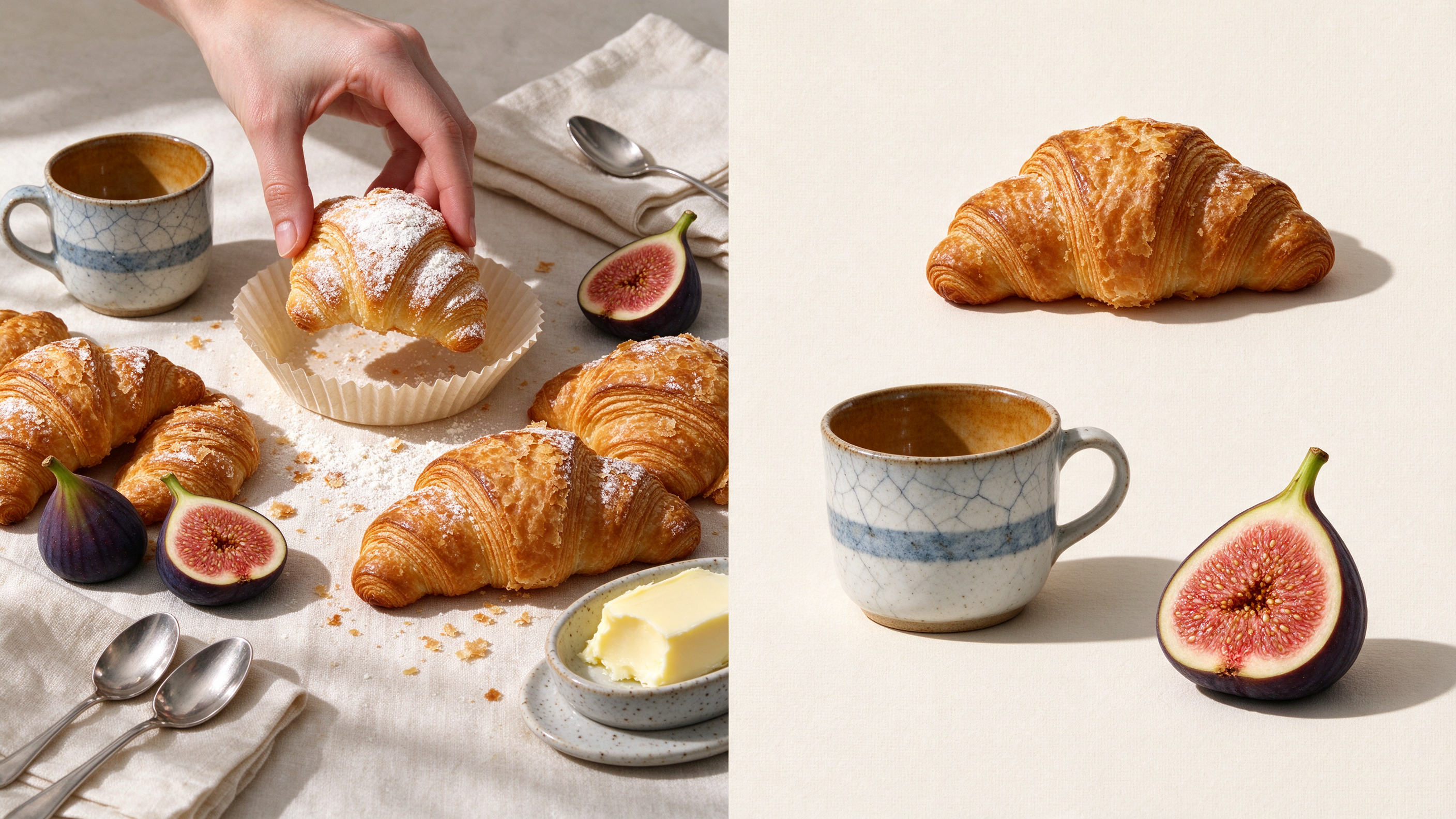
Separate PNG Cutouts
Each detected object comes back as its own PNG through the image segmentation endpoint. You can organize the returned files separately and choose which extracted subjects to carry into the next stage of your workflow. Bring those files into your existing editing or asset management tools. Separate cutouts are useful when preparing product collections, assembling compositions, or organizing reusable visual assets.

SAM 3 Image RLE Masks
Need mask data your application can process directly? The SAM 3 Image RLE endpoint returns segmentation masks as run-length encoding in a JSON file instead of images. Optional scores and bounding boxes provide additional information for each mask. Parse the result in code and pass the mask data into annotation systems, automated image processing, or custom computer vision pipelines.

Reusable NumPy Embeddings
For custom segmentation workflows, extract an image embedding as a NumPy .npy file. The embedding endpoint computes Meta SAM 3 visual features without returning finished object cutouts. Cache that file and run your own compatible segmentation implementation on top of the stored representation. This separates feature extraction from mask generation when building annotation tools or experimenting with downstream segmentation logic.
SAM 3 Image at $0.006 per Request
Atlas Cloud lists all three SAM 3 Image endpoints at a standard price of $0.006 per request. Access PNG segmentation, RLE segmentation, and image embeddings through its unified image API. Submit a task, retain its prediction ID, and poll for the completed result. This shared integration pattern makes it easier to add segmentation tools to an existing application and plan request costs.
SAM 3 Image: Compare Subject Extraction
Compare subject extraction using the same reference image and selection prompt, with attention to object boundaries and retained details.
Using the supplied photograph, isolate the white whippet jumping over the red hurdle. Preserve its visible silhouette, fine fur, legs, and tail without adding or reconstructing details. The reference photograph should capture the leap under warm side lighting, with blurred foreground grass, a restrained red and green palette, and natural sports photography texture. Use a wide 16:9 aspect ratio, full-bleed reference image.
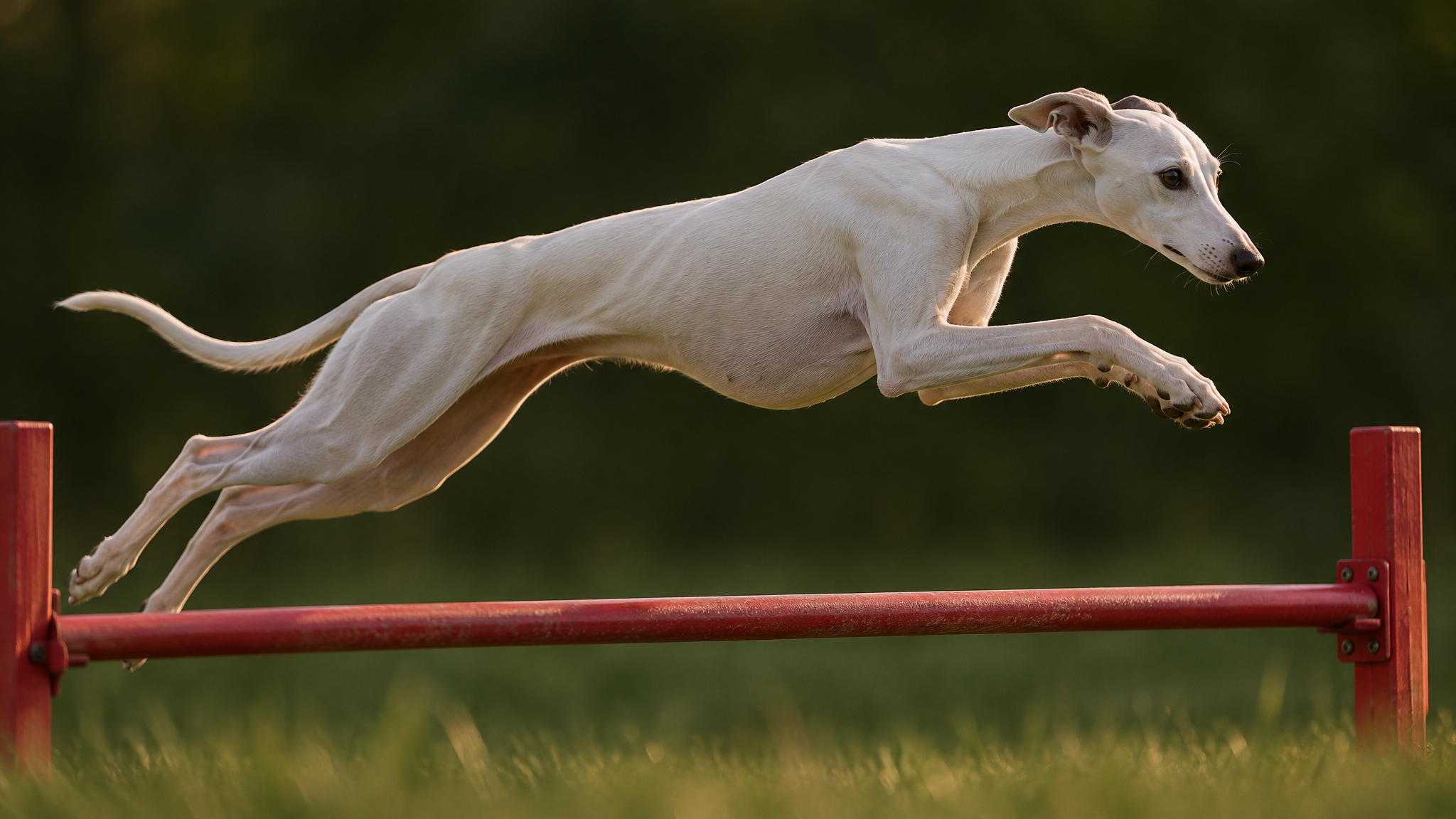
Generated with SAM 3 Image Segmentation on Atlas Cloud
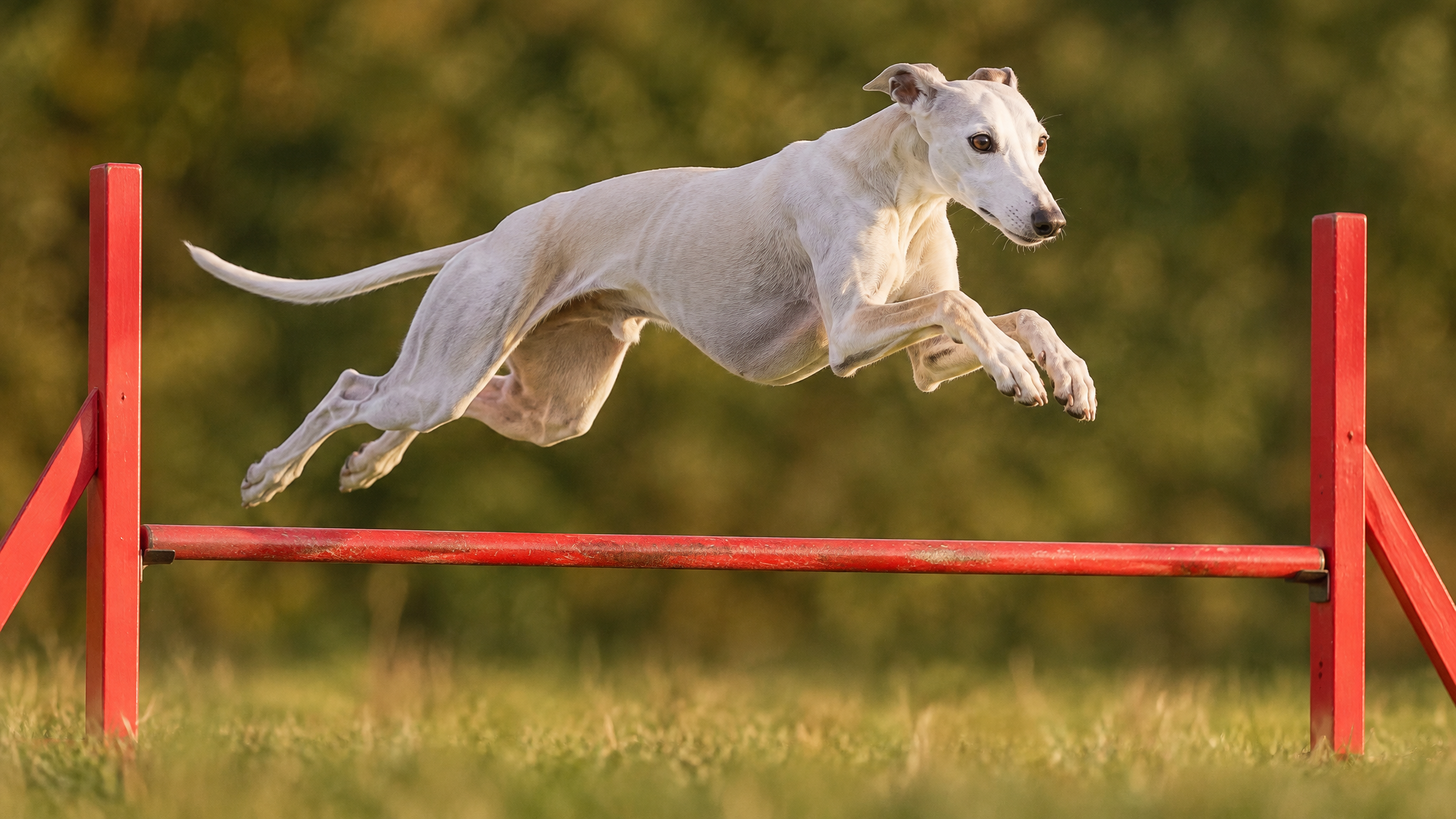
Generated with Seedream v5.0 Pro Layer Decomposition on Atlas Cloud
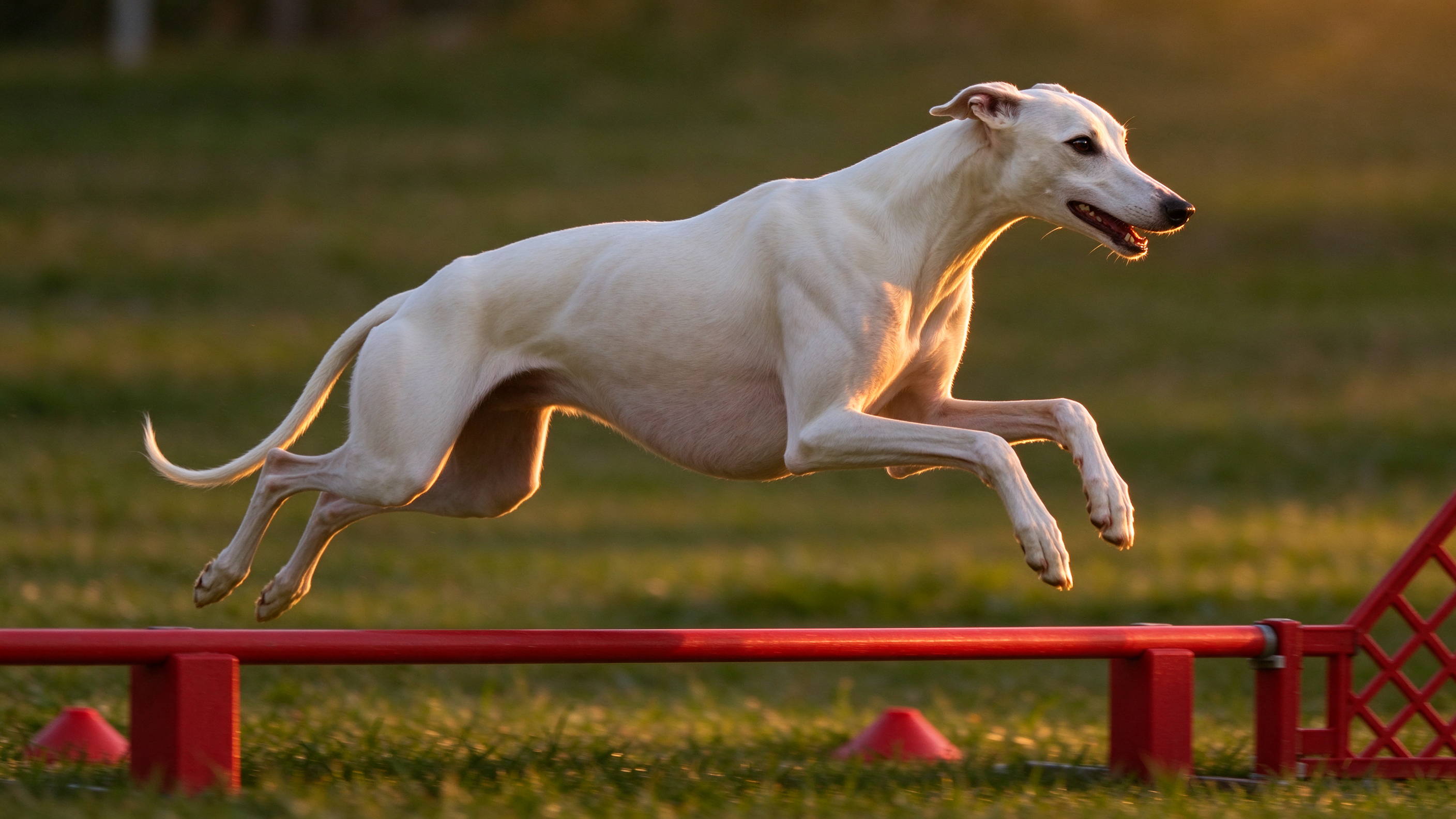
Generated with Seedream 2.0 on Atlas Cloud
Select the yellow lemons in the supplied still life photograph, keeping each visible fruit separate from the surrounding objects. Retain the original contours without inventing hidden surfaces. Prepare the reference as a top-down arrangement of lemons, blue ceramic dishes, folded linen, and scattered leaves, with generous negative space and crisp window light from the left. Use a wide 16:9 aspect ratio, full-bleed reference image.
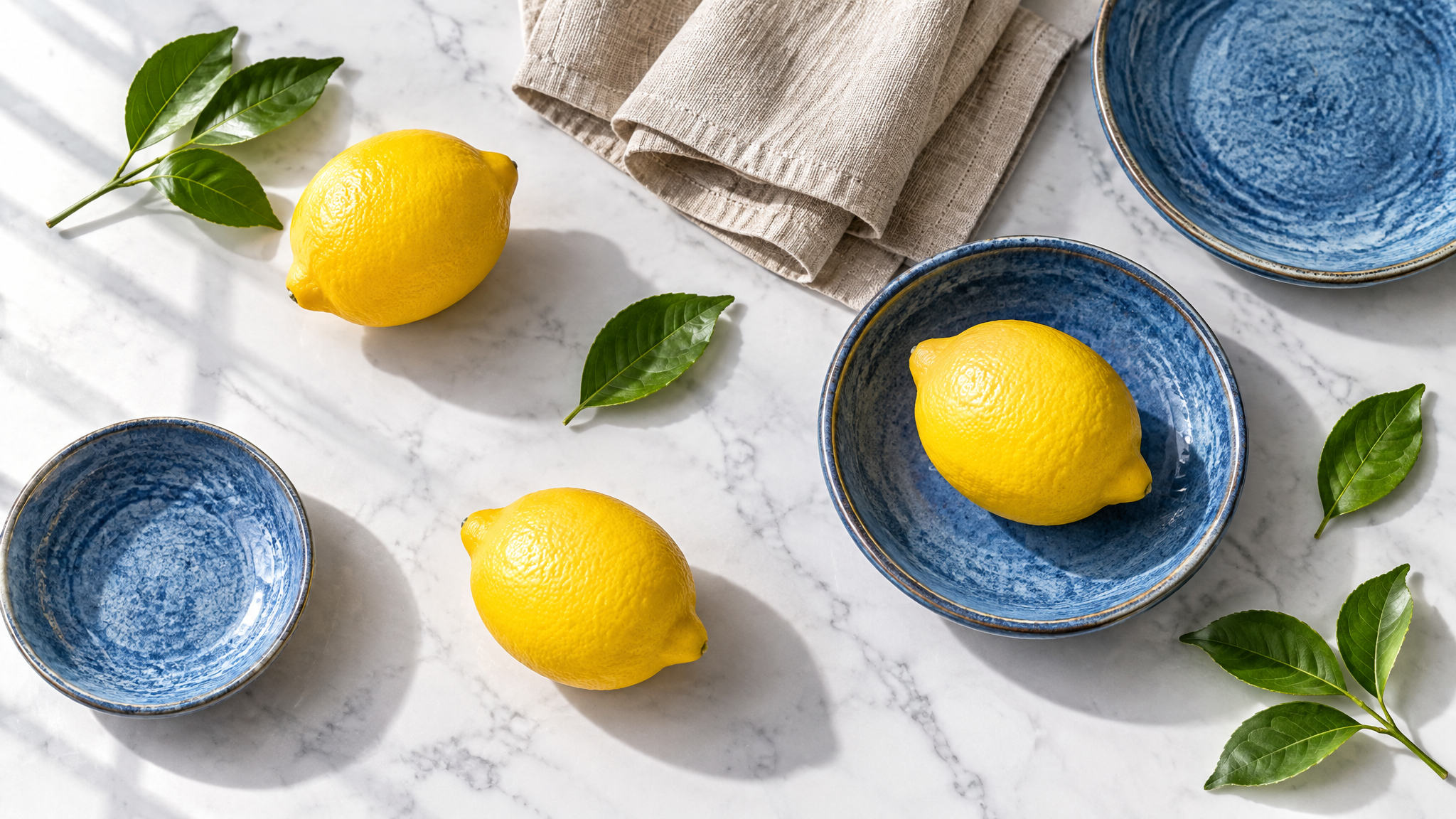
Generated with SAM 3 Image Segmentation on Atlas Cloud
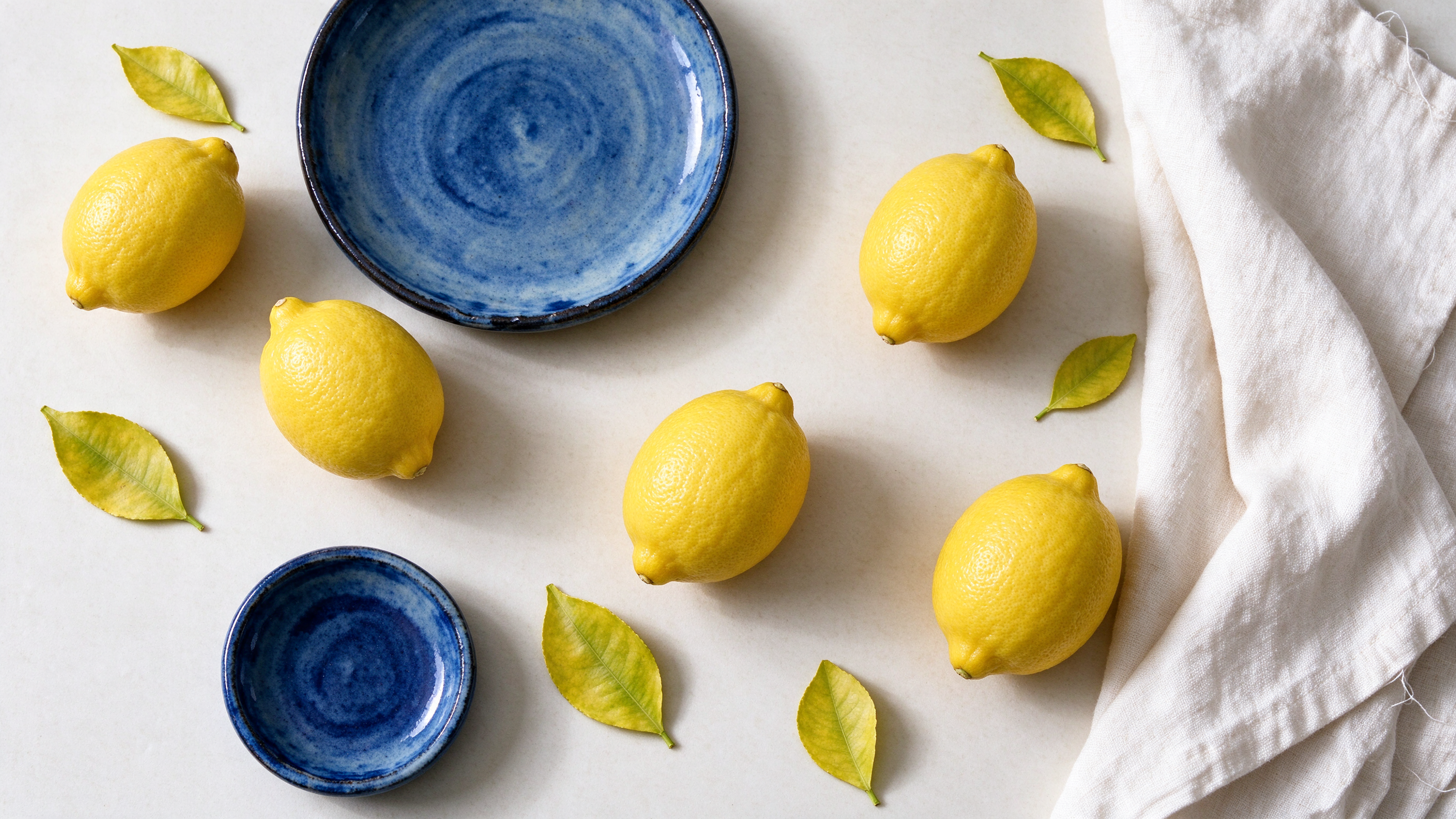
Generated with Seedream v5.0 Pro Layer Decomposition on Atlas Cloud
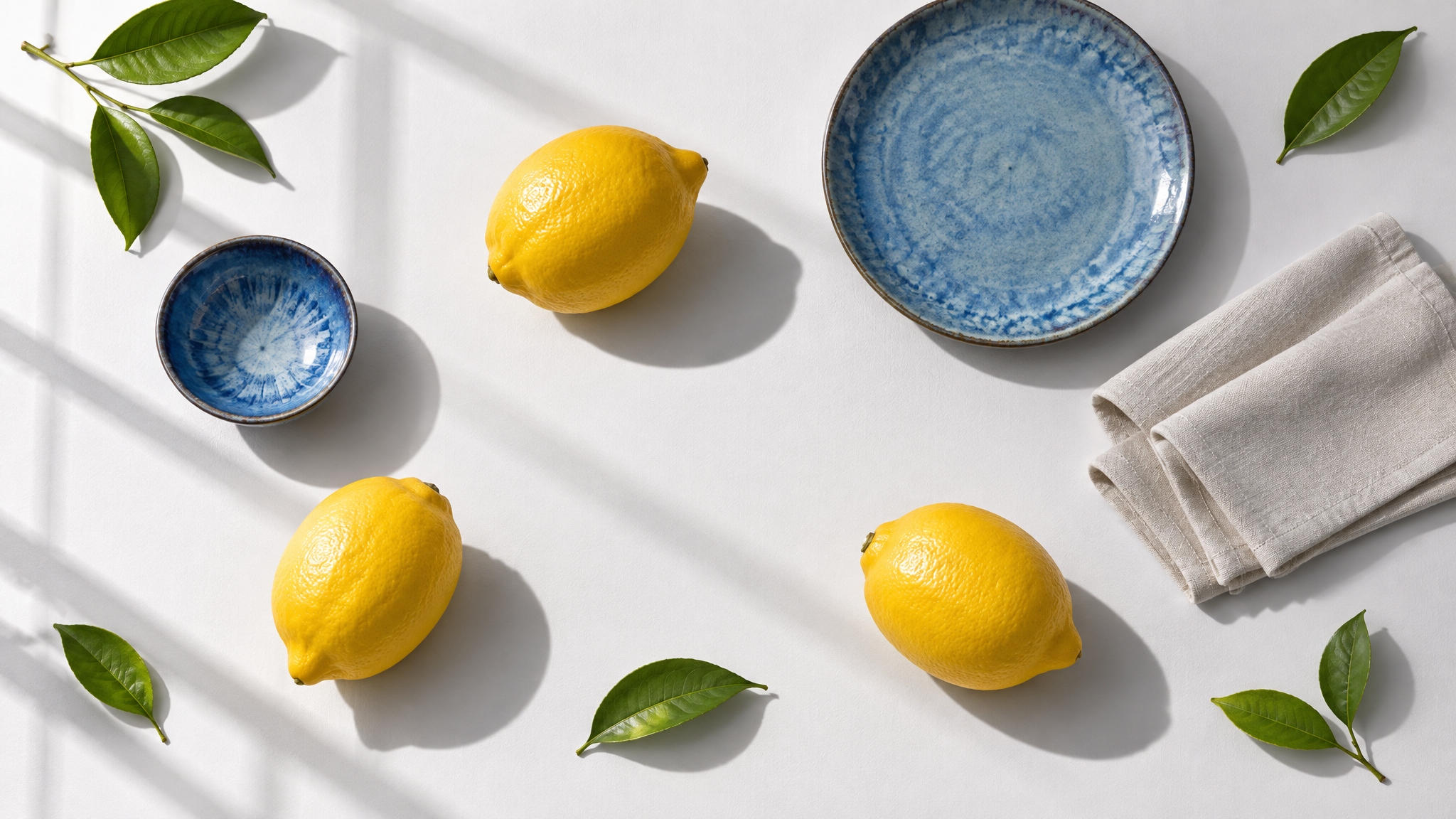
Generated with Seedream 2.0 on Atlas Cloud
From Product Cutouts to Data Pipelines with SAM 3 Image
For developers using SAM 3 Image, separate PNG cutouts support product imagery and editing, RLE masks feed annotation and review tools, and cacheable NumPy embeddings provide inputs for custom segmentation pipelines.

Product Cutouts with SAM 3 Image
Describe a product in text and SAM 3 Image returns each detected item as a separate PNG. Use those cutouts to prepare catalog layouts and marketplace listings in your design workflow.

Interactive Photo Selections
When several subjects share a photo, point or box prompts guide segmentation toward the intended object. The returned PNG gives photo editor developers an isolated asset for further adjustments in their tools.

Campaign Compositing Assets
Separate people, products, or props from source photos into individual PNG assets using text, point, or box prompts. Designers can assemble those extracted elements into campaign graphics with their existing compositing software.

SAM 3 Image Dataset Annotation
For dataset preparation, the RLE endpoint returns segmentation masks in a JSON file rather than images. Annotation teams can import these results into compatible labeling tools and review boundaries before approving training data.

Segmentation Review Dashboards
Optional scores and bounding boxes accompany RLE masks when developers request metadata for reviewing segmentation results. Display those fields alongside decoded masks in internal dashboards so reviewers can inspect individual detections before export.

SAM 3 Image Embedding Workflows
Cache the image embedding from SAM 3 Image as a NumPy NPY file for custom segmentation workflows. Reuse that representation in your own pipeline when an application needs different selections from the same image.
SAM 3 Image Compared by Task, Output, and Cost
Compare SAM 3 Image endpoints with layer decomposition and background removal models to choose the outputs your image processing workflow needs.
| Model | Primary Task | Returned Assets | Standard Price |
|---|---|---|---|
| SAM 3 Image Segmentation | Object segmentation using text, points, or boxes | A separate PNG for each detected object | $0.006 / request |
| SAM 3 Image Segmentation (RLE) | Object segmentation with encoded mask output | JSON containing RLE masks, with optional scores and boxes | $0.006 / request |
| SAM 3 Image Embedding | Image embedding extraction for caching and custom segmentation | NumPy .npy file | $0.006 / request |
| Seedream v5.0 Flash Layer Decomposition | Image decomposition into editable layers | Base image plus transparent PNG layers and layer metadata | $0.018 / image |
| Midjourney V8.2 Remove Background | Automatic background removal | One PNG with a transparent background | $0.086 / image |
How to Use SAM 3 Image on Atlas Cloud
Get started in minutes — follow these simple steps to integrate and deploy models through Atlas Cloud's platform.
Create an Atlas Cloud Account
Sign up at atlascloud.ai and complete verification. New users receive free credits to explore the platform and test models.
Why Use SAM 3 Image on Atlas Cloud
Combining the advanced SAM 3 Image models with Atlas Cloud's GPU-accelerated platform provides unmatched performance, scalability, and developer experience.
Performance & flexibility
Low Latency:
GPU-optimized inference for real-time reasoning.
Unified API:
Run SAM 3 Image, GPT, Gemini, and DeepSeek with one integration.
Transparent Pricing:
Predictable per-token billing with serverless options.
Enterprise & Scale
Developer Experience:
SDKs, analytics, fine-tuning tools, and templates.
Reliability:
99.99% uptime, RBAC, and compliance-ready logging.
Security & Compliance:
SOC 2 Type II, HIPAA alignment, data sovereignty in US.
SAM 3 Image FAQ: From Object Cutouts to Mask Pipelines
SAM 3 Image is an Atlas Cloud model family based on Meta's Segment Anything Model 3 for still image segmentation and image embeddings. Its endpoints return individual object PNGs, segmentation masks encoded as RLE in JSON, or image embeddings saved as NumPy .npy files.
Object cutouts and segmentation masks can support product image editing, compositing, and dataset annotation tools. Developers building custom segmentation workflows can also extract image embeddings for caching and later processing.
Create an Atlas Cloud account and API key, then choose the endpoint that matches your output needs. For object cutouts, select meta/sam-3/image-segmentation and provide a source image with a text, point, or box prompt.
Atlas Cloud's standard price is $0.006 per request for image segmentation, including the PNG and RLE variants. Image Embedding uses the same standard rate of $0.006 per request.
Submit the selected model ID and required inputs to POST https://api.atlascloud.ai/api/v1/model/generateImage using your Atlas Cloud API key. Poll GET https://api.atlascloud.ai/api/v1/model/prediction/{id} with the returned prediction ID, then retrieve the output once the task completes or inspect error details if it fails.
Describe the target in text, mark it with points, or draw a box around it. When a text description is ambiguous, use a point or box to indicate the intended object.
The standard segmentation endpoint returns each detected object as a separate PNG for visual editing workflows. Choose the RLE variant for masks encoded in a JSON file, with optional scores and bounding boxes for processing in code.
Choose this endpoint when your application needs image features for caching or for your own segmentation pipeline. It returns a NumPy .npy file containing the image embedding rather than object cutouts or final masks.
Native text prompting is a key difference: SAM 3 can identify and segment instances that match a short concept description. Visual prompts are also supported, letting you select objects with points or boxes.
If a target is missed, confirm that it is visible in the source image and try a short, specific description. Points or boxes can guide selection when text is ambiguous. Check the prediction status and any error details before retrying the request.
Explore More Families
Seedance 2.5
The Seedance 2.5 API gives developers ByteDance Seed’s joint audio and video model, generating 4 to 30 seconds in one pass at up to native 4K from text, a first frame, or up to 50 references across images, video, and audio. It edits selected regions, extends clips, and follows white-model and green-screen inputs.

Seedance 2.5 Flash
The Seedance 2.5 Flash API gives developers the faster, lower-cost tier of ByteDance Seed’s Seedance 2.5, released on November 12, 2026. It generates video at nearly twice the speed of Seedance 2.5, renders up to 30 seconds per clip at 480p or 720p, and takes up to 10 images, 5 videos, and 5 audio clips per request, with video editing for quick variants.
Kling 4.0
The Kling 4 API delivers Kling 4.0, the video model Kuaishou released on October 15, 2026. It generates up to 30 seconds in a single pass, follows up to 10 keyframes, blends 15 images, videos, and subjects through Omni Reference, and adds stereo audio with lip sync. Atlas Cloud serves all four endpoints, including video editing, on one OpenAI-compatible key from $0.11 per second. Start building today.
Seedream 5.5
Seedream 5.5 is ByteDance Seed's image generation and editing family. Guide edits with up to 10 reference images, or split an image into a base image and up to 99 editable layers, with optional OCR for text layers. On Atlas Cloud, generation, editing, and layer decomposition each cost a standard $0.02 per image, helping developers plan image workflow budgets. Start building today.
Kling 4.0 Flash
As a lower-cost option in the Kling 4.0 family, Kling 4.0 Flash combines images, videos, and subjects to create consistent 720p clips lasting 3 to 20 seconds. Start from a text prompt or animate a first-frame image to suit different production workflows. Atlas Cloud offers all four model variants at a standard price of $0.094 per second. Start building today.
Wan 3.0
Wan 3.0 is Alibaba’s newest video model, producing up to 30 seconds of 1080p video at 30fps with audio in one generation. Steer it with a text prompt, a first frame, up to 10 reference images, or a document. Standard costs less per second, while Prime keeps the same capabilities and returns results faster. Both run on the same Atlas Cloud key as Wan 2.7, 2.6, and 2.5.
GPT Image 2.6
The GPT Image 2.6 API gives developers OpenAI’s image model released on November 4, 2026, in two versions: Flare for fast iteration and Sunburst for detailed visual work. It generates images 50% faster than before and adds animated GIF output, SVG export, markup edits that target the area you circle, and a complexity setting. Atlas Cloud serves both models on one OpenAI-compatible key with pay-as-you-go pricing.
Kling Image 4.0
Kling Image 4.0 is Kling AI's image generation model for detailed visual design. Reference images guide compositions, while long layouts bring product imagery and brand messaging into complete page visuals. High resolution output provides room for cropping and display. Atlas Cloud simplifies integration with a unified API and transparent pay-as-you-go pricing. Start building today.
MiniMax H3 Image
MiniMax H3-Image builds on MiniMax's H3 family, combining image generation and editing in one checkpoint. Detailed prompts guide characters, scenes, and composition, while reference inputs steer visual changes. Atlas Cloud offers hosted access with pay-as-you-go billing, helping you integrate image workflows without managing model infrastructure. Start building today.
MiniMax H3
MiniMax H3 is MiniMax's multimodal video family for text, image, and reference guided creation. Across supported routes, it preserves subjects from reference media, offers flexible aspect ratios, and pairs generated sound with visuals through H3 Developer, with output profiles selected by endpoint. Atlas Cloud unifies the family behind one OpenAI-compatible key with transparent pay-as-you-go pricing from the standard rate of $0.038 per second. Start building today.
GPT Image 2.5
GPT Image 2.5 is OpenAI’s image generation and editing model, released on September 8, 2026 in two API versions. Flare is the default, with up to 50% lower latency than GPT Image 2, while Sunburst takes longer to give finer control over detailed edits. Both support up to 16 reference images, five quality tiers, transparent backgrounds, and custom sizes up to 3840px. Atlas Cloud serves the GPT Image 2.5 API at OpenAI’s per token rates, or at a flat price per image by 1K, 2K, or 4K tier.
Seedream 5.0 Pro
Seedream 5.0 Pro API gives developers ByteDance's controllable image editing model on Atlas Cloud. It places edits precisely with anchors and coordinates, separates images into editable layers, fuses multiple references, and matches exact colors and materials, with multilingual text at 2K and 3K. On Atlas Cloud you reach it through one key!
Recommended Articles
Guides, tutorials, and product updates to help you get the most out of Atlas Cloud.





